Sights

3,246 questions

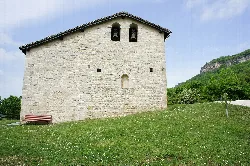
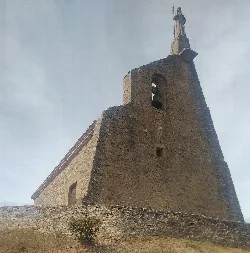
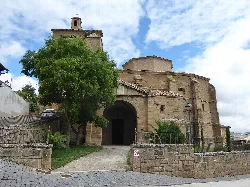
San Martín chapel in Añorbe, built of stone with a bell tower at the top.
AñorbeNavarre

What can I see at the Ermita de San Martín?

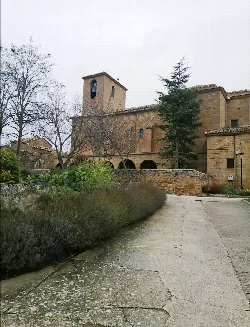
The Ermita de San Martín, located on a strategic hill, features a simple Baroque design with a rectangular plan and a five-section vault. It has historical significance, having served as a stronghold during the Carlist Wars. The site also offers scenic views and is surrounded by a recently improved walking path.
Ermita de San Martín For visitors ›

Church in Añorbe with tree and stone wall.
AñorbeNavarre

What is the architectural style of the Parroquia de la Asunción?

The Parroquia de la Asunción features a notable Romanist style, characterized by its elaborate retablo, which was crafted by the sculptor Pedro Contreras in the late 16th century. The interior showcases intricate sculptures and a rich iconography that reflects its historical significance.

Parroquia de la Asunción For visitors ›

Stone church with tower and arches in Garínoain, Navarra.
GarínoainNavarre

What is the Iglesia de San Martín like?

The Iglesia de San Martín, built in 1773, features a Latin cross layout with a pentagonal apse. It retains parts of a medieval tower and showcases a variety of artistic elements, including Gothic baptismal fonts and several altarpieces. The church is central to the community's religious life.

Iglesia de San Martín For visitors ›

GarínoainNavarre

What is the significance of the monument to Joxe Ulibarrena?

The monument to Joxe Ulibarrena, located in Plaza Príncipe de Viana, is carved from a fallen oak tree and features the phrase 'Utrimque roditur,' symbolizing the historical context of Navarre. It serves as a cultural landmark, reflecting local heritage and artistic expression.

Monumento Roble Ulibarrena For visitors ›

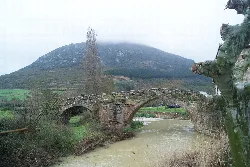
Ancient stone bridge over a river in Monreal, Navarra, with a foggy mountain.
MonrealNavarre

What can you tell me about the medieval bridge in Monreal?

The medieval bridge in Monreal is a Gothic stone structure with two arches, situated over the Elorz River. It is part of the ancient pilgrimage route of the Camino de Santiago Aragonés, providing a scenic connection for travelers heading towards the town.

medieval bridge For visitors ›

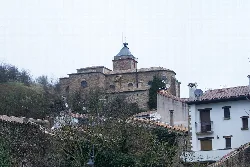
Parish church of Monreal in Navarra on a hilltop.
MonrealNavarre

What is the significance of the church in Monreal?

The Church of La Natividad de Nuestra Señora in Monreal, originally dedicated to San Martín de Tours, showcases various architectural styles, including Gothic and Baroque. It houses a 13th-century Gothic statue of Santa María and features a significant Romanist altarpiece, reflecting the town's historical and cultural heritage.

church For visitors ›

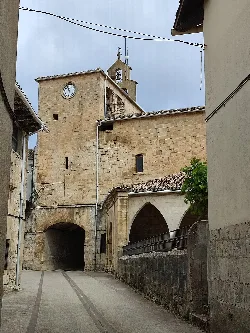
Tower with clock and passage in Abárzuza
Abárzuza-AbartzuzaNavarre

What can you tell me about the church of Nuestra Señora de la Asunción?

Nuestra Señora de la Asunción is a Gothic-Renaissance church built starting in 1522, replacing an earlier medieval structure. It features a single nave with buttresses and a distinctive tower. The interior is adorned with a major altarpiece created by local artisans, showcasing scenes from the life of the Virgin Mary.

Nuestra Señora de la Asunción For visitors ›

Abárzuza-AbartzuzaNavarre

What are the architectural styles found in Abárzuza?

Abárzuza features a mix of architectural styles, including Gothic and Renaissance elements, particularly in its church, Nuestra Señora de la Asunción. The village also has traditional houses with notable Renaissance and Baroque façades, showcasing the region's rich historical architecture.

For visitors ›

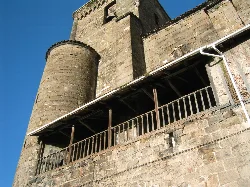
View of a tower and wooden balcony on a church in Isaba, Navarra.
Isaba-IzabaNavarre

What can you tell me about the Iglesia de San Cipriano?

The Iglesia de San Cipriano, built in the 15th century, resembles a fortress with its stone structure. Inside, it features a stunning plateresque altarpiece from 1537 and a beautiful Baroque organ from 1751, restored in 1977. The church also has a Gothic screen from the 16th century separating the main altar from the nave.

Iglesia de San Cipriano For visitors ›

Stone hermitage door with trees and flowers around.
Isaba-IzabaNavarre

What is the significance of the Ermita de la Virgen de Idoya?

The Ermita de la Virgen de Idoya, located about 900 meters from Isaba, features a medieval core with a 16th-century roof. Inside, it houses a Baroque altarpiece and a 13th-century Gothic statue of the Virgin. The site is accessible via a charming path and is a popular pilgrimage destination.

Ermita de la Virgen de Idoya For visitors ›

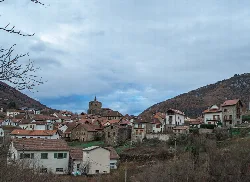
View of stone houses in Isaba with mountains and cloudy sky.
Isaba-IzabaNavarre

What is the local architecture like in Isaba?

Isaba features traditional mountain houses with steep roofs, typical of the region. The architecture reflects its historical context and the need for resilience against harsh weather. Notable buildings include the Iglesia de San Cipriano and various charming homes that contribute to the town's picturesque landscape.

For visitors ›

BakaikuNavarre

What is the significance of the Ermita de Santiago in Bakaiku?

The Ermita de Santiago is an important religious site in Bakaiku, where the major mass is celebrated on July 25th. The local municipality participates in a solemn procession during the event. The retablo mayor of the hermitage is recognized in Spain's cultural heritage inventory, highlighting its historical and artistic value.

Ermita de Santiago For visitors ›

BakaikuNavarre

What is the significance of the Ermita de Santa Marina in Bakaiku?

The Ermita de Santa Marina is a historic site located in the Sierra de Urbasa, originally dedicated to the Holy Trinity. It serves as a viewpoint over the Burunda valley and hosts several romerías throughout the year, reflecting the community's religious traditions and connection to the landscape.

Ermita de Santa Marina For visitors ›

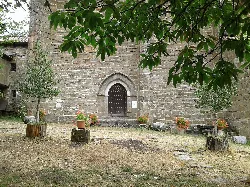
Stone facade with Romanesque window in the church in Navarra.
EulateNavarre

What is the Ermita de San Juan Bautista in Eulate?

The Ermita de San Juan Bautista is a small chapel located in Eulate, notable for its Romanesque-style window. It reflects the region's historical architecture and serves as a point of interest for visitors exploring the area. The chapel is part of the local heritage and contributes to the cultural landscape of Eulate.

Ermita de San Juan Bautista For visitors ›

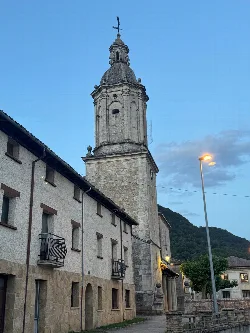
Church bell tower in Eulate, Navarra, with blue sky and street.
EulateNavarre

Can you tell me about the Iglesia parroquial de San Martín?

The Iglesia parroquial de San Martín is a significant church in Eulate, originally built in the 16th century but extensively remodeled in the 18th century. It retains some elements of its original structure, including the layout and parts of the walls. This church is central to the community and reflects the area's religious heritage.

Iglesia parroquial de San Martín For visitors ›

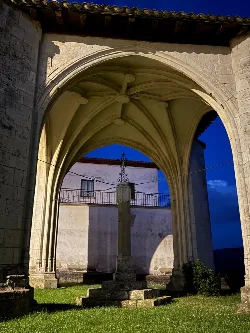
Cross on the church arch in Eulate, Navarra, with blue sky background.
EulateNavarre

What is the Crucero in Eulate?

The Crucero in Eulate is a Gothic-style cross from the early 16th century, located under a stone canopy. It serves as a historical monument, reflecting the artistic styles of its time and contributing to the local cultural heritage.

Crucero For visitors ›

BargotaNavarre

What is there to see in Bargota?

Bargota features several notable sights, including the Iglesia de Santa María, built around 1550 in a Gothic-Renaissance style, and the Ermita de la Virgen del Poyo, which dates back to the 16th century. The town is also known for its charming Plaza de Bargota, where local events take place, and various historical buildings that reflect its rich heritage.

For visitors ›

BargotaNavarre

What is the significance of the Ermita de la Virgen del Poyo?

The Ermita de la Virgen del Poyo is a historic site in Bargota, known for its picturesque setting and as a resting point for pilgrims on the Camino de Santiago. It features a blend of architectural styles, with origins in the 16th century and later Baroque modifications.

Ermita de la Virgen del Poyo For visitors ›

Square with old buildings and an empty plaza in Bargota.
BargotaNavarre

What is the Plaza de Bargota like?

The Plaza de Bargota serves as the town's central square, characterized by its historical buildings and vibrant atmosphere. It is a gathering place for community events and celebrations, providing a glimpse into the local culture and social life of Bargota.

Plaza de Bargota For visitors ›

Burguete main street with channels and old houses.
Auritz-BurgueteNavarre

What is the significance of the street in Burguete?

The main street in Burguete features channels that provide water from a nearby spring, reflecting the town's historical connection to water management. This street, known for its picturesque layout, showcases the town's charm and is part of the traditional architecture that characterizes the area.

For visitors ›

Romanesque stone bridge over the Urrobi River in Burguete, Navarra.
Auritz-BurgueteNavarre

What can you tell me about the Puente Arrobi?

The Puente Arrobi is a medieval-style bridge located over the Urrobi River, characterized by its single semicircular arch. It was part of the ancient route leading into the Valley of Arce and is an important historical landmark associated with the Camino de Santiago, recognized as a UNESCO World Heritage site.

Puente Arrobi For visitors ›

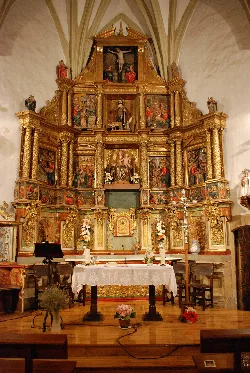
Golden altarpiece with religious scenes and figures in Lazagurría church.
LazagurríaNavarre

What is the significance of the church in Lazagurría?

The Church of Nuestra Señora del Rosario is a notable landmark in Lazagurría, showcasing a mix of Gothic and Renaissance styles. Its construction began in 1608, featuring a cross-shaped layout and a baroque tower. The church houses a significant retablo, crafted by Diego Jiménez and later completed by Bartolomé Calvo, highlighting the artistic heritage of the region.

Iglesia de Nuestra Señora del Rosario For visitors ›

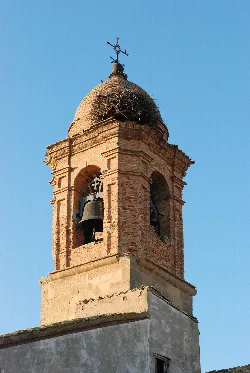
Brick bell tower with two bells and a cross at the top.
LazagurríaNavarre

What is the white building on the hill in Lazagurría?

The white building on the hill likely refers to the Church of Nuestra Señora del Rosario, which features a distinctive baroque tower that can be seen from various points in the village. This church is a central part of the community's cultural and religious life, making it a prominent landmark in Lazagurría.

Iglesia de Nuestra Señora del Rosario For visitors ›

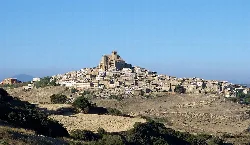
Panoramic view of Ujué with houses and church on the hill.
Ujué/UxueNavarre

What are the main attractions in Ujué?

Ujué is renowned for its medieval charm, characterized by cobbled streets and stone houses surrounding the fortified church of Santa María. Other attractions include the ruins of the Castillazo, remnants of a university, and the picturesque views from the church's mirador. The village's inclusion in 'Los Pueblos Más Bonitos de España' highlights its beauty.

For visitors ›