Sights

3,246 questions

SaldañaPalencia

What is the Casa torcida de Saldaña?

The Casa torcida, or the 'twisted house,' is a unique 16th-century manor known for its peculiar architecture. Located in the plaza del marqués de la Valdavia, its unusual design has sparked theories about its construction, either due to land subsidence or intentional design for grain loading. It has been fully restored and now operates as a hospitality establishment.
Casa torcida de Saldaña For visitors ›

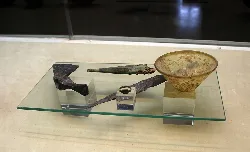
Ancient objects displayed on a glass shelf in the museum.
SaldañaPalencia

What can I find in the Museo de San Pedro?

The Museo de San Pedro in Saldaña showcases archaeological artifacts, including items from the Roman villa of La Olmeda. Visitors can explore various historical objects, such as the Arabic stele and a Mozarabic paten from the 10th century. The museum provides insight into the region's rich archaeological heritage.

Museo de San Pedro For visitors ›

SaldañaPalencia

What is the Plaza Vieja known for?

Plaza Vieja, also known as Plaza de los Francos, is a historic marketplace in Saldaña, recognized for its architectural beauty and cultural significance. It was the site of Alfonso VII's wedding in 1128 and the first documented bullfight in Spain. The plaza is a focal point for local events and gatherings.

Plaza Vieja For visitors ›

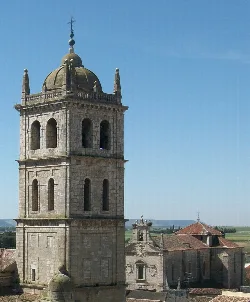
Stone bell tower with dome and windows in Dueñas, Palencia.
DueñasPalencia

What can you tell me about the Torre de Santa María?

The Torre de Santa María is part of the parish church of Santa María de la Asunción and is a notable landmark in Dueñas. This impressive tower reflects the architectural style of the region and is a key feature of the town's historical landscape, showcasing its artistic heritage.

Torre de Santa María For visitors ›

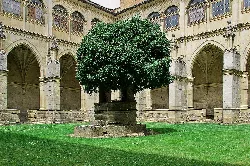
Renaissance cloister with a central tree and arches in the background.
Carrión de los CondesPalencia

What can you tell me about the Real Monasterio de San Zoilo?

The Real Monasterio de San Zoilo is a significant historical site in Carrión de los Condes, showcasing a beautiful Renaissance cloister designed by architects Pedro de Torres, Juan de Bobadilla, and Pedro Cícero. This monastery has played an essential role in the town's religious and cultural history, making it a must-visit for those interested in architecture and heritage.

Real Monasterio de San Zoilo For visitors ›

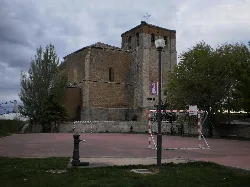
Hermitage of Our Lady of Bethlehem and a football field with goals.
Carrión de los CondesPalencia

What is the Ermita de Nuestra Señora de Belén like?

The Ermita de Nuestra Señora de Belén is a charming chapel located in Carrión de los Condes. It is known for its serene atmosphere and religious significance, often visited by locals and pilgrims alike. The architecture reflects the region's historical styles, making it a peaceful spot for reflection and prayer.

Ermita de Nuestra Señora de Belén For visitors ›

Square with church and surrounding buildings.
Paredes de NavaPalencia

What can I see in the Plaza de España in Paredes de Nava?

Plaza de España is a central hub in Paredes de Nava, featuring the impressive Iglesia de Santa Eulalia. The square is surrounded by charming architecture and serves as a gathering place for locals and visitors alike. It's a great spot to enjoy the local atmosphere, and you might also find events or markets taking place here, making it a vibrant part of the town.

Plaza de España For visitors ›

Paredes de NavaPalencia

What can you tell me about the Iglesia de San Martín?

The Iglesia de San Martín, built in the 15th century and later renovated, features a mudéjar tower and serves as a center for interpreting the Tierra de Campos region. Visitors can climb its tower for panoramic views of the town and surrounding landscapes, making it a popular spot for both locals and tourists.

Iglesia de San Martín For visitors ›

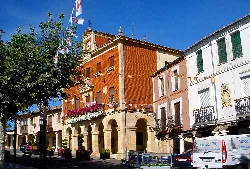
Main square with brick building and arches in Herrera de Pisuerga.
Herrera de PisuergaPalencia

What is the Plaza Mayor de Herrera de Pisuerga like?

Plaza Mayor de Herrera de Pisuerga is a vibrant central square that serves as a focal point for the community. It features charming architecture, including the town hall, and is often adorned with flowers. The square is a popular gathering place for residents and visitors alike, especially during local events and festivals.

Plaza Mayor For visitors ›

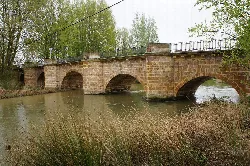
Stone bridge with multiple arches over the river in Herrera de Pisuerga.
Herrera de PisuergaPalencia

What can you tell me about the Puente de Herrera de Pisuerga?

The Puente de Herrera de Pisuerga is an important historical bridge in the town, showcasing impressive Baroque architecture. It spans the river Pisuerga and has been a vital crossing point for many years. The bridge is not only functional but also adds to the scenic beauty of the area, making it a popular spot for photography.

Puente de Herrera de Pisuerga For visitors ›

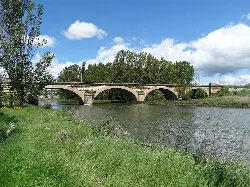
Stone bridge with multiple arches over a river, surrounded by trees and grass.
Herrera de PisuergaPalencia

What is the Puente de Los Dolores?

The Puente de Los Dolores is a historic railway bridge that serves the Palencia-Santander line. Constructed in the mid-19th century, it is one of the oldest railway structures in the region and showcases the engineering of that era. The bridge is a significant landmark in Herrera de Pisuerga.

Puente de Los Dolores For visitors ›

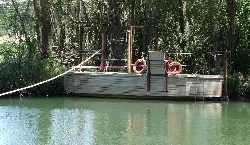
Floating platform on the Pisuerga River with trees in the background.
Herrera de PisuergaPalencia

What is the Pasarela de San Andrés?

The Pasarela de San Andrés is a pedestrian and cyclist bridge that crosses the river Pisuerga. Inaugurated in 2015, it provides access to the Canal de Castilla interpretation center and enhances connectivity for those exploring the natural surroundings of Herrera de Pisuerga. The bridge is noted for its modern design and scenic views.

Pasarela de San Andrés For visitors ›

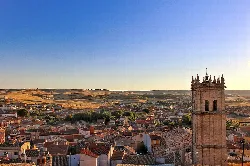
Panoramic view of Baltanás with church tower and rural landscape
BaltanásPalencia

What can I see from the top of the Bodegas de Baltanás?

From the top of the Bodegas de Baltanás, visitors can enjoy stunning panoramic views of the surrounding landscape, including the picturesque hills and valleys typical of the Cerrato region. The area is known for its agricultural fields and charming village architecture, making it a perfect spot for photography and appreciating the natural beauty of the region.

Bodegas de Baltanás For visitors ›

BaltanásPalencia

What is the significance of the Ermita de Nuestra Señora de Revilla?

The Ermita de Nuestra Señora de Revilla is significant for housing the sculpture of the Virgin of Revilla, considered one of the oldest nativity figures in Spain. This site attracts visitors interested in religious art and local history, showcasing the cultural heritage of Baltanás.

Ermita de Nuestra Señora de Revilla For visitors ›

Square with trees, benches, and buildings in Osorno la Mayor.
Osorno la MayorPalencia

What can I see at Plaza Abilio Calderón in Osorno la Mayor?

Plaza Abilio Calderón is a central square in Osorno la Mayor, surrounded by charming buildings and greenery. It's a great spot to relax and soak in the local atmosphere. Visitors often appreciate the historical architecture and the community vibe, making it a perfect place for social gatherings or leisurely strolls.

Plaza Abilio Calderón For visitors ›

Small hermitage with tiled roof and light-colored walls in Osorno la Mayor.
Osorno la MayorPalencia

What is the Hermitage of La Piedad like?

The Hermitage of La Piedad in Osorno la Mayor features a distinctive Mudéjar architectural style, particularly noted for its intricate wooden ceiling from the 16th century. This small but significant structure serves as a spiritual site for locals and showcases the region's rich cultural heritage, making it a worthwhile visit for those interested in history and architecture.

Hermitage of La Piedad For visitors ›

Osorno la MayorPalencia

What can you tell me about the Church of the Assumption?

The Church of the Assumption in Osorno la Mayor has its origins in the Romanesque period, with the current structure dating back to the 15th century. It features a Rococo altar and a notable Romanesque baptismal font, showcasing the town's artistic heritage and historical significance in the region.

Church of the Assumption For visitors ›

Statue of the Virgin of Areños indoors with stone walls.
Velilla del Río CarriónPalencia

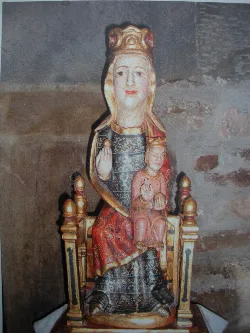
What can you tell me about the Virgen de Areños in Velilla del Río Carrión?

The Virgen de Areños is the patron saint of Velilla del Río Carrión. This wooden statue is notable for its Romanesque style and is housed in the local church for most of the year. However, from the second Sunday in June to the end of October, it is displayed in its original location at the Ermita de la Virgen de Areños, where it is celebrated during the patronal festivities.

Virgen de Areños For visitors ›

Velilla del Río CarriónPalencia

What is the significance of the Casa del Tío Mateón?

The Casa del Tío Mateón is a baroque palace from the 18th century located in Velilla del Río Carrión. It features a façade of ashlar stone and is notable for its three heraldic shields. This historical building adds to the cultural and architectural heritage of the town, representing its noble past.

Casa del Tío Mateón For visitors ›

Stone bridge with arches over the Pisuerga river in Alar del Rey.
Alar del ReyPalencia

What can you tell me about the Puente de las Monjas?

The Puente de las Monjas is a notable 19th-century clasicist bridge in Alar del Rey, featuring eight lowered arches made of sandstone. It is an important landmark that exemplifies the architectural style of its time and serves as a connection over the Pisuerga River, enriching the town's historical landscape.

Puente de las Monjas For visitors ›

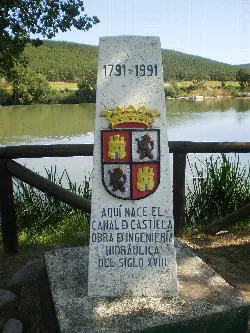
Memorial stone with dates and coats of arms near a river in Alar del Rey.
Alar del ReyPalencia

What is the significance of the monolith commemorating the Canal de Castilla?

The monolith commemorates the 200th anniversary of the Ramal Norte of the Canal de Castilla, marking its historical importance as a major engineering achievement in Spain. It symbolizes the canal's role in transforming transportation and commerce in the region, highlighting Alar del Rey's unique heritage.

For visitors ›

Alar del ReyPalencia

What is the Iglesia parroquial de Nuestra Señora del Carmen like?

The Iglesia parroquial de Nuestra Señora del Carmen, built in 1898, showcases a neo-Romanesque style with a Renaissance tower completed in 1955. Before its construction, religious services were held in a canal warehouse, making this church a significant cultural and historical landmark in Alar del Rey.

Iglesia parroquial de Nuestra Señora del Carmen For visitors ›

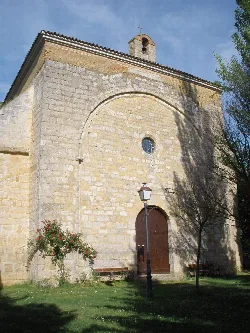
Stone chapel facade with wooden door and small round window.
FrómistaPalencia

What can you tell me about the Ermita de Nuestra Señora del Otero?

The Ermita de Nuestra Señora del Otero features a single nave with Gothic design and was remodeled in the 18th century. Inside, it houses a notable sculpture of the Virgin of Otero from the 13th century, recently restored, depicting her seated with the child.

Ermita de Nuestra Señora del Otero For visitors ›

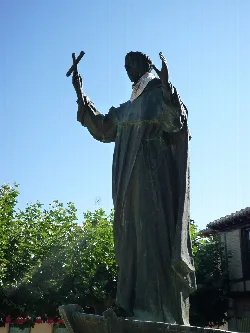
Statue of Saint Telmo holding a cross in Frómista.
FrómistaPalencia

What is the significance of the statue of San Telmo in Frómista?

The statue of San Telmo commemorates Pedro González Telmo, a prominent figure from the 13th century, known as the patron saint of seafarers. His legacy is celebrated in Frómista, particularly during local festivities honoring him.

Estatua de San Telmo For visitors ›