Sights

3,246 questions

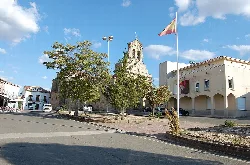
TerradillosSalamanca

What are the main attractions in Terradillos?

Key attractions in Terradillos include the Iglesia parroquial and the scenic landscapes surrounding the town. The area also features the Camino Natural - Vía Verde de la Plata, which offers opportunities for hiking and enjoying nature.
For visitors ›

LedesmaSalamanca

What are the main attractions in Ledesma?

Ledesma is known for its rich architectural heritage, including the Torre de Santa María la Mayor, which showcases a blend of Romanesque, Gothic, and Herrerian styles. The town also features the historic Puente Mocho and several churches like Santa Elena and Santa María la Mayor. Additionally, the natural beauty of the surrounding dehesas and the nearby Arribes del Duero National Park attract nature lovers.

For visitors ›

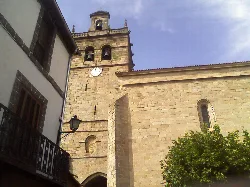
Ledesma's Santa María la Mayor tower with clock and bell tower against a blue sky.
LedesmaSalamanca

What is the Torre de Santa María la Mayor?

The Torre de Santa María la Mayor is a prominent landmark in Ledesma, initiated in the late 12th century in the final Romanesque style. It was later continued in the late 15th century in Gothic style and completed in 1580 in Herrerian style. This tower is part of the church of Santa María la Mayor and reflects the town's historical architectural evolution.

Torre de Santa María la Mayor For visitors ›

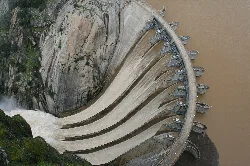
Aldeadávila Dam with multiple spillways in a rocky canyon.
Aldeadávila de la RiberaSalamanca

What is the Presa de Aldeadávila known for?

The Presa de Aldeadávila is the most recognized landmark in Aldeadávila de la Ribera. It is part of the hydroelectric system known as Saltos del Duero and features dramatic height differences, with some sections exceeding 400 meters. The dam was inaugurated on July 9, 1964, and has been a filming location for productions like Doctor Zhivago.

Presa de Aldeadávila For visitors ›

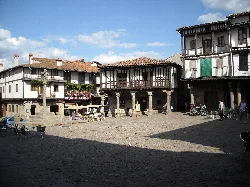
Main square with wooden and stone houses in La Alberca.
La AlbercaSalamanca

What is the Plaza Mayor in La Alberca known for?

The Plaza Mayor in La Alberca is a central square characterized by its traditional architecture and vibrant atmosphere. It features historic buildings and is often a gathering place for locals and visitors alike. The square is a great spot to experience the local culture and enjoy the picturesque surroundings.

Plaza Mayor For visitors ›

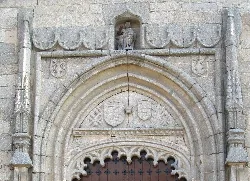
Tympanum of the church entrance with coats of arms and sculptural details.
MacoteraSalamanca

What can you tell me about the Iglesia Parroquial de Nuestra Señora del Castillo?

The Iglesia Parroquial de Nuestra Señora del Castillo is a significant landmark in Macotera, dating from the 15th and 16th centuries. It features notable heraldic shields of the II Duke of Alba and his wife on its main entrance. The church's architecture showcases a blend of styles, reflecting its historical importance in the community.

Iglesia Parroquial de Nuestra Señora del Castillo For visitors ›

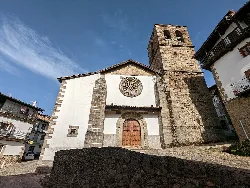
Church with stone tower and white facade in Candelario.
CandelarioSalamanca

What can I see at the Iglesia de Nuestra Señora de la Asunción?

The Iglesia de Nuestra Señora de la Asunción is a notable Catholic church in Candelario, showcasing a beautiful Mudéjar coffered ceiling and Baroque altarpieces. It features a Gothic rose window and significant artworks, including a Romanesque sculpture of Cristo del Olvido. This church is a key part of the town's historical and cultural heritage.

Iglesia de Nuestra Señora de la Asunción For visitors ›

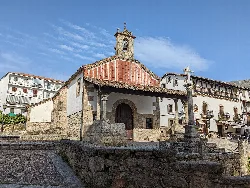
Small church with bell tower and cross in Candelario, Salamanca.
CandelarioSalamanca

What is the Ermita del Cristo del Refugio?

The Ermita del Cristo del Refugio is a small chapel in Candelario dedicated to Christ. It features a Baroque altarpiece and is a site of significant local devotion. The annual procession on May 1st from the chapel to the parish church reflects the community's strong religious traditions and connection to this landmark.

Ermita del Cristo del Refugio For visitors ›

Town hall and church in the square of Tamames, Salamanca.
TamamesSalamanca

What can you tell me about the Iglesia de Nuestra Señora de la Asunción?

The Iglesia de Nuestra Señora de la Asunción was constructed between the 15th and 16th centuries, with its main chapel designed by Gil de Hontañón. Although it underwent significant renovations in the 17th century, much of it was destroyed during the War of Succession in 1710. The tower remains the oldest part, dating back to the 15th century.

Iglesia de Nuestra Señora de la Asunción For visitors ›

Villarino de los AiresSalamanca

What are the main attractions for tourists in Villarino de los Aires?

Tourists in Villarino de los Aires can explore the stunning landscapes of the Arribes del Duero Natural Park, enjoy local festivals, and visit traditional architecture. The area’s natural beauty, combined with cultural events and local cuisine, makes it an appealing destination for those seeking an authentic rural experience in Spain.

For visitors ›

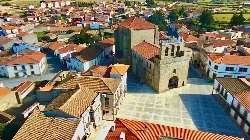
Church and main square of Villavieja de Yeltes from above.
Villavieja de YeltesSalamanca

What can you tell me about the Iglesia Parroquial in Villavieja de Yeltes?

The Iglesia Parroquial de San Pedro ad Vincula is a notable landmark in Villavieja de Yeltes. It reflects the town's historical and cultural heritage. The church is part of the local identity and plays a central role in community events, particularly during religious celebrations. Its architecture showcases traditional styles that are characteristic of the region.

Iglesia Parroquial For visitors ›

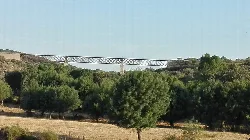
Iron bridge over a valley with trees in Villavieja de Yeltes.
Villavieja de YeltesSalamanca

What is the significance of the Puente de Hierro in Villavieja de Yeltes?

The Puente de Hierro, built in the late 19th century, is a metal viaduct similar to those designed by Eiffel. It spans the valley of the Yeltes River and is an important historical structure, representing the industrial advancements of the era. It was part of the international railway line connecting Pocinho in Portugal with La Fuente de San Esteban in Spain.

Puente de Hierro For visitors ›

Church and main square of Villavieja de Yeltes from above.
Villavieja de YeltesSalamanca

What is the Plaza Mayor like in Villavieja de Yeltes?

The Plaza Mayor is a central gathering place in Villavieja de Yeltes, surrounded by traditional architecture. It serves as a venue for community events and festivities, reflecting the town's social life. The plaza's design and ambiance make it a charming spot for both locals and visitors to enjoy.

Plaza Mayor For visitors ›

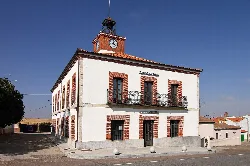
Mozárbez town hall building with clock and balcony on the facade.
MozárbezSalamanca

What is the architectural style of the Ayuntamiento in Mozárbez?

The Ayuntamiento features a blend of architectural styles, characterized by its use of brick and stone. The building's clock tower is a prominent feature, and its design reflects early 20th-century municipal architecture, serving both functional and aesthetic purposes in the town.

Ayuntamiento For visitors ›

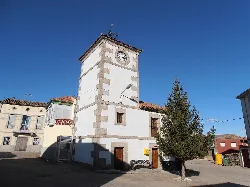
Tower with municipal clock and tree in the square of Santibáñez de Béjar.
Santibáñez de BéjarSalamanca

What is the white building with a clock tower in Santibáñez de Béjar?

The white building with a clock tower is the municipal clock tower of Santibáñez de Béjar. This structure serves as a local landmark and is part of the town's charm, reflecting its historical significance and community spirit.

For visitors ›

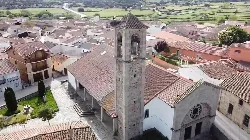
Bell tower and part of the church in Santibáñez de Béjar.
Santibáñez de BéjarSalamanca

What can you tell me about the church in Santibáñez de Béjar?

The church in Santibáñez de Béjar is notable for its Romanesque-style altar, dedicated to the Virgen de Valparaíso, the town's patron saint. It is an important cultural and religious site, reflecting the town's historical roots and artistic heritage.

church For visitors ›

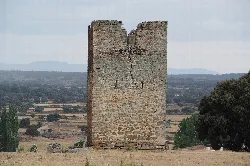
Stone tower in a field with trees and hills in the background.
Santibáñez de BéjarSalamanca

What is the significance of the Torre de Santibáñez?

The Torre de Santibáñez is an important historical monument in the area, representing the architectural style of the time. It serves as a reminder of the town's medieval past and is a point of interest for visitors exploring local history.

Torre de Santibáñez For visitors ›

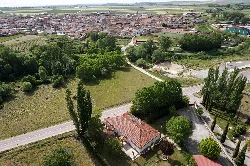
Aerial view of houses, trees, and fields in Alaraz, Salamanca.
AlarazSalamanca

What can you tell me about the aerial view of Alaraz?

The aerial view of Alaraz showcases the town's layout and surrounding landscape. Located in the province of Salamanca, it features a mix of agricultural fields and residential areas. The image highlights the natural beauty of the region, with its green spaces and the nearby river Gamo, which adds to the scenic charm of this small municipality.

For visitors ›

AlarazSalamanca

What historical sites are worth visiting in Alaraz?

In Alaraz, you can visit the Iglesia de Alaraz, notable for its Baroque retablo and historical significance. The ruins at Los Molinos, which date back to the Bronze Age, are also worth exploring. These sites reflect the rich history of the area and offer insights into its cultural heritage.

For visitors ›

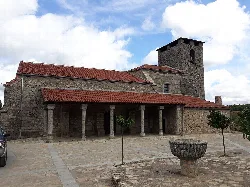
Church of Our Lady of the Assumption with tower and porch in Lagunilla.
LagunillaSalamanca

What is the church in Lagunilla like?

The church in Lagunilla, dedicated to the Virgen de la Asunción, dates back to 1500. It features a stone structure with a charming portico supported by columns. The church serves as a significant religious site for the local community, especially during the annual festivities on August 15, which celebrate the patron saint.

Iglesia de Nuestra Señora de la Asunción For visitors ›

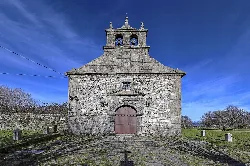
Stone church facade with bell tower in Lagunilla, Salamanca.
LagunillaSalamanca

What is the significance of the Ermita del Cristo Afligido?

The Ermita del Cristo Afligido is an important religious site in Lagunilla, built in 1697. It plays a central role in local festivities, particularly during the celebrations for El Santísimo Cristo de los Afligidos on September 14-15, drawing both locals and visitors for its spiritual significance.

Ermita del Cristo Afligido For visitors ›

LagunillaSalamanca

What historical sites can I visit in Lagunilla?

In Lagunilla, visitors can explore several historical sites, including the Iglesia de Nuestra Señora de la Asunción and the Ermita del Cristo Afligido. Additionally, remnants of ancient Roman and medieval structures can be found in the area, reflecting its rich historical heritage.

For visitors ›

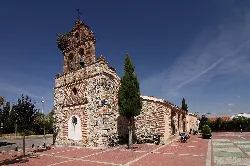
Brick church with tower and cross in Garcihernández.
GarcihernándezSalamanca

What is the Iglesia Parroquial San Juan Bautista like?

The Iglesia Parroquial San Juan Bautista in Garcihernández showcases a Mudéjar style, reflecting its historical significance. This church has been reformed over time, maintaining its charm while serving as a focal point for the local community. It plays a vital role during the town's patronal festivities, especially on June 24th, when the town celebrates its patron saint.

Iglesia Parroquial San Juan Bautista For visitors ›

GarcihernándezSalamanca

Are there any notable landmarks in Garcihernández?

Yes, notable landmarks in Garcihernández include the Iglesia Parroquial San Juan Bautista and the Casa Consistorial. These buildings reflect the town's architectural heritage and serve as important cultural and administrative centers for the community.

For visitors ›