Sights

3,246 questions

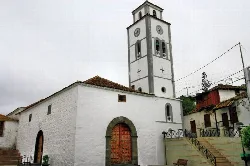
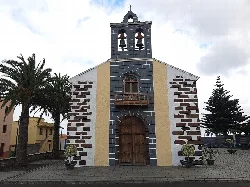
White church with tower and clock in El Tanque, Tenerife.
El TanqueSanta Cruz de Tenerife

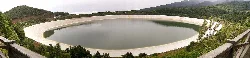
What can you tell me about the Iglesia de San Antonio de Padua?

The Iglesia de San Antonio de Padua is a key landmark in El Tanque, originating from a 16th-century hermitage. It was rebuilt after being destroyed in the 1706 volcanic eruption. The church features a single nave and is recognized as a cultural heritage site, showcasing traditional Canarian architecture.
Iglesia de San Antonio de Padua For visitors ›

El TanqueSanta Cruz de Tenerife

What architectural styles are present in El Tanque?

El Tanque showcases traditional Canarian architecture, with notable buildings like the Casa de Los Capitanes and the Alhóndiga, which date back to the 17th and 18th centuries. These structures reflect the historical and cultural heritage of the region.

For visitors ›

Circular reservoir with calm water and surrounding vegetation in Barlovento.
BarloventoSanta Cruz de Tenerife

What can I see at the Laguna de Barlovento?

The Laguna de Barlovento is a significant reservoir located in a volcanic caldera, providing irrigation water to the coastal areas. Visitors can enjoy recreational activities in the surrounding area, which includes picnic spots, children's play areas, and camping facilities, making it a great place for family outings.

Laguna de Barlovento For visitors ›

Facade of Barlovento church with bell tower and wooden doors.
BarloventoSanta Cruz de Tenerife

What is the main church in Barlovento?

The main church in Barlovento is the Iglesia de Nuestra Señora del Rosario, built in the 16th century. It features a notable Flemish sculpture of the Virgin, which is of cultural significance. This church is a focal point for the local community and hosts various religious events throughout the year.

Barlovento church For visitors ›

BarloventoSanta Cruz de Tenerife

What is the significance of the Faro de Punta Cumplida?

The Faro de Punta Cumplida, inaugurated in 1867, is an important historical landmark built from local volcanic stone. It serves as a navigational aid and has recently been transformed into a luxury hotel, making it a unique blend of history and modern hospitality.

Faro de Punta Cumplida For visitors ›

El Pinar de El HierroSanta Cruz de Tenerife

What is El Pinar de El Hierro known for?

El Pinar de El Hierro is known for its stunning landscapes, rich biodiversity, and traditional Canarian culture. It features extensive pine forests, beautiful coastal areas, and significant archaeological sites. The municipality is also recognized for its unique geographical location as the southernmost municipality in Spain and its proximity to the Atlantic Ocean, making it a peaceful destination for nature lovers.

For visitors ›

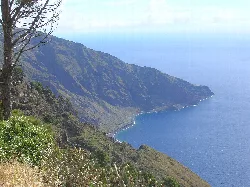
View of the coast and sea from the descent to Las Playas in El Pinar, El Hierro.
El Pinar de El HierroSanta Cruz de Tenerife

What are the best viewpoints in El Pinar?

Some of the best viewpoints in El Pinar include the Mirador de Tanajara, which offers stunning views of the capital and the southern part of the island, and the Mirador de Las Playas, where visitors can enjoy panoramic views of the coastline and the Roque de La Bonanza. These spots are perfect for photography and appreciating the island's natural beauty.

For visitors ›

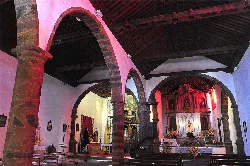
Interior of a church with arches and decorated altar in Garafía.
GarafíaSanta Cruz de Tenerife

What is the Iglesia de Nuestra Señora de La Luz like?

The Iglesia de Nuestra Señora de La Luz, located in Santo Domingo, Garafía, features a charming interior with traditional Canarian architecture. The church is a significant cultural and historical site for the local community, showcasing beautiful altarpieces and religious art. It serves as a gathering place for worship and local events, reflecting the spiritual heritage of the area.
Iglesia de Nuestra Señora de La Luz For visitors ›

GarafíaSanta Cruz de Tenerife

What is the significance of the Roque de los Muchachos?

The Roque de los Muchachos is the highest point on the island of La Palma, standing at 2,426 meters. It is home to the Instituto Astrofísico de Canarias' observatories, making it a prime location for astronomical research due to its clear skies and unique atmospheric conditions. The site is a vital part of Garafía's identity and scientific contributions.

Roque de los Muchachos For visitors ›

Fuencaliente de La PalmaSanta Cruz de Tenerife

What is Fuencaliente de La Palma known for?

Fuencaliente de La Palma is known for its volcanic landscape, including the San Antonio and Teneguía volcanoes. The region also features beautiful coastal areas, banana plantations, and the famous Salinas de Fuencaliente, which are salt flats. Additionally, it has a rich cultural heritage tied to viticulture, particularly the Malvasía grape variety used in local wine production.

For visitors ›

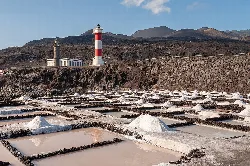
Salt flats of Fuencaliente with a lighthouse and volcanic mountains.
Fuencaliente de La PalmaSanta Cruz de Tenerife

What can I see at the Salinas de Fuencaliente?

The Salinas de Fuencaliente is a picturesque site where salt is harvested from seawater. Visitors can observe the traditional salt extraction process, enjoy scenic views of the coastline, and see the iconic red and white lighthouse nearby. It's a great spot for photography and appreciating the unique landscape shaped by volcanic activity.

Salinas de Fuencaliente For visitors ›

HermiguaSanta Cruz de Tenerife

What can you tell me about the Pescante de Hermigua?

The Pescante de Hermigua, built in 1907, is a notable structure that highlights the municipality's historical infrastructure. It served as a loading dock for goods, showcasing the area's agricultural and economic activities over the years.

Pescante de Hermigua For visitors ›

HermiguaSanta Cruz de Tenerife

What is the significance of the Museo Etnográfico de La Gomera?

The Museo Etnográfico de La Gomera in Hermigua showcases the island's cultural heritage, including traditional crafts, agricultural practices, and historical artifacts. It serves as an educational resource for both residents and visitors.

Museo Etnográfico de La Gomera For visitors ›

Vilaflor de ChasnaSanta Cruz de Tenerife

What can you tell me about the church in Vilaflor?

The church of San Pedro Apóstol, built in the 17th century, is a significant landmark in Vilaflor. It boasts a rich artistic heritage and has been declared a cultural heritage site since 1985. This church serves as a focal point for the local community and reflects the architectural style of the era.

For visitors ›

Vilaflor de ChasnaSanta Cruz de Tenerife

What are some historical landmarks in Vilaflor?

In addition to the church of San Pedro Apóstol, Vilaflor features several historical landmarks, including the Casa de los Soler, an example of traditional Canarian architecture from the 17th century, and the small hermitage of San Roque, dating back to 1614. These sites reflect the rich cultural history of the municipality.

For visitors ›

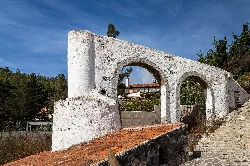
Stone arches of an old watermill in Vilaflor de Chasna.
Vilaflor de ChasnaSanta Cruz de Tenerife

What is the significance of the Molino de Vilaflor?

The Molino de Vilaflor, or water mill, is a historical structure that operated from 1644 until 1915. It represents the agricultural heritage of the region and showcases traditional methods of water management and milling, making it an interesting site for those exploring Vilaflor's history.

Molino de Vilaflor For visitors ›

SegoviaSegovia

What are the main attractions in Segovia?

Segovia is renowned for its historic landmarks, including the Roman aqueduct, the Segovia Cathedral, and the Alcázar. The aqueduct, built in the late 1st or early 2nd century AD, is a remarkable engineering feat. The Gothic cathedral, known as 'The Lady of Cathedrals,' is the last of its kind built in Spain. The Alcázar, a stunning fortress, is another must-see.

For visitors ›

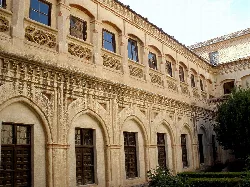
Cloister with arches and windows at the Segovia monastery.
SegoviaSegovia

What can you tell me about the Monastery of San Antonio el Real?

The Monastery of San Antonio el Real is notable for its beautiful cloister and historical significance. It was founded in the 15th century and showcases stunning architecture typical of the period. Visitors can explore its serene environment and appreciate the artistic details present in the structure.

Monastery of San Antonio el Real For visitors ›

CuéllarSegovia

What is the architecture like in Cuéllar?

Cuéllar boasts a variety of architectural styles, particularly Mudéjar, evident in churches like San Andrés and San Esteban. The town is also home to the historical walls, the Dukes of Alburquerque's Castle, and several gothic buildings, reflecting its rich history and artistic heritage.

For visitors ›

CuéllarSegovia

What is the main church in Cuéllar?

The main church in Cuéllar is San Martín Church, built in the Mudéjar style during the 14th century. It is located near the Dukes of Alburquerque's Castle and features a center for the interpretation of Mudéjar art, showcasing the town's rich architectural heritage.

San Martín Church For visitors ›

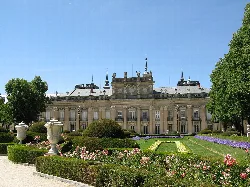
Royal palace with gardens and fountains in La Granja de San Ildefonso.
Real Sitio de San IldefonsoSegovia

What can I see at the Palacio Real de La Granja?

The Palacio Real de La Granja is renowned for its stunning gardens and impressive architecture. Visitors can explore the beautifully landscaped grounds, which feature fountains, sculptures, and a variety of plant species. Inside, the palace showcases opulent rooms with historical furnishings, reflecting the royal heritage of the site. It is a significant cultural landmark in Real Sitio de San Ildefonso.

Palacio Real de La Granja For visitors ›

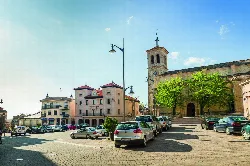
Square with buildings, cars, and a church tower in Cantalejo.
CantalejoSegovia

What can you tell me about the Plaza de España in Cantalejo?

Plaza de España is a central square in Cantalejo, featuring the Ayuntamiento (town hall) and surrounded by charming buildings. It's a gathering place for locals and visitors alike, often bustling with activity. The square reflects the town's historical architecture and serves as a focal point for community events and social gatherings.

Plaza de España For visitors ›

CantalejoSegovia

What historical landmarks should I visit in Cantalejo?

In addition to the Iglesia de San Andrés, visitors should explore the historical Plaza de España and the surrounding architecture. The remnants of ancient Roman settlements and local archaeological sites also offer insight into Cantalejo's rich history and development over the centuries.

For visitors ›

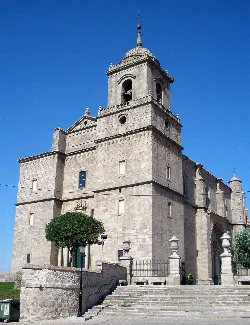
Church of San Sebastián with stone tower and façade in Villacastín.
VillacastínSegovia

What can you tell me about the Church of San Sebastián?

The Church of San Sebastián in Villacastín is an example of Herrerian architecture. Although attributed to Fray Antonio de Villacastín, it was initiated in 1529, making his authorship unlikely. The church took nearly a century to complete and reflects the town's historical significance during the height of its economic prosperity.

Church of San Sebastián For visitors ›