Sights

3,246 questions

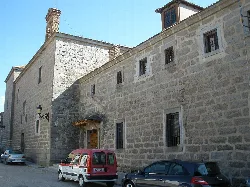
Stone facade of a monastery with small windows and parked cars.
VillacastínSegovia

What is the significance of the Monasterio de Nuestra Señora de los Ángeles?

The Monasterio de Nuestra Señora de los Ángeles, built in 1632, is a notable religious site in Villacastín. It is inhabited by nuns of the Order of Santa Clara and represents the town's historical commitment to religious life. The monastery adds to the cultural heritage of the area, showcasing its architectural style and spiritual importance.
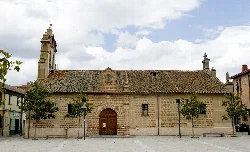
Monasterio de Nuestra Señora de los Ángeles For visitors ›

VillacastínSegovia

What architectural styles can be seen in Villacastín?

Villacastín features a mix of architectural styles, prominently including Herrerian architecture, as seen in the Church of San Sebastián. The town also showcases various historical buildings like the Casa de la Familia de La Torre and the Monasterio de Nuestra Señora de los Ángeles, reflecting its rich cultural heritage and history.

For visitors ›

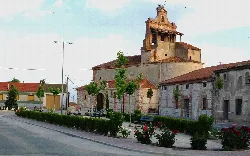
Front view of Santiago Apostle church with bell tower in Navas de Oro.
Navas de OroSegovia

What can you tell me about the Parroquia de Santiago Apóstol?

The Parroquia de Santiago Apóstol is a significant church in Navas de Oro, likely dating back to the 12th century. It underwent a complete transformation in the 18th century, adopting a Baroque style. The church features three naves and houses various important artworks, including a notable altarpiece from the early 18th century.

Parroquia de Santiago Apóstol For visitors ›

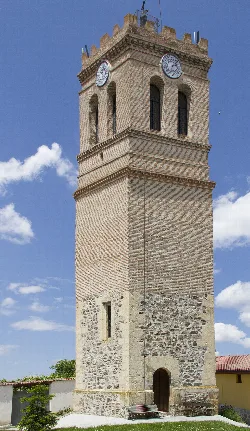
Clock tower of Navas de Oro with clock at the top and brick structure.
Navas de OroSegovia

What is the significance of the Torre del Reloj in Navas de Oro?

The Torre del Reloj is a notable landmark in Navas de Oro, showcasing a blend of historical architecture. Originally part of the old church, it features a Romanesque base and later additions in brick. The tower houses a clock installed in 1896, making it a charming symbol of the town's heritage.

Torre del Reloj For visitors ›

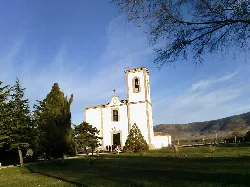
White church with tower and green trees against a blue sky.
TrescasasSegovia

What is the Iglesia de la Concepción in Trescasas?

Iglesia de la Concepción is a neoclassical church located in Trescasas, built under the orders of Carlos III. It was constructed to replace an older Romanesque church, which was repurposed as a cemetery. This church serves as the main parish for the town, symbolizing the historical connection between Trescasas and Sonsoto.

Iglesia de la Concepción For visitors ›

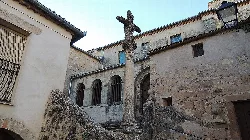
Stone crucifix in front of San Bartolomé church in Sepúlveda.
SepúlvedaSegovia

What can I see at the Iglesia de San Bartolomé?

The Iglesia de San Bartolomé is a beautiful Romanesque church from the 11th-12th centuries. It features a single nave with wooden ceilings and two chapels forming a crucero. Its stone tower is a notable architectural highlight, making it a significant landmark in Sepúlveda, showcasing the town's medieval heritage.

Iglesia de San Bartolomé For visitors ›

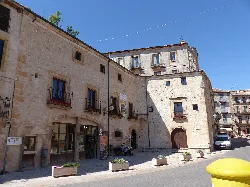
Stone building with small windows and an arched door in Sepúlveda.
SepúlvedaSegovia

What is the Casa del Conde de Sepúlveda?

The Casa del Conde de Sepúlveda is a historic palace known for its architectural beauty. It features a balcony with heraldic elements and various decorative details. This building reflects the town's noble heritage and is one of the many palatial homes in Sepúlveda.

Casa del Conde de Sepúlveda For visitors ›

SepúlvedaSegovia

What is the significance of the Virgen de la Peña?

The Virgen de la Peña is the patron saint of Sepúlveda, and her church is a notable Romanesque structure from the 12th century. The church features intricate architectural details and is a central part of local religious life, especially during the San Miguel festival on September 29.

Iglesia de la Virgen de la Peña For visitors ›

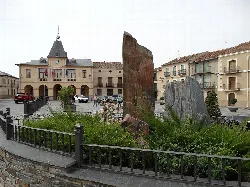
Main square of Bernardos with buildings and a slate monument.
BernardosSegovia

What can you tell me about the Plaza Mayor in Bernardos?

The Plaza Mayor is a central square in Bernardos featuring the Town Hall and a monument dedicated to slate, reflecting the town's historical connection to slate mining. This square serves as a gathering place for locals and visitors, showcasing the architectural style of the 19th century. It's a great spot to experience the local culture and community events.

Plaza Mayor For visitors ›

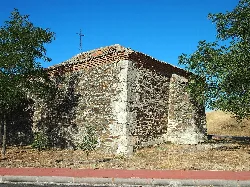
Humilladero hermitage in Bernardos, rear view with stone walls and tiled roof.
BernardosSegovia

What is the significance of the Ermita del Humilladero in Bernardos?

The Ermita del Humilladero is a rectangular building constructed from masonry, located at the town's exit towards Armuña. It features two stone entrances and is known for its semi-abandoned state. This hermitage adds to the cultural landscape of Bernardos, reflecting the town's religious heritage.

Ermita del Humilladero For visitors ›

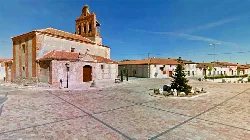
Main square of Martín Muñoz de la Dehesa with church and trees.
Martín Muñoz de la DehesaSegovia

What can you tell me about the Plaza Mayor in Martín Muñoz de la Dehesa?

The Plaza Mayor in Martín Muñoz de la Dehesa is a central gathering place that showcases the charm of this small municipality. It features traditional architecture and provides a serene atmosphere for locals and visitors alike. The plaza is often a focal point for community events and celebrations, making it an essential part of the town's social life.

Plaza Mayor For visitors ›

Old church in a square with trees and benches in Martín Muñoz de la Dehesa.
Martín Muñoz de la DehesaSegovia

What styles can I see in the Church of Our Lady of the Assumption?

The Church of Our Lady of the Assumption showcases a mix of architectural styles. It features Romanesque elements from the 12th century, Mudéjar styles from the 14th and 15th centuries, and Baroque additions from the 17th and 18th centuries. This blend makes the church unique, reflecting the historical evolution of the region's architecture.

Iglesia de Nuestra Señora de la Asunción del Castillo For visitors ›

Lastras de CuéllarSegovia

What is the significance of the church of Santa María Magdalena?

The church of Santa María Magdalena is a central landmark in Lastras de Cuéllar, featuring a single nave adorned with Baroque plasterwork. It serves as a vital place for local worship and community gatherings, reflecting the town's historical and cultural identity.

Santa María Magdalena For visitors ›

Laguna de ContrerasSegovia

What are the main attractions in Laguna de Contreras?

Key attractions in Laguna de Contreras include the Iglesia parroquial de Nuestra Señora de la Asunción and the historic Palacio de los Contreras. The village also features a medieval bridge over the Duratón River, which adds to its architectural charm. Nature lovers can enjoy the surrounding landscapes filled with oaks and poplars.

For visitors ›

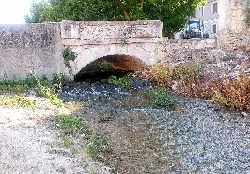
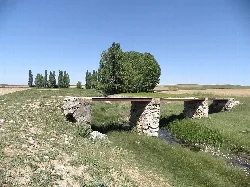
Stone bridge over a stream with vegetation and flowing water.
Laguna de ContrerasSegovia

What is the bridge over the Arroyo de la Hoz?

The bridge over the Arroyo de la Hoz is a notable historical structure in Laguna de Contreras. It represents the region's architectural heritage and serves as a picturesque spot for visitors. The bridge is a reminder of the area's historical significance and its connection to local agriculture and trade.

Puente sobre el arroyo de la Hoz For visitors ›

CaballarSegovia

What are the main architectural features in Caballar?

Caballar features traditional architecture with stone masonry, particularly notable in its 18th-century buildings. The town's layout includes narrow streets and houses adapted to the terrain, giving it a unique character. Key structures include the church of the Assumption and various traditional houses that reflect the local building styles.

For visitors ›

Melque de CercosSegovia

What is the significance of the Iglesia de Santa María in Melque de Cercos?

The Iglesia de Santa María, also known as the old church, is a notable example of romanic-mudéjar architecture. It was modified in the 17th century to include a baroque section, which remains unfinished. Declared a cultural heritage site in 1984, it now serves as a multi-purpose space for cultural activities.

Iglesia de Santa María For visitors ›

Melque de CercosSegovia

What are the main features of the Iglesia parroquial de San Esteban?

The Iglesia parroquial de San Esteban is an 18th-century building characterized by a single nave and a square presbytery. Its construction is primarily of masonry with brick corners, and it features a low tower. Inside, a notable highlight is the baptismal font, adorned with floral carvings, and a baroque altarpiece.

Iglesia parroquial de San Esteban For visitors ›

Stone bridge with three arches over a river, surrounded by vegetation and trees.
Melque de CercosSegovia

What is the Puente Viejo in Melque de Cercos?

The Puente Viejo, or Old Bridge, is a historical structure in Melque de Cercos. It exemplifies traditional architecture and serves as a reminder of the village's past. The bridge is set against a scenic backdrop, making it a picturesque spot for visitors interested in local history and architecture.

Puente Viejo For visitors ›

Melque de CercosSegovia

What is the significance of the Fuente Pelencha?

The Fuente Pelencha is a traditional water source located near the village. It features a square basin under a four-faced shelter, showcasing 18th-century architectural styles. This fountain not only served practical purposes but also reflects the historical significance of water sources in rural communities.

Fuente Pelencha For visitors ›

SevilleSeville

What are some must-see sights in Seville?

Seville is home to several UNESCO World Heritage Sites, including the Alcázar palace complex, the Cathedral, and the General Archive of the Indies. The Plaza de España and the Metropol Parasol, known as Las Setas, are also popular attractions, showcasing the city's rich history and modern architecture.

For visitors ›

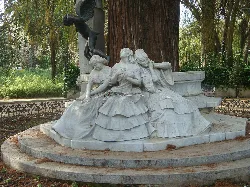
Sculpture of three women on a bench in Seville park.
SevilleSeville

What is the Glorieta de Bécquer?

The Glorieta de Bécquer is a beautiful monument located in Parque María Luisa, dedicated to the Spanish poet Gustavo Adolfo Bécquer. The area is known for its serene atmosphere, making it a popular spot for locals and visitors to relax and enjoy nature.

Glorieta de Bécquer For visitors ›

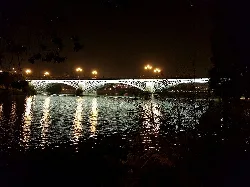
Iron bridge over the Guadalquivir River in Seville at night with lights.
SevilleSeville

What is the significance of the Puente de Isabel II?

The Puente de Isabel II, also known as the Triana Bridge, is an iconic iron bridge in Seville that connects the city center with the Triana neighborhood. Completed in 1852, it is a symbol of the city's industrial heritage and offers stunning views of the Guadalquivir River.

Puente de Isabel II For visitors ›

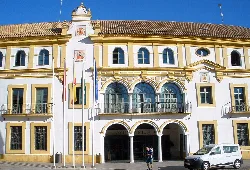
Town hall building with flags in the main square.
Dos HermanasSeville

What is the Ayuntamiento de Dos Hermanas?

The Ayuntamiento de Dos Hermanas is the town hall located in the Plaza de la Constitución. It serves as the administrative center for the municipality, housing various local government offices. The building is notable for its architectural style and is a key landmark in the city, reflecting the local governance and community activities.

Ayuntamiento de Dos Hermanas For visitors ›