What are the main historical sites to visit in Llíria?
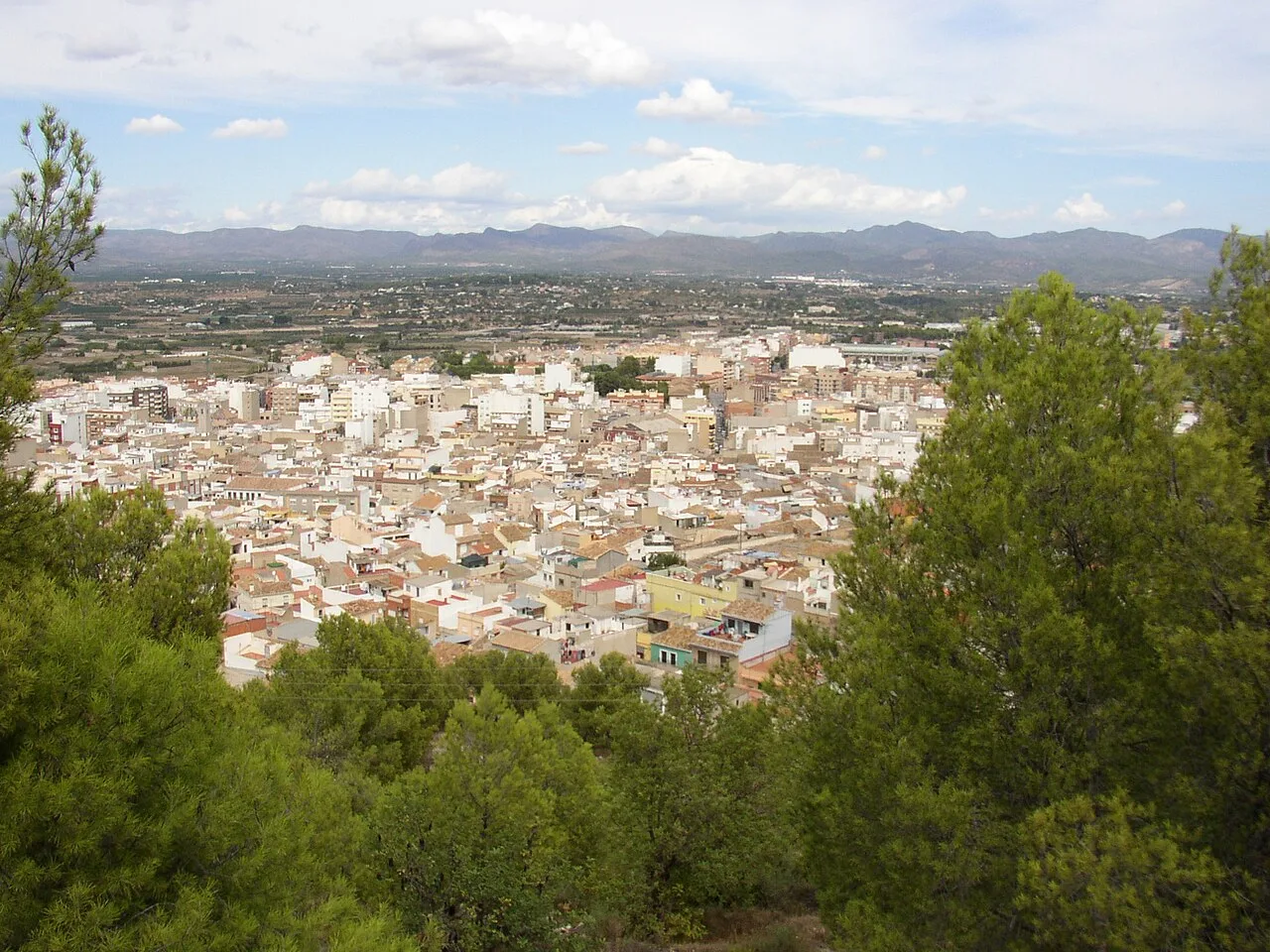
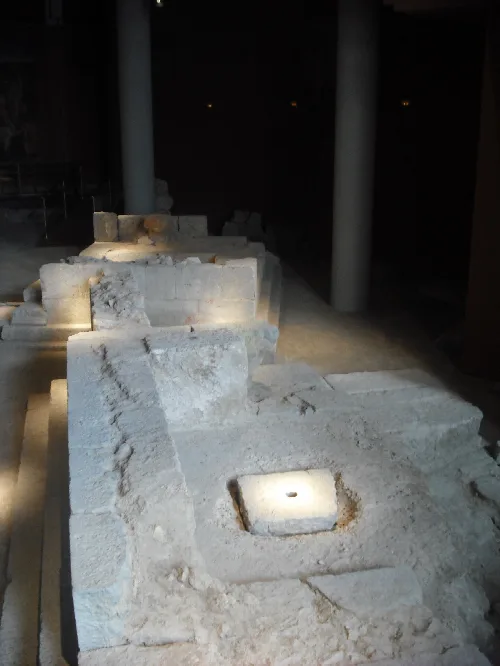
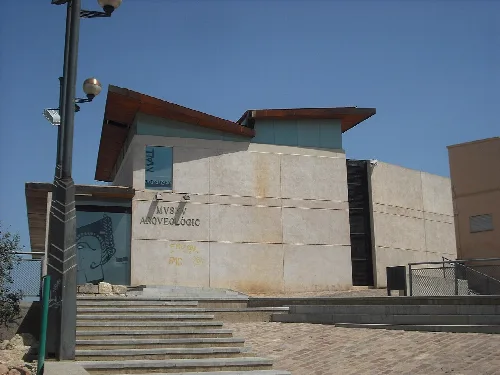
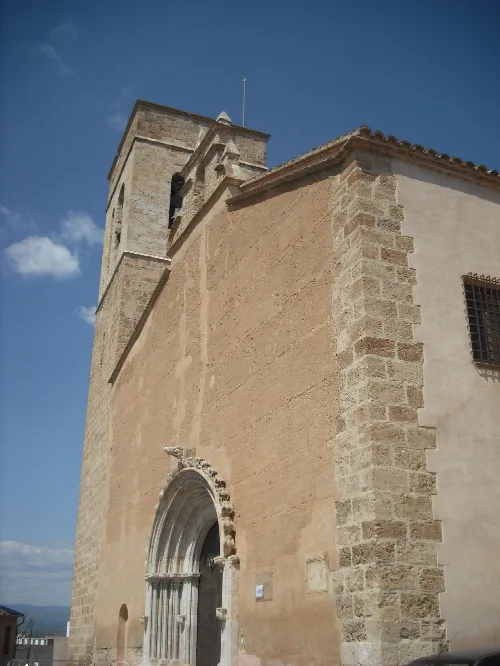
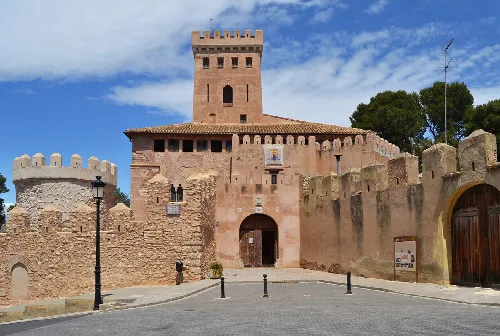
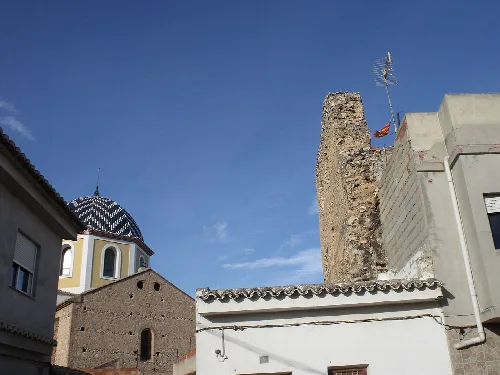
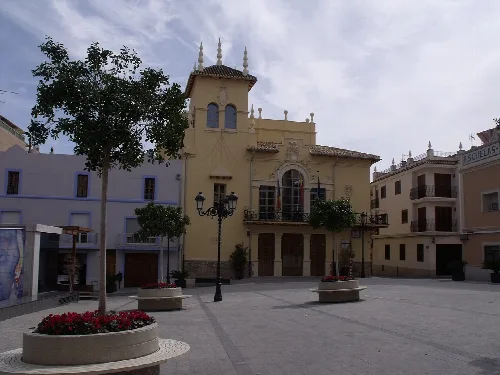
Llíria is rich in historical sites, including the ancient Iberian city of Edeta at the Tosal de San Miguel, the Roman mausoleums, and the impressive Roman baths of Mura. The church of Santa María de la Sangre also showcases a blend of Romanesque and Gothic architecture. These sites highlight Llíria's significance from the Bronze Age through the Roman period.
Sights
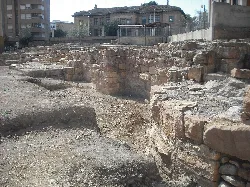
What is the significance of the Termas de Mura in Llíria?
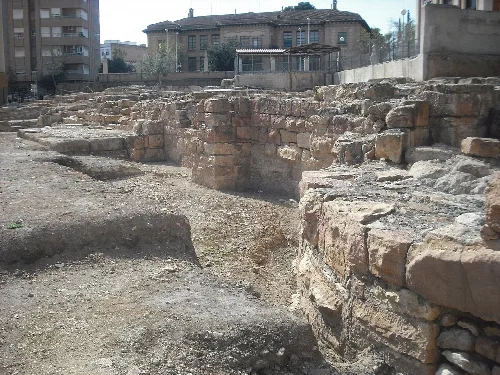
The Termas de Mura are a significant archaeological site in Llíria, dating back to the 1st century AD. They were used as a Roman bath complex and later converted into a Christian monastery during the Visigothic period. The site features impressive architecture and showcases the historical importance of Llíria during the Roman era.
History
Termas de Mura
What can you tell me about the music scene in Llíria?
Llíria is recognized as a 'City of Music' by UNESCO, largely due to its two prominent musical societies: the Ateneo Musical and the Unión Musical. These institutions have contributed to the town's rich musical heritage, producing talented musicians and hosting various music events throughout the year.
Festivals & events
How do I get to Llíria from Valencia?
You can reach Llíria from Valencia via the MetroValencia Line 2, which connects to Llíria station. The journey offers a convenient way to explore this historic town while enjoying the scenic views along the route. Additionally, several bus lines operate between Valencia and Llíria, providing more options for travelers.
Getting there
What are the natural areas around Llíria?
Llíria is surrounded by beautiful natural areas, including three notable sites: La Buitrera, Coto de Català, and Coto de Izquierdo. These areas feature Mediterranean flora and fauna and offer opportunities for outdoor activities like hiking and exploring the local landscape.
Nature
What is the history behind the name Llíria?
The name Llíria derives from the Arabic 'Lyria,' reflecting both its Iberian roots and the influence of Arab culture in the region. Historically, it was known as a significant Islamic medina before being repopulated by Christians after the Reconquista in the 13th century.
History
For residents
Are there any local festivals in Llíria?
Llíria hosts several local festivals throughout the year, celebrating its rich cultural heritage. Notably, the Festival of San Miguel in September features music, parades, and traditional activities. The town also celebrates its patron saint, Nuestra Señora de la Asunción, with various events that attract both locals and visitors.
Festivals & events
What types of food can I find in Llíria?
Llíria offers a variety of traditional Valencian cuisine, including dishes like paella, fideuà, and various tapas. Local markets provide fresh produce, and many restaurants serve regional specialties, making it a great place to experience authentic Valencian flavors.
Food & drink
What is the population of Llíria?
As of 2025, Llíria has a population of approximately 25,333 residents. The town has seen demographic growth in recent decades, reflecting its appeal as a residential area within the Valencia metropolitan region.
Living there
For residents
What are the main industries in Llíria?
Llíria's economy has shifted from traditional agriculture to a more modern industrial base. Key sectors include agriculture, particularly irrigated crops, and manufacturing, with a focus on textiles and construction materials. This diversification has supported local employment and economic growth.
Living there
For residents
 espana.net