What is the history behind La Pobla de Vallbona?
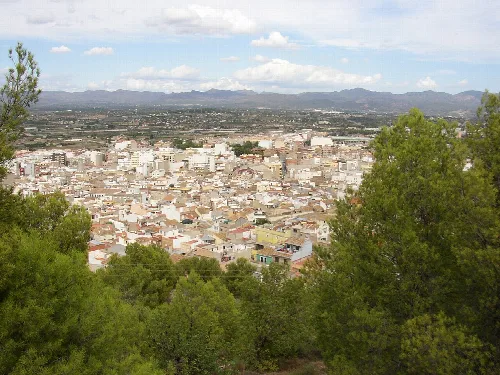
La Pobla de Vallbona was founded shortly after the Christian conquest in the 13th century, on land that was part of the Muslim village of Benaguacil. It was populated entirely by Christians to counter the Muslim majority in surrounding areas. By the late 16th century, it had around 150 families, but its population fluctuated due to historical events, including the expulsion of Moriscos in 1609.
History
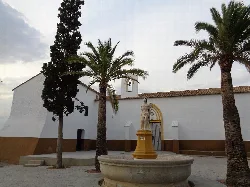
What can you tell me about the Ermita de San Sebastián?
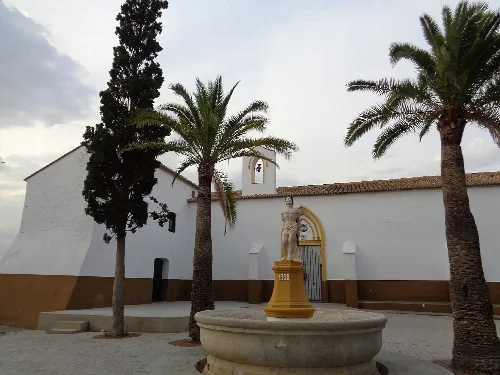
The Ermita de San Sebastián is located near the Calvario in La Pobla de Vallbona. It features a Gothic pulpit and overlooks a plaza with a fountain that has a statue of San Sebastián. This site is recognized as a local heritage site, reflecting its cultural significance in the community.
Sights
Ermita de San Sebastián
How do I get to La Pobla de Vallbona from Valencia?
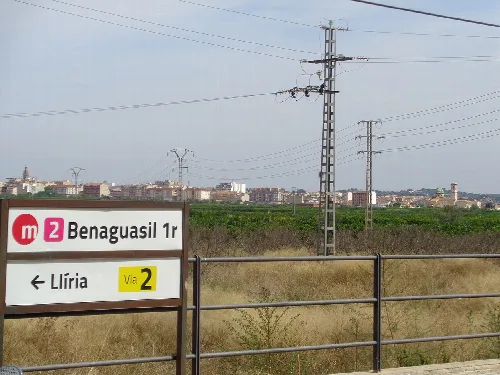
You can reach La Pobla de Vallbona from Valencia via the CV-35 highway, which connects the municipality directly to the city. Additionally, there are interurban bus lines operated by MetroBús that service this route, making it accessible for visitors and residents alike.
Getting there
What are the main festivals celebrated in La Pobla de Vallbona?
La Pobla de Vallbona hosts several notable festivals, including the San Sebastián festivities on January 20-21, the Virgen del Rosario on October 6-7, and the Fallas from March 12-19. Each festival features unique traditions, processions, and celebrations, showcasing the local culture and community spirit.
Festivals & events
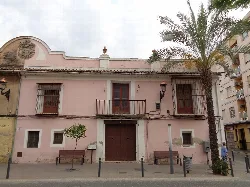
What is the significance of the Casa Bernal?
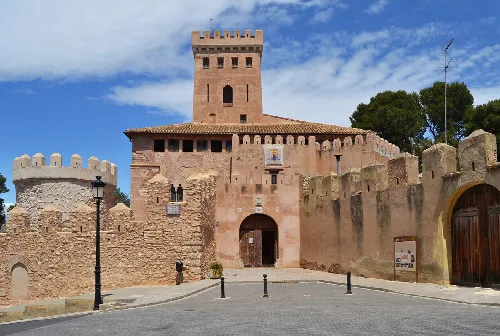
The Casa Bernal is a historic building in La Pobla de Vallbona, originally a Roman villa that evolved through various phases, including an Arab farmhouse and a Christian manor. It reflects the architectural and cultural history of the area, making it a significant local heritage site.
History
Casa Bernal
What kind of nature can I expect in La Pobla de Vallbona?
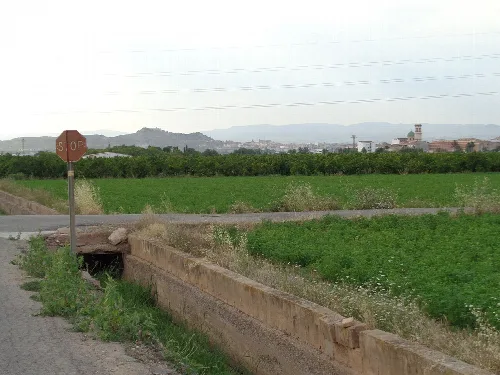
La Pobla de Vallbona features a mix of agricultural land and natural landscapes, primarily shaped by the Turia River and its irrigation systems. The area is known for its fertile plains, which support the cultivation of citrus fruits and vegetables, contributing to the region's agricultural economy.
Nature
What are the main economic activities in La Pobla de Vallbona?
The economy of La Pobla de Vallbona is diverse, with agriculture playing a significant role, particularly in citrus and vegetable production. Additionally, the industrial sector, especially microelectronics, employs a considerable portion of the population, along with a growing service sector that supports local businesses.
Living there
For residents
What is the Casa Gran used for?
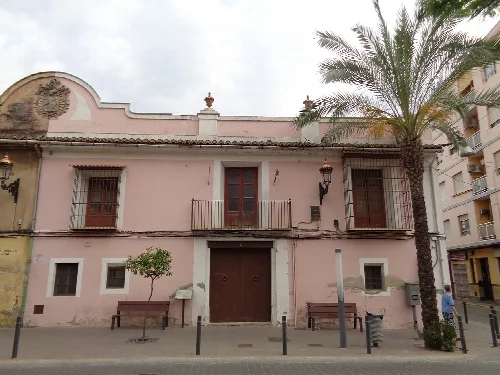
The Casa Gran, or Casa Grande, is a municipal building in La Pobla de Vallbona that has been rehabilitated to serve as an Ethnological Museum. It showcases traditional activities and cultural heritage, providing insights into the local history and lifestyle.
Sights
Casa Gran
Can you tell me about the local transportation options?
La Pobla de Vallbona offers various transportation options, including the CV-35 highway for road access and interurban bus lines connecting to Valencia. The municipality also has urban bus services that facilitate travel within the town, making it convenient for residents and visitors.
Practical
For residents
What are the highlights of the Semana Cultural?
The Semana Cultural in La Pobla de Vallbona, held from August 1 to 15, features a range of cultural activities such as exhibitions, theater performances, medieval markets, and workshops. This event aims to celebrate and promote local culture, engaging the community in diverse artistic expressions.
Festivals & events
 espana.net