What can you tell me about the history of Manises?
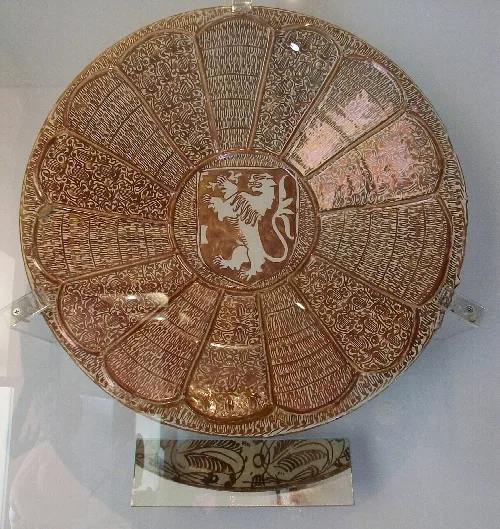
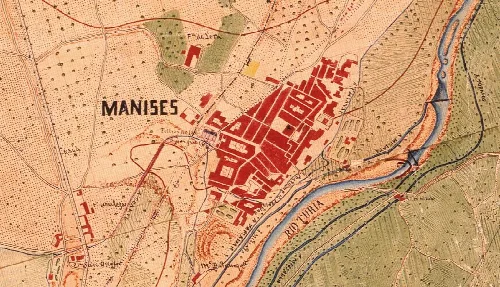
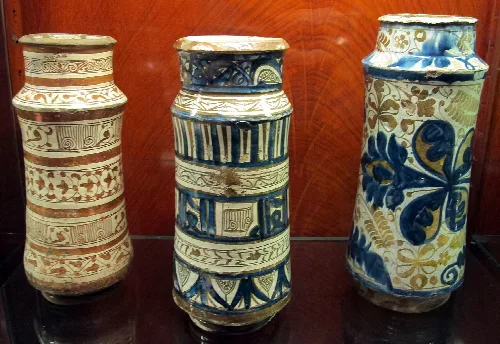
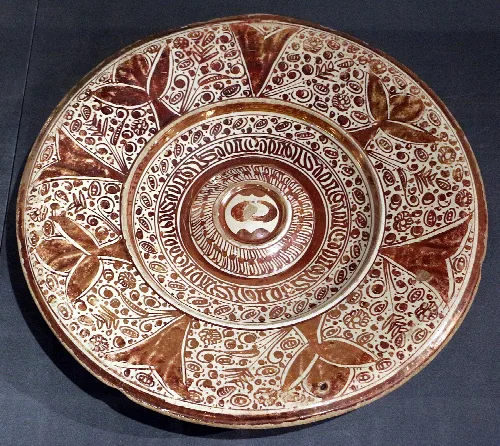
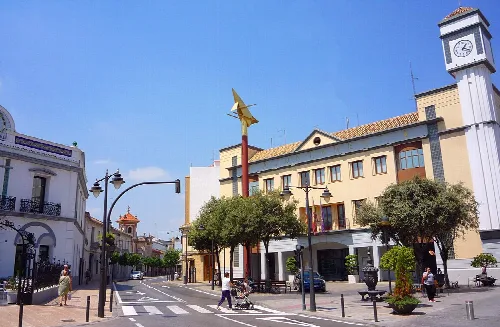
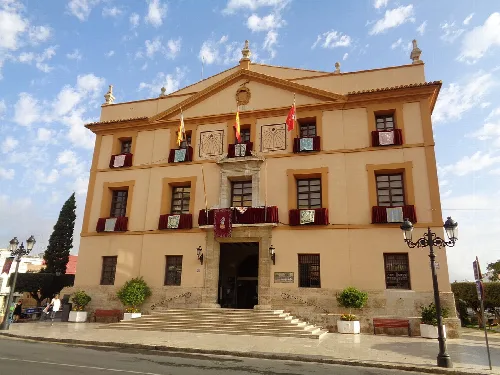
Manises has a rich history, recognized as a Historic and Laborious City since 1924. It was known for its ceramic industry, which flourished from the Middle Ages, especially during the 14th and 15th centuries. The city was granted to Artal de Luna by Jaime I in 1238, marking its significance in the region. Its industrial growth in the 19th century led to a population boom, tripling its inhabitants.
History
What is the significance of the Acueducto Els Arcs in Manises?
The Acueducto Els Arcs is an important cultural heritage site in Manises, originally built to transport water from the Quart irrigation channel. Its construction likely dates back to the Muslim period. The aqueduct features 28 arches and has been adapted for modern use, showcasing stunning stalactite formations due to water filtration, making it a remarkable sight.
History
Acueducto Els Arcs
What are the main attractions in Manises?
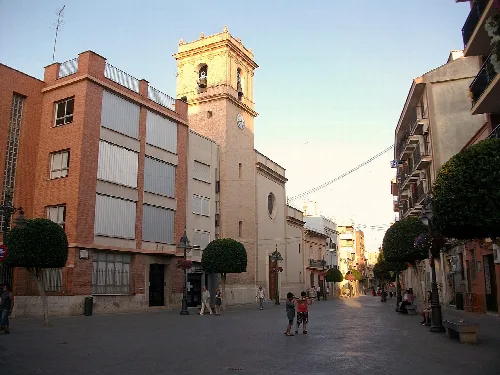
Manises is known for its rich ceramic heritage, highlighted at the Museo de Cerámica, which showcases historical pieces and contemporary works. The Iglesia Parroquial de San Juan Bautista, built between 1734 and 1751, is another significant landmark. Additionally, the Acueducto Els Arcs offers a glimpse into the town's historical infrastructure.
Sights
Can you tell me about the Semana Santa Manisera celebrations?
Semana Santa Manisera features four brotherhoods organizing religious processions and events. Key highlights include the Solemn Procession of the Holy Burial on Good Friday and the Glorious Encounter on Easter Sunday. The oldest brotherhood dates back to 1930, showcasing a rich tradition of community involvement in these sacred celebrations.
Festivals & events
What is the climate like in Manises?
Manises has a semi-arid cold climate, characterized by mild summers and colder winters. Average winter temperatures can drop to 4.7°C, with occasional frost, while summer averages around 24.8°C, reaching up to 35°C. Rainfall is about 427 mm annually, with September being the wettest month and July the driest.
Nature
What is the significance of the Museo de Cerámica in Manises?
The Museo de Cerámica, inaugurated in 1969, plays a crucial role in preserving and showcasing the town's rich ceramic heritage. It features collections of historical tiles and contemporary ceramic art, reflecting the evolution of this craft in Manises. The museum also hosts educational programs and exhibitions, promoting the art of ceramics.
Sights
Museo de Cerámica
How is the public transportation system in Manises?
Manises is well-connected by public transport, including several MetroBús lines that link it to Valencia and nearby towns. The local bus service operates multiple routes, and the Metrovalencia system provides access to various stations within the municipality, making it easy for residents and visitors to navigate the area.
Practical
For residents
What are the traditional foods of Manises?
Manises boasts a variety of traditional Valencian dishes, with a focus on rice-based meals, such as paella. Local specialties often include fresh produce from the surrounding agricultural areas, emphasizing seasonal ingredients. The town's culinary scene is enriched by its cultural heritage and proximity to Valencia's diverse gastronomy.
Food & drink
What is La Mallá festival in Manises?
La Mallá festival takes place on the last weekend of July, featuring community-organized events like costume parades, concerts, and children's activities. Residents form groups called Peñas, each with unique names, contributing to the festive atmosphere. The festival emphasizes local culture and community spirit, with street names reflecting nature.
Festivals & events
What is the population of Manises?
As of 2025, Manises has a population of 32,609 residents. The town has seen significant demographic changes over the years, particularly due to its industrial growth in the 19th and 20th centuries, which tripled its population during that time. Today, it remains a vibrant community within the Valencian Community.
Living there
For residents
 espana.net