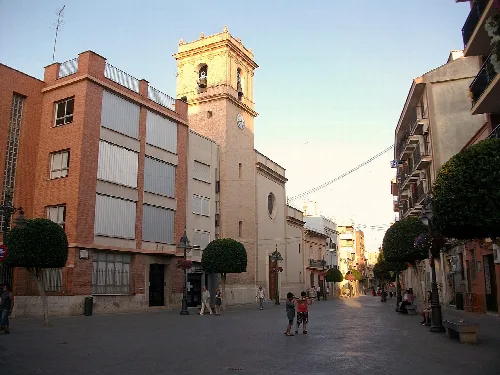
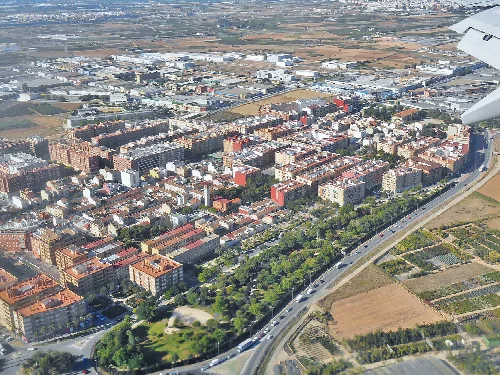
Paterna is a municipality and city located in the province of Valencia, within the Valencian Community of Spain. Known for its rich history and diverse industrial sector, it features a blend of modern urban life and historical heritage.
02Geography
Paterna is situated northeast of the comarca of L'Horta de València, approximately 5 kilometers northwest of Valencia's inland suburbs. The municipality is positioned on the left bank of the Turia River and enjoys a dry Mediterranean climate, characterized by hot summers and mild winters.
Average annual rainfall
400 mm
Average temperature range
5 °C to 32 °C
Summer temperature peaks
above 40 °C
03History
Paterna's history dates back to the Neolithic and Bronze Ages, with evidence of early human settlements. The town's name is believed to derive from the Latin 'Paternus,' indicating a connection to familial land ownership. Over centuries, Paterna evolved through Roman, Moorish, and later periods, significantly impacting its demographic and economic landscape.
Neolithic and Bronze Age settlements
Roman villa ruins discovered in 2009
Moorish pottery and agriculture development
Peaceful entry of King James I in 1237
Massacre of Republican prisoners post-Civil War
Paterna is a city in Valencia, known for its rich history, ceramics, and vibrant festivals.
04Economy and Industry
The economy of Paterna is diverse, with the service sector leading at 56% of economic activity. The municipality is home to several industrial parks, including Fuente del Jarro and Parque Tecnológico, which support a variety of industries such as food, textiles, and ceramics.
Service sector contribution
56%
Industrial sector contribution
33.2%
Agricultural sector contribution
1%
Number of industrial activities
1,101
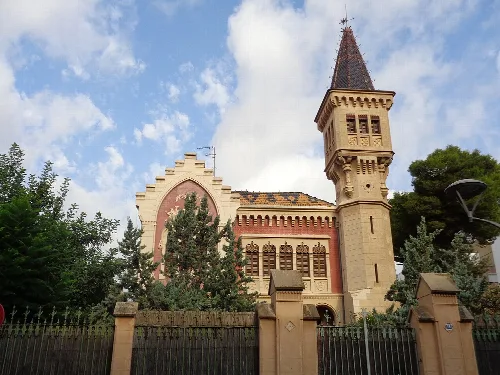
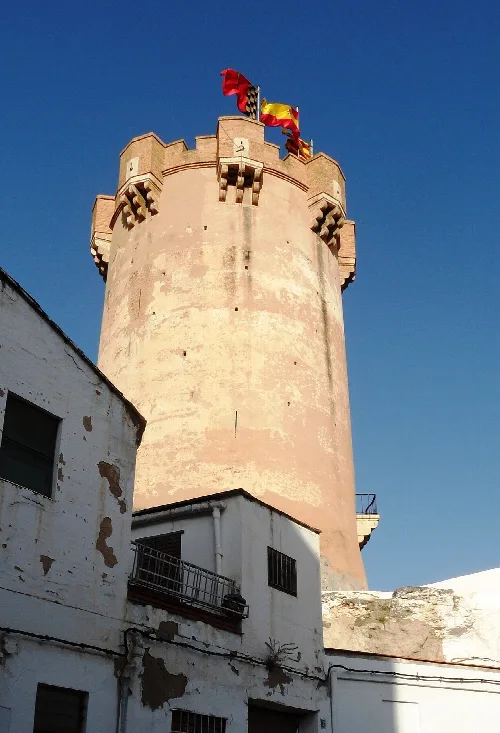
House designed by architect Manuel Cortina in Paterna, featuring a tower and Gothic details.Paterna tower with flags at the top, seen from below with old buildings in the foreground.
05Cultural Heritage and Festivals
Paterna boasts a rich cultural heritage, highlighted by its ceramics, historical buildings, and vibrant festivals. The town hosts significant events such as Falles and the Moors and Christians festival, which features impressive pyrotechnic displays.
Falles festival held in March
Moors and Christians festival culminates last Sunday of August
La Cordà event pyrotechnic display with 50,000 rockets
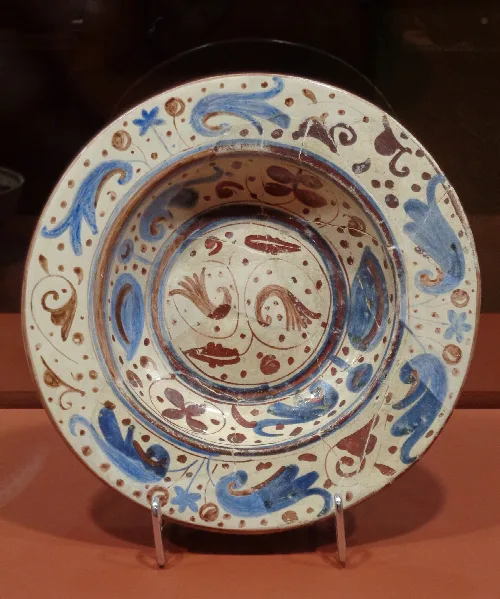
Ceramics Museum hosts important collections of local pottery
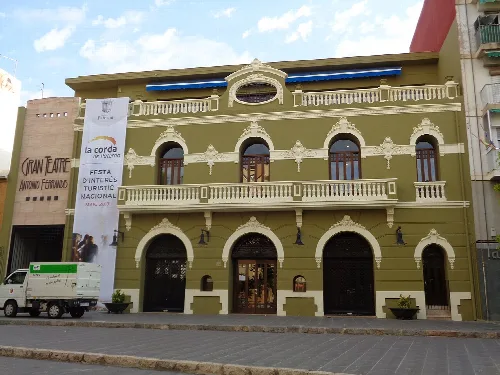
Antonio Ferrandis Grand Theatre cultural venue for performances
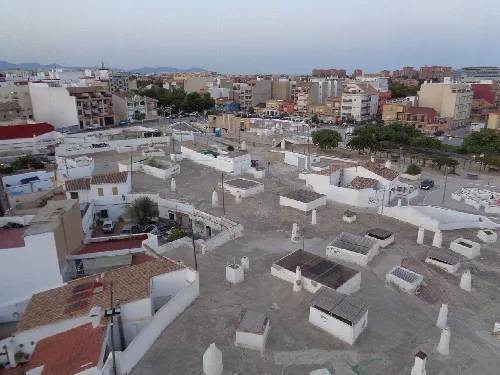
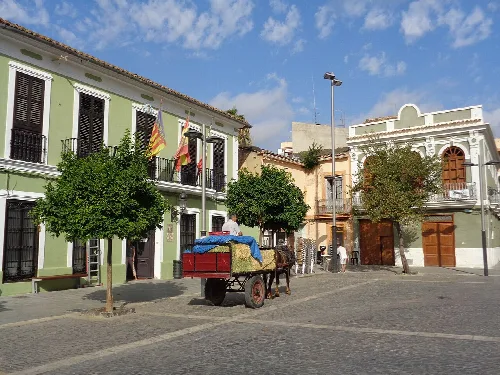
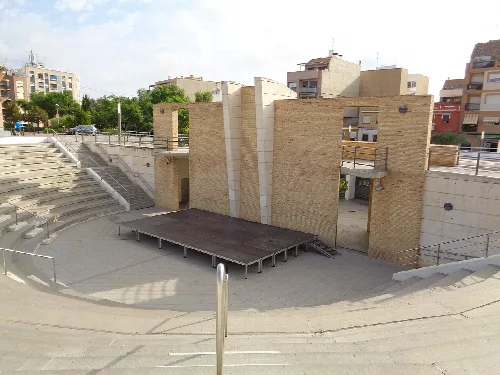
Views from the terrace of the Paterna tower, with buildings and rooftops in the foreground and the city in the background.Plaça del Poble de Paterna with historic buildings and a cart in the center.Large blue and gold decorated plate with leaves, stems, grass and flowers from the 15th-16th century at the Paterna Municipal Ceramics Museum.La Cova Gran cultural space in Paterna, featuring a stage and modern brick structure.The Gran Teatre Antonio Ferrandis in Paterna, featuring a classic style facade and a promotional banner on the left.
Frequently asked questions
What is the Palau dels Comtes de Villapaterna?
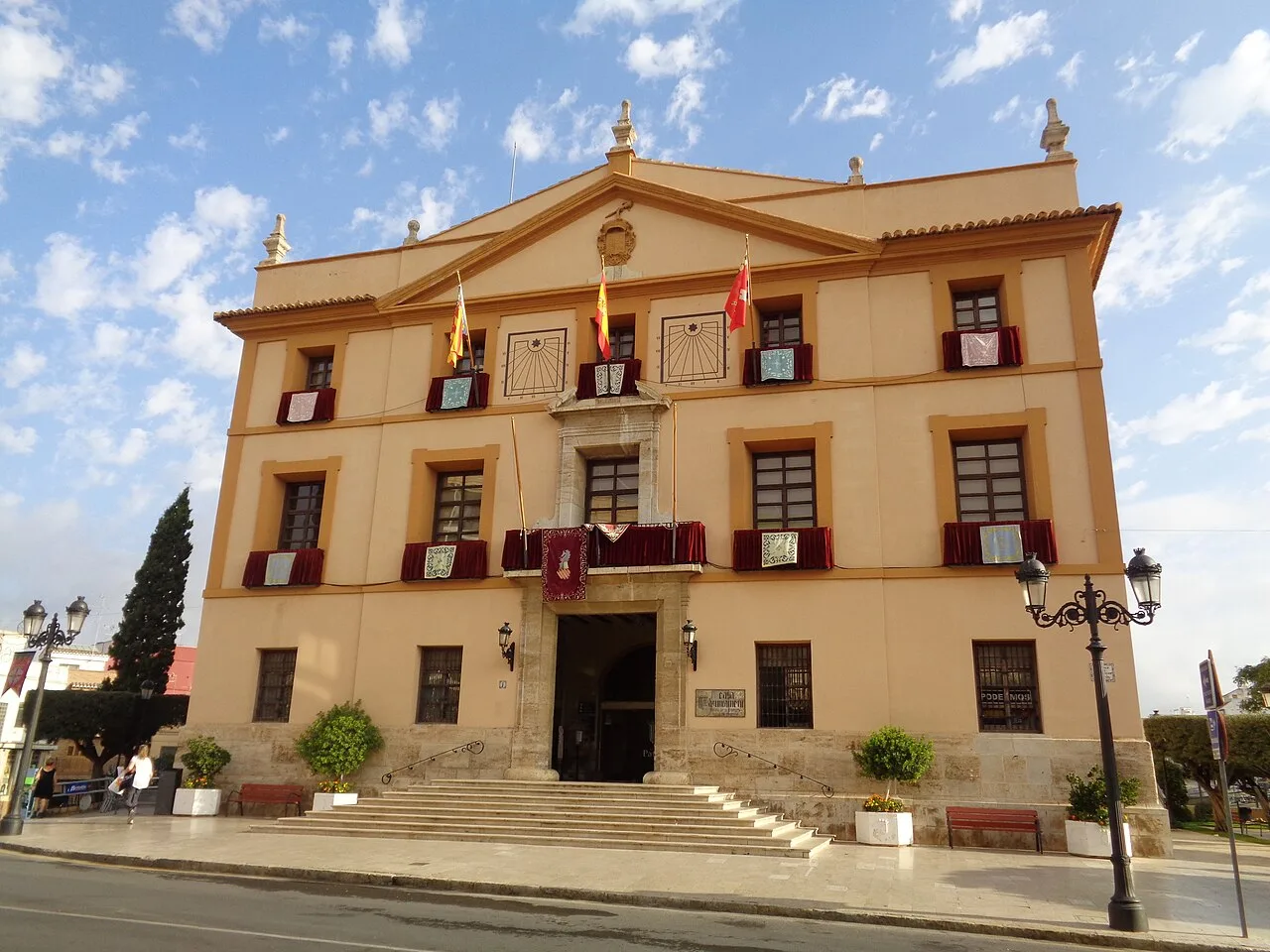
The Palau dels Comtes de Villapaterna is a lordly palace built in 1760 by the Counts of Villapaterna. It now serves as the town hall of Paterna, having been acquired by the city council in 1983. Its architecture reflects the historical significance of the area and is a notable landmark in the municipality.
The Torre de Paterna is a cylindrical tower of Arab origin, standing at 19.5 meters tall. It was strategically built for defense and offers excellent visibility of the surrounding area. Its historical significance and architectural features make it a prominent landmark in Paterna.
From the Torre de Paterna, visitors can enjoy panoramic views of the surrounding area, including the urban landscape and nearby hills. The vantage point provides a unique perspective of Paterna and its surroundings, making it a popular spot for photography and sightseeing.
Paterna has a dry Mediterranean climate characterized by hot summers and mild winters. Average annual rainfall is around 400 mm, with temperatures ranging from a low of 5 °C in January to highs of 32 °C in August, often exceeding 40 °C during summer peaks.
Paterna celebrates several festivals, with Falles in March being one of the most notable. Another significant event is the Moors and Christians festival, culminating in La Cordà, a spectacular pyrotechnic event held in August, featuring thousands of rockets and various cultural activities.
Paterna has a rich history of ceramic production, especially during the Middle Ages and Renaissance. It was known for its distinctive pieces, including socarrats, used for decorative purposes. The local ceramics museum showcases this heritage, highlighting the town's artistic contributions.
Paterna has a well-developed public transportation system, including a municipal bus network with 10 lines connecting neighborhoods and industrial parks. Additionally, the Valencia Metro offers convenient access to various parts of the city, making it easy to navigate the area.
The economy of Paterna is diverse, with the service sector representing 56% of economic activity. Industry accounts for 33.2%, focusing on sectors like food, textiles, and chemicals. The creation of industrial parks has significantly contributed to the local economy and employment opportunities.
What is the history of Paterna's population growth?
Paterna's population has seen significant growth, particularly between 1950 and 1970, due to the establishment of the Polígono Fuente del Jarro industrial area. This influx of immigrants led to a tripling of the population, with continued growth driven by new residential developments.
A cachap is a traditional sweet pastry from Paterna, filled with a special cream typical of the region. It reflects the local culinary heritage and is often enjoyed alongside other traditional dishes like paella and various rice preparations.
 espana.net