What is the history behind the name Rocafort?
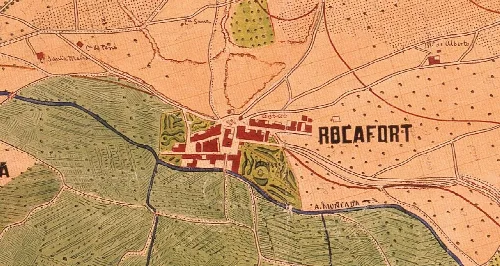
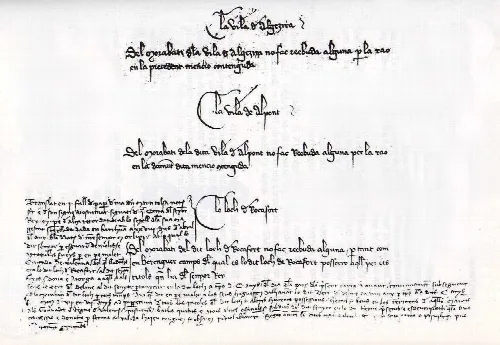
The name Rocafort has a geographic origin, referring to the original settlement on a small rock above the surrounding orchards. It likely derives from the Latin 'rocea forte'. The first mention of the name dates back to 1415 in a document called Document del Morabetí, and it has not changed significantly since then.
History
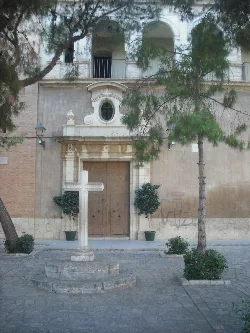
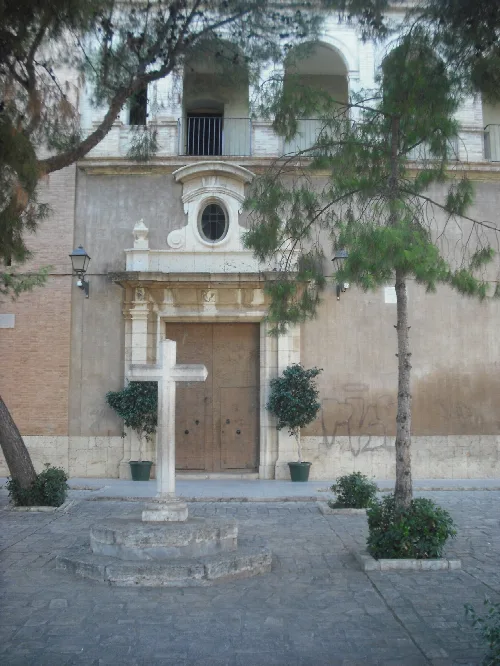
What can you tell me about the Iglesia parroquial de San Sebastián?
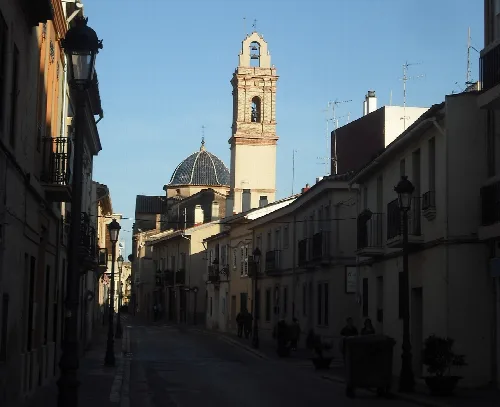
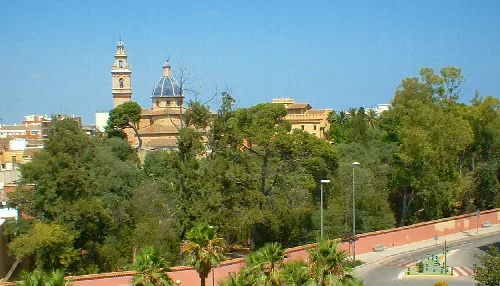
The Iglesia parroquial de San Sebastián was originally an eremitical chapel ceded to Augustinian monks in 1434. The current structure dates to the late 17th century, expanded in 1902. It features a bell tower and a single nave with chapels, hosting both religious services and cultural events like classical music concerts.
Sights
Iglesia parroquial de San Sebastián
What are the main festivals celebrated in Rocafort?
Rocafort celebrates its patronal festivals at the end of August in honor of several saints, including San Agustín and the Virgen del Consuelo. Additionally, the town participates in the Fallas festival, with two committees: 'La Unió' and 'La Nova', the latter established in 2017.
Festivals & events
What is the significance of Villa Amparo in Rocafort?
Villa Amparo is notable as the residence of poet Antonio Machado from 1936 to 1938. During his stay, he wrote many poems dedicated to the Republic. The villa is now recognized with a plaque commemorating Machado's time there, reflecting its cultural importance.
History
Villa Amparo
How does Rocafort's economy function?
Rocafort's economy is predominantly tertiary, with 75% of residents employed in the service sector. Agriculture plays a minimal role, with only 1% of the workforce involved in it. The town is known for its high average income, driven by its residential areas and service-based economy.
Living there
For residents
What are the main transportation options in Rocafort?
Rocafort is traversed by the CV-310 road, linking it to nearby areas. It has a Metrovalencia station on Line 1, connecting it to Godella and Massarojos. While no EMT Valencia buses pass directly through, nearby lines 26 and 63 service the area.
Getting there
What kind of sports facilities are available in Rocafort?
Rocafort features a municipal sports complex with various facilities, including tennis courts, a multi-purpose pitch, and a swimming pool. Access is free for both residents and visitors. The complex hosts a sports week in July and various events, including a cycling race during the town's festivities.
Nature
For residents
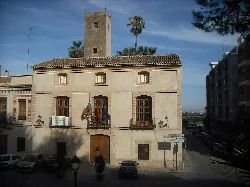
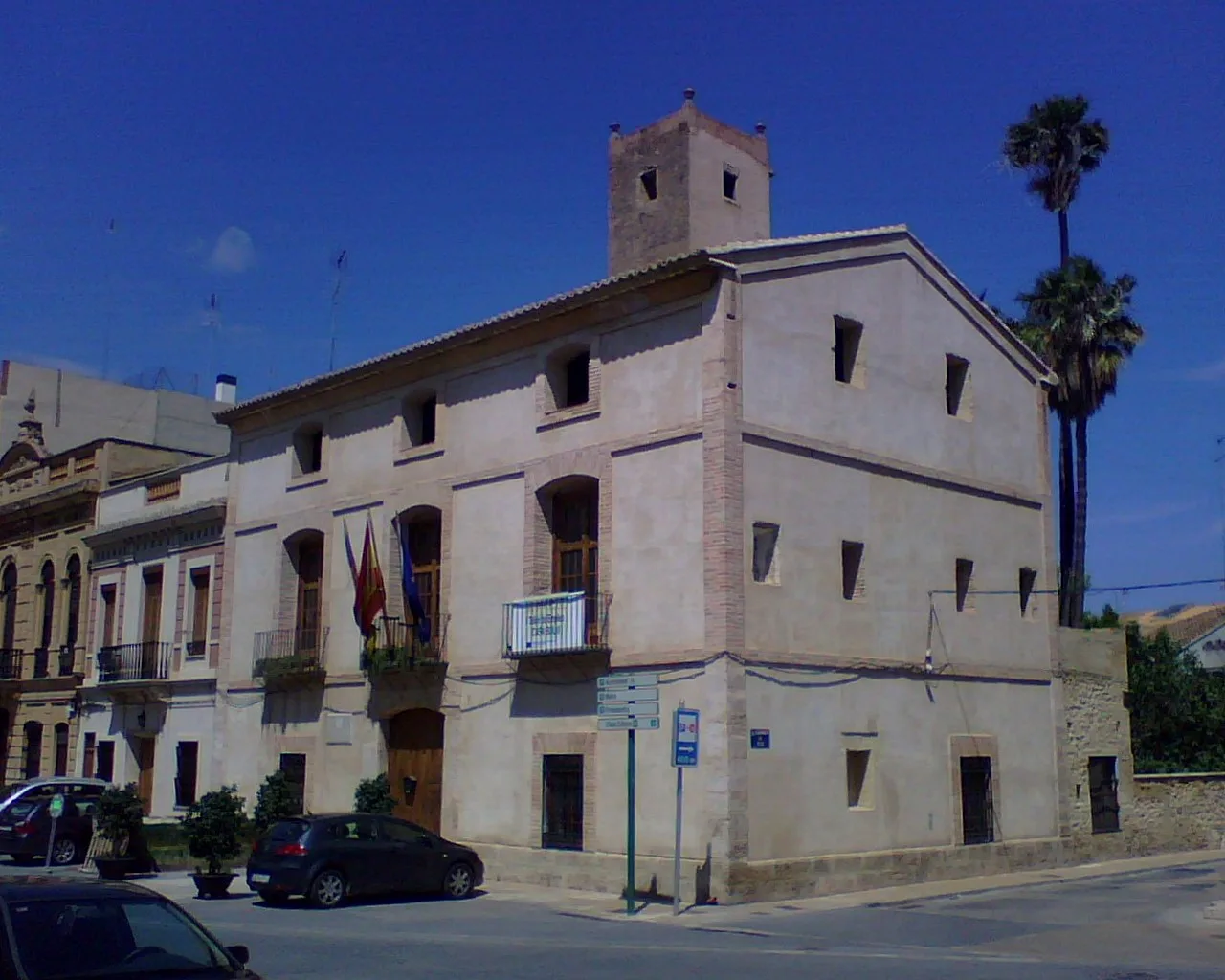
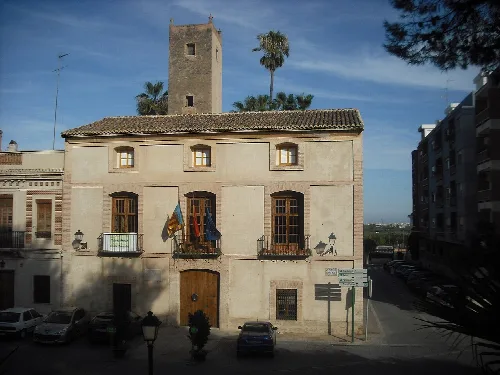
What is the architectural style of the Casa Bou?
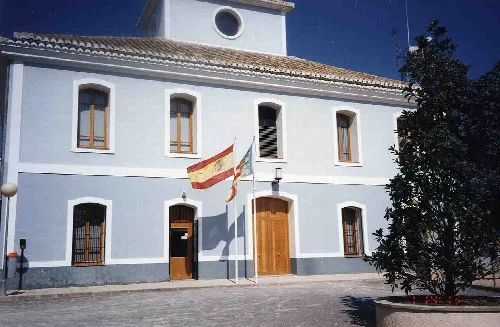
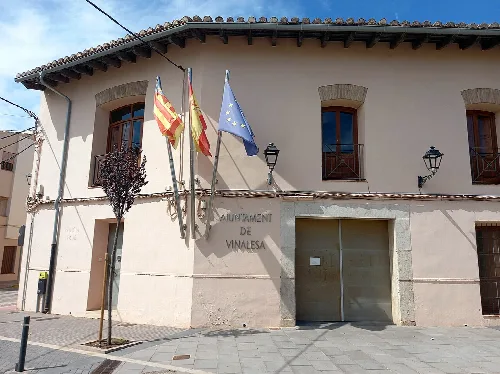
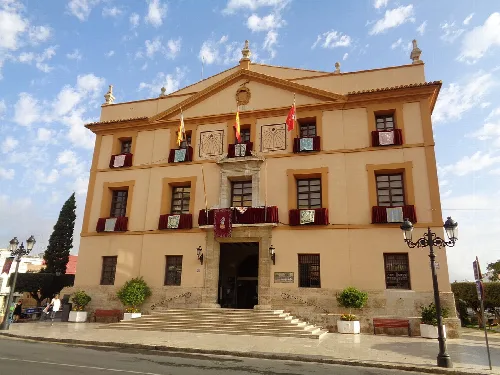
Casa Bou, the current town hall of Rocafort, showcases a simple yet functional architectural style typical of the region. It serves as a central hub for local governance and community activities, reflecting the town's administrative history.
Sights
Casa Bou
What traditional foods should I try in Rocafort?
In Rocafort, the traditional dish is Paella Valenciana, a must-try for visitors. Additionally, during festivals, locals enjoy 'coques cristines', a sweet almond pastry unique to the area, which reflects the region's culinary heritage.
Food & drink
How has Rocafort's population changed over time?
Rocafort has seen significant population growth over the centuries. From around 150 inhabitants in 1510, it grew to over 7,500 by 2025. This growth reflects its transition from a small agricultural village to a thriving residential community.
History
For residents
 espana.net