What can you tell me about the history of Basauri?
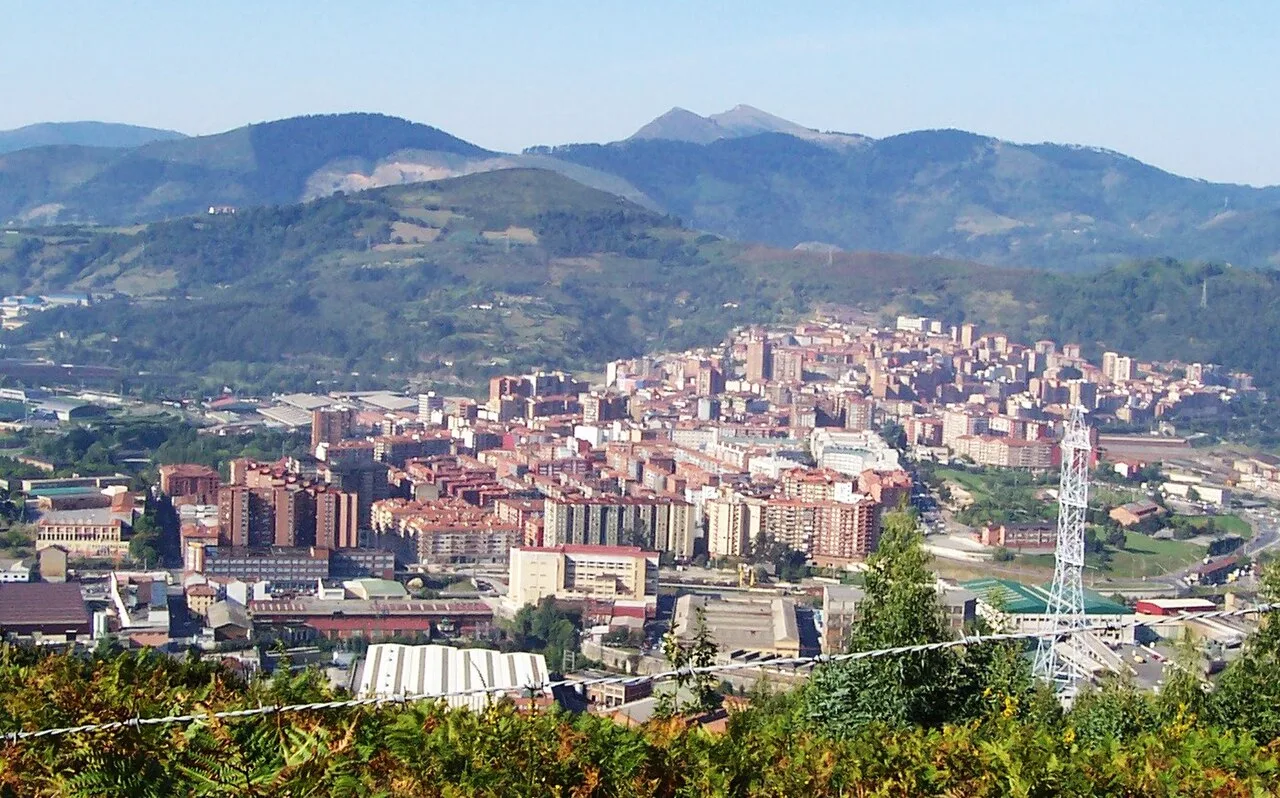
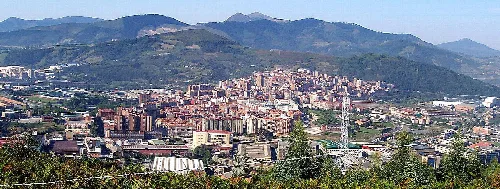
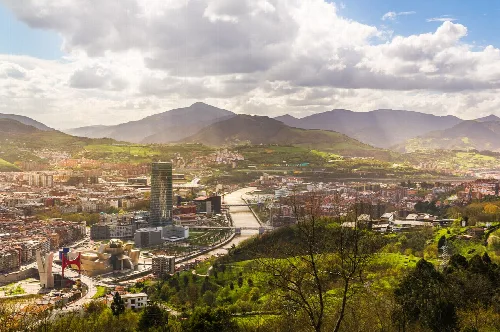
Basauri gained independence from Arrigorriaga in 1510, marked by the construction of the San Miguel Arcángel parish. Initially a rural village, it transformed into an industrial hub in the late 19th century with the establishment of La Basconia factory, leading to significant population growth. By 1978, the population peaked at around 55,000 due to industrialization, although it began to decline from the mid-1980s.
History
What is the significance of the Casa torre de Ariz?
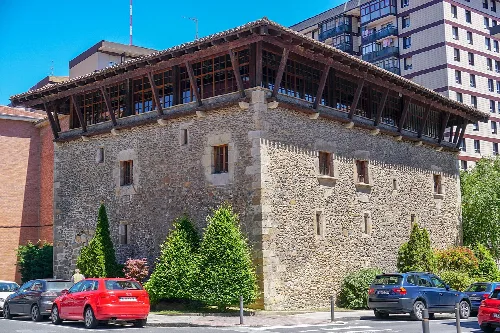
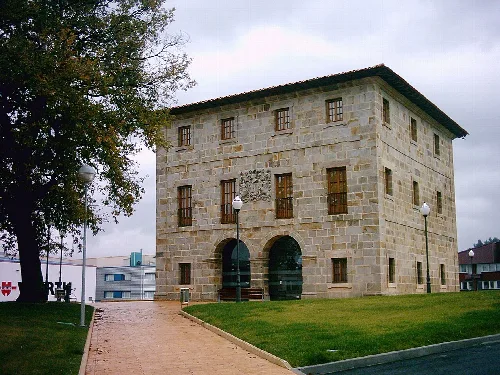
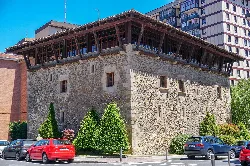
The Casa torre de Ariz is a 16th-century Renaissance tower house that reflects the medieval architectural style. Originally a residential palace, it has undergone renovations to preserve its structure and is now used as a cultural center. Its historical value lies in its representation of Basauri's architectural heritage and its connection to the local nobility.
Sights
Casa torre de Ariz
Are there any parks in Basauri?
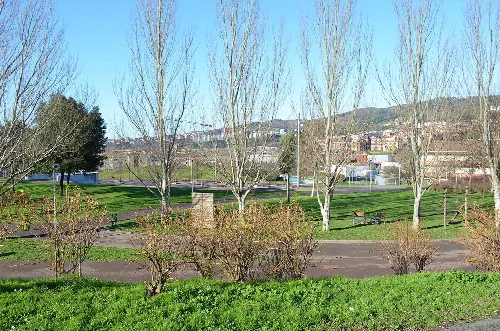
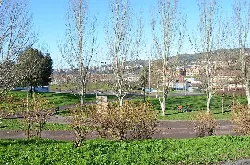
Yes, Basauri features several parks, including Parque Bizkotxalde, which offers green spaces for relaxation and recreation. This park is popular among locals for its scenic views and walking paths, making it a great spot for families and outdoor enthusiasts to enjoy nature within the urban environment.
Nature
Parque Bizkotxalde
What are the main festivities in Basauri?
The most popular festival in Basauri is the San Fausto celebration held on October 13. It features traditional elements like the Escarabillera character and the zurracapote drink, a mix of red wine and spices. Various neighborhoods also have their own local festivities throughout the year, contributing to the vibrant cultural scene.
Festivals & events
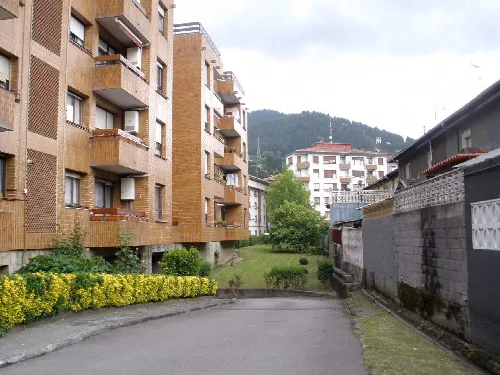
How has the population of Basauri changed over time?
Basauri's population has fluctuated significantly, growing from a few thousand in the early 20th century to a peak of about 55,000 in 1978 due to industrialization. However, since the 1980s, there has been a gradual decline, with the current population around 40,274, influenced by economic changes and urban development.
Living there
For residents
What is the climate like in Basauri?
Basauri has an oceanic climate characterized by mild temperatures and consistent rainfall throughout the year. There are no particularly dry seasons, making it a lush and green area. The climate supports a variety of flora and contributes to the overall beauty of the region.
Nature
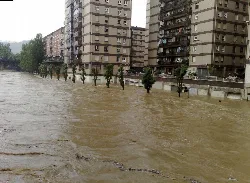
What happened during the 2008 flood in Basauri?
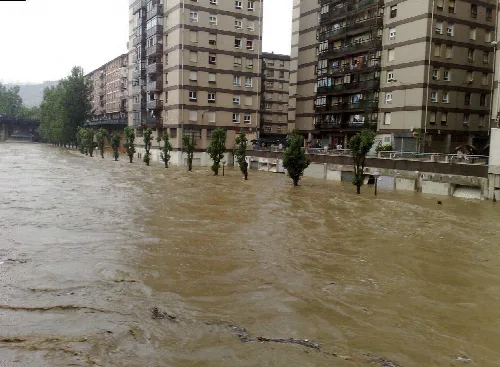
In 2008, Basauri experienced significant flooding due to heavy rainfall, primarily affecting areas near the Nervio River. The flood resulted in substantial property damage and highlighted the need for improved flood management and infrastructure in the region to protect against future incidents.
History
For residents
Can you tell me about the local economy of Basauri?
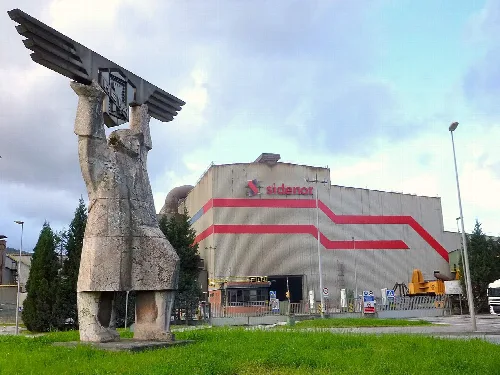
Basauri's economy has shifted from agriculture to industry, particularly in the steel sector, with companies like Sidenor playing a key role. The industrial base has attracted a diverse workforce, and in recent years, the service sector has also grown, contributing to the local economy's development.
Practical
For residents
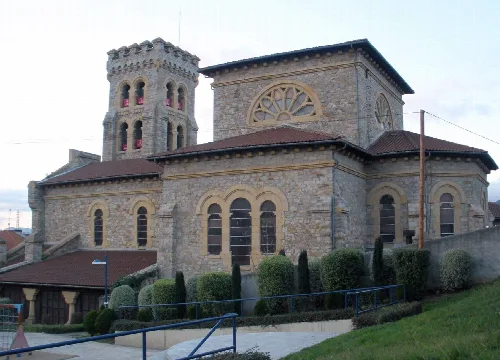
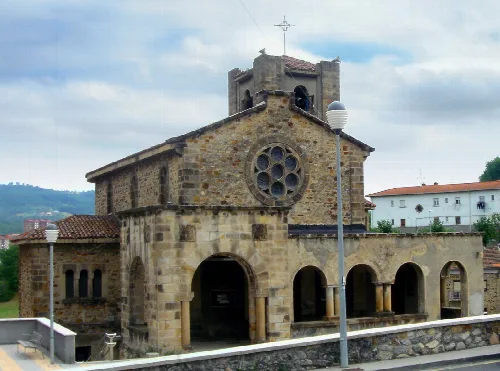
What is the significance of the San Miguel Arcángel church?
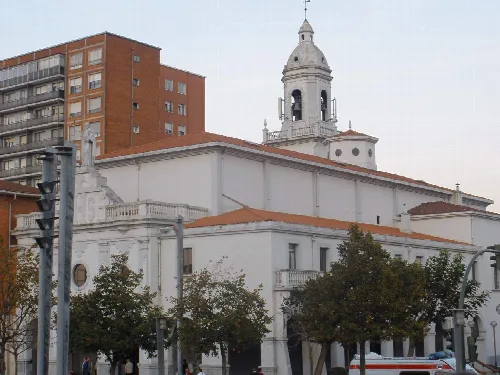
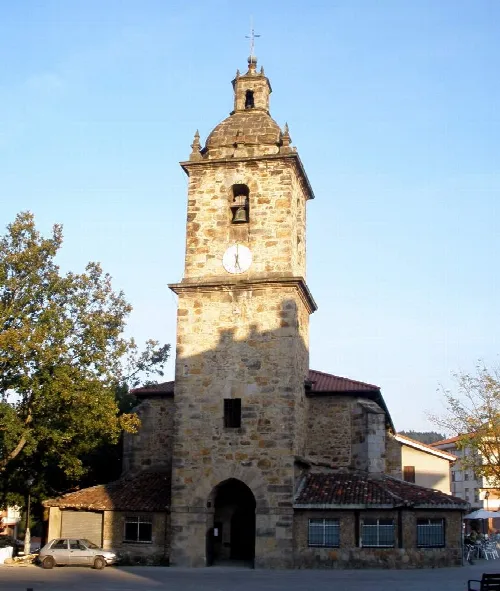
The San Miguel Arcángel church, built in the 16th century, is a key historical and architectural landmark in Basauri. It showcases a blend of Gothic and Renaissance styles and serves as a focal point for community gatherings and religious events, reflecting the town's cultural heritage.
Sights
Iglesia de San Miguel Arcángel
What is the Festival Internacional de Cine de Animación de Basauri?
The Festival Internacional de Cine de Animación de Basauri, also known as Animabasauri, has been celebrated annually since 2005. It showcases animated films from various countries and promotes cultural exchange through cinema. The main venue for screenings is the Social Antzokia theater.
Festivals & events
 espana.net