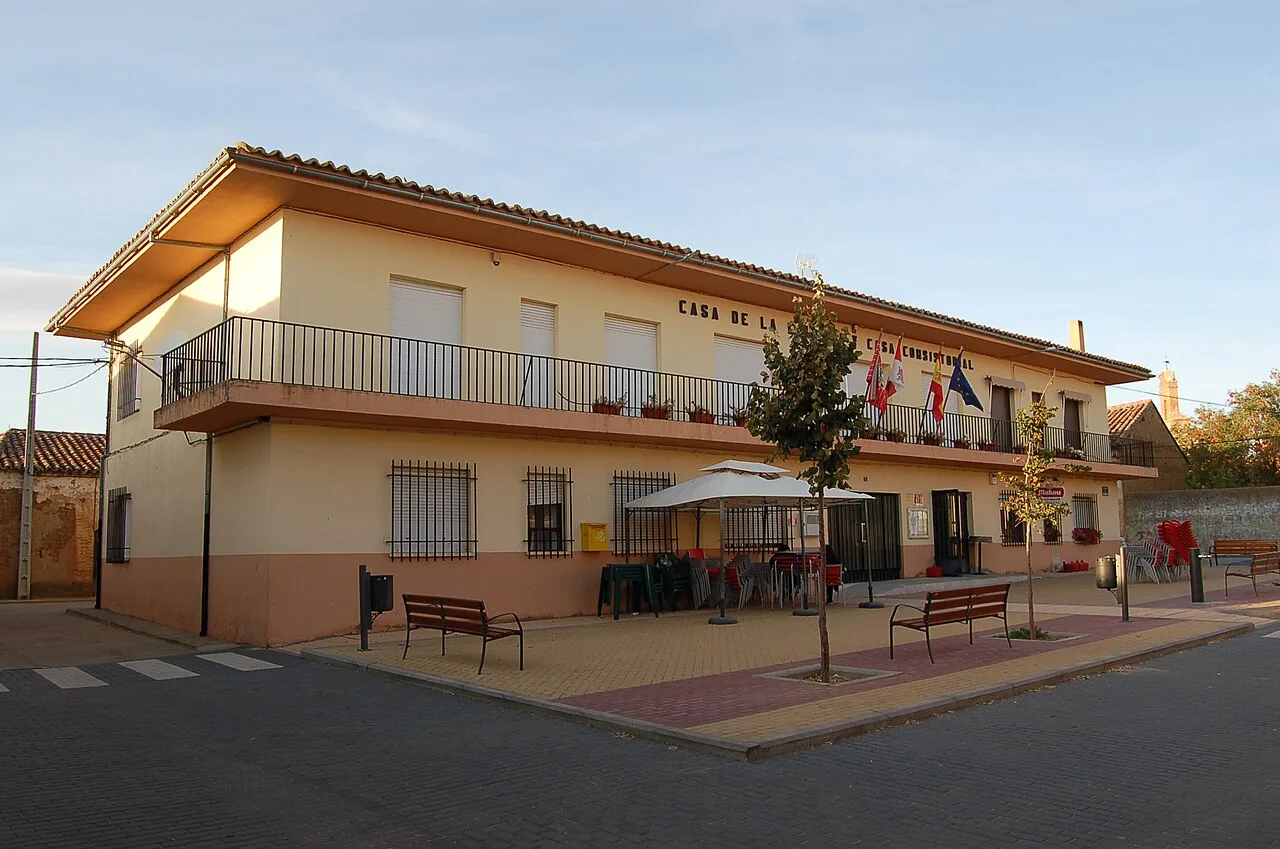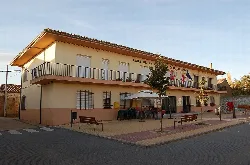
What is the Casa Consistorial in Manganeses de la Lampreana?
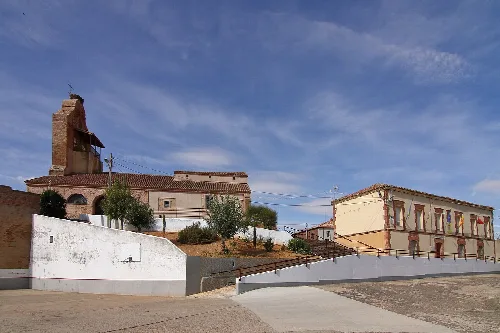
The Casa Consistorial is the town hall of Manganeses de la Lampreana, serving as the administrative center for the municipality. It reflects the local architectural style and is a key point for community activities and governance. Residents often visit for municipal services and community events.
Practical
For residents
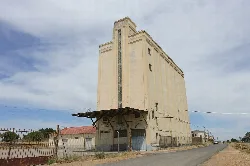
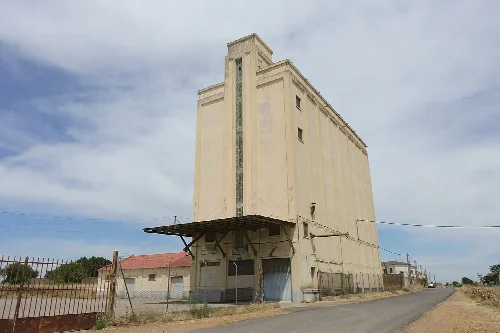
What can you tell me about the Antiguo silo de cereales in Manganeses de la Lampreana?
The Antiguo silo de cereales is a historic grain silo that is part of the National Network of Silos and Granaries. It represents the agricultural heritage of the area and showcases the importance of grain storage in the local economy. Today, it stands as a reminder of the agricultural practices of the past.
History
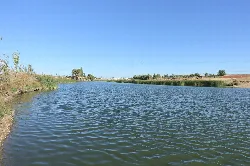
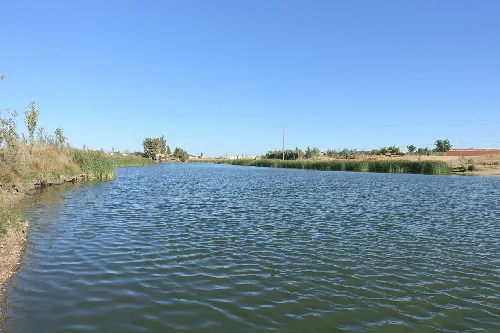
What is Laguna Grande in Manganeses de la Lampreana?
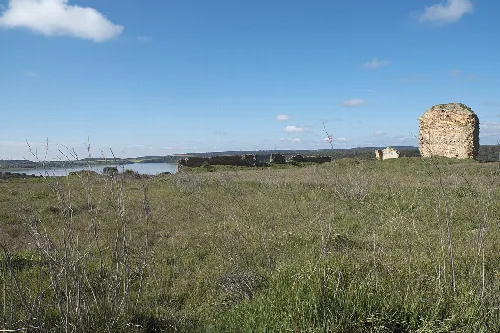
Laguna Grande is the most significant lagoon in Manganeses de la Lampreana, part of the Villafáfila lagoons natural reserve. It is known for its ecological importance and biodiversity, attracting various species of birds and serving as a natural habitat. The lagoon is a popular spot for nature lovers and birdwatchers.
Nature
Laguna Grande
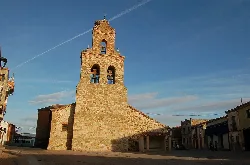
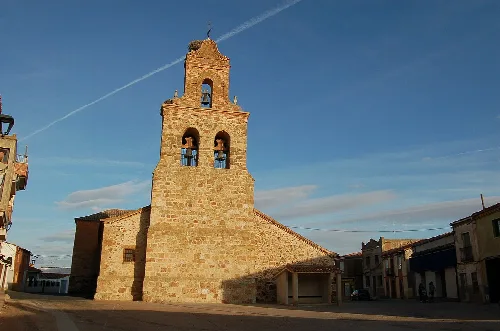
What is the history behind the Igrexa de Manganeses de la Lampreana?
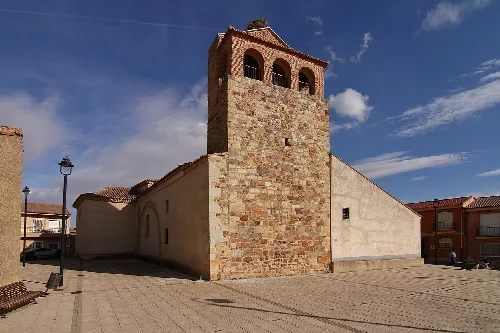
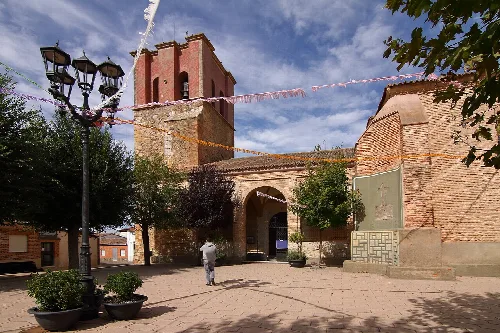
The Igrexa de Manganeses de la Lampreana, also known as the church of Our Lady of the Assumption, dates back to the 17th century. It features a simple yet harmonious architectural style and houses notable artworks, including a Romanesque crucifix and a Baroque image of Jesus Nazareno. It is a focal point for local religious activities.
History
Igrexa de Manganeses de la Lampreana
What are the main festivals celebrated in Manganeses de la Lampreana?
Manganeses de la Lampreana celebrates several festivals, including the Fiesta del Turista on the first weekend of August, which is the largest and attracts many visitors. Other notable events include the Fiesta de las Flores on May 31 and the Cristo de la Consolación on the third Sunday of September, featuring traditional processions.
Festivals & events
How is the population of Manganeses de la Lampreana changing?
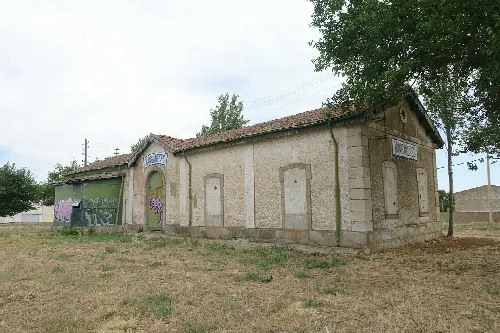
Manganeses de la Lampreana has a population of 438 residents, but this number increases during holidays as many homes serve as second residences. The area has experienced significant depopulation in recent decades, largely due to the closure of local businesses and the loss of train services, leading to emigration.
Living there
For residents
What is the significance of the fuente mozárabe de Junciel?
The fuente mozárabe de Junciel is a historic site located about two kilometers from Manganeses de la Lampreana. Its construction reflects the Mozarabic architectural style and is linked to the region's Roman heritage. It is an important cultural landmark for the community and a point of interest for visitors.
Sights
What type of food is popular in Manganeses de la Lampreana?
Manganeses de la Lampreana is known for traditional Castilian cuisine, which includes dishes made from local ingredients. Lamprea, a type of eel, is particularly significant due to the area's history of lamprea farming in the lagoons. Other local specialties may include hearty stews and seasonal dishes that reflect the agricultural heritage.
Food & drink
What geographical features surround Manganeses de la Lampreana?
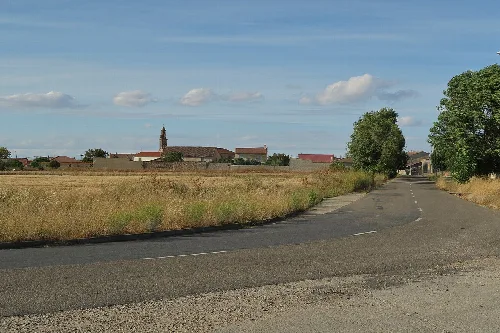
Manganeses de la Lampreana is situated in a predominantly flat area characteristic of the Meseta Norte, with altitudes ranging from 675 to 727 meters. The landscape includes several lagoons, with Laguna Grande being the most notable, and is part of the Tierra del Pan comarca, which is rich in agricultural land.
Nature
How did Manganeses de la Lampreana develop during the Roman period?
During the Roman period, Manganeses de la Lampreana was valued for its saline waters and fertile land, which were ideal for agriculture. Archaeological findings, including tiles from the Roman Empire, indicate that the area was inhabited and utilized for farming, particularly for lamprea, which was considered a delicacy.
History
 espana.net