What can you tell me about the Iglesia de San Pedro in Pajares de la Lampreana?
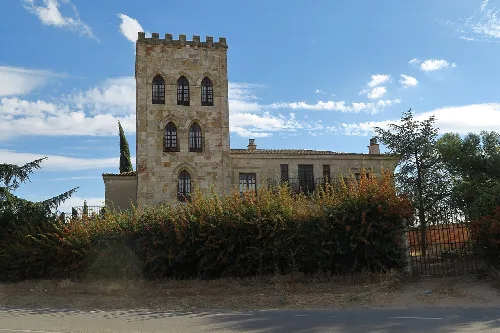
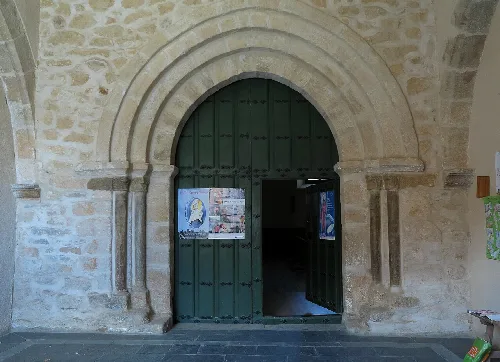
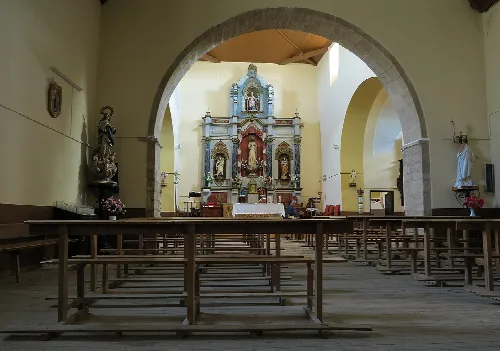
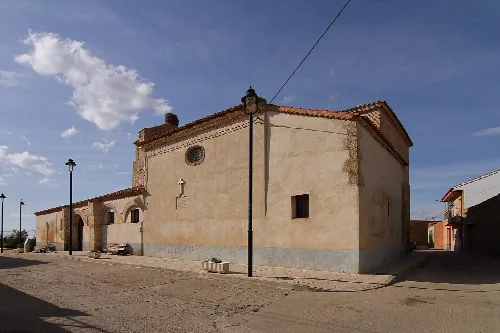
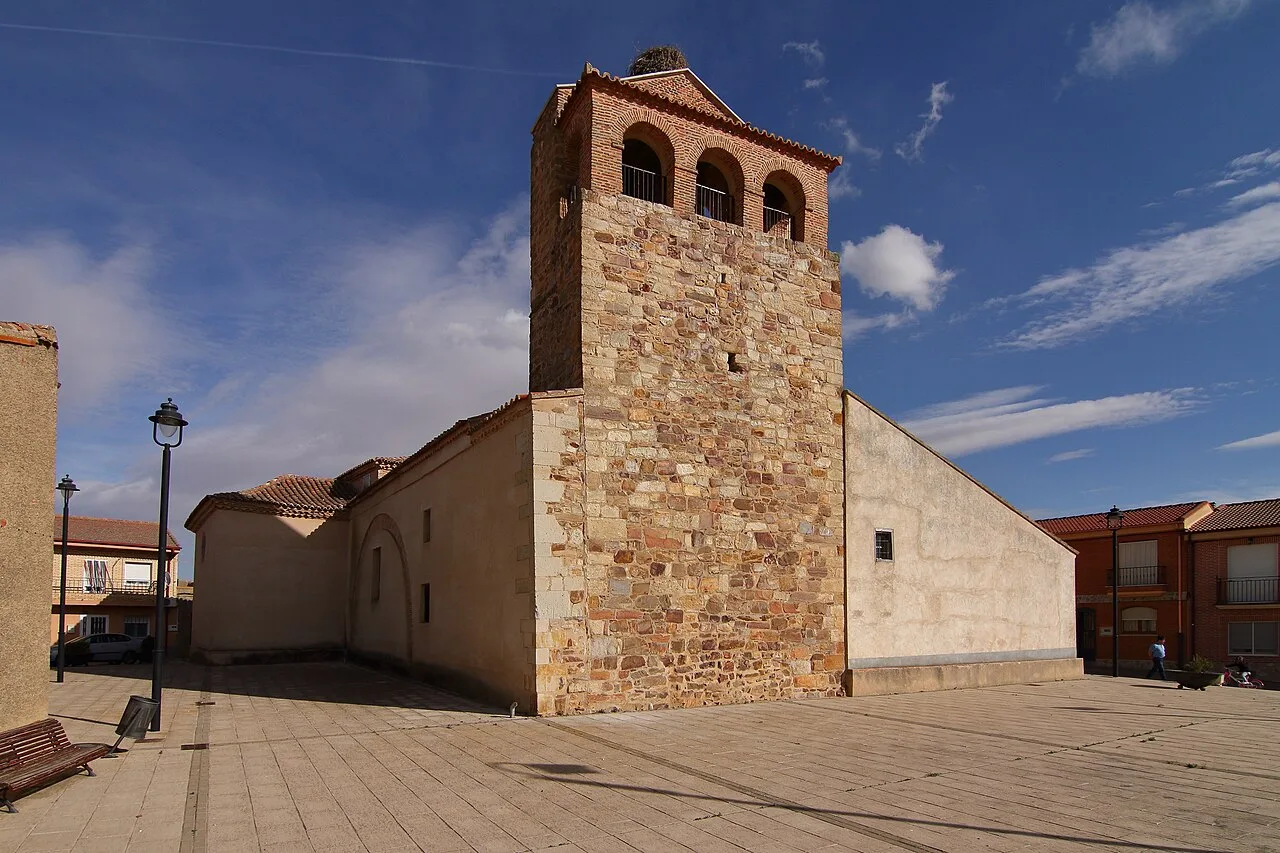
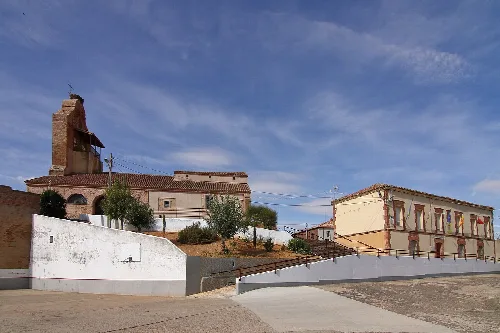
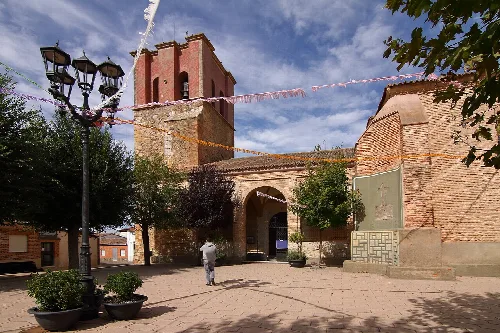
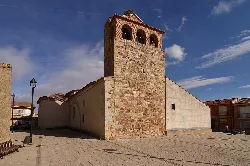
The Iglesia de San Pedro is a Romanesque church built in 1181, originally donated to the Monastery of Moreruela. It features a Latin cross plan, with a southern façade showcasing two arches supported by paired columns. The interior includes a rococo altarpiece and a sculpture of San Antón Abad. Its design reflects the architectural styles of the 12th century, making it a significant historical site in the village.
Sights
Iglesia de San Pedro
What is the significance of the Virgen del Templo in Pajares de la Lampreana?
The Virgen del Templo is the patron saint of Pajares de la Lampreana and is celebrated for numerous miracles attributed to her, such as saving children from wells and protecting the community from plagues. The annual festivities, including rogativas and the Feria, highlight her importance, drawing many visitors to honor her during these events.
Festivals & events
How has the population of Pajares de la Lampreana changed over the years?
Pajares de la Lampreana has seen a significant decline in population over the past 50 years, dropping from 1,339 inhabitants in 1950 to 282 today. Despite this, the village has a notable number of young residents and many second homes, as former locals return during holidays and weekends, contributing to a temporary increase in the population.
Living there
For residents
What is the landscape like around Pajares de la Lampreana?
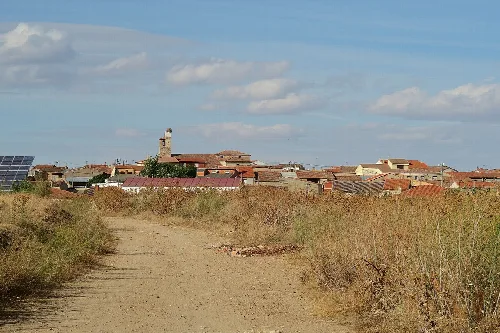
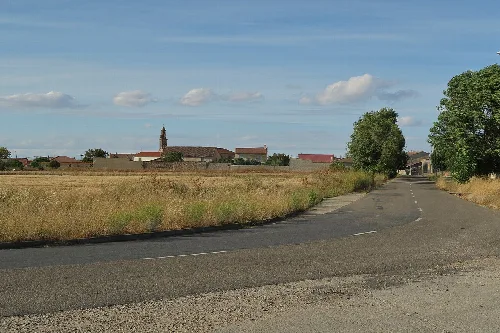
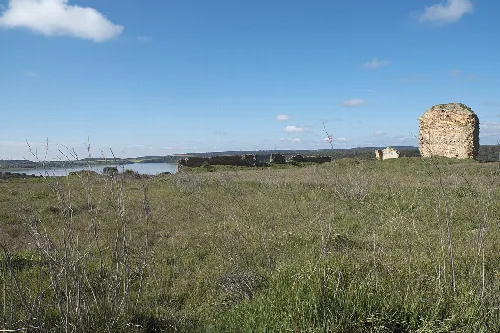
The landscape surrounding Pajares de la Lampreana features gentle hills primarily used for cereal farming. This semi-arid habitat supports endangered species such as the common bustard and various migratory birds. The area is also dotted with endorheic lagoons, which contribute to its ecological diversity, making it a unique natural environment.
Nature
Can you tell me about the cultural week in Pajares de la Lampreana?
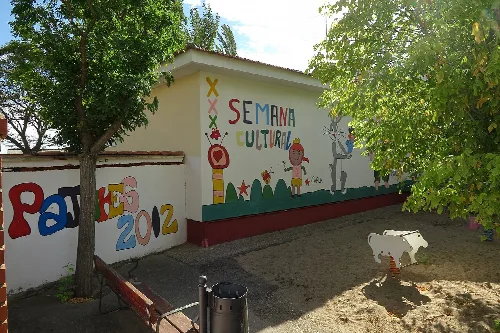
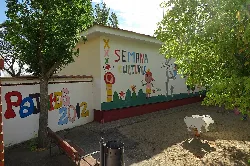
The cultural week in Pajares de la Lampreana takes place during the last week of August. It includes a variety of activities such as theater performances, dances, craft exhibitions, and children's drawing contests. This event fosters community spirit and showcases local talent, making it a vibrant celebration of the village's culture.
Festivals & events
What are the main agricultural activities in Pajares de la Lampreana?
The economy of Pajares de la Lampreana is predominantly agricultural, focusing on traditional wheat production. Additionally, livestock farming is significant, with sheep, dairy cows, and pigs being raised. Many residents are retired, but agriculture remains a key part of the community's identity and livelihood.
Food & drink
For residents
What historical significance does Pajares de la Lampreana have?
Pajares de la Lampreana has a rich history dating back to the medieval period, as it was populated in the 10th century and documented as early as 1185. It was once part of the Order of the Temple and has a legacy of local governance and land ownership that reflects its historical importance in the region.
History
For residents
What is the mural about in Pajares de la Lampreana?
The mural in Pajares de la Lampreana celebrates the cultural week, showcasing vibrant designs that reflect local traditions and community spirit. It serves as a colorful representation of the village's commitment to preserving its cultural heritage and engaging residents, especially children, in artistic expression.
Sights
What is the Feria in Pajares de la Lampreana?
The Feria, held on September 8, is the largest festival in Pajares de la Lampreana, dedicated to the Virgen del Templo. Historically an agricultural fair, it now features lively celebrations with young people, traditional songs, and a popular mass. The event highlights the village's cultural heritage and community bonds.
Festivals & events
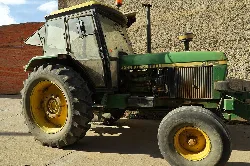
What is the significance of the tractor in Pajares de la Lampreana?
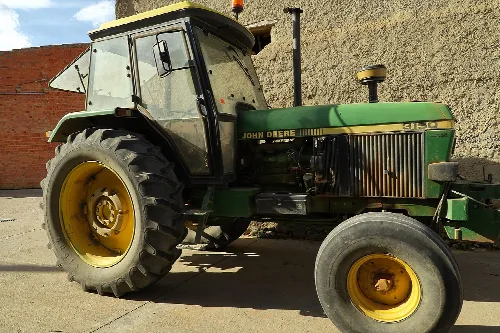
The John Deere tractor in Pajares de la Lampreana symbolizes the agricultural heritage of the village. Tractors like this are essential for modern farming practices, representing the transition from traditional methods to contemporary agriculture, which is vital for the local economy and community sustenance.
Nature
 espana.net