What can you tell me about the Iglesia de Santa Ana in Mainar?
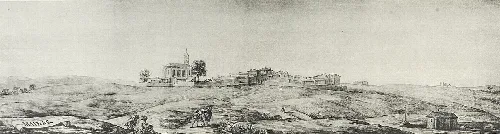
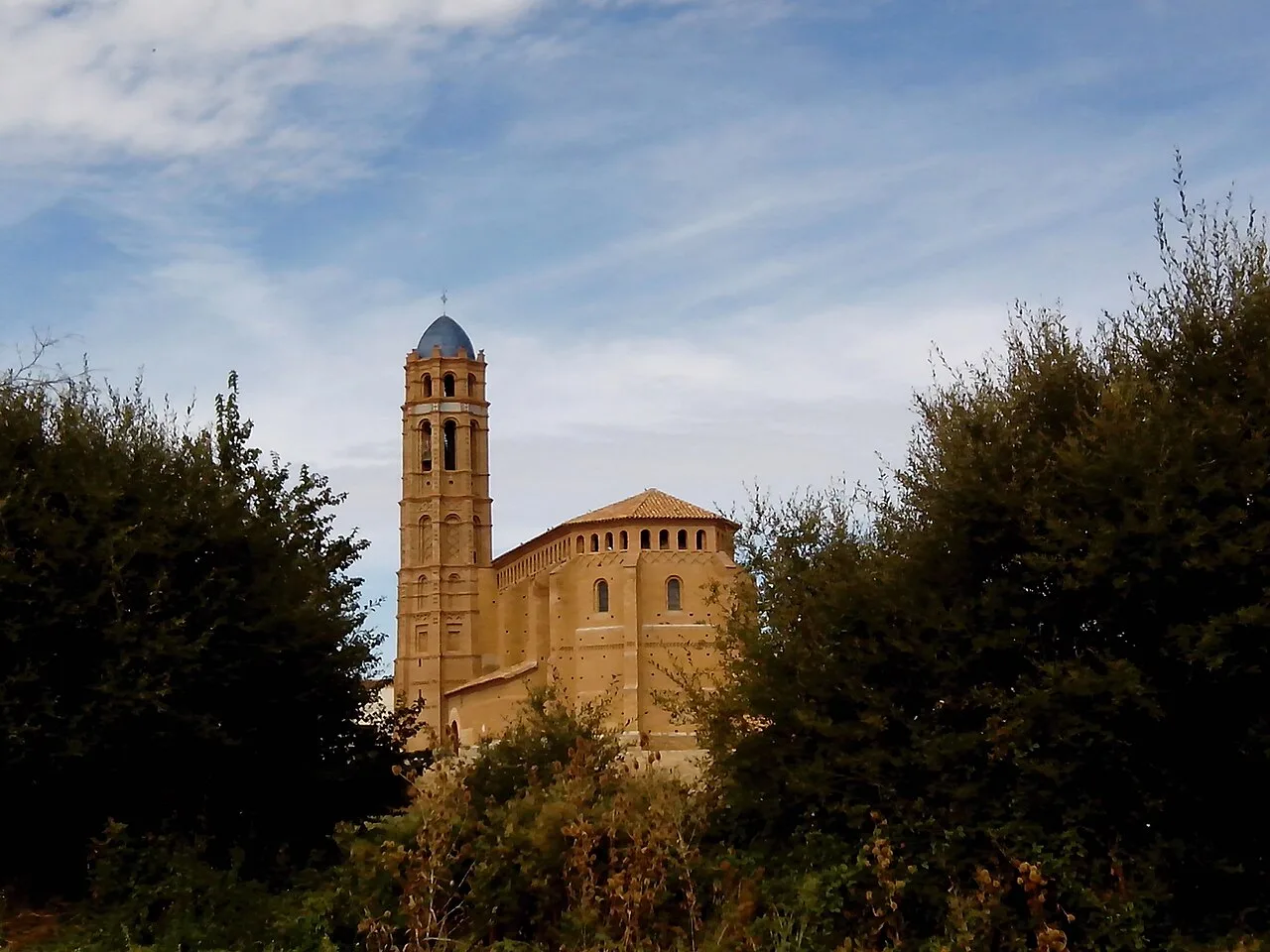
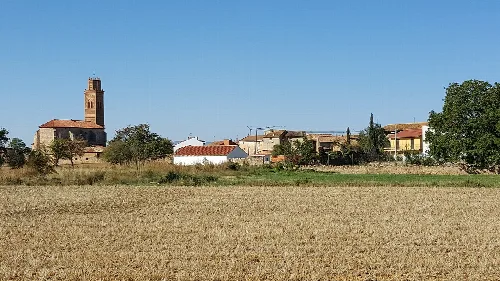
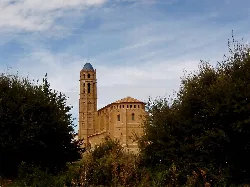
The Iglesia de Santa Ana, built in the 16th century, features one of the finest Mudéjar towers in Aragon. Inside, you can find altarpieces from the 17th and 18th centuries, as well as sculptures from the 15th and 16th centuries. The church has a rich history, including a notable robbery in the early 1980s, but many pieces were later recovered.
Sights
Iglesia de Santa Ana
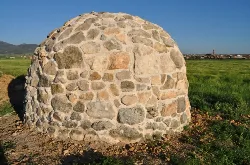
What is the significance of the Nevera de Mainar?
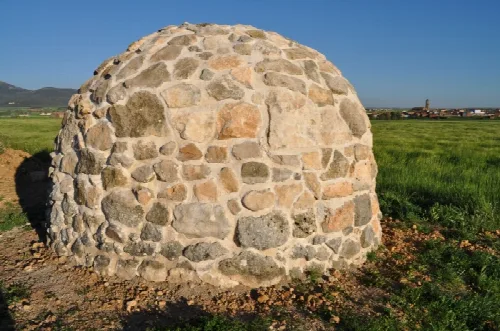
The Nevera de Mainar is a traditional ice house used historically to store ice, which was harvested during winter months. This structure reflects the ingenuity of past communities in managing resources and is a testament to the local heritage. It serves as a reminder of the agricultural practices and daily life in Mainar's history.
History
Nevera de Mainar
What are the main festivals celebrated in Mainar?
Mainar celebrates several festivals, with the major ones dedicated to Nuestra Señora del Rosario on June 6-7 and to the Virgen and San Roque from August 14-20. Additionally, there's a small celebration for San Marcos on April 25, featuring traditional roscones. Other minor festivities occur on San Blas and Santa Águeda.
Festivals & events
What is the climate like in Mainar?
Mainar experiences a continental Mediterranean climate, characterized by extreme temperatures. Winters can be harsh, with temperatures dropping to -13 or -14 °C, while summers can be quite warm. The area is known for its significant frost in February, which can affect agricultural activities.
Nature
For residents
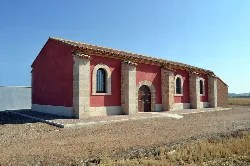
Can you tell me about the Ermita de San Andrés?
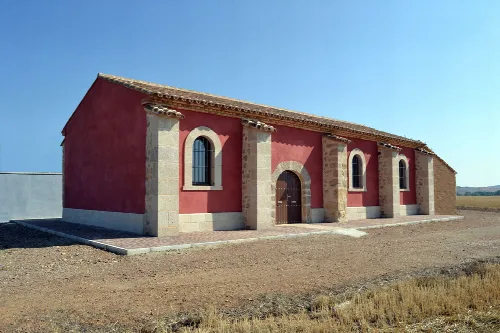
The Ermita de San Andrés, built in the 16th century, underwent significant restoration in 2015. This chapel, made of tapial with masonry buttresses, features a single nave divided by arches. It stands as a historical monument within Mainar, showcasing local architectural styles.
Sights
Ermita de San Andrés
What is the population of Mainar?
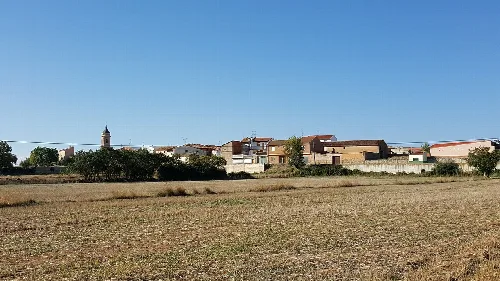
As of 2025, Mainar has a population of 162 residents. This small community is part of the Campo de Daroca comarca in Zaragoza, Aragon, and reflects the demographic trends seen in many rural areas of Spain.
Living there
For residents
What historical events are significant in Mainar?
Mainar has a rich history, with its first mentions dating back to the repopulation efforts of Alfonso I in the 12th century. It witnessed various historical events, including the passage of Habsburg monarchs and the impact of the Carlist Wars. The town has also experienced significant changes due to the rural exodus and modernization in the 20th century.
History
For residents
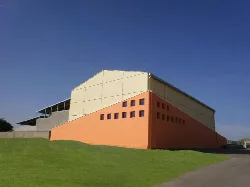
What are the sports facilities like in Mainar?
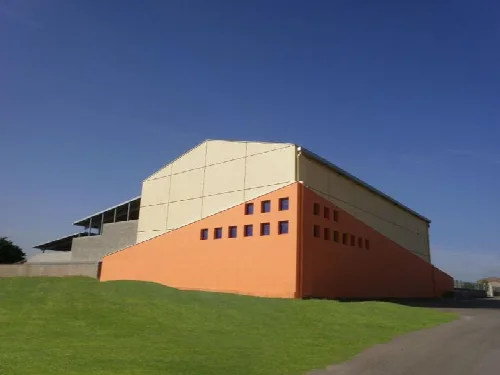
Mainar features municipal sports facilities that include a swimming pool, a multi-purpose pavilion, and outdoor courts. These facilities provide opportunities for various sports and recreational activities for the local community, promoting a healthy lifestyle.
Practical
Instalaciones deportivas de Mainar For residents
What is the landscape like around Mainar?
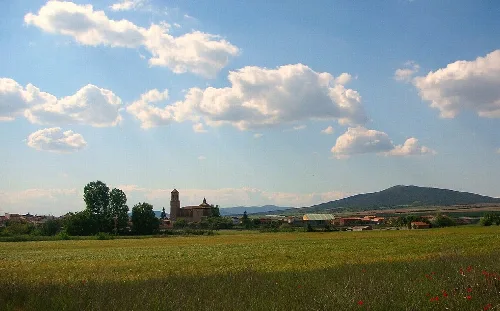
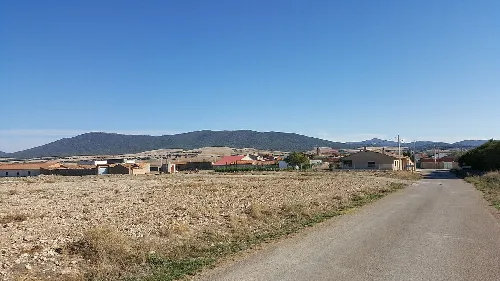
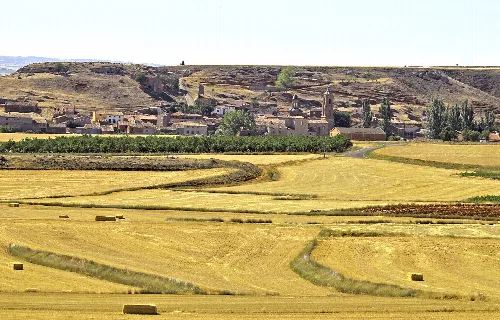
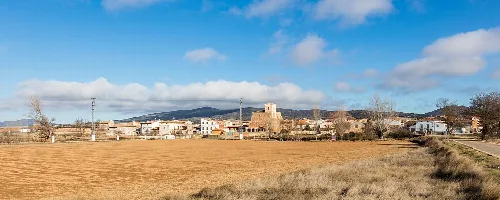
The landscape around Mainar is predominantly flat in the south and more mountainous in the north, featuring the Sierra de los Bodegones and Sierra de la Dehesilla. The area is characterized by its agricultural fields and the nearby river Huerva, which contributes to the region's natural beauty.
Nature
What local dishes should I try in Mainar?
In Mainar, you should try the local nabos, a type of turnip known for being smaller, whiter, and sweeter than typical varieties. This dish has historical significance and was once famous in Aragonese cuisine. The revival of this local crop reflects the community's commitment to preserving its culinary heritage.
Food & drink
 espana.net