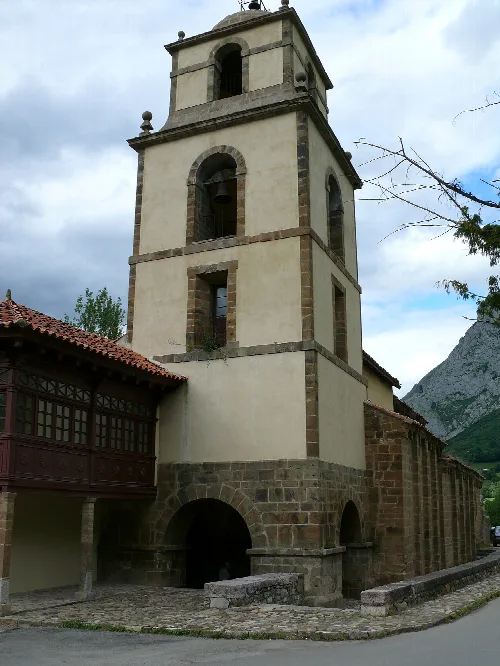
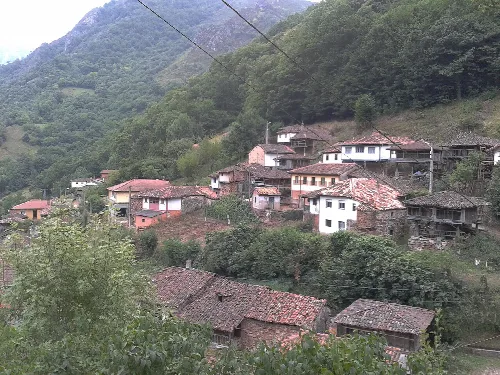
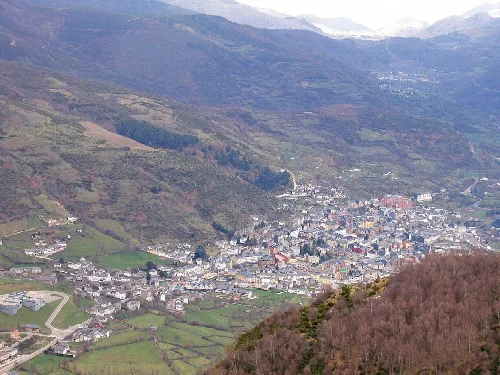
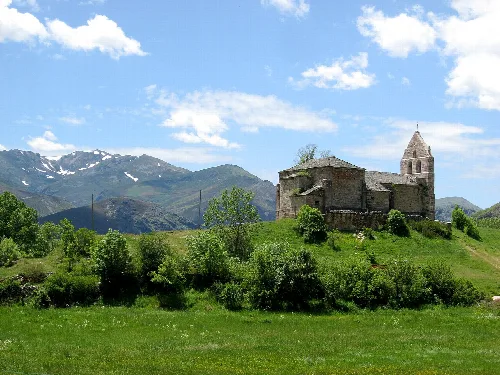
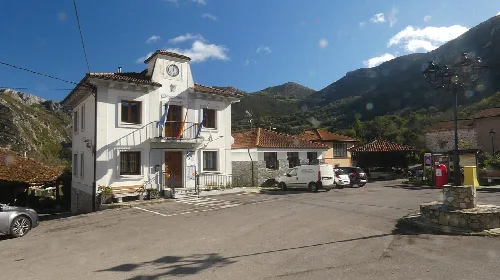
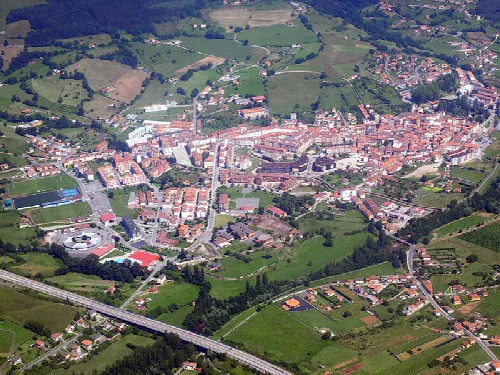
Somiedo is a municipality located in the Asturias region of northern Spain, known for its stunning natural landscapes and rich biodiversity. It is part of the Somiedo Natural Park, which has been designated a biosphere reserve, making it a significant area for conservation and outdoor activities.
02Geography
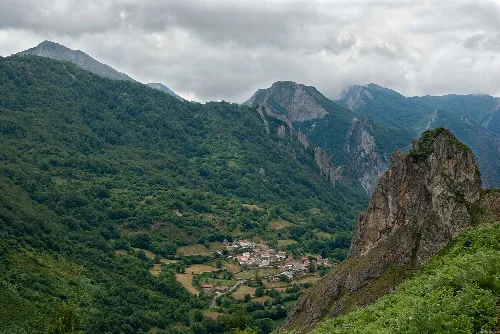
Somiedo is characterized by its rugged topography, featuring significant elevations and depressions throughout the region. The municipality is situated within the Manto de Somiedo geological unit, showcasing a variety of Paleozoic strata including slates, sandstones, and limestones. The landscape is shaped by the hydrographic network, which has carved out several gorges.
Climate
Oceanic with high humidity and frequent fogs
Vegetation
Rich forests of beech, oak, and protected species
Natural park designation
Part of Somiedo Natural Park
03History
The history of Somiedo dates back to the Bronze Age, with evidence of prehistoric settlements. Roman influence is evident through various archaeological remains, including fortifications and roads. During the Middle Ages, the region was shaped by monastic influences and land disputes, leading to the establishment of communal lands and the eventual decline of feudal systems.
Bronze Age settlements
Roman roads and fortifications
Foundation of Gúa monastery By King Fernando II
Alfonso X's repopulation efforts
Establishment of communal lands
Somiedo, a municipality in Asturias, is renowned for its natural beauty and biodiversity, part of a designated biosphere reserve.
04Economy
The economy of Somiedo is primarily based on the primary sector, particularly livestock farming, which employs a significant portion of the population. The region is known for its Asturiana de los Valles cattle, and traditional agricultural practices remain vital. The tourism sector has grown since the area was designated a natural park, contributing to local economic development.
Primary sector employment
67.45%
Contribution to GDP
40%
Secondary sector employment
2.94%
Tertiary sector employment
29.61%
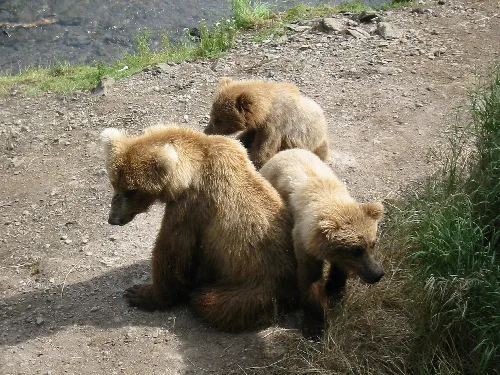
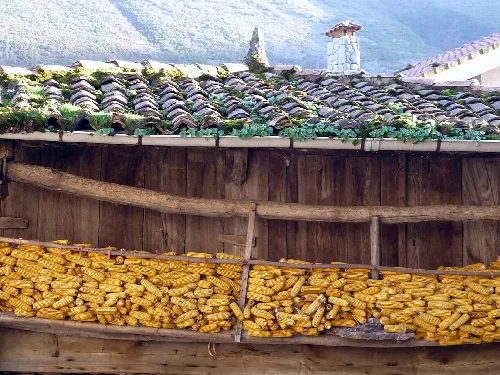
A group of young bears in a natural setting with vegetation and dirt in Somiedo, Asturias.Traditional Asturian hórreo in Somiedo, with drying corn cobs in the foreground.
05Flora and Fauna
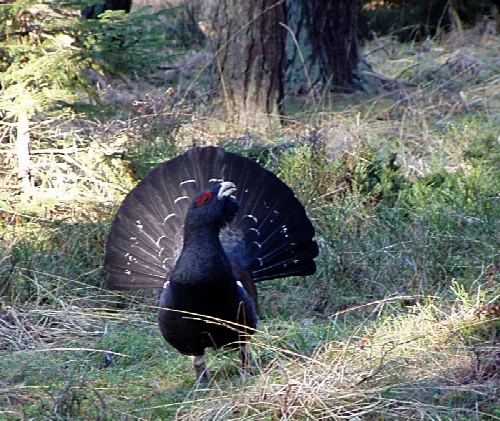
Somiedo boasts a rich biodiversity, being home to various protected species and habitats. The area is known for its populations of brown bears, wolves, and Cantabrian capercaillie, as well as a variety of other mammals and birds. The diverse ecosystems support a wide range of plant species, including beech forests and alpine meadows.
Brown bear population One of the largest reserves in Asturias
Common mammals Rebeco, deer, wild boar, fox
Notable bird species Golden eagle, peregrine falcon
Plant diversity Over 250 species in pastures
06Festivals
Somiedo hosts various local festivals, primarily during the summer months, celebrating agricultural traditions and community spirit. These events often feature traditional gastronomy and livestock fairs, showcasing the region's agricultural heritage.
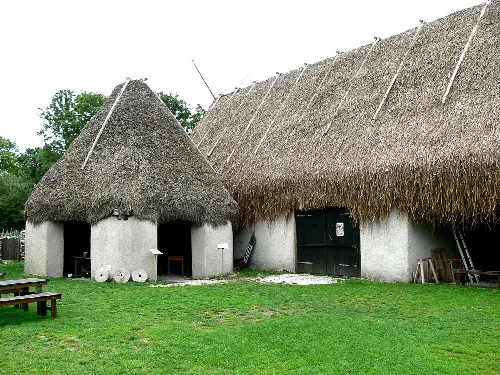
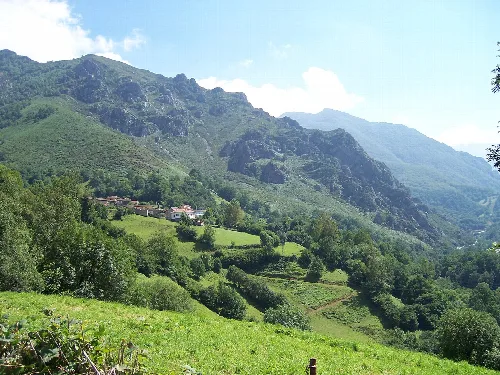
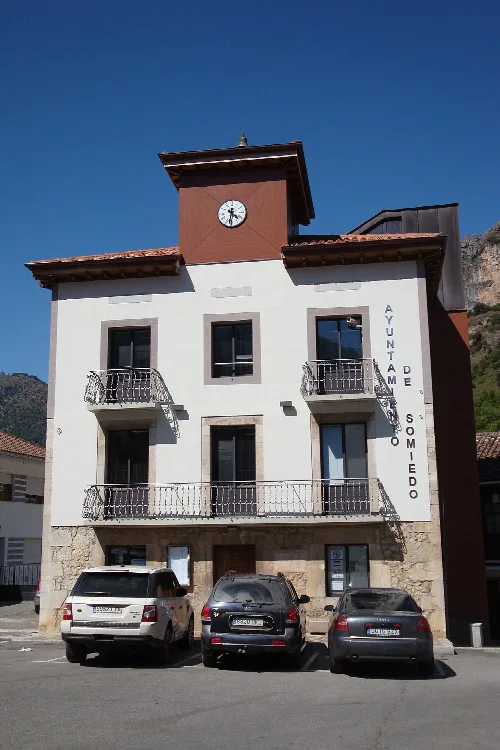
Traditional-style building in Somiedo with a thatched roof and wooden structure.Landscape of El Coto in Somiedo, surrounded by green mountains and a small village in the valley.View of Corés parish in Somiedo, Asturias, with green mountains and scattered houses.Somiedo town hall building with clock and balconies in the town center.A western capercaillie in a forest of Somiedo, Asturias, with feathers spread in display.
Frequently asked questions
What can you tell me about Las Morteras?
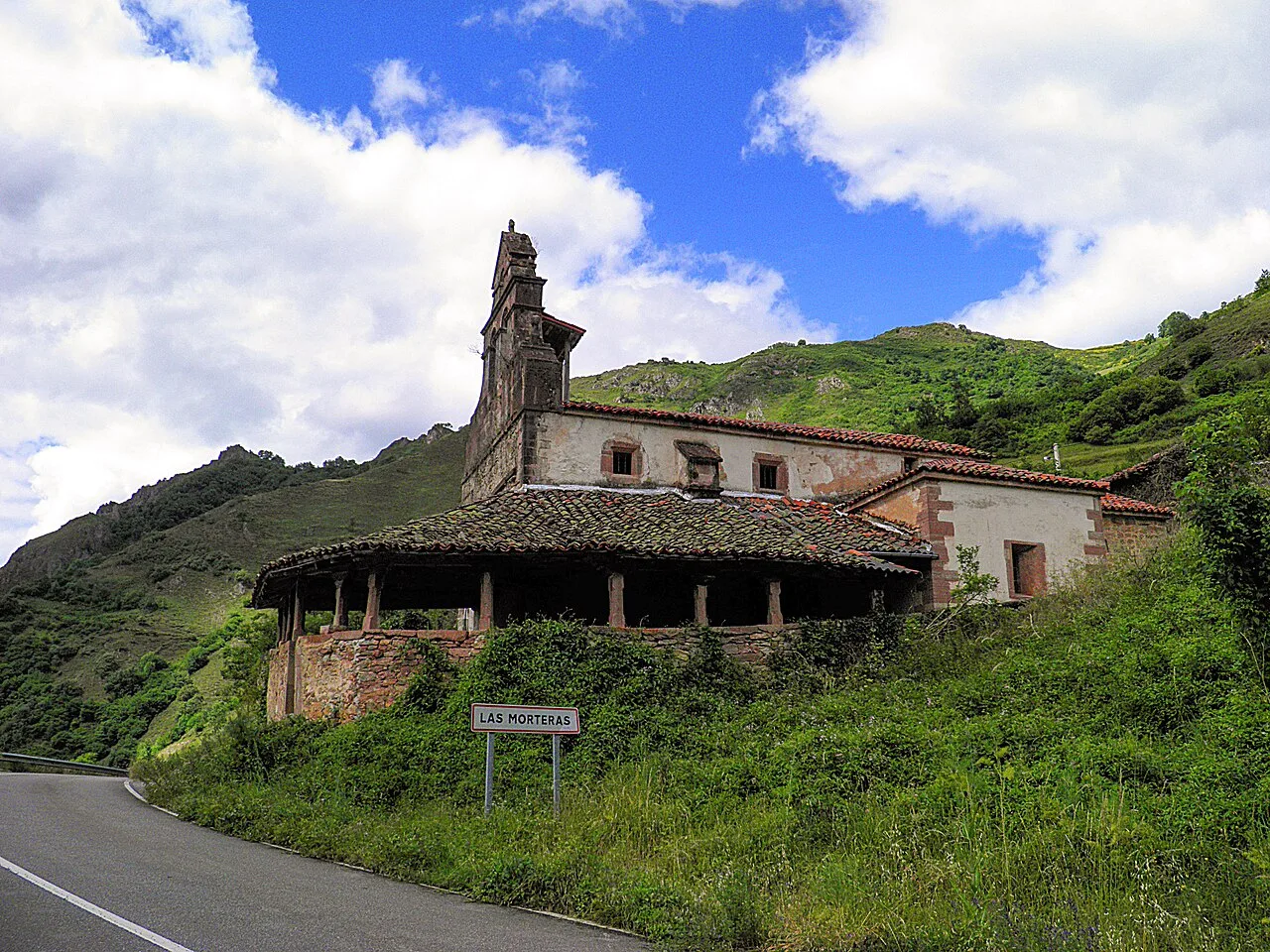
Las Morteras is a notable area in Somiedo, known for its picturesque landscapes and traditional architecture. It features a historic building that showcases local architectural styles, including a roof made of escoba. This site is a great representation of the region's cultural heritage and offers visitors a glimpse into the past of Somiedo's rural life.
Somiedo is home to a diverse range of wildlife, including one of the largest reserves of brown bears in Asturias. Other notable species include wolves, Cantabrian grouse, and various mammals like chamois and deer. Birdwatchers can also spot golden eagles and peregrine falcons, making it a fantastic destination for nature enthusiasts.
How has the history of Somiedo shaped its culture?
Somiedo's history, marked by early Bronze Age settlements and Roman influence, has significantly shaped its culture. The region saw the establishment of monasteries and the rise of local nobility, impacting land ownership and agricultural practices. This historical backdrop contributes to the unique traditions and lifestyle still observed in the area today.
What is the significance of the hórreo in Somiedo?
The hórreo is a traditional granary unique to Asturias, and in Somiedo, it reflects the agricultural heritage of the region. These structures, often built on stilts, were used to store corn and protect it from moisture and pests. The hórreo is an iconic symbol of local culture, showcasing the adaptation of architecture to the environment.
What events take place in Somiedo throughout the year?
Somiedo hosts various local festivals that celebrate its cultural heritage, including traditional music, dance, and gastronomy. Events often feature local products, such as cheese and cider, allowing visitors to experience the region's culinary delights. The festivities foster community spirit and attract both locals and tourists alike.
Living in Somiedo offers a peaceful rural lifestyle surrounded by nature, but it comes with challenges. The population is small, leading to limited services and amenities. However, the stunning landscapes and outdoor activities compensate for this, making it ideal for those who appreciate tranquility and natural beauty.
What are the main agricultural products of Somiedo?
Somiedo's agriculture primarily revolves around cattle farming, particularly for meat production. The region is also known for its cultivation of maize and potatoes, introduced in the 17th and 18th centuries, respectively. These crops have become integral to local cuisine and agricultural practices, supporting the community's economy.
Somiedo offers numerous hiking trails that showcase its stunning landscapes, including routes through the natural park. Popular trails lead to breathtaking viewpoints and valleys, such as the Valle del Lago and the Pigüeña Valley. Hikers can enjoy diverse flora and fauna along the way, making it a paradise for outdoor enthusiasts.
Somiedo experiences an oceanic climate characterized by high humidity, frequent rainfall, and mist. The region's altitude contributes to a mix of temperate and continental weather, with snow often persisting in winter. This climate supports rich biodiversity and lush vegetation, making it a beautiful area year-round.
What are the traditional building styles in Somiedo?
Traditional buildings in Somiedo often feature thick stone walls and roofs made of escoba, a local plant. The architecture reflects the region's agricultural heritage, with houses typically serving as both living spaces and livestock shelters. This unique design is adapted to the local climate and landscape, showcasing the area's cultural identity.
 espana.net