What can I do at the Parque Natural de Sierra de Baza?
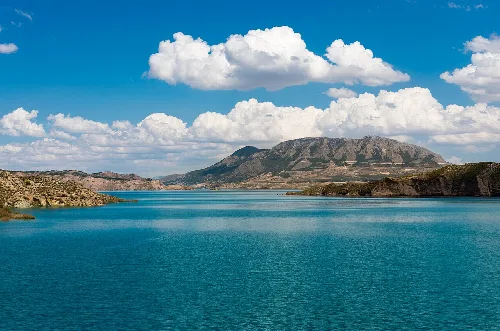
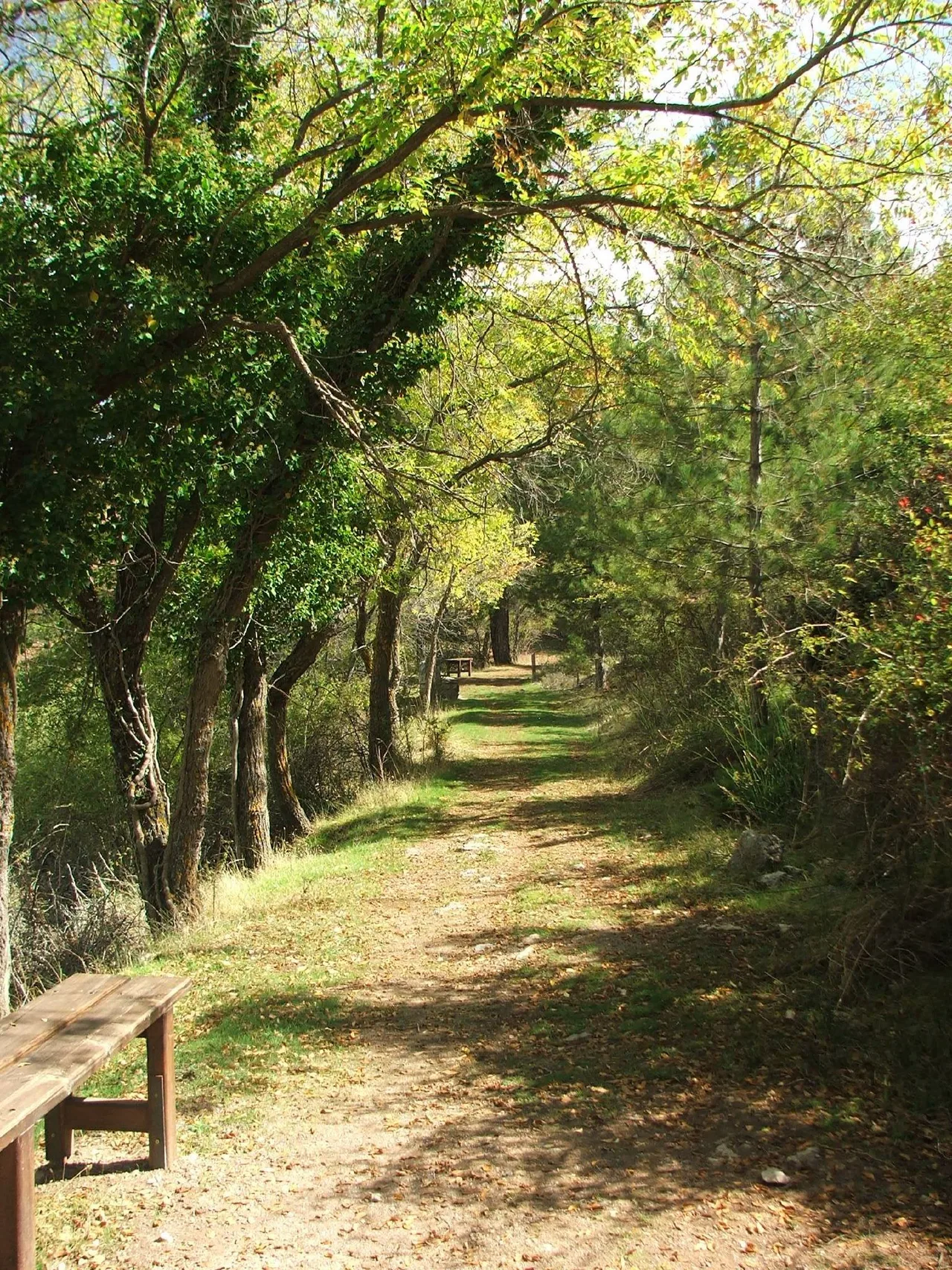
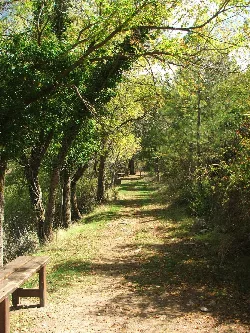
The Parque Natural de Sierra de Baza offers a variety of outdoor activities such as hiking, birdwatching, and exploring its diverse landscapes. The park features mountainous terrain, including the Calar de Santa Bárbara, which is the highest point at 2271 meters. Visitors can also enjoy the area's recreational facilities and learn about its natural resources at the Narváez interpretation center.
Nature
Parque Natural de Sierra de Baza
What is the history behind the Dama de Baza statue?
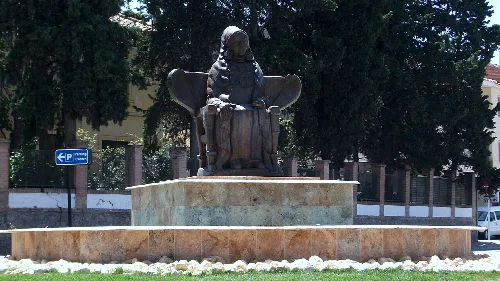
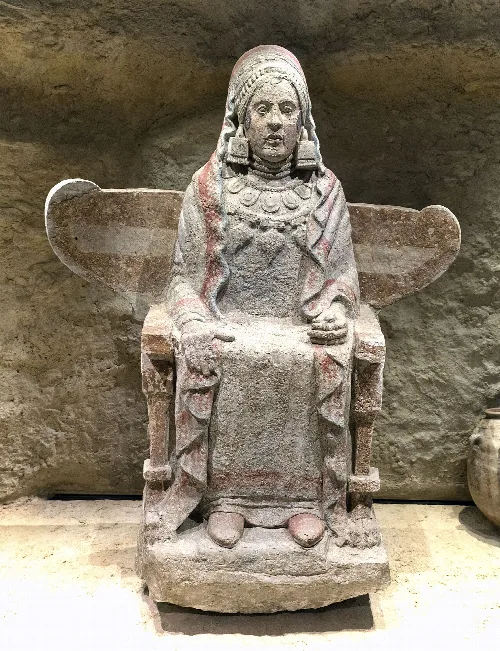
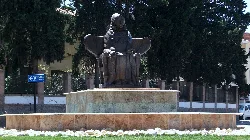
The Dama de Baza is a famous Iberian funerary sculpture discovered in 1971 near Baza, representing a significant example of Iberian art. It dates back to the 4th century BC and is believed to reflect the cultural practices of the ancient city of Basti, which was a prominent settlement in the region of Bastetania.
History
Dama de Baza
Can you tell me about the Museo Arqueológico de Baza?
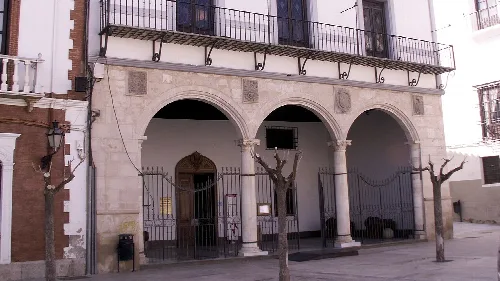
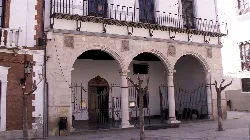
The Museo Arqueológico de Baza is housed in the former town hall and showcases a range of archaeological artifacts, including a replica of the Dama de Baza. The museum aims to educate visitors about the region's rich history and archaeological significance, making it a key cultural site in Baza.
Sights
Museo Arqueológico de Baza
What is the climate like in Baza?
Baza experiences a Mediterranean climate characterized by hot summers and cold winters. The average annual temperature is around 13.9 °C, with significant temperature fluctuations between day and night. The region's geography, including the Hoya de Baza and surrounding mountains, creates a unique microclimate that influences local weather patterns.
Nature
For residents
What are some popular local dishes in Baza?
Baza is known for its agricultural products, particularly lechuga (lettuce) and olive oil, which is part of the Montes de Granada designation of origin. Local culinary specialties may include traditional dishes made with these ingredients, as well as cured meats like jamón. The town also features various restaurants and eateries showcasing regional cuisine.
Food & drink
How do I get to Baza from Granada?
Baza is accessible via the A-92N highway, which connects Granada to Murcia. The journey by road takes approximately 109 km, making it a convenient destination for travelers looking to explore the region's history and natural beauty. Public transport options may also be available, depending on the schedule.
Getting there
What is the significance of the Alcazaba in Baza?
The Alcazaba of Baza is a historical fortress that showcases the town's medieval past. Although only remnants of the walls and towers remain, it represents three construction phases: Islamic, Nazarí, and Christian. The site is currently undergoing restoration and is an important cultural landmark in the city.
History
Alcazaba For residents
What is the population of Baza?
As of 2025, Baza has a population of 20,587 inhabitants. The town is the largest municipality in the province of Granada and serves as a central hub for the surrounding comarca, reflecting its historical and cultural significance in the region.
Living there
For residents
Are there any festivals in Baza?
Baza hosts various local festivals throughout the year, celebrating its rich cultural heritage. These events often include traditional music, dance, and culinary offerings, drawing both locals and visitors. Specific details about festivals can typically be found through local tourism resources or community announcements.
Festivals & events
What are the main transportation options in Baza?
Baza is well-connected by road, with major highways such as the A-92N facilitating travel to Granada and Murcia. While the town previously had railway connections, current transport primarily relies on road networks. Local bus services may also provide access to nearby areas and cities.
Getting there
For residents
 espana.net