Porcuna is a municipality located in the province of Jaén, Andalusia, characterized by its rich historical heritage and agricultural economy. The town features notable landmarks such as the Torre Nueva and the Roman amphitheater, alongside a vibrant local culture centered around olive cultivation and traditional festivities.
02Geography
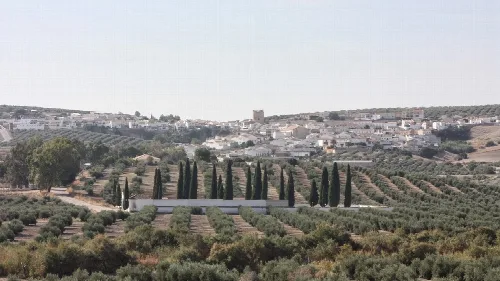
Porcuna is situated in a predominantly flat landscape, with some hilly areas, covering an area of 176.26 km². The average elevation is approximately 473 meters, and the soil is primarily calcareous, contributing to its agricultural viability. The region experiences a Mediterranean continental-temperate climate, which significantly influences local farming practices.
Climate
Mediterranean continental-temperate
Average temperature
17 °C
03History
Porcuna has a rich historical background, with evidence of human settlement dating back to the Paleolithic era. It evolved from the ancient city-state of Ibolka during the Turduli culture, later becoming Obulco in Roman times. Throughout its history, it has been a significant military and political site, witnessing events such as the Battle of Munda.
Neolithic settlements
City-state of Ibolka
Roman Obulco
Conquered by Fernando III in 1241
Part of the Order of Calatrava
Site of the Battle of Bailén in 1808
Porcuna, a municipality in Jaén, Andalusia, is known for its historical significance and agricultural economy.
04Economy
The economy of Porcuna is primarily based on agriculture, particularly olive cultivation, which dominates the landscape. Other agricultural activities include the production of cereals and legumes. Additionally, local industries such as carpentry and natural stone quarrying contribute to the economy.
Main agricultural products Olives, wheat, legumes, sunflower
Local industries Carpentry, polyester, metalworking, stone quarrying
Historical significance of agriculture Foundation of the local economy
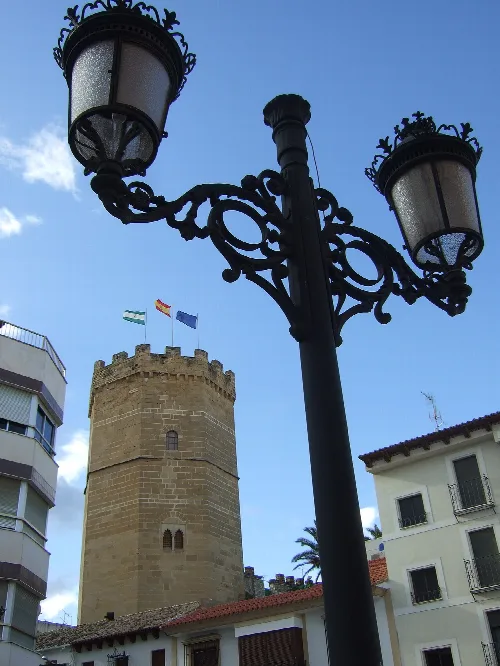
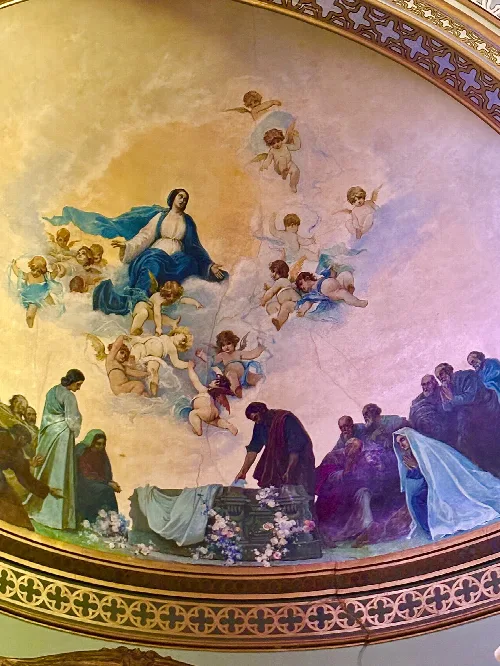
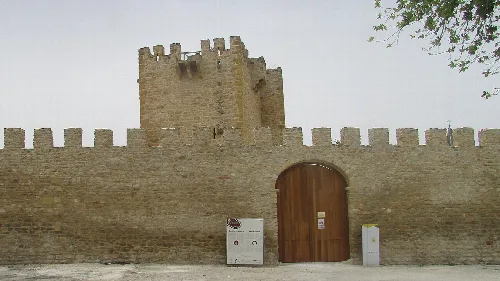
View of the Torre Nueva del Castillo de Porcuna from La Farola, with a street lamp in the foreground.A mural depicting celestial and human figures, including the Virgin Mary, in a church in Porcuna, Jaén.
05Sights
Porcuna boasts several historical and cultural landmarks, including the Torre Nueva, a well-preserved structure from the Calatrava period, and the Roman amphitheater, one of the largest in the Iberian Peninsula. The town also features various churches and the Casa de la Piedra, showcasing local architectural heritage.
Torre Nueva (de Boabdil) A 28-meter tall tower from the Calatrava period.
Roman amphitheater One of the largest in the Iberian Peninsula.
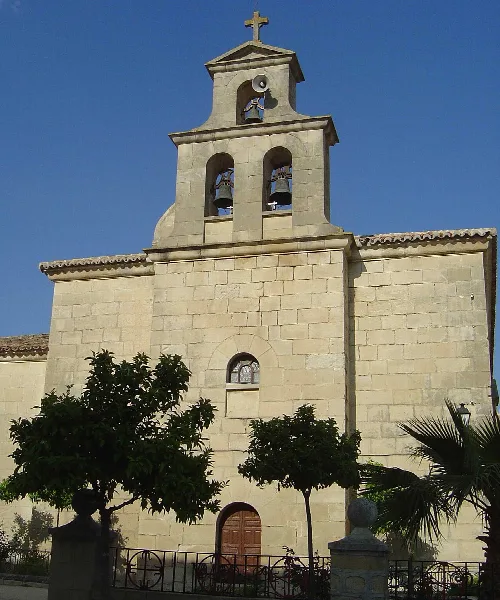
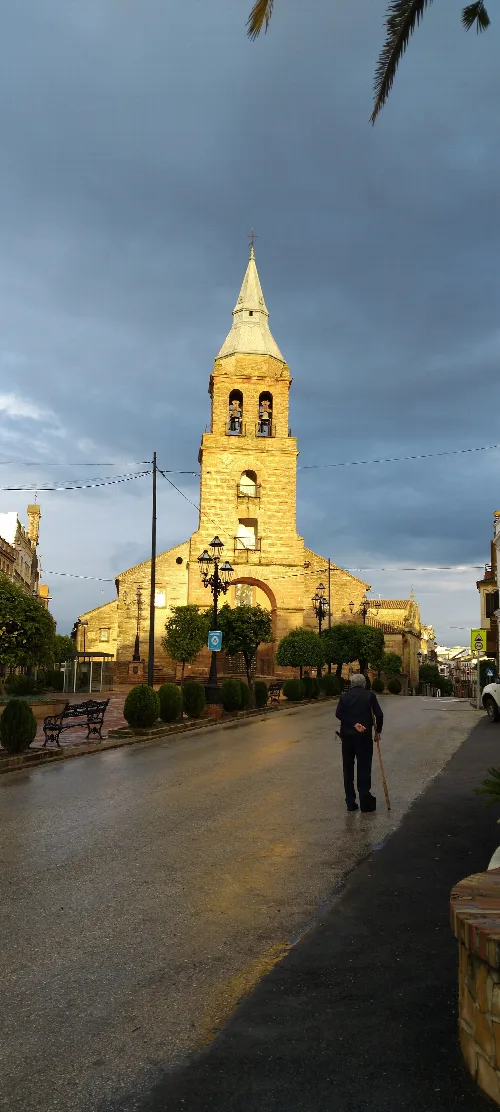
Iglesia parroquial de Nuestra Señora de la Asunción Built between 1903 and 1910, featuring murals by Julio Romero de Torres.
Casa de la Piedra A notable example of local stone craftsmanship.
Paseo de Jesús A historic park and social center.
06Culture and Festivals
Culturally, Porcuna is known for its traditional cuisine, which reflects the culinary influences of both Jaén and Córdoba. The town celebrates its patron saint, Nuestra Señora de Alharilla, with a notable pilgrimage held on the second Sunday of May.
Patron saint Nuestra Señora de Alharilla
Main festival Romería de Nuestra Señora de Alharilla
Traditional dishes Pipirrana, salmorejo, gazpacho al melón, violetes.
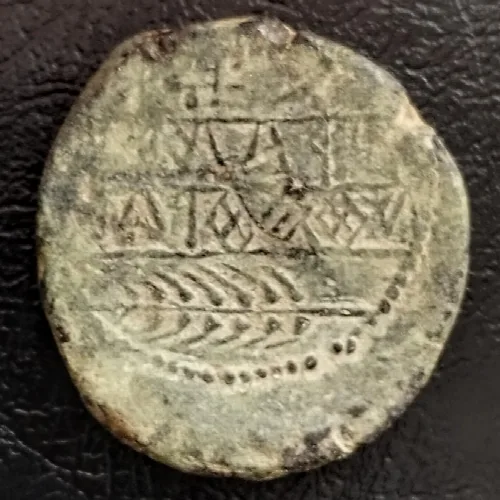
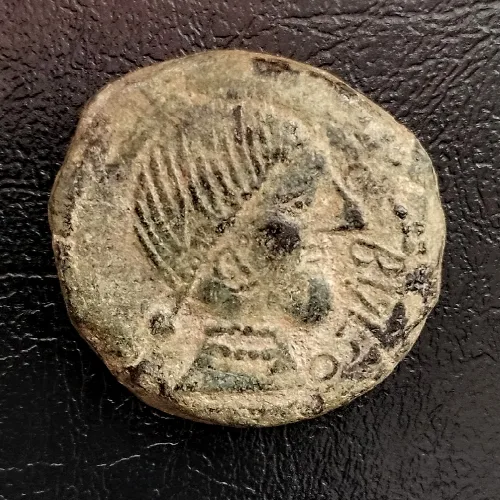
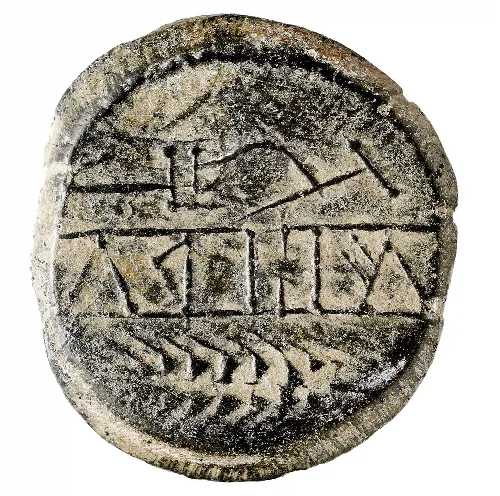
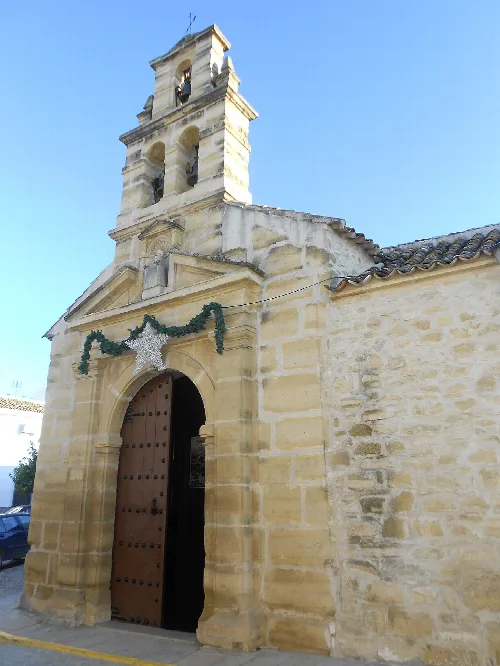
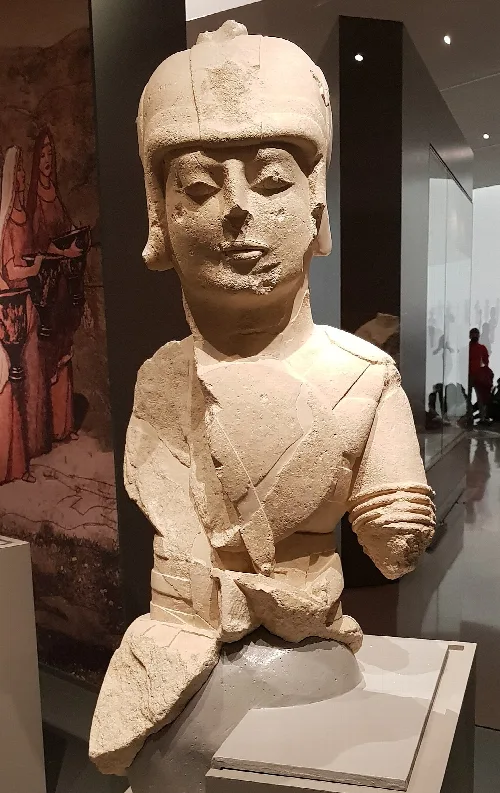
An ancient Roman coin from Obulco with inscriptions and relief decorations.Obulco coin with a face image and inscriptions on the reverse, an ancient Roman coin.Bronze Iberian coin with inscriptions and symbols, found in Obulco near Porcuna in Jaén.Facade of San Benito Church in Porcuna, with Christmas decorations at the entrance.Iberian warrior with double armor from Cerrillo Blanco, displayed in the Museum of Jaén, with details of clothing and helmet from the 5th century BC.
Frequently asked questions
What is the megalithic tomb in Cerrillo Blanco?
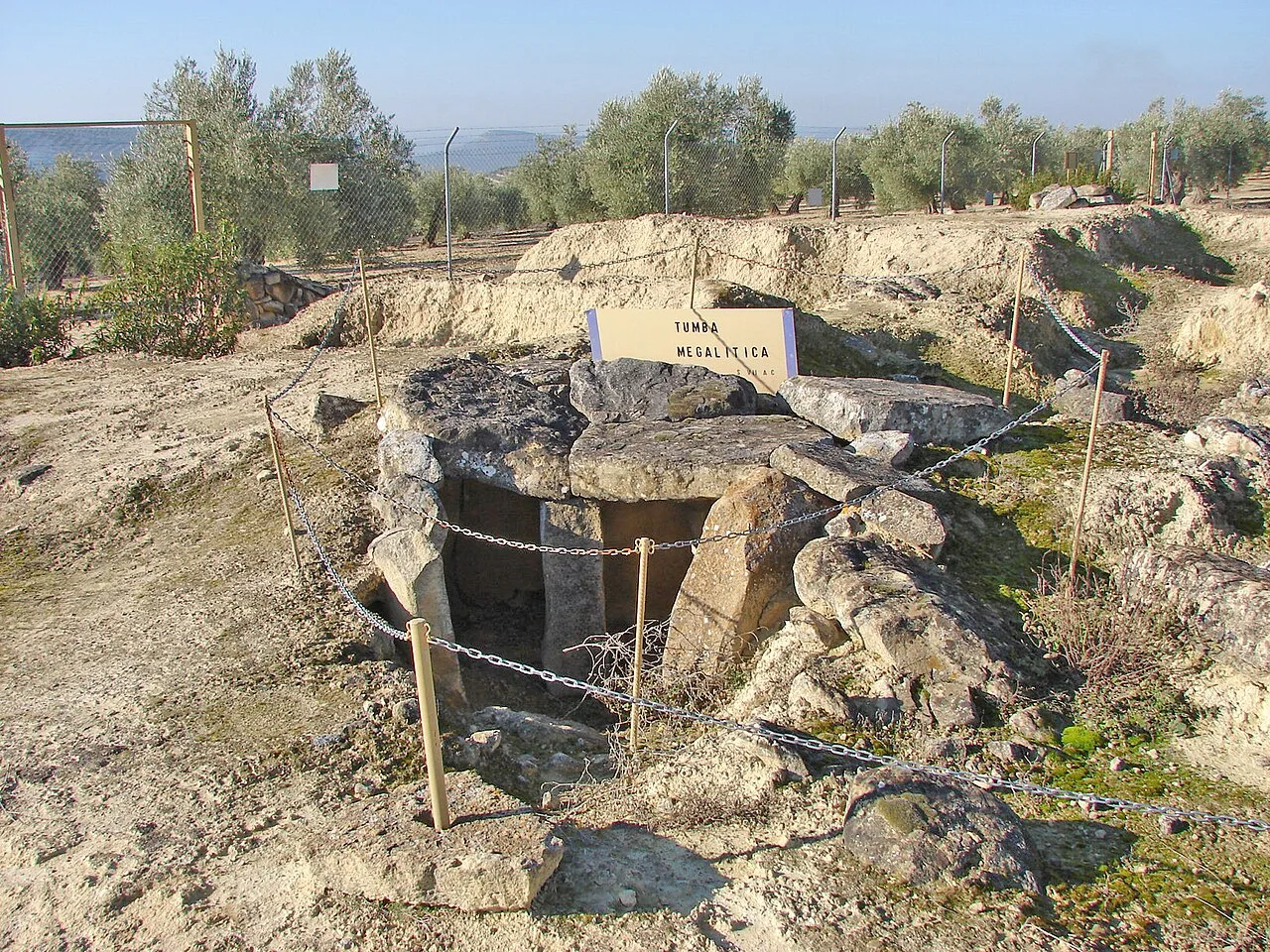
The megalithic tomb in Cerrillo Blanco is an archaeological site in Porcuna, known for being one of the most significant remnants from the Turdula culture. Discovered in 1975, it features around 1500 fragments of sculptures that narrate the history of an aristocratic lineage. This site is key to understanding the early history of the region and its cultural significance during the 5th century BC.
Torre Nueva, also known as the Tower of Boabdil, is a well-preserved part of the castle built by the Order of Calatrava between 1411 and 1435. Standing at 28 meters, it features beautiful Gothic vaults and decorative motifs. It is historically significant as it housed the Sultan Boabdil of Granada after his capture in 1483 and is a declared cultural heritage site since 1982.
What are the main agricultural products of Porcuna?
Agriculture is the backbone of Porcuna's economy, with olive cultivation being the primary source of income. The region also grows cereals, legumes, and sunflowers. The fertile soils and favorable climate contribute to the success of these agricultural activities, which have historically shaped the local economy and culture.
What is the significance of the Romería de Nuestra Señora de Alharilla?
The Romería de Nuestra Señora de Alharilla is Porcuna's most notable festival, celebrated on the second Sunday of May. This pilgrimage honors the patron saint of Alharilla, attracting many visitors and locals alike. It features traditional music, food, and a vibrant atmosphere, showcasing the community's cultural heritage and devotion.
What historical events took place in Porcuna during the Roman period?
During the Roman period, Porcuna, known as Obulco, was significant for its strategic location. It was a site of political and military importance, especially during the civil war between Julius Caesar and Pompey. Obulco supported Caesar, who prepared for the Battle of Munda here in 45 BC. The city enjoyed a degree of autonomy and was known for its own coinage.
What can you tell me about the Church of Nuestra Señora de la Asunción?
The Church of Nuestra Señora de la Asunción was built between 1903 and 1910, replacing the earlier Gothic church of Santa María la Mayor. Designed in a neo-Romanesque style, it features stunning murals by Julio Romero de Torres. The church stands as a central religious and cultural landmark in Porcuna, reflecting the town's architectural evolution.
SightsIglesia parroquial de Ntra. Sra. de la Asunción
How is the climate in Porcuna?
Porcuna experiences a Mediterranean continental-temperate climate, with an average annual temperature of around 17 °C. Rainfall averages about 500 liters per square meter annually, but it can be irregular, leading to extended dry periods. This climate poses challenges for agriculture, which is a key part of the local economy.
The Casa de la Piedra is a remarkable architectural work in Porcuna, built by the stonemason Antonio Aguilera between 1931 and 1960. It showcases the local stonemasonry tradition and was restored in 2018. Acquired by the town hall in 2023, it stands as a testament to the region's cultural heritage and craftsmanship.
What are the main historical influences on Porcuna?
Porcuna's history is marked by various influences, including the Turdula culture, Roman occupation, and the Muslim period when it was known as Bulkuna. The town's strategic location made it a significant military and political site throughout history, witnessing battles and changes in governance from ancient times through the Middle Ages and into modern history.
Porcuna offers various sports facilities, including venues for football and basketball. The Atlético Porcuna Club de Fútbol and Porcuna Club de Baloncesto are two prominent local sports entities. These facilities support community engagement in sports and promote physical activity among residents.
 espana.net