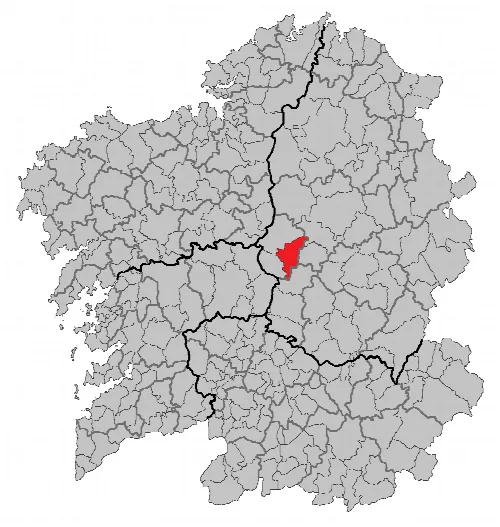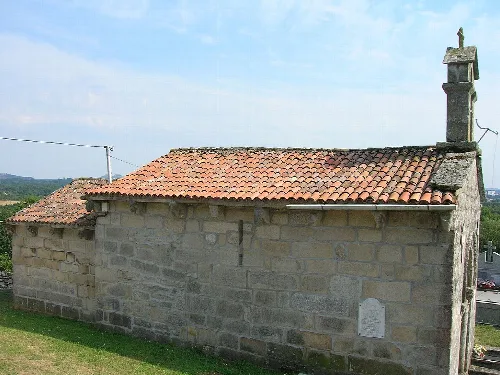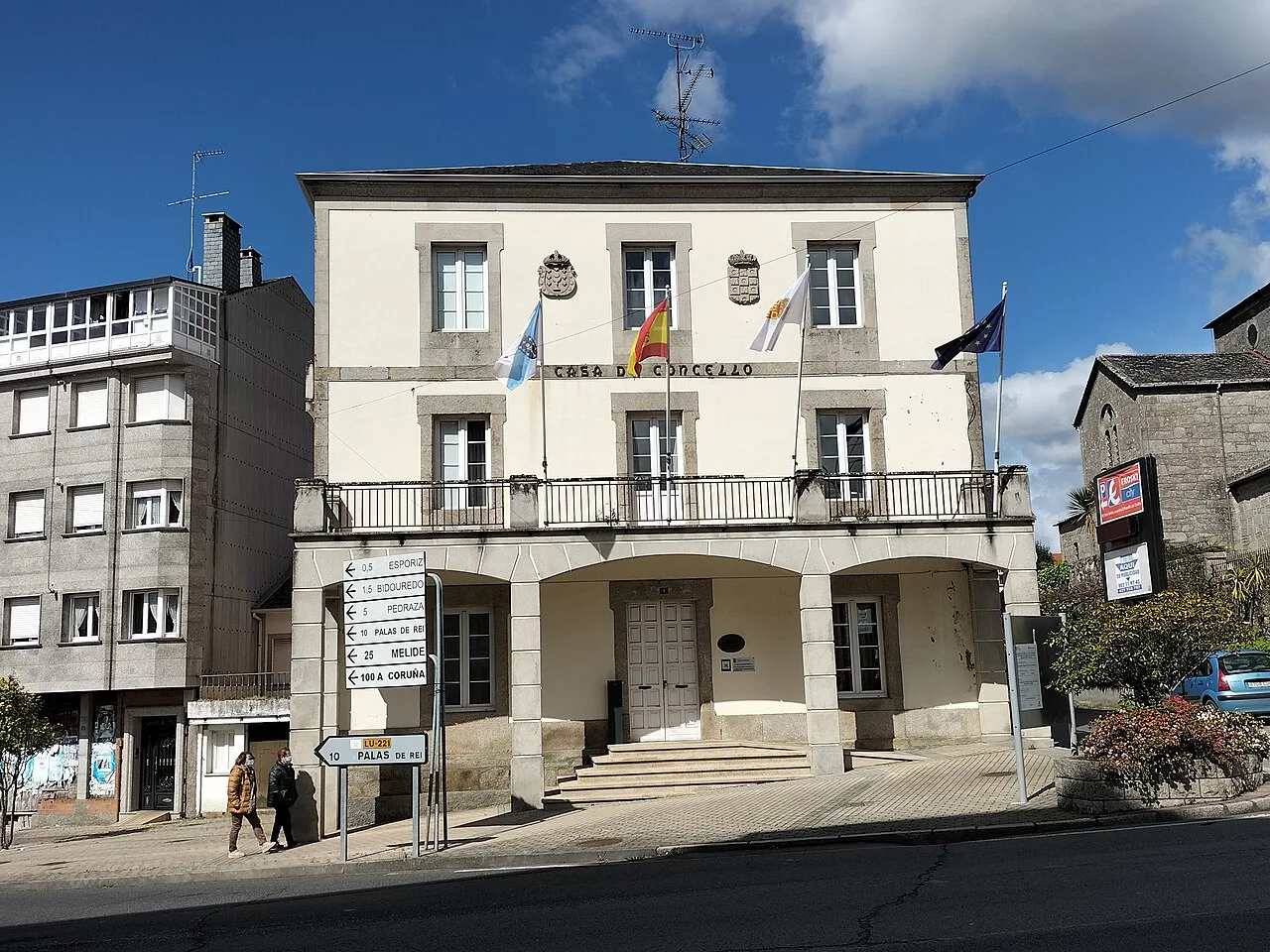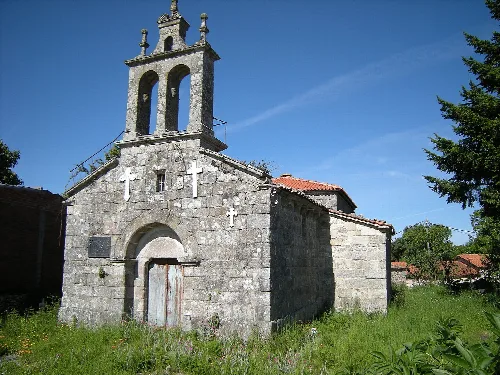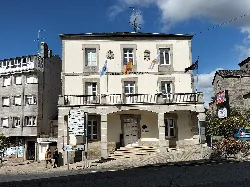
What is the Casa consistorial de Monterroso?
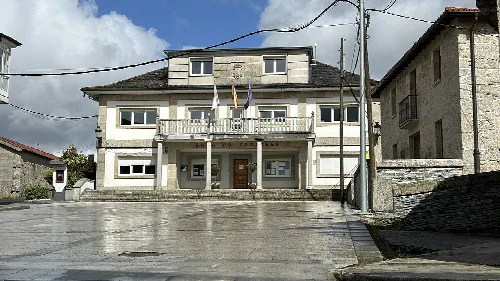
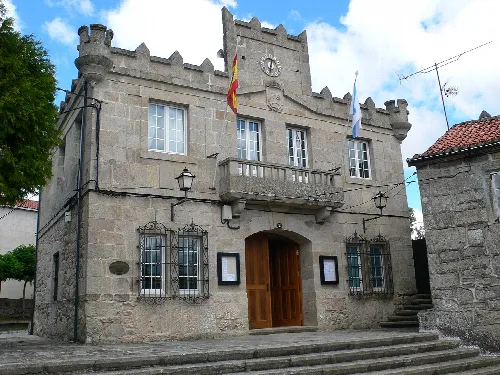
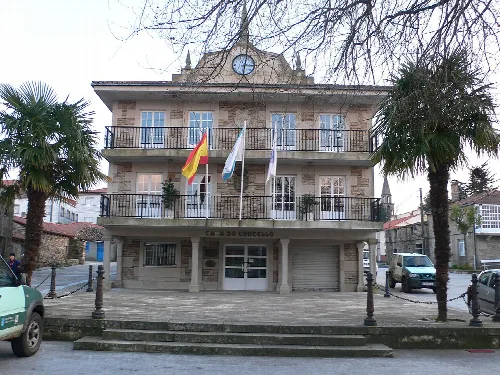
The Casa consistorial de Monterroso serves as the town hall and is a notable building in the municipality. It reflects the administrative center of Monterroso, where local governance takes place. The architecture showcases a blend of functionality and local style, making it an important landmark for residents and visitors alike.
Sights
Casa consistorial de Monterroso
How do I get to Monterroso from Lugo?
To reach Monterroso from Lugo, you can take the National Road N-640, which connects the two locations. This road runs from west to east, facilitating access to Monterroso. Additionally, there are bus services operated by Monbus that connect Lugo with Monterroso, providing a convenient travel option.
Getting there
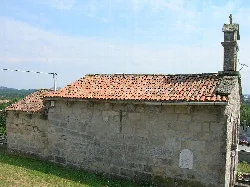
What can you tell me about the Iglesia de San Martiño de Cumbraos?
The Iglesia de San Martiño de Cumbraos is a significant Romanesque church located in Monterroso. It is known for its architectural beauty and historical importance, reflecting the region's rich cultural heritage. The church is one of several Romanesque structures that highlight the influence of the Camino de Santiago in the area.
Sights
Iglesia de San Martiño de Cumbraos
What is the climate like in Monterroso?
Monterroso experiences a moderately warm summer climate and relatively mild winters. The area receives significant rainfall, especially from October to January, while the summer months see a decrease in humidity and precipitation. This climate supports a diverse natural environment, making it pleasant for outdoor activities.
Nature
For residents
Are there any notable festivals in Monterroso?
Monterroso hosts various local festivals throughout the year, celebrating its cultural heritage and community spirit. These events often include traditional music, dance, and local cuisine, providing a vibrant atmosphere for both residents and visitors. Specific details about dates and activities can vary, so it's best to check locally.
Festivals & events
What historical significance does Monterroso have?
Monterroso has a rich historical background, with its name dating back to the 12th century, linked to the area's geography. It was once part of a larger region known as A Ulloa. The municipality has archaeological sites, including ancient Castros, that reflect its long-standing historical importance.
History
For residents
What are the main rivers in Monterroso?
The main river flowing through Monterroso is the Ulla, which runs from south to north and serves as a natural boundary with neighboring municipalities. Other significant tributaries include the Parteme and Lavandelo rivers, contributing to the area's hydrography and natural beauty.
Nature
For residents
What is a Pazo in Monterroso?
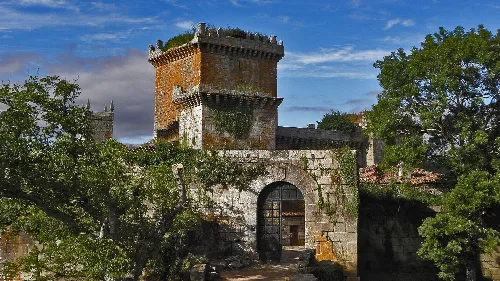
A Pazo is a type of Galician manor house, and Monterroso is home to several notable Pazos, such as the Pazo de Laxe and Pazo de San Miguel de Penas. These historical structures reflect the region's aristocratic past and are characterized by their unique architectural styles and surrounding landscapes.
History
For residents
What is the population of Monterroso?
Monterroso has a population of approximately 3,744 residents as of 2025. The town has seen fluctuations in its population over the years, particularly a decline since the mid-20th century due to emigration and a low birth rate, which has contributed to an aging demographic.
Living there
For residents
What can I expect from the food in Monterroso?
Monterroso offers a variety of traditional Galician cuisine, featuring local ingredients and recipes. Expect to find dishes that highlight seafood, meats, and fresh vegetables, often accompanied by local wines. The culinary scene reflects the region's agricultural heritage and cultural influences, making dining a delightful experience.
Food & drink
 espana.net