What is the history behind the name Abanilla?
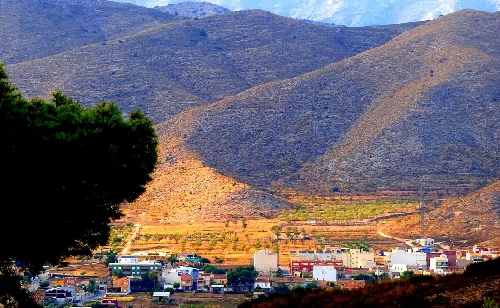
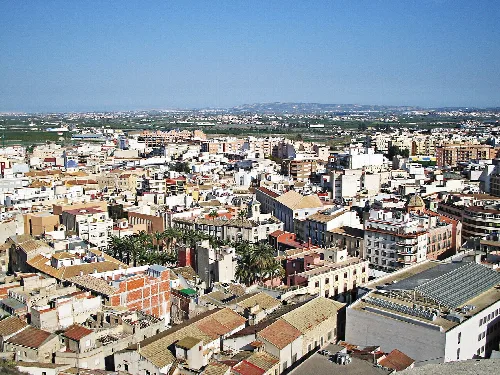
The name Abanilla derives from the Arabic term al-Bayada, meaning "the white city." This name evolved through various forms, including Favanella in Valencian and Havanilla in the 13th century, before settling on Abanilla. Its historical roots reflect the region's diverse cultural influences, particularly during the medieval period when it was part of the Taifa of Murcia.
History
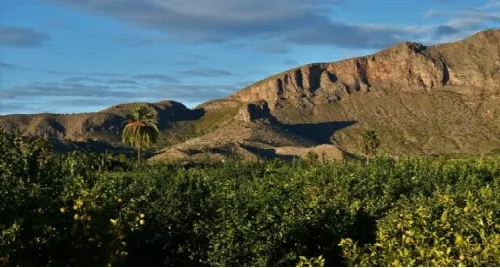
What can I see at the Sierra de Quibas?
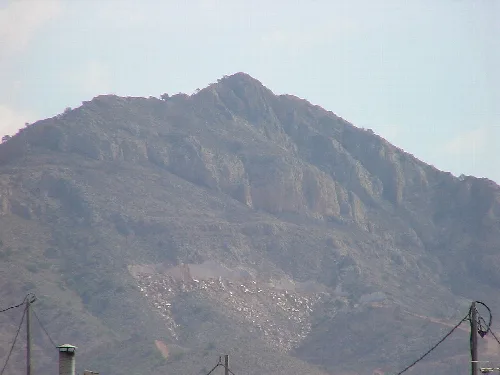
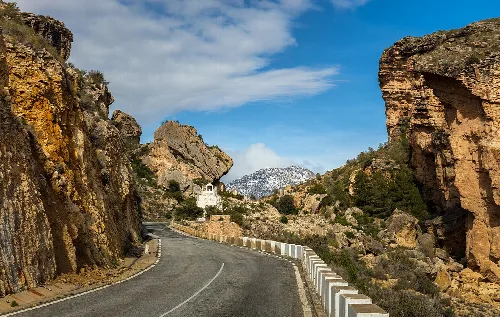
The Sierra de Quibas is notable for its diverse flora and fauna, including thermophilic juniper forests and various endemic species. Visitors can also explore the paleontological site that dates back over a million years. The area is ideal for hiking and enjoying the natural landscape, making it a popular destination for nature enthusiasts.
Nature
Sierra de Quibas
What is the significance of the Santa Cruz festival in Abanilla?
The Santa Cruz festival, held from April 23 to May 9, is one of the most important celebrations in Abanilla. It features a grand pilgrimage on May 3 and a vibrant parade of Moors and Christians on May 1. This festival attracts many visitors and showcases the local culture and traditions, making it a highlight of the year.
Festivals & events
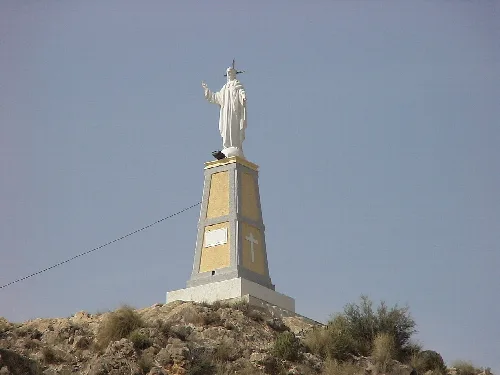
Santa Cruz festival
What are some local dishes I should try in Abanilla?
In Abanilla, you should try traditional dishes like arroz con conejo y caracoles, gachasmigas, and tortilleras. The region is also known for its homemade sausages and desserts made from local fruits like apricots and dates. Don't miss out on the local wines, which have been recognized since 2003 as a regulated geographical indication.
Food & drink
What is the climate like in Abanilla?
Abanilla experiences a typically Mediterranean climate, characterized by short, hot summers and cool, partly cloudy winters. The temperature ranges from 4 °C to 33 °C, with the hottest month being August. Rainfall is limited, averaging around 300 mm annually, making it a generally dry area throughout the year.
Practical
What are the main attractions in Abanilla?
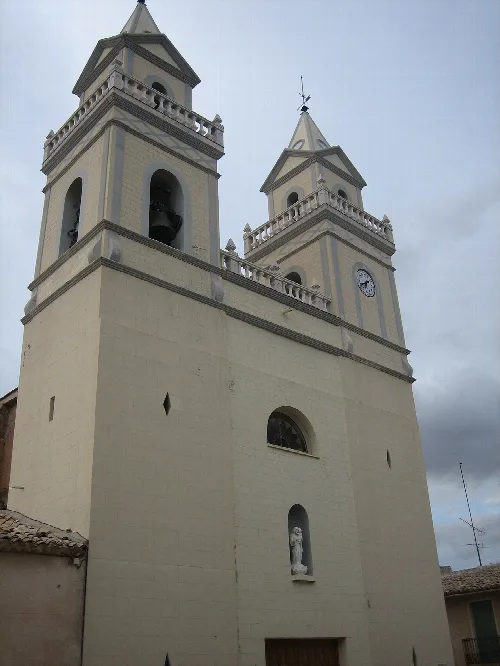
Abanilla features several key attractions, including the church of San José, the sanctuary of Santa Cruz in Mahoya, and the ruins of the medieval castle gifted to Guillén de Rocafull. The natural beauty of the Chícamo River and the Sierra de Quibas also draw visitors, offering opportunities for exploration and outdoor activities.
Sights
How can I get to Abanilla by road?
Abanilla is accessible by several local roads, including the RM-A7 connecting to Fortuna and RM-423 leading to Yecla. The RM-410 reaches the nearby pedanías of Barinas and Macisvenda. However, be cautious as the roads can be in poor condition due to heavy truck traffic from local quarries.
Getting there
What sports are popular in Abanilla?
In Abanilla, football is the most popular sport, with teams participating in both 11-a-side and indoor categories. The local youth engage in various competitions, including the summer 12 and 24-hour tournaments. The community also enjoys swimming at the municipal pool and other recreational activities throughout the year.
Living there
For residents
What is the significance of the ruins in Abanilla?
The ruins in Abanilla, including the medieval castle and the remnants of the walled town, reflect the area's rich historical heritage. These sites are linked to significant historical events, including the transition of power from the Taifa of Murcia to the Crown of Castile. They offer insight into the region's past and are important cultural landmarks.
History
For residents
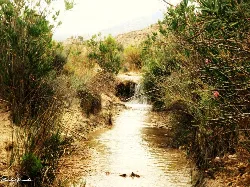
What wildlife can I expect to see around the Río Chícamo?
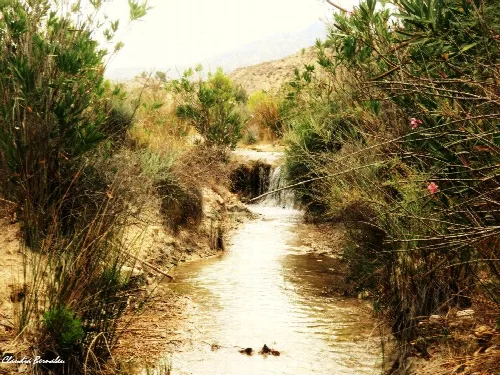
The Río Chícamo is home to a variety of wildlife, including endemic species like the Fartet and the dragonfly Coenagrion mercuriale. The area also supports diverse plant communities, including halophytic and thermophilic flora. Birdwatchers may spot species such as the Golden Eagle and the Eurasian Eagle-Owl, making it a rich habitat for nature lovers.
Nature
Río Chícamo
 espana.net