What are the main attractions in Fortuna?
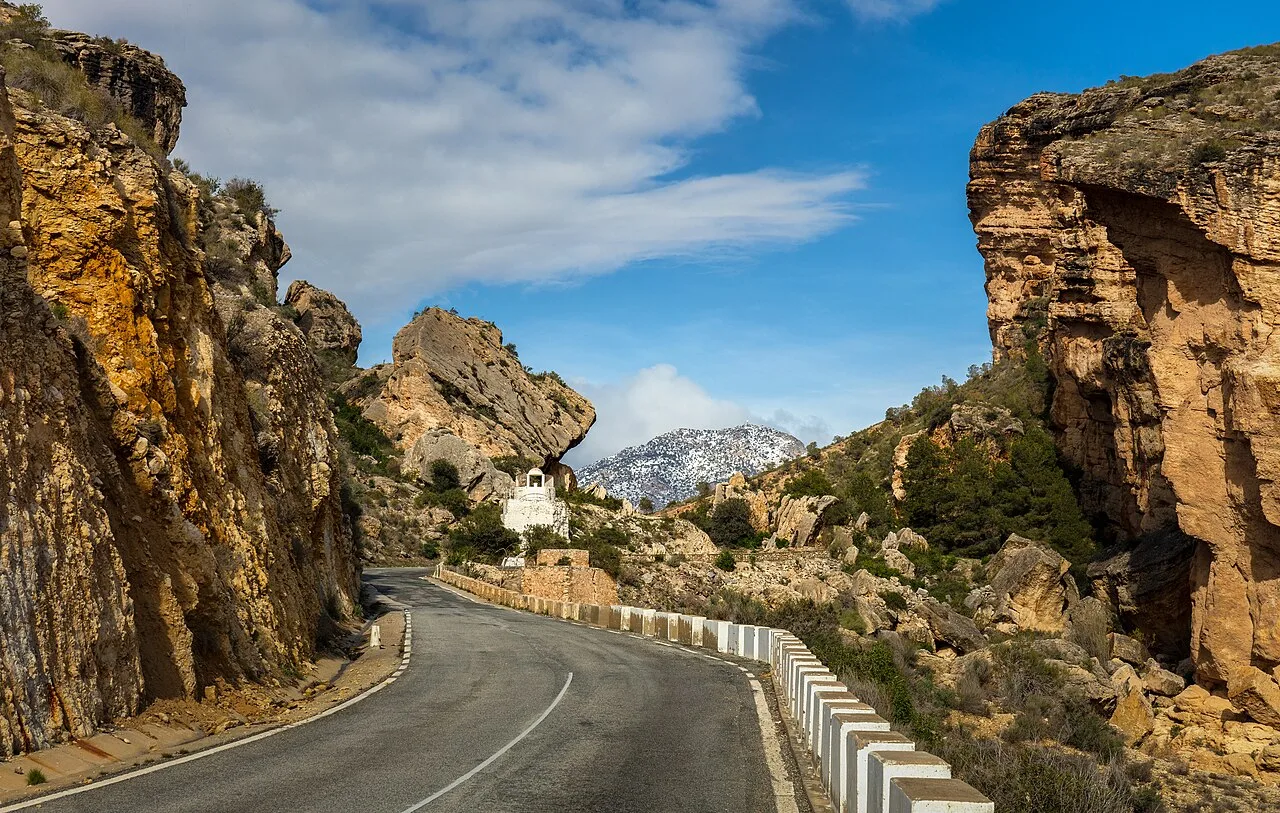
Fortuna is known for its thermal waters, particularly at the Balneario de Leana, which dates back to Roman times. Visitors can explore the archaeological sites like the Santuario Romano de los Baños and the Cueva Negra. The town also boasts beautiful natural areas, including the Parque Regional de la Sierra de la Pila, and hosts vibrant festivals such as the Fiestas de Sodales Íbero-romanos in August.
Sights
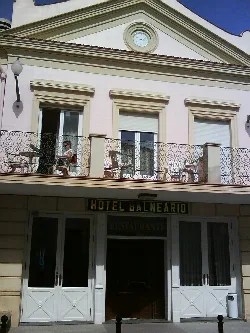
What is the history behind the Balneario de Leana?
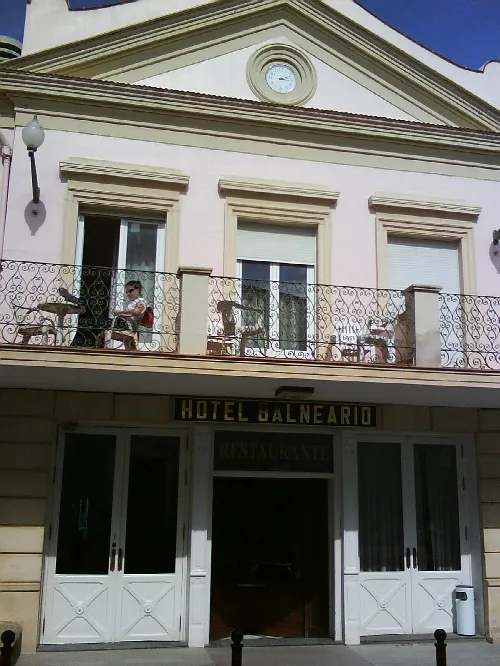
The Balneario de Leana is one of the oldest spas in Spain, with origins tracing back to the 1st century AD when the Romans built a bathing complex. It has undergone several reconstructions, including a significant one during the 19th century by Juan Cascales Font, who developed the current spa, utilizing the area's renowned thermal waters.
History
Balneario de Leana
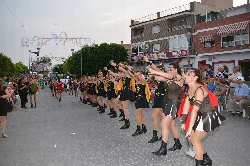
What is the significance of the Fiestas de Sodales Íbero-romanos?
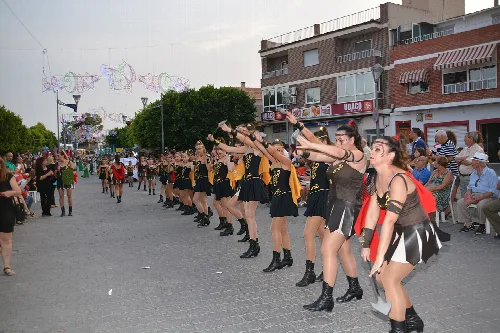
The Fiestas de Sodales Íbero-romanos celebrate Fortuna's rich Iberian and Roman heritage. Held in August, these festivities include a grand parade and a Roman-themed dinner at the Cueva Negra. They are declared of regional tourist interest and involve over 400 participants, showcasing the town's historical traditions.
Festivals & events
Fiestas de Sodales Íbero-romanos
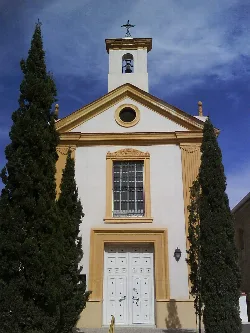
Can you tell me about the Iglesia Parroquial de la Purísima Concepción?
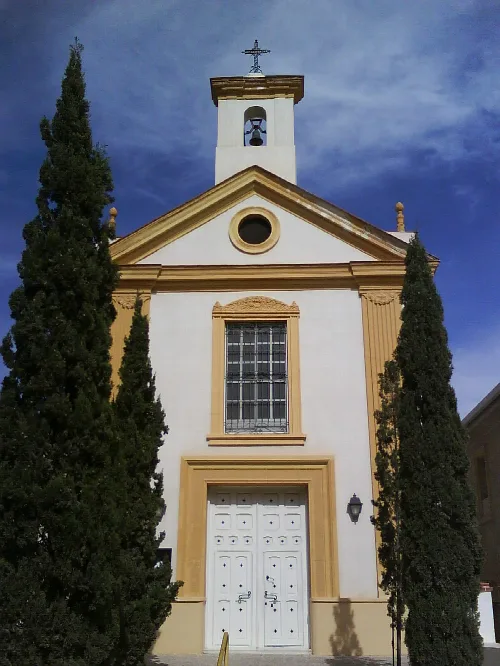
The Iglesia Parroquial de la Purísima Concepción is a Baroque church located in the central plaza of Fortuna. Built between 1728 and 1744, it has undergone several restorations, the latest in 1998. The church houses the image of the town's patron saint, the Purísima Concepción, dating back to 1690.
Sights
Iglesia Parroquial de la Purísima Concepción
What can I expect from the Semana Santa celebrations in Fortuna?
Semana Santa in Fortuna features eight brotherhoods and twelve images that participate in processions over six days, involving over 800 penitents. The processions are accompanied by three local bands, creating a deeply devotional atmosphere. The most notable is the solemn procession of the Santísimo Cristo del Perdón, held at midnight.
Festivals & events
Semana Santa
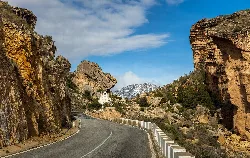
What outdoor activities are available in the Parque Regional de la Sierra de la Pila?
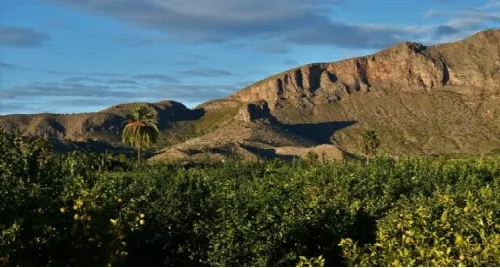
The Parque Regional de la Sierra de la Pila offers various outdoor activities such as hiking, birdwatching, and enjoying scenic views of the mountainous landscape. This protected area is a haven for nature lovers and is part of a larger ecological zone recognized by the EU for its biodiversity.
Nature
Parque Regional de la Sierra de la Pila
What are the traditional dishes to try in Fortuna?
Fortuna's cuisine features traditional Murcian dishes, including zarangollo (a scrambled egg dish with zucchini) and pastel de carne (a meat pie). During local festivals, visitors can enjoy free samples of regional specialties, particularly during the Fiestas de San Isidro, where food is a central element of the celebrations.
Food & drink
How do I get to Fortuna by public transport?
Fortuna is accessible by bus, with interurban services connecting it to nearby areas. While there is a train station, it is located outside the municipality, in Campotéjar. Visitors can use local bus services to reach Fortuna conveniently from surrounding towns.
Getting there
What is the significance of the Ermita de San Roque?
The Ermita de San Roque is the first church in Fortuna, built in the early 17th century. It holds historical importance as the site where the town's Carta Puebla was delivered. The chapel also plays a key role in local religious processions, particularly during the festivities in honor of San Roque.
History
Ermita de San Roque For residents
Are there any local newspapers in Fortuna?
Fortuna has a vibrant local media scene, including the newspaper La Voz de Fortuna, which has been published since 2004. Additionally, the Diario de Fortuna, an online publication, provides up-to-date news and information about local events and community life, serving as a key resource for residents.
Practical
For residents
 espana.net