What can you tell me about the Cathedral of Santa María in Tui?
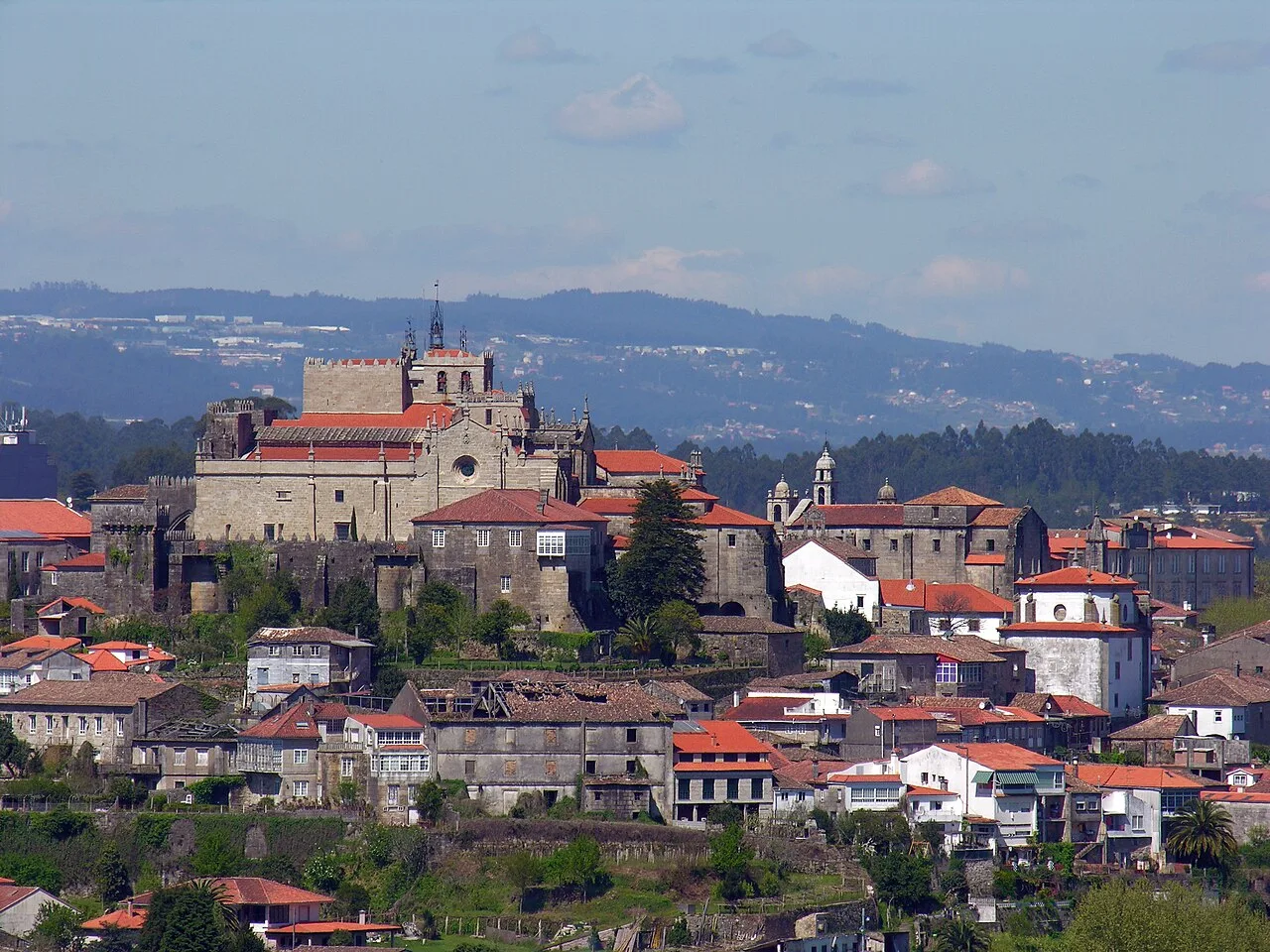
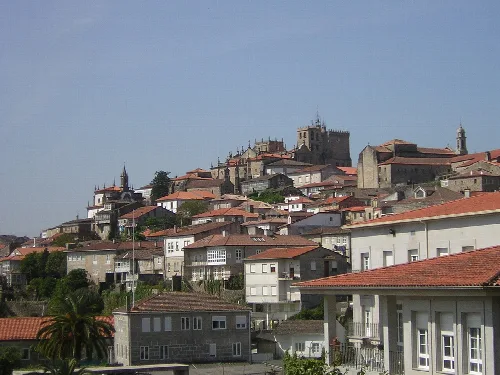
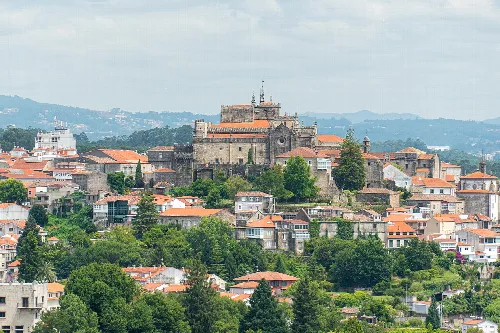
The Cathedral of Santa María is one of the most notable landmarks in Tui, resembling a fortress with its crenellated towers and passageways. It was consecrated in 1225 and features a blend of Romanesque and early Gothic architecture. The cathedral serves as the seat of the Diocese of Tuy-Vigo, reflecting the city's historical significance as a religious center.
Sights
Catedral de Santa María
How do I get to Tui from Portugal?
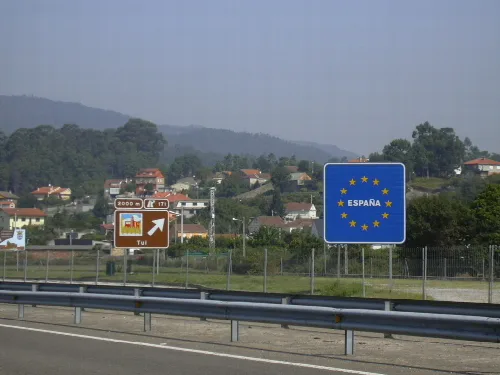
You can easily reach Tui from Portugal via two bridges: the A-55 motorway bridge and the International Bridge of Tui. These connections facilitate travel between Tui and the Portuguese town of Valença, making it convenient for visitors from across the border.
Getting there
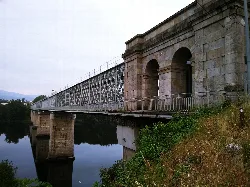
What is the history behind the International Bridge of Tui?
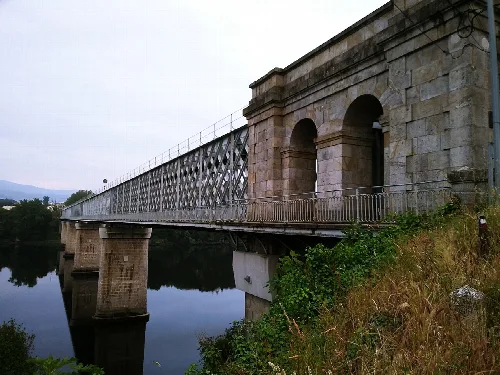
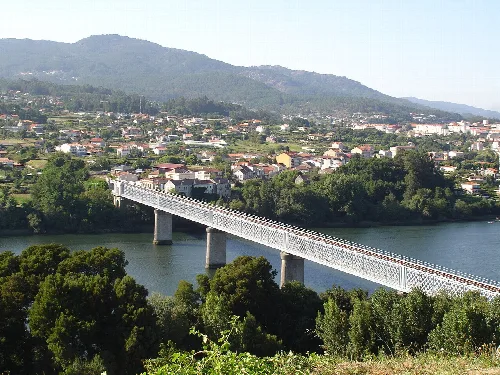
The International Bridge of Tui, designed by engineer Pelayo Mancebo, has been a vital connection between Spain and Portugal for over a century. It links Tui with Valença do Minho and is an essential part of the region's infrastructure, facilitating trade and travel across the border.
History
Puente Internacional de Tuy
What outdoor activities can I enjoy in Tui?
In Tui, you can enjoy various outdoor activities, especially along the river Miño. The recently developed riverside promenade offers a scenic space for walking and relaxing, while the surrounding natural areas provide opportunities for hiking and exploring the local flora and fauna.
Nature
What are some traditional foods to try in Tui?
When in Tui, you should try local Galician dishes such as pulpo a la gallega (octopus), empanada gallega (Galician pie), and various seafood dishes, given the city's proximity to the coast. Don't forget to sample local wines, particularly those from the Rías Baixas region.
Food & drink
Are there any annual events in Tui?
Tui hosts several annual events that celebrate its culture and history. One notable event is the Festas de San Telmo, which takes place in early April, featuring religious processions, music, and local cuisine. This festival attracts both locals and visitors, showcasing the city's vibrant community spirit.
Festivals & events
What is the climate like in Tui?
Tui has an Atlantic climate with Mediterranean influences, characterized by mild, rainy winters and warm summers. The temperatures are generally comfortable, rarely exceeding 35 °C in summer, making it a pleasant destination year-round.
Practical
What is the significance of the Monte Aloya in Tui?
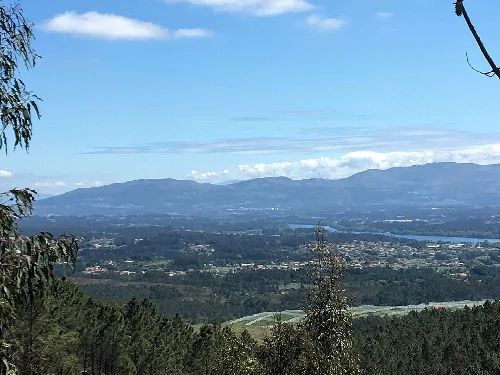
Monte Aloya, the highest point in Tui at 632 meters, is significant for its historical and natural value. It features ancient settlements and fortifications, and it is believed to be linked to the resistance against Roman conquest. The area offers stunning views and is a popular hiking destination.
History
monte Aloya For residents
How is the local economy in Tui structured?
Tui's economy is primarily service-oriented, with about 70% of the workforce engaged in the service sector. The city also has a growing industrial base, particularly with the establishment of the Areas industrial park, while agriculture remains a traditional part of the economy.
Living there
For residents
What is the Paseo de la Corredera like?
The Paseo de la Corredera is Tui's main pedestrian street, known for its historic buildings and vibrant atmosphere. It's lined with noble structures and serves as a popular gathering spot for locals and visitors alike, offering a glimpse into the city's rich history and culture.
Sights
Paseo de la Corredera
 espana.net