La Victoria de Acentejo is a municipality located in the northern part of Tenerife, within the province of Santa Cruz de Tenerife. Known for its rich agricultural landscape and historical significance, it was the site of the last battle in the conquest of the Canary Islands.
02History
La Victoria de Acentejo has a deep historical background, marked by the Second Battle of Acentejo on December 25, 1495, which concluded the conquest of the Canary Islands. This battle led to the municipality being declared a Historic Villa in 2014. The area was originally inhabited by the Guanches and later became a focal point for Spanish colonization.
1495 Final battle of the conquest of the Canary Islands.
2014 Declared a Historic Villa by the Government of the Canary Islands.
1813 Established as a municipality.
1899 Granted the title of villa.
2003 Official twinning with Taguasco.
03Geography
La Victoria de Acentejo is situated in the northern region of Tenerife, bordered by the Atlantic Ocean to the north. The municipality features a trapezoidal shape, with a rugged terrain that includes numerous ravines and a maximum elevation at Lomo Custodio.
La Victoria de Acentejo is a historic municipality in Tenerife, known for its agriculture and cultural heritage.
04Economy
Historically, agriculture and livestock farming formed the backbone of La Victoria's economy. Although these sectors remain important, the local economy has shifted towards services and construction, particularly following the tourism boom in the 1960s.
Main agricultural products Cereals, grapes, and bananas.
Wine production Part of the Tacoronte-Acentejo Denomination of Origin.
Livestock Includes some cattle and goats.
Craftsmanship Notable for pottery and traditional chair making.
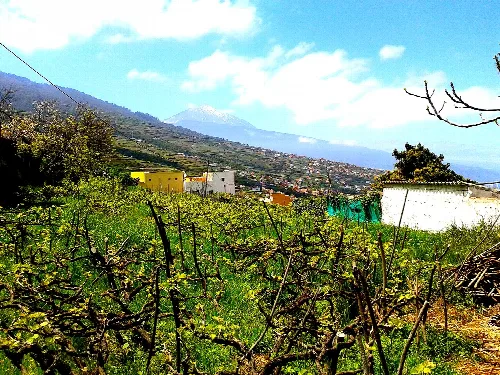
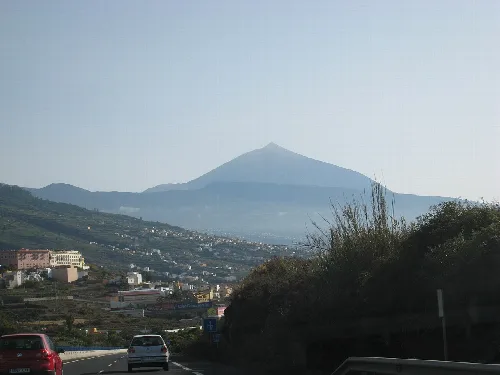
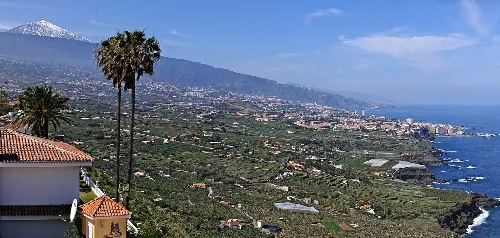
View of Mount Teide from La Victoria de Acentejo with vineyards in the foreground.View of Mount Teide from the TF-5 highway near La Victoria de Acentejo with Santa Úrsula and Valle de La Orotava in the background
05Culture and Festivals
La Victoria de Acentejo hosts various cultural events and festivals throughout the year, with the most significant being the patronal festivities in honor of the Virgen de la Encarnación. These celebrations include music, parades, and traditional activities.
Main festivals Patronal festivities at the end of August.
Local holidays Tuesday of Carnival and September 1.
Notable events Romería in honor of San Isidro Labrador.
Artisan fair Annual fair showcasing local crafts.
06Flora and Fauna
The natural environment of La Victoria de Acentejo is characterized by a diverse range of flora and fauna, despite human impact. Coastal cliffs host unique plant species, while the municipality is home to various birds, mammals, and reptiles.
Common amphibians Pelophylax perezi and Hyla meridionalis.
Bird species Includes Anthus berthelotii, Serinus canaria, and Calonectris diomedea.
Mammals Oryctolagus cuniculus and Mus musculus.
Reptiles Gallotia galloti and Tarentola delalandii.
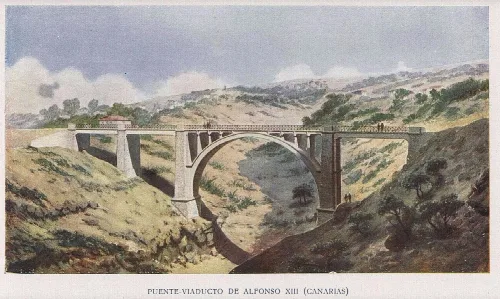
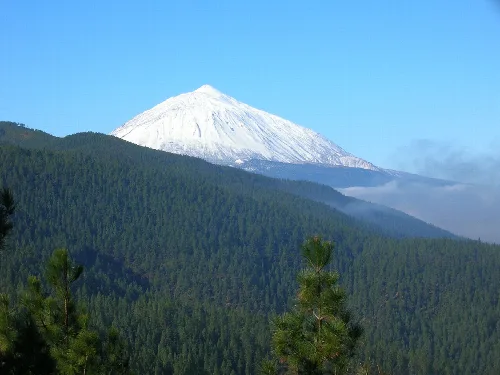
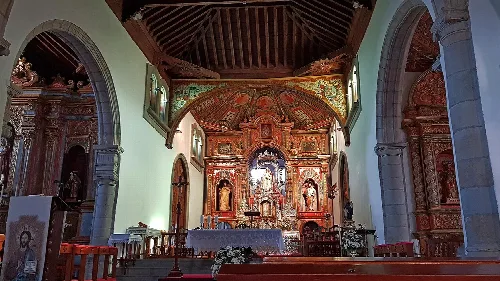
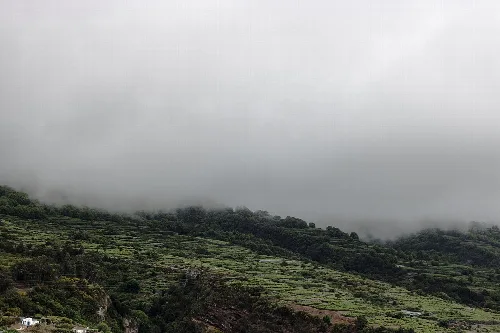
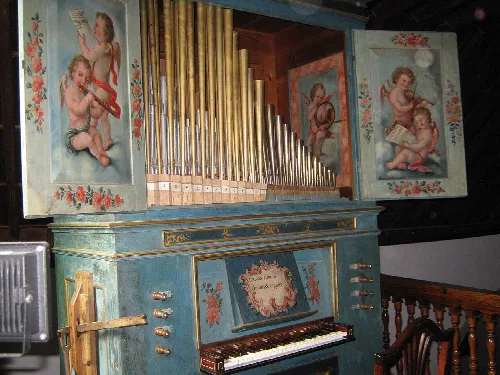
Alfonso XIII Iron Bridge between Santa Úrsula and La Victoria de Acentejo in TenerifeSnow-capped Mount Teide and a pine forest in La Victoria de Acentejo, Santa Cruz de Tenerife.Interior of Our Lady of Victory Church in La Victoria de Acentejo.Views of Monte de la Victoria de Acentejo with clouds covering the summit.Interior of the Church of Our Lady of the Incarnation in La Victoria de Acentejo, featuring a painted angel-themed organ.
Frequently asked questions
What is the significance of the Parroquia de Nuestra Señora de la Victoria?
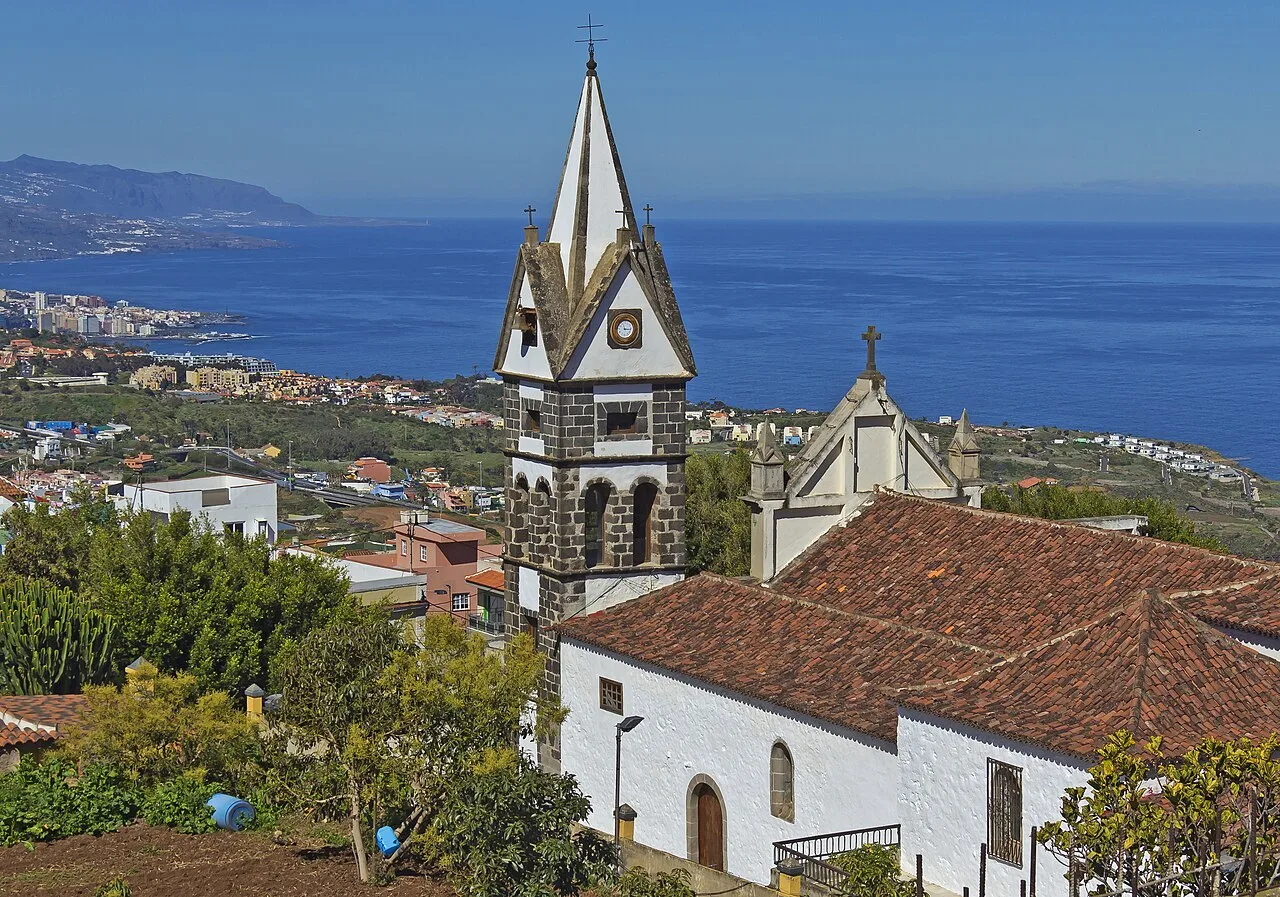
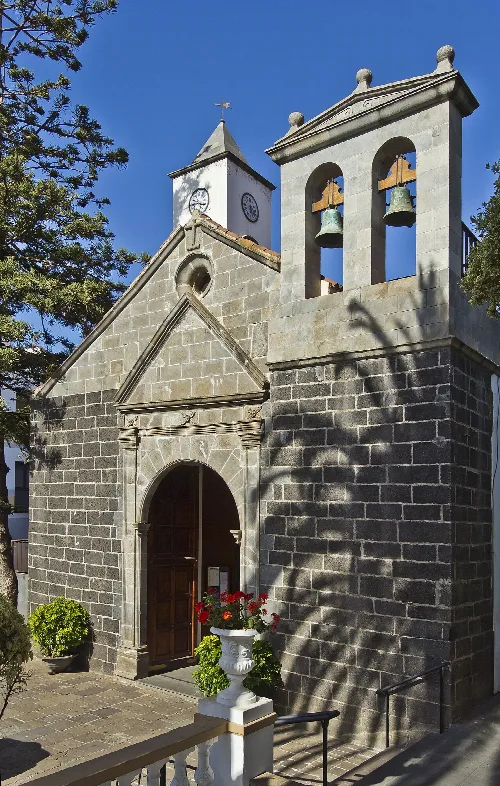
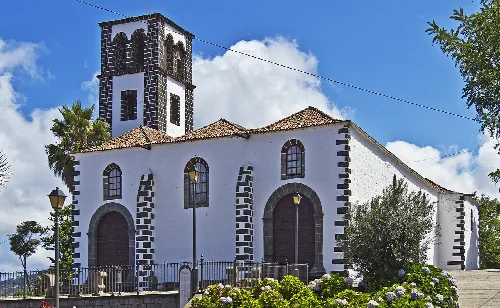
The Parroquia de Nuestra Señora de la Victoria is historically significant as it was built on the site of the last battle between the Guanches and the Castilians on December 25, 1495. The church was originally a simple hermitage established by Alonso Fernández de Lugo, and it has since become a central part of the community's identity.
From La Victoria de Acentejo, you can enjoy stunning views of El Teide, the highest peak in Spain. The area offers picturesque landscapes and a unique perspective of the volcanic mountain, making it a great spot for photography and nature lovers.
What are the main agricultural products in La Victoria de Acentejo?
La Victoria de Acentejo primarily focuses on agriculture, with significant cultivation of cereals, vineyards, and bananas in the lower areas. The region is known for its wine production, particularly red wine, as part of the Tacoronte-Acentejo Denomination of Origin.
What is the history behind the name La Victoria de Acentejo?
The name La Victoria de Acentejo commemorates the victory over the Guanches during the conquest of the Canary Islands. The term 'Acentejo' is derived from the Guanche name for the area, which means 'continuous resonance.' It was officially changed to include 'de Acentejo' in 1916 to distinguish it from other places with similar names.
What is the Puente de Hierro and its historical significance?
The Puente de Hierro, or Iron Bridge, connects La Victoria de Acentejo and Santa Úrsula. Inaugurated in 1909, it is an important historical structure that showcases the engineering of its time and serves as a vital link between the two municipalities.
Are there any protected natural spaces in La Victoria de Acentejo?
Yes, La Victoria de Acentejo includes parts of the protected natural spaces known as Las Lagunetas and Costa de Acentejo, as well as the Reserva Natural Especial de Las Palomas. These areas are important for conservation and biodiversity, featuring unique flora and fauna.
What are the main festivals celebrated in La Victoria de Acentejo?
La Victoria de Acentejo celebrates several festivals throughout the year, with the most notable being the patronal festivities in honor of the Virgen de la Encarnación at the end of August. Events include 'El Verbenazo,' the Gala of Reina and Míster, and the traditional Romería in honor of San Isidro Labrador.
What kind of wildlife can be found in La Victoria de Acentejo?
La Victoria de Acentejo is home to various wildlife, including amphibians like the common frog, numerous bird species such as the canary and the common buzzard, and reptiles like the Canary lizard. The area supports a rich biodiversity due to its varied habitats.
How did La Victoria de Acentejo develop as a municipality?
La Victoria de Acentejo was established as a municipality in 1813 following the new municipal organization from the Constitution of Cádiz. It gained further recognition and economic power in 1836, and in 1899, it was granted the title of villa, reflecting its growth and development over the years.
What is the climate like in La Victoria de Acentejo?
La Victoria de Acentejo experiences a climate typical of the northern slopes of Tenerife, influenced by local topography and trade winds. This results in a unique weather pattern that supports its rich agricultural landscape, characterized by mild temperatures and occasional rainfall.
 espana.net