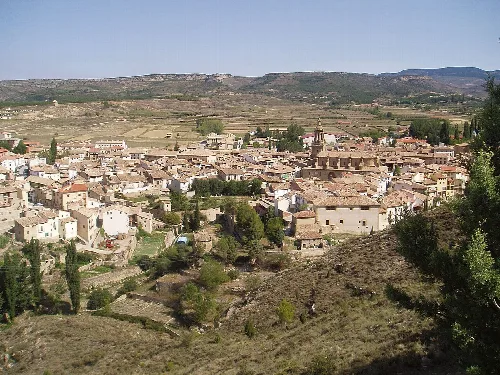
What are the main historical events that shaped Mora de Rubielos?
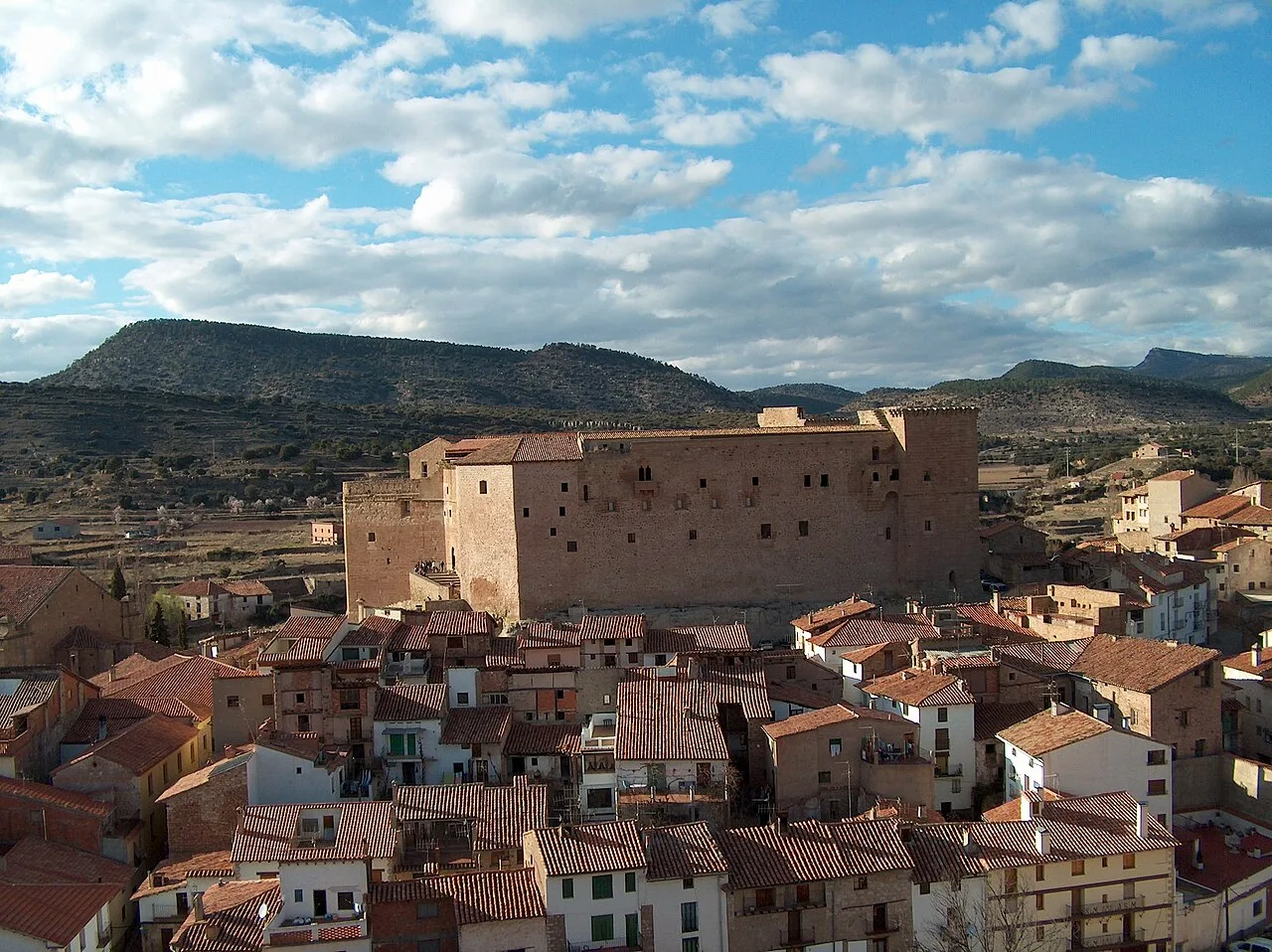
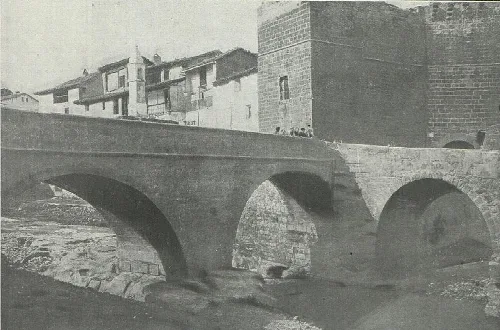
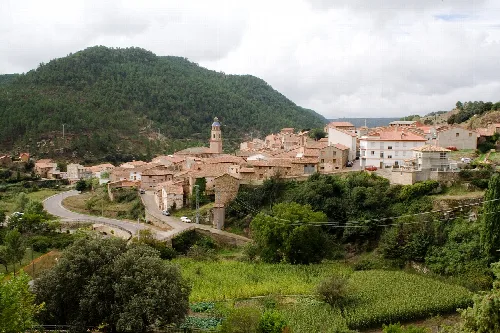
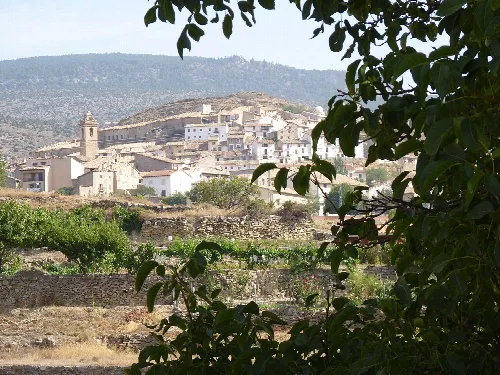
Mora de Rubielos has a rich history marked by reconquest during the Middle Ages, notably by Alfonso II. It changed hands multiple times, with significant events during the Wars of the Two Pedros and the Civil War, where it served as a Republican capital. The town also received the title of 'Fidelísima' after supporting Felipe V during the Succession War, reflecting its historical significance.
History
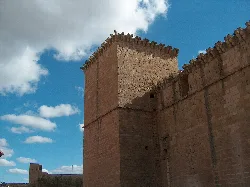
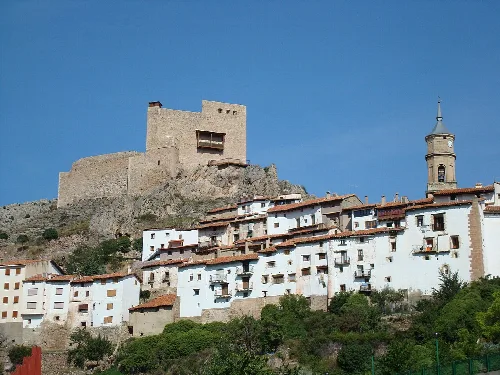
What is the significance of the Castillo de Mora de Rubielos?
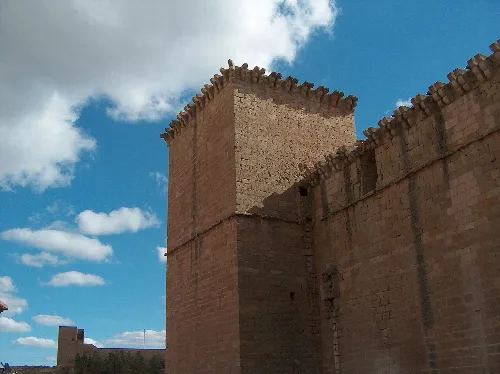
The Castillo de Mora de Rubielos, dating back to 1198, combines military and residential architecture. It features elements from the Romanesque and Gothic periods, showcasing its historical evolution. Today, it houses the Museo Etnológico and serves as a cultural venue, reflecting its ongoing importance in the community.
Sights
Castillo de Mora de Rubielos
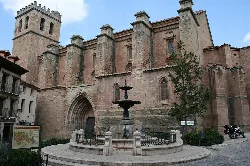
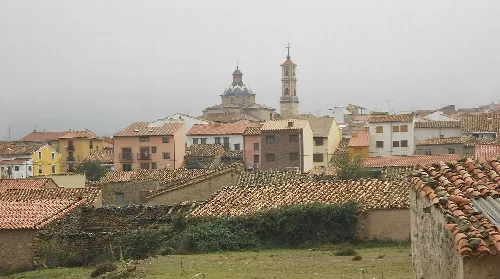
What can you tell me about the Iglesia ex-colegiata in Mora de Rubielos?
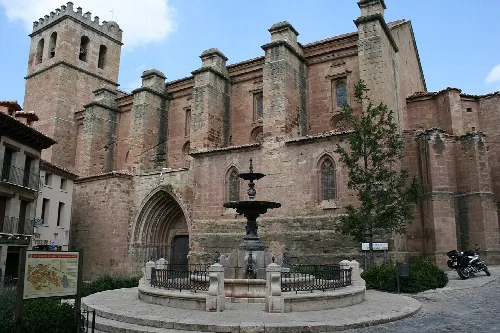
The Iglesia ex-colegiata, a Gothic temple from the mid-14th century, is notable for its unique architectural features, including a wide nave and intricate vaulting. It has a rich history, having served various purposes during the Civil War, and was declared a National Monument in 1944 due to its artistic value.
Sights
Iglesia ex-colegiata Mora de Rubielos
What are the main festivals celebrated in Mora de Rubielos?
Mora de Rubielos hosts several vibrant festivals, including the Hogueras de San Pedro from April 30 to May 2, and the Fiestas patronales de San Miguel on September 29, which feature the traditional 'toro embolado.' Additionally, the summer Festival 'Puerta al Mediterráneo' showcases dance and theater, attracting cultural enthusiasts.
Festivals & events
How is the climate in Mora de Rubielos?
Mora de Rubielos experiences a climate classified as Cfb, characterized by long, dry, and cold winters, with short, mild summers. The average annual temperature is around 10.6 °C, and it receives about 551 mm of precipitation, making it a typical mountain climate.
Nature
For residents
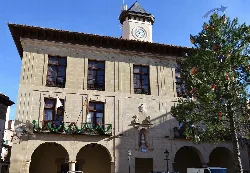
What is the architectural style of the Ayuntamiento in Mora de Rubielos?
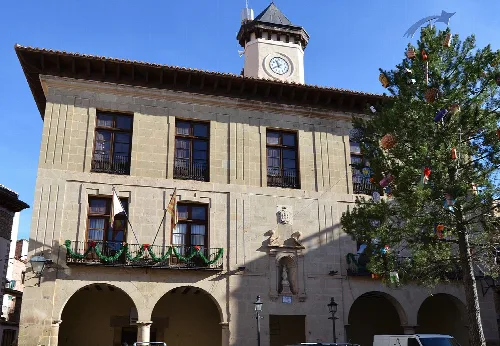
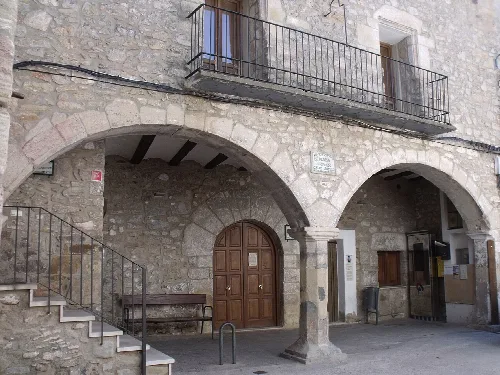
The Ayuntamiento of Mora de Rubielos is designed in the Herrerian style, characterized by its solid and geometric façade. Built in the 17th century, it reflects the town's historical architecture with its robust structure and simple moldings, making it a notable landmark in the area.
Sights
Ajuntament
What archaeological sites are near Mora de Rubielos?
Mora de Rubielos features important archaeological sites, including 'La Hoya Quemada,' a Bronze Age settlement, and 'La Cueva del Coscojar,' which contains Neolithic artifacts. These sites provide insight into the area's ancient history and cultural evolution, attracting researchers and history enthusiasts alike.
History
For residents
What types of food are traditional in Mora de Rubielos?
Mora de Rubielos is known for its agricultural products, including wheat, maize, and various vegetables. Traditional dishes often feature local ingredients, reflecting the region's culinary heritage. The local cuisine is influenced by its historical agricultural practices, showcasing the flavors of Aragon.
Food & drink
For residents
What is the population trend in Mora de Rubielos?
Mora de Rubielos has experienced population fluctuations over the centuries. While it had over 2,500 residents in the late 18th century, the population declined in the 20th century. Recently, there has been a slight recovery, with a current population of around 1,752 residents.
Living there
For residents
What are the main features of the Ermita de Loreto?
The Ermita de Loreto, built in 1547 and renovated in 1798, features a single nave with a semicircular apse and a barrel vault. Its simple yet elegant design reflects the architectural style of the period, making it an important religious site in Mora de Rubielos.
Sights
Ermita de Loreto
 espana.net