What can you tell me about the Portal de Teruel in Sarrión?
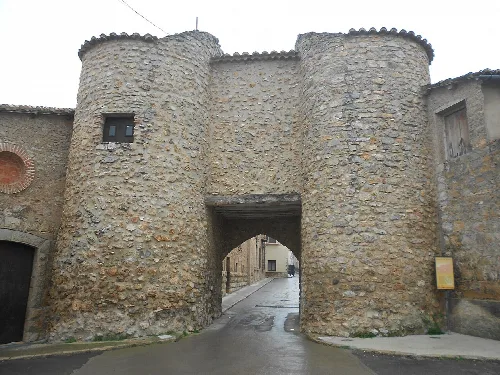
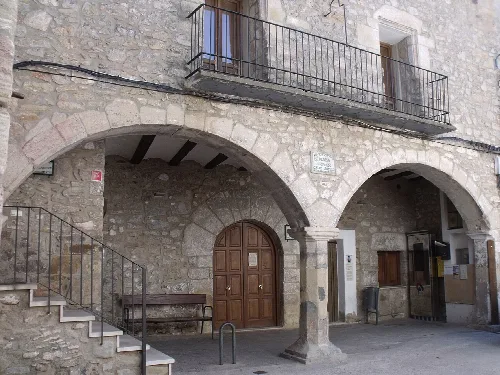
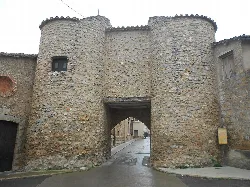
The Portal de Teruel is one of the remaining structures from the medieval walls of Sarrión, dating back to the 13th century. This stronghold features a covered passage flanked by two semicircular towers. Its solid exterior is complemented by a pointed arch entry, reminiscent of castle fortifications, and it houses a chapel dedicated to the Virgen del Pilar.
History
Portal de Teruel
What is the significance of the Semana Santa celebrations in Sarrión?
Semana Santa in Sarrión is declared of Interés Turístico de Aragón and features one of Spain's oldest brotherhoods, the Cofradía de la Sangre de Cristo, established in 1500. Key events include the Pregón procession on Good Friday morning and the Santo Entierro procession at night, showcasing deep-rooted traditions and community involvement.
Festivals & events
How did Sarrión's population change over time?
Sarrión's population peaked at 2,370 in 1930 before the impacts of the Civil War. As of 2025, the population stands at 1,261, showing a recent increase attributed to the truffle industry, which has revitalized the local economy and attracted residents.
Living there
For residents
What is the festival Trincheras Rock about?
Trincheras Rock is a music festival celebrated in Sarrión every March. It features various musical performances and attracts both locals and visitors, creating a lively atmosphere that showcases the town's cultural vibrancy.
Festivals & events
What can you tell me about the Ermita de la Sangre de Cristo?
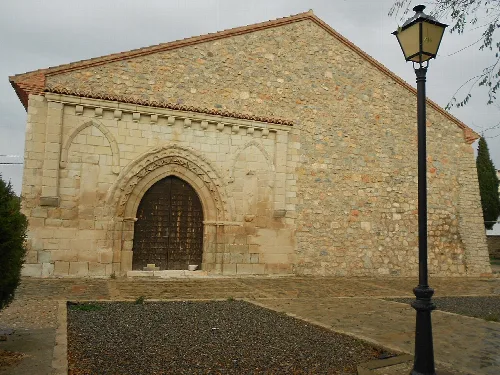
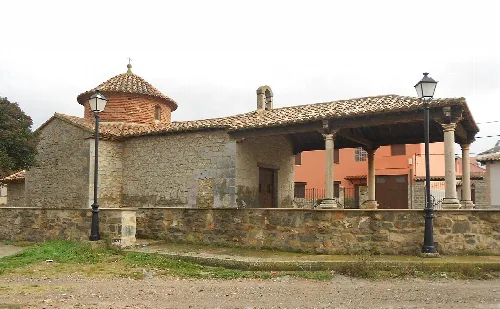
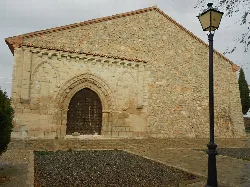
The Ermita de la Sangre de Cristo is one of Sarrión's oldest churches, dating back to the 13th century. It has undergone several reconstructions, especially after wars. The current structure reflects significant renovations from the 1990s, preserving its historical essence while showcasing a simple yet elegant design.
Sights
Ermita de la Sangre de Cristo
What are the natural features around Sarrión?
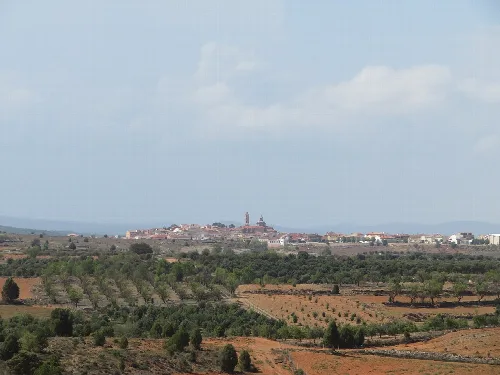
Sarrión is characterized by its varied geography, including the Javalambre mountain range to the west and the Mijares River valley. The area features numerous springs, such as Abricuesta and Cautivo, and offers scenic landscapes ideal for outdoor activities and nature exploration.
Nature
How did the Civil War impact Sarrión?
During the Spanish Civil War, Sarrión witnessed significant battles, particularly in June and September of 1938. These confrontations resulted in heavy casualties and the establishment of defensive positions in the area, leaving a lasting mark on the town's history and landscape.
History
For residents
What is the significance of Sarrión in truffle cultivation?
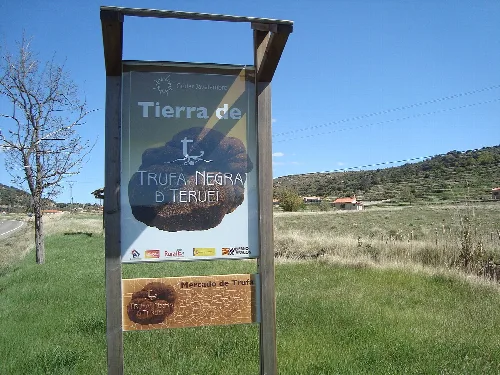
Sarrión is recognized as 'the Spanish capital of the black truffle' (Tuber melanosporum), hosting the Feria Internacional de la Trufa (FITRUF) since 2001. The town's favorable conditions for truffle growth have made it a key player in the European truffle market, attracting both professionals and enthusiasts.
Food & drink
What are the main agricultural products of Sarrión?
Historically, Sarrión's agriculture has focused on dry farming, producing crops like wheat, rye, barley, and oats. The region's fertile lands, combined with its elevation, contribute to its agricultural diversity, which has evolved over the years, especially with the rise of truffle farming.
Food & drink
For residents
What are the main events during the Asunción de la Virgen celebrations?
The Asunción de la Virgen celebrations, held around August 15, are Sarrión's most important festivities. They feature daily bull events, including vaquillas and 'toro embolado', alongside cultural activities and a vibrant atmosphere, bringing together locals and visitors in a festive spirit.
Festivals & events
 espana.net