
Food & drink

426 questions

BergaraGipuzkoa

What is the significance of the 'azul vergara' color?

The term 'azul vergara' refers to a specific shade of blue associated with the textile industry in Bergara. This color became prominent due to the town's historical significance in fabric production, particularly during the 19th century. It symbolizes the town's rich industrial heritage and its contribution to textile manufacturing in the region.
For residents ›

ZizurkilGipuzkoa

What industries are prominent in Cizúrquil?

Cizúrquil hosts several notable industries, including Gashor, which specializes in bakery equipment, and Papelera del Oria, producing printing and writing paper. These companies contribute to the local economy and provide employment opportunities for residents, reflecting the municipality's industrial diversity.

For residents ›

HinojosHuelva

What are the main agricultural products of Hinojos?

Hinojos has a primarily agricultural economy, with the cultivation of table olives being the main product. The local economy also includes livestock and timber production, along with tourism and various service-oriented businesses that support the community.

For residents ›

AlosnoHuelva

What can you tell me about the local cuisine in Alosno?

Alosno's local cuisine is influenced by traditional Andalusian flavors, featuring dishes such as the typical bollo de pringue, often enjoyed during local festivities. Seasonal ingredients and community gatherings often shape the culinary landscape, reflecting the town's agricultural roots and cultural heritage.

For residents ›

Punta UmbríaHuelva

What types of fish are commonly caught in Punta Umbría?

Punta Umbría is known for its rich fishing grounds. Common catches include sardines, mackerel, and various types of shellfish. The local fishing industry plays a vital role in the economy, and many restaurants feature freshly caught seafood on their menus.

For residents ›

AlmonteHuelva

What are the main agricultural products of Almonte?

Almonte is known for its rich agricultural production, particularly as one of Spain's top organic fruit exporters. The area is especially recognized for its blueberries, being the leading exporter in Europe. The fertile lands and favorable climate contribute to the thriving agricultural sector, which is vital for the local economy.

For residents ›

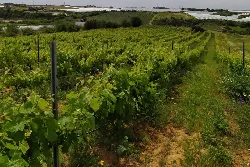
Green vineyards with hills and greenhouses in the background.
MoguerHuelva

What are the main agricultural products of Moguer?

Moguer is renowned for its agricultural output, particularly strawberries and raspberries. The region's climate and irrigation techniques have made it Spain's leading producer of strawberries, which significantly contribute to the local economy.

For residents ›

NieblaHuelva

Are there any local crafts or products unique to Niebla?

Niebla is known for its local crafts, particularly the artisan workshops like 'La Empleíta,' which specializes in creating items from palm leaves. This craftsmanship reflects the town's cultural identity and provides unique products that are representative of Niebla's heritage. Such crafts are an integral part of the local economy and culture.

For residents ›

PaymogoHuelva

What are the main agricultural products in Paymogo?

The main agricultural products in Paymogo include wheat, oats, and barley, primarily for livestock feed. The region also produces acorns, which are crucial for the local jamón ibérico industry, alongside olives for olive oil production.

For residents ›

El GradoHuesca

What is the cultural importance of the Premio literario Lo Grau?

The Premio literario Lo Grau is a literary award that promotes works in narrative and poetry in the Aragonese language. Established by the El Grado Town Hall, it highlights the region's commitment to preserving and celebrating its linguistic heritage, encouraging local writers and fostering cultural expression.

For residents ›

TolvaHuesca

What are the main economic activities in Tolva?

Tolva's economy is primarily rural, focusing on agriculture and livestock. Key crops include cereals like barley and wheat, while livestock farming has decreased. The village also has a renowned bakery and a restaurant serving Mediterranean cuisine, contributing to local income alongside some artisanal production.

For residents ›

ÚbedaJaén

What are the main agricultural products of Úbeda?

Úbeda is primarily known for its olive production, being a central hub for olive oil in Jaén. The region's agriculture is dominated by olive groves, which account for a substantial portion of the local economy. Other agricultural activities include the cultivation of various crops in the fertile lands surrounding the city, contributing to its economic diversity.

For residents ›

PorcunaJaén

What are the main agricultural products of Porcuna?

Agriculture is the backbone of Porcuna's economy, with olive cultivation being the primary source of income. The region also grows cereals, legumes, and sunflowers. The fertile soils and favorable climate contribute to the success of these agricultural activities, which have historically shaped the local economy and culture.

For residents ›

BaezaJaén

What are the main agricultural products of Baeza?

Baeza is primarily an agrocity, with olive cultivation being the main agricultural product. Approximately 47% of the active population works in agriculture, with over 16,000 hectares dedicated to olive farming. The region is known for producing high-quality olive oil, which significantly contributes to its economy.

For residents ›

AlcaudeteJaén

What are the main agricultural products in Alcaudete?

Alcaudete's agriculture is primarily focused on olive cultivation, with over 92% of its land suitable for olive trees. Additionally, the fertile riverbanks support the growth of various fruits and vegetables, making agriculture a vital part of the local economy and culture.

For residents ›

LoperaJaén

What are the main agricultural products in Lopera?

Lopera's economy is primarily based on agriculture, with olive cultivation being the most dominant. Other significant crops include cotton, sunflower, sugar beet, and maize. While there is a historical tradition of viticulture, the area currently has limited vineyards for white grapes and cereals.

For residents ›

CárchelesJaén

What are the main economic activities in Cárcheles?

Cárcheles' economy is primarily based on olive cultivation, typical of Jaén. Additionally, the municipality has a notable meat industry, particularly focused on pork products, which are known for their high quality.

For residents ›

VillacarrilloJaén

What are the main agricultural products of Villacarrillo?

Villacarrillo's economy is predominantly based on olive cultivation, making it a leading producer of olive oil in Jaén. The region is known for its vast olive groves, and the local cooperative, Nuestra Señora del Pilar, is one of the largest olive oil producers in the world. Other minor crops include cereals and some vegetable gardens for local consumption.

For residents ›

Fuensanta de MartosJaén

What are the main agricultural products of Fuensanta de Martos?

The primary agricultural product of Fuensanta de Martos is olives, which are processed into olive oil. The region is predominantly agricultural, with about 90% of its land dedicated to farming, including fruit and cereal cultivation, reflecting its rich agricultural heritage.

For residents ›

TorredonjimenoJaén

What are the main agricultural products in Torredonjimeno?

The primary agricultural product in Torredonjimeno is olive oil, with 97% of cultivated land dedicated to olive groves. This monoculture has replaced other crops, such as wheat and barley, over the years. The region's economy heavily relies on olive oil production, which has been a significant aspect of local agriculture for centuries.

For residents ›

VimianzoA Coruña

What are the main agricultural products in Vimianzo?

Vimianzo's agriculture focuses primarily on livestock, particularly dairy farming with a significant number of bovine farms. The region also produces crops like grass, corn, and forage, which mainly serve as feed for the livestock. This agricultural activity is vital for the local economy and complements the community's food needs.

For residents ›

NedaA Coruña

What types of food are popular in Neda?

Neda's cuisine features traditional Galician dishes, with an emphasis on seafood due to its coastal location. Local specialties include octopus, empanadas, and various fish dishes. The town also celebrates its culinary heritage through local festivals, where visitors can sample these delicacies.

For residents ›

OutesA Coruña

What types of agriculture are practiced in Outes?

Agriculture in Outes primarily focuses on livestock and crop cultivation. The interior regions are dominated by cattle farming for milk and meat production, while coastal areas engage in vegetable farming for local consumption. Additionally, there is a notable presence of eucalyptus plantations, although traditional Atlantic forest species are less common.

For residents ›

OutesA Coruña

What is the main economic activity in Outes?

The economy of Outes is primarily driven by fishing, shellfish harvesting, and agriculture, alongside industrial activities. The fishing sector is concentrated in the port of O Freixo, while agriculture focuses on livestock and crop production. Additionally, industries such as sawmills and construction play a significant role in the local economy.

For residents ›