Sights

3,246 questions

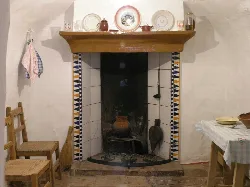
Stone fireplace in a traditional house with utensils on the mantel.
MadridejosToledo

What can you tell me about the Silo colorao in Madridejos?

The Silo colorao is a unique underground dwelling in Madridejos, showcasing an adaptation to the region's climate. These homes maintain a stable temperature year-round, providing coolness in summer and warmth in winter. Accessed via a ramp, they feature rooms for living and storage, reflecting the humble lifestyle of past inhabitants. This architectural style is a significant part of the town's heritage.
Silo colorao For visitors ›

MadridejosToledo

What is the role of the Museo del Azafrán in Madridejos?

The Museo del Azafrán, located in the former Convent of San Francisco, highlights the importance of saffron cultivation in Madridejos. It showcases the entire process from planting to harvesting, as well as the culinary and medicinal uses of saffron. This museum plays a vital role in preserving and promoting local agricultural heritage and culture.

Museo del Azafrán For visitors ›

MadridejosToledo

What are the main features of the Casa Grande in Madridejos?

Casa Grande, dating back to the 18th century, is a notable palace in Madridejos. It once hosted King Carlos IV and features a unique architectural style with a closed courtyard and vaulted ceilings. Today, it serves as the Casa de la Cultura, housing cultural activities and events, thus continuing its legacy as a community hub.

Casa Grande For visitors ›

ConsuegraToledo

What are the main attractions in Consuegra?

Consuegra is famous for its iconic windmills and the historic castle on Cerro Calderico. The windmills, dating back to the 19th century, are a popular sight, while the castle offers a glimpse into the region's medieval past. Additionally, the churches, such as the Iglesia de San Juan Bautista and the Iglesia del Santísimo Cristo de la Vera Cruz, showcase beautiful architecture and local history.

For visitors ›

ConsuegraToledo

What is the architectural style of the Iglesia de San Juan Bautista?

The Iglesia de San Juan Bautista features a Mudéjar architectural style, built in 1567. It has a Latin cross layout, with a quadrangular dome and lateral portico entrances. Inside, it houses notable artworks, including five paintings by José de Beratón from the late 17th century, enhancing its cultural significance.

Iglesia de San Juan Bautista For visitors ›

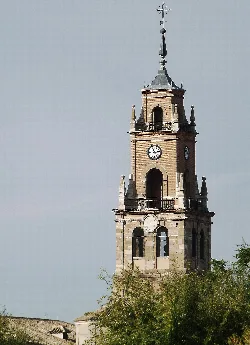
Church tower with clock and bell tower in Villacañas.
VillacañasToledo

What is the significance of the Torre de la Iglesia de Nuestra Señora de la Asunción?

The Torre de la Iglesia de Nuestra Señora de la Asunción is an important landmark in Villacañas, symbolizing the town's historical and architectural heritage. This church tower is part of a larger structure that reflects the town's religious significance and community history. It serves as a focal point for both residents and visitors, showcasing the local culture and traditions.

Torre de la Iglesia de Nuestra Señora de la Asunción For visitors ›

VillacañasToledo

What are the main attractions of Villacañas?

Villacañas offers several attractions, including its historical church, the Torre de la Iglesia de Nuestra Señora de la Asunción, and the unique underground silos that reflect the town's architectural heritage. Additionally, the complex lagunar provides opportunities for nature enthusiasts to explore local flora and fauna, making it a diverse destination for visitors.

For visitors ›

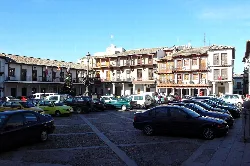
Plaza Mayor of La Puebla de Montalbán with buildings and parked cars.
La Puebla de MontalbánToledo

What can you tell me about the Plaza Mayor in La Puebla de Montalbán?

Plaza Mayor is the central hub of La Puebla de Montalbán, where various events such as patron saint festivals, markets, and cultural activities take place. It features a typical Castilian design with porticoes and houses significant buildings like the Town Hall and the Church of Nuestra Señora de la Paz. The plaza was declared a cultural heritage site in 2007, highlighting its importance in the community.

Plaza Mayor For visitors ›

La Puebla de MontalbánToledo

What is the significance of the Ermita de Nuestra Señora de la Soledad?

The Ermita de Nuestra Señora de la Soledad, built between 1733 and 1743, is a Baroque-style chapel known for its beautiful frescoes by the Velázquez brothers. It houses significant religious sculptures, including the Virgin of Solitude. This chapel is an important part of the local heritage and attracts visitors interested in art and history.

Ermita de Nuestra Señora de la Soledad For visitors ›

La Puebla de MontalbánToledo

What is the Torre de San Miguel?

The Torre de San Miguel is a prominent landmark in La Puebla de Montalbán, dating back to 1604. This structure is a remnant of an old church and cemetery, characterized by its brick and stone construction. It serves as a historical marker and is one of the first sights seen when approaching the town.

Torre de San Miguel For visitors ›

La Puebla de MontalbánToledo

What can you tell me about the Museo La Celestina?

Museo La Celestina is dedicated to the famous work by Fernando de Rojas, a native of La Puebla de Montalbán. Inaugurated in 2003, the museum features exhibitions on the historical context of the work, along with displays of photographs and art. It serves as a cultural hub, promoting local history and artistic endeavors.

Museo La Celestina For visitors ›

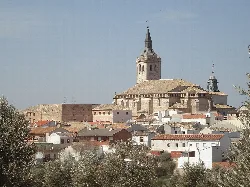
View of Yepes with church and buildings in the foreground.
YepesToledo

What is the Colegiata de San Benito Abad in Yepes?

The Colegiata de San Benito Abad is a significant architectural landmark in Yepes, designed by Alonso de Covarrubias between 1534 and 1570. This stunning structure features a blend of late Gothic and early Renaissance styles, with three naves and a tall tower. It houses impressive altarpieces and intricate wrought ironwork, making it a key site for both historical and artistic appreciation.

Colegiata de San Benito Abad For visitors ›

Los YébenesToledo

What are the main attractions in Los Yébenes?

Los Yébenes features notable attractions such as the restored windmills in the Sierra de Los Yébenes, the 18th-century churches of San Juan and Santa María, and the medieval castle of Las Guadalerzas. The area is also rich in natural beauty, with diverse landscapes and local wildlife, making it ideal for outdoor activities.

For visitors ›

Los YébenesToledo

What is the significance of the castle of Las Guadalerzas?

The castle of Las Guadalerzas, dating back to the 12th century, was strategically important for defending the route to Andalucía. Initially managed by the Order of San Juan, it later became part of the College of Maidens of Toledo. Its historical significance and architectural features make it a notable landmark in the region.

castle of Las Guadalerzas For visitors ›

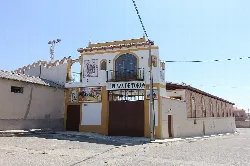
Facade of the bullring in Añover de Tajo with sign and gate.
Añover de TajoToledo

What can I see at the Plaza de Toros in Añover de Tajo?

The Plaza de Toros, known as the 'Tío Venancio,' is a third-category bullring with a capacity for 3,500 spectators. It was inaugurated in 1951 and is partly integrated into surrounding houses. The venue hosts various events, including bullfights and community celebrations, making it a lively spot in Añover de Tajo.

Plaza de Toros For visitors ›

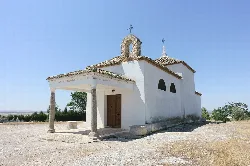
Small white chapel with covered entrance in Añover de Tajo.
Añover de TajoToledo

What is the Ermita de la Virgen de la Soledad known for?

The Ermita de la Virgen de la Soledad is believed to be the oldest chapel in Añover de Tajo, perched on a hill with scenic views. While specific details about its construction are scarce, it holds cultural significance and is a site of local reverence, contributing to the town's spiritual landscape.

Ermita de la Virgen de la Soledad For visitors ›

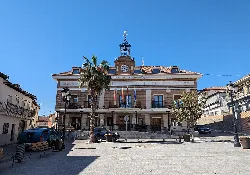
Town hall with clock and bell tower in Recas, Toledo, Spain.
RecasToledo

What is the Casa Consistorial de Recas?

The Casa Consistorial de Recas is the town hall of Recas, serving as the administrative center for the municipality. It features a distinctive architectural style and is an important landmark in the town. The building is often a focal point for local events and gatherings, reflecting the community's governance and civic pride.

Casa consistorial de Recas For visitors ›

Church tower with clock and brick facade in Recas.
RecasToledo

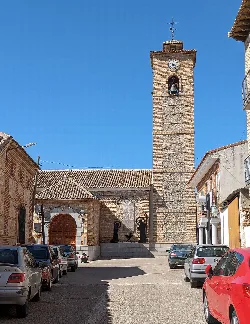
What can you tell me about the Iglesia de San Pedro Apóstol?

The Iglesia de San Pedro Apóstol is a notable church in Recas, dating back to the 15th century. It features a basilical layout constructed from local toledana masonry. Inside, visitors can find beautiful chapels and a wooden-beamed ceiling, showcasing religious art and significant historical elements.

Iglesia de San Pedro Apóstol For visitors ›

Open space with large tree and chapel in Recas, Toledo, Spain.
RecasToledo

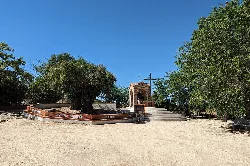
What is the Explanada de la Virgen de la Oliva?

The Explanada de la Virgen de la Oliva is a significant site located 3 km north of Recas, home to the ancient olive tree associated with the Virgen de la Oliva. It was once the location of a Franciscan monastery. Today, it serves as a pilgrimage site and a place for community gatherings.

Explanada de la Virgen de la Oliva For visitors ›

Stone church facade with blue bell tower and people at the entrance.
La Puebla de AlmoradielToledo

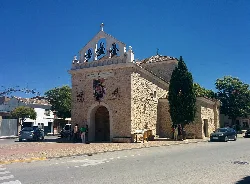
What can you tell me about the Ermita del Santísimo Cristo de la Salud?

The Ermita del Santísimo Cristo de la Salud was built in the 17th century by Francisco Sánchez Roldán. It features a unique architectural style that combines Romanesque, Renaissance, and Baroque influences. The interior includes a notable dome and frescoes, while the façade is characterized by a three-tier structure with a prominent arch. It houses the image of the Santísimo Cristo de la Salud, which is central to local religious practices.

Ermita del Santísimo Cristo de la Salud For visitors ›

Stone church facade with trees and chairs in front.
La Puebla de AlmoradielToledo

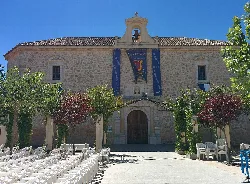
What is the architectural style of the Ermita de Nuestra Señora del Egido?

The Ermita de Nuestra Señora del Egido, built in the 16th century, showcases a Renaissance architectural style. It features a single nave with a rectangular plan and a compact façade made of masonry. The interior is notable for its double vault and a dome adorned with images of the Evangelists, reflecting the artistic influences of the period.

Ermita de Nuestra Señora del Egido For visitors ›

La Puebla de AlmoradielToledo

What are the main features of the Ermita de Santa Ana?

The Ermita de Santa Ana features a Renaissance-Baroque style with a Latin cross plan. Its interior includes a barrel vault with frescoes and a small retablo in a strong Baroque style. The entrance is marked by a portico supported by classical columns, and the exterior is characterized by its masonry walls and historical significance as a religious site.

Ermita de Santa Ana For visitors ›

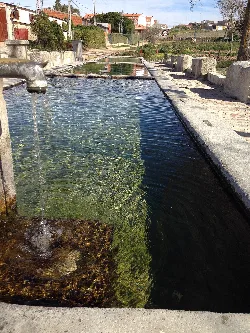
Stone fountain with flowing water in a rural setting of Valmojado.
ValmojadoToledo

What is the Fuente del Caño de Méntrida?

The Fuente del Caño de Méntrida is a fountain built in 1910 and restored in 2013. It is located at the entrance of Valmojado along the camino de Méntrida. This historical site is a significant landmark for the town, showcasing its cultural heritage and providing a picturesque spot for visitors.

Fuente del Caño de Méntrida For visitors ›

ValmojadoToledo

What is the church of Santo Domingo de Guzmán like?

The church of Santo Domingo de Guzmán is the main parish church in Valmojado. Originally built in the late 15th century, it features a basilica layout with three naves. Inside, visitors can find various historical images, including those of Nuestra Señora del Carmen and San Juan Bautista.

Iglesia parroquial de Santo Domingo de Guzmán For visitors ›