Sights

3,246 questions

Tavernes BlanquesValencia

What is the architectural style of the Ayuntamiento in Tavernes Blanques?

The Ayuntamiento of Tavernes Blanques features an eclectic architectural style, incorporating neoclassical, modernist, and baroque elements. Originally constructed in 1862, it has undergone several renovations to adapt to its administrative functions over the years.
Ayuntamiento For visitors ›

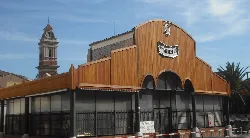
Market building with wooden structure and clock on the facade
Tavernes BlanquesValencia

What is the significance of the Mercado in Tavernes Blanques?

The Mercado, built around 1934, was established to promote local commerce. It has been reconstructed to maintain its historical appearance while accommodating modern needs, serving as a vital hub for the community's economic activities.

Mercado For visitors ›

Tavernes BlanquesValencia

Are there any notable museums in Tavernes Blanques?

Yes, Tavernes Blanques is home to the Museo Lladró, a private museum showcasing porcelain figures and a collection of paintings from various historical periods. It highlights the artistic heritage of the Lladró brand and enriches the cultural landscape of the town.

Museo Lladró For visitors ›

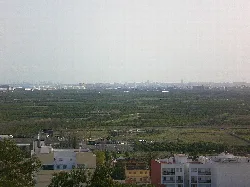
Panoramic view of Valencia city from a hill in El Puig.
El Puig de Santa MariaValencia

What can I see from the Castillo de Jaime I?

From the Castillo de Jaime I, you can enjoy panoramic views of the surrounding landscape and the city of Valencia. The castle, built in the 11th century, offers a glimpse into the strategic importance of El Puig during historical conflicts.

Castillo de Jaime I For visitors ›

El Puig de Santa MariaValencia

What can I expect to see at the Museo de la Imprenta y las Artes Gráficas?

At the Museo de la Imprenta y las Artes Gráficas, you can explore the history of printing in Spain. The museum features over 60 printing machines, typographic molds, and a recreation of a 15th-century printing workshop, showcasing the cultural impact of printing.

Museo de la Imprenta y las Artes Gráficas For visitors ›

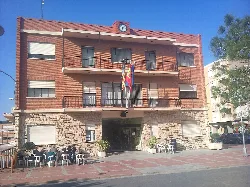
Almussafes town hall building with flags and a clock on top.
AlmussafesValencia

What does the town hall of Almussafes look like?

The town hall of Almussafes, known as L'Ajuntament d'Almussafes, features a modern brick facade with a clock and flags displayed prominently. It serves as the administrative center of the municipality and is located in a central area where residents often gather.

L'Ajuntament d'Almussafes For visitors ›

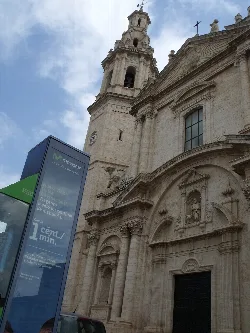
Facade of a church with tower and ornamental details in Cheste.
ChesteValencia

What is the significance of the Iglesia Parroquial de San Lucas Evangelista?

The Iglesia Parroquial de San Lucas Evangelista, built between 1731 and 1784, is a prominent Baroque church in Cheste. It features a striking 54-meter tall hexagonal bell tower and beautiful interior lighting. Declared a National Monument, it showcases historical architecture and is a key landmark in the town's cultural heritage.

Iglesia Parroquial de San Lucas Evangelista For visitors ›

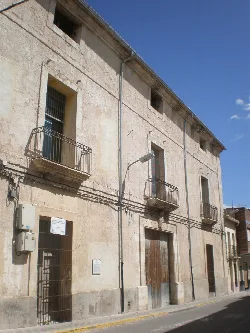
Stone building with iron balconies in Ollería.
L'OlleriaValencia

What is the significance of the Casa Santonja?

The Casa Santonja, also known as the Palacio de los Marau, dates back to the late 18th century and features unique murals. It represents an important piece of L'Olleria's architectural heritage. The house was restored in 2007 and now serves as a cultural site, housing a local history museum and showcasing the artistic legacy of the area.

Casa Santonja For visitors ›

L'OlleriaValencia

Are there any historical sites related to the glass-making tradition in L'Olleria?

Yes, L'Olleria is known for its glass-making tradition, which dates back centuries. The town features the Museo Valenciano del Vidrio, located in the Casa Santonja, showcasing the history and craftsmanship of local glass production. This museum highlights the significance of glass-making in the town's economy and culture.

For visitors ›

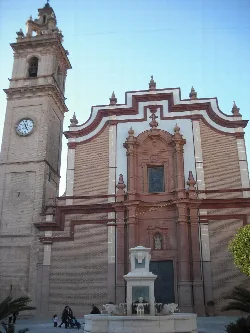
Church facade with fountain and bell tower in Foyos
FoiosValencia

What can I see at the Iglesia de la Asunción de Nuestra Señora?

The Iglesia de la Asunción de Nuestra Señora features a striking façade with a bell tower and is known for its three naves and crucero. Inside, visitors can admire several Baroque altarpieces and neoclassical paintings, including the revered image of the Virgen del Patrocinio, the town's patron saint.

Iglesia de la Asunción de Nuestra Señora For visitors ›

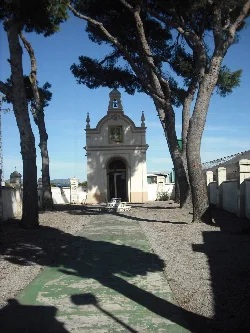
Small white chapel with trees around in Foyos.
FoiosValencia

What is the Ermita del Cristo de la Sangre?

The Ermita del Cristo de la Sangre is a small chapel located about one kilometer from the town center. Its neoclassical façade and rectangular layout make it a notable site. Inside, it houses a significant statue of Christ, created by the artist Carmel Vicent, adding to its cultural importance.

Ermita del Cristo de la Sangre For visitors ›

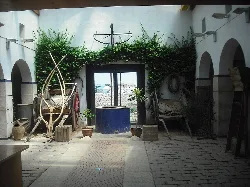
Museum interior with old objects and plants on the walls.
AlmàsseraValencia

What can I see at the Museu de l'Horta in Almàssera?

The Museu de l'Horta showcases the history of Almàssera, divided into three sections: the kitchen, the house, and the field. It features a collection of photographs and agricultural tools, along with animals like rabbits and chickens. The outdoor collection includes various plants, such as sage and rosemary, reflecting the region's agricultural heritage.

Museu de l'Horta For visitors ›

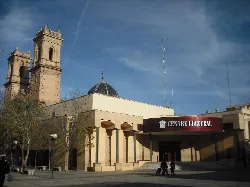
Square with cultural building and church tower in Almácera.
AlmàsseraValencia

What is the significance of the Plaza Mayor in Almàssera?

Plaza Mayor is the central square of Almàssera, surrounded by important buildings like the town hall and cultural center. It has a square shape and features a monumental fountain at its center. The square was remodeled in the 19th century and is now pedestrianized, making it a vibrant hub for community activities and events.

Plaza Mayor For visitors ›

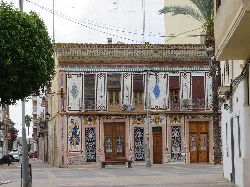
Facade of a modernist house with tiles and artistic details in Almassera.
AlmàsseraValencia

Can you tell me about the Casa Llopis in Almàssera?

Casa Llopis is a notable example of Valencian modernist architecture located in Plaza Mayor. Its facade is adorned with colorful tiles from the Nolla factory, depicting dancing female figures. The building features decorative friezes with cherubs and warrior motifs, making it a striking landmark in the town.

Casa Llopis For visitors ›

AlmàsseraValencia

Are there any notable architectural sites in Almàssera?

Yes, Almàssera features several notable architectural sites, including the Iglesia Parroquial del Santísimo Sacramento, built between 1792 and 1875, and the Cruz Cubierta, constructed in 1372. These sites reflect the town's historical and cultural significance, adding to its charm.

For visitors ›

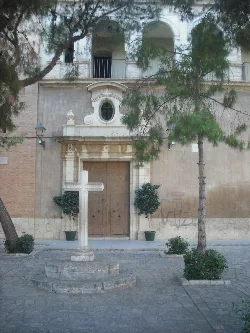
Facade of Rocafort church with cross and trees in front.
RocafortValencia

What can you tell me about the Iglesia parroquial de San Sebastián?

The Iglesia parroquial de San Sebastián was originally an eremitical chapel ceded to Augustinian monks in 1434. The current structure dates to the late 17th century, expanded in 1902. It features a bell tower and a single nave with chapels, hosting both religious services and cultural events like classical music concerts.

Iglesia parroquial de San Sebastián For visitors ›

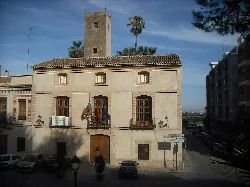
Building with tower and flags on the facade in Rocafort, Valencia.
RocafortValencia

What is the architectural style of the Casa Bou?

Casa Bou, the current town hall of Rocafort, showcases a simple yet functional architectural style typical of the region. It serves as a central hub for local governance and community activities, reflecting the town's administrative history.

Casa Bou For visitors ›

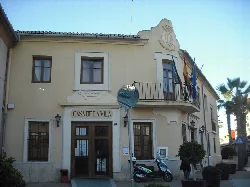
Museros town hall building with flags and sign on the facade.
MuserosValencia

What is the Ayuntamiento de Museros?

The Ayuntamiento de Museros is the town hall of Museros, serving as the administrative center for the municipality. It is a notable building located in the town's central area, reflecting local architectural styles. The town hall plays a crucial role in local governance and community services, making it a key landmark in Museros.

Ayuntamiento de Museros For visitors ›

MuserosValencia

What is the significance of the Ermita de San Roque?

The Ermita de San Roque, built in 1542, is a simple yet significant structure dedicated to San Roque, a saint revered in the region. It serves as a focal point during the patronal festivities in August, attracting large processions and gatherings. Its historical and cultural importance makes it a cherished site for the local community.

Ermita de San Roque For visitors ›

MuserosValencia

What is the Casa jardín de Teodoro Llorente?

The Casa jardín de Teodoro Llorente is a notable historical building located in the town square. It served as a retreat for Teodoro Llorente, a prominent poet of the Valencian Renaixença. The house contains various documents related to the poet and features a garden where the flower used for the Valencia Floral Games was traditionally grown.

Casa jardín de Teodoro Llorente For visitors ›

AlbaidaValencia

What can I see at the Museo Internacional de Títeres in Albaida?

The Museo Internacional de Títeres, located in the Palacio de los Marqueses, features a significant collection of puppets from various cultures. It also includes exhibition spaces, a workshop, and a documentation center dedicated to puppet arts.

For visitors ›

AlbaidaValencia

What is the significance of the church of Santa María de la Asunción?

The church of Santa María de la Asunción is a key historical landmark in Albaida, built in the Valencian Gothic style between 1592 and 1621. It features a striking campanile and houses various religious artworks, making it a focal point of the town's cultural heritage.

For visitors ›

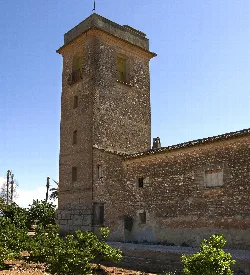
Stone tower with small windows in Guadassuar, Valencia.
GuadassuarValencia

What is the Torre Borrero in Guadassuar?

The Torre Borrero, also known as Torre del Carrascal or Casa Tortosa, is a historic 19th-century building located on the Alginet road in Guadassuar. This architectural structure served a defensive purpose and features elements that were added after a mid-19th-century earthquake.

Torre Borrero For visitors ›

Facade of San Roque hermitage with blue dome and brick walls.
GuadassuarValencia

What can you tell me about the Ermita de San Roque?

The Ermita de San Roque is an 18th-century chapel built between 1769 and 1783, dedicated to the patron saint of those suffering from plague. It features a traditional Valencian design and was restored in 1976, making it a local cultural landmark.

Ermita de San Roque For visitors ›