Sights

3,246 questions

L'ÈnovaValencia

What is the Palacio de los Ferrer?

The Palacio de los Ferrer is a late Gothic or Flemish-style building that belonged to the Ferrer family, who served Alfonso el Magnánimo. This historical site reflects the architectural heritage of L'Ènova and its significance in the region's history.
Palacio de los Ferrer For visitors ›

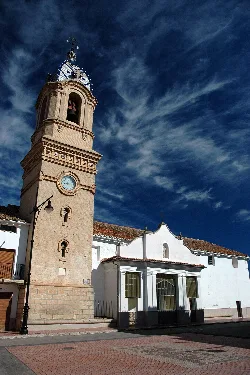
Church with tower and clock in Fontanars dels Alforins.
Fontanars dels AlforinsValencia

What can I see at the Iglesia de Fontanars?

The Iglesia de Fontanars dels Alforins, originally an oratory for a Capuchin convent, features a modernist bell tower built in 1916. The church houses many religious images, including the patron saint, the Virgin of the Rosary. It has undergone several renovations, enhancing its architectural and artistic value.

Iglesia de Fontanars For visitors ›

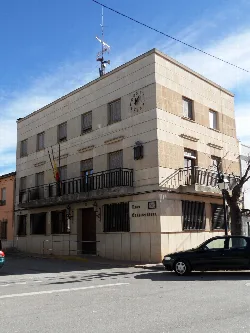
Town hall building with flag and clock in Fontanares.
Fontanars dels AlforinsValencia

What is the Ayuntamiento de Fontanares like?

The Ayuntamiento de Fontanares, or Town Hall, is a notable building in the municipality. It serves as the local government center, where council meetings and administrative tasks are conducted. The architecture reflects the town's historical and cultural identity, making it a significant landmark.

Ayuntamiento de Fontanares For visitors ›

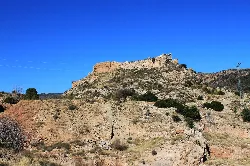
Ruins of the castle in Domeño with a clear blue sky.
DomeñoValencia

What is the significance of the Castillo de Domeño?

The Castillo de Domeño, of Muslim origin, is located on a small hill and was historically important for controlling access from Valencia to surrounding towns. It was rehabilitated during the first Carlist War in 1839 but is now in ruins, though remnants of its walls and towers can still be seen.

Castillo de Domeño For visitors ›

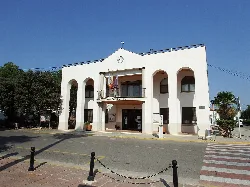
Domeño town hall building with arches and flag on the facade.
DomeñoValencia

What can you tell me about the local architecture?

Domeño features a blend of modern and historical architecture, including the Town Hall, which is a notable building in the current village. The remnants of the Castillo de Domeño also reflect the historical architectural styles of the region.

Town Hall For visitors ›

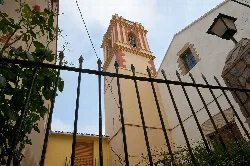
View of the church with octagonal bell tower in Alpuente.
AlpuenteValencia

What can I see from the viewpoint of Nicómedes in Alpuente?

From the viewpoint of Nicómedes, visitors can enjoy a partial view of the village of Alpuente, including the notable octagonal bell tower of the parish church of Nuestra Señora de la Piedad. This scenic spot offers a picturesque perspective of the town’s architecture and surrounding landscape.

For visitors ›

View of the church with octagonal bell tower in Alpuente.
AlpuenteValencia

What can you tell me about the church of Nuestra Señora de la Piedad?

The church of Nuestra Señora de la Piedad is a notable landmark in Alpuente, characterized by its octagonal bell tower. It serves as the parish church and is an integral part of the town's cultural and religious identity, reflecting the architectural style of the region.

Iglesia parroquial de Nuestra Señora de la Piedad For visitors ›

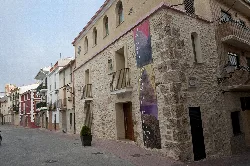
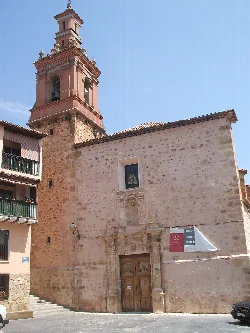
Stone building with an art exhibition banner in La Sala, Valencia.
El PalomarValencia

What can you tell me about La Sala in El Palomar?

La Sala is a historic building in El Palomar, constructed in the 17th century. It served as the venue for the first meetings of the local council and was the town's first town hall. Today, it houses a museum exhibition showcasing the restoration process of the nearby Castillo de Carrícola, along with various archaeological artifacts found during the restoration.

La Sala For visitors ›

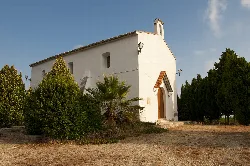
Small white chapel with wooden door and surrounding vegetation.
El PalomarValencia

What is the Ermita del Rosario like?

The Ermita del Rosario, built in the 19th century, originally served as a council meeting place and the first school in El Palomar. It features a simple exterior typical of Valencian rural architecture, with a single nave divided into three sections supported by pillars. The building is surrounded by a calvary and a landscaped area, making it a serene spot for visitors.

Ermita del Rosario For visitors ›

Bell tower of a church in Palomar, Valencia, seen from below.
El PalomarValencia

Can you tell me about the campanario in El Palomar?

The campanario, or bell tower, is part of the Iglesia de San Pedro Apóstol and is a typical feature of rural Valencia. It is notable for its three bells: Marianna, Sagrada Familia, and San Pedro. The tower adds to the architectural charm of the church and serves as a landmark in the town.

Campanario For visitors ›

GestalgarValencia

What historical sites can I visit in Gestalgar?

Visitors to Gestalgar can explore several historical sites, including the remnants of the Castillo de los Murones and the Iglesia parroquial dedicated to the Purísima Concepción, which features artwork attributed to Ribalta.

For visitors ›

CheraValencia

What are some interesting sights to see in Chera?

Chera boasts several notable sights, including the Castillo de Chera, a unique 12th-century fortress built by the Almoravids. Other landmarks include the Ermita de Chera, dating back to 1681, and the church dedicated to the Virgen de los Ángeles, constructed in the 19th century. The scenic views from the surrounding mountains and the natural beauty of the Parque natural de Chera-Sot de Chera are also highlights for visitors.

For visitors ›

CallesValencia

What is the significance of the Ermita de Santa Quiteria?

The Ermita de Santa Quiteria is the patron saint's chapel of Calles, located near the village. It features a welcoming porch and a single nave with a barrel vault. The chapel houses a baroque altar with the statue of Santa Quiteria. The original structure was rebuilt in 1979 due to structural issues, showcasing the community's dedication to their patron saint.

Ermita de Santa Quiteria For visitors ›

CallesValencia

What is the Acueducto romano de Peña Cortada?

The Acueducto romano de Peña Cortada is a Roman aqueduct dating back to the 2nd century. It features three arches built on stepped pillars, standing 33 meters high, and is considered one of the most remarkable structures in the Valencia region, highlighting the area's historical significance.

Acueducto romano de Peña Cortada For visitors ›

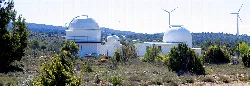
Observatories and wind turbines on Santa Catalina's Muela in Aras de los Olmos.
Aras de los OlmosValencia

What can I see at the Muela de Santa Catalina?

At the Muela de Santa Catalina, you can find several astronomical observatories, including the professional Observatory Aras del Olmo. This area is recognized for its excellent conditions for stargazing, making it a perfect spot for astronomy enthusiasts.

Muela de Santa Catalina For visitors ›

Aras de los OlmosValencia

What is the purpose of the garden etnobotánico?

The garden etnobotánico in Aras de los Olmos serves as an educational space to showcase aromatic and medicinal plants used in traditional cuisine. It aims to promote awareness of local flora and its uses, enhancing cultural heritage.

jardín etnobotánico For visitors ›

Aras de los OlmosValencia

Are there any archaeological sites in Aras de los Olmos?

Yes, Aras de los Olmos features several archaeological sites, including the yacimiento íbero Castillejo located at the Muela de Santa Catalina. This site reflects the area's rich historical past and is significant for those interested in archaeology.

For visitors ›

TorrebajaValencia

What can you tell me about the Church of Santa Marina?

The Church of Santa Marina is a modern temple built in the 1950s to replace the original church, which was damaged during the Spanish Civil War. Constructed from unplastered brick and stone, it features a tall bell tower and a traditional tiled roof, reflecting the architectural style of the region.

Iglesia parroquial de Santa Marina For visitors ›

TorrebajaValencia

What is the significance of the Ermita de San José?

The Ermita de San José is an important historical site located in the area known as Los Villares. It dates back to the 17th century and is situated along the old road from Ademuz to Teruel. This chapel reflects the local religious heritage and serves as a cultural landmark in the community.

Ermita de San José For visitors ›

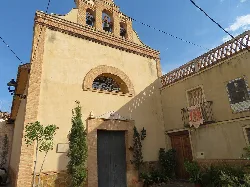
Facade of a church with bell tower and wooden doors in Segart.
SegartValencia

What is the white building on the hill?

The white building on the hill is likely the Iglesia de la Purísima Concepción, the parish church of Segart. This church is a notable landmark in the town and reflects the architectural style typical of the region.

Iglesia de la Purísima Concepción For visitors ›

Casas BajasValencia

What is the Barraca Grande del Pinar?

The Barraca Grande del Pinar is a traditional dry stone construction located near Casas Bajas. It exemplifies the architectural style typical of the Rincón de Ademuz region, showcasing local building techniques and cultural heritage that reflect the area's rural history.

Barraca Grande del Pinar For visitors ›

Church with tower and stone facade in Vallanca.
VallancaValencia

What is the Esglèsia de la Mare de Déu dels Àngels like?

The Esglèsia de la Mare de Déu dels Àngels is a significant Baroque church in Vallanca, notable for its longitudinal layout and six lateral chapels. The church features exquisite esgrafiado decoration, characteristic of the late 17th century, which is particularly well-preserved here. This church is among the oldest in the Rincón de Ademuz region, with its origins traced back to the early 13th century.

Esglèsia de la Mare de Déu dels Àngels For visitors ›

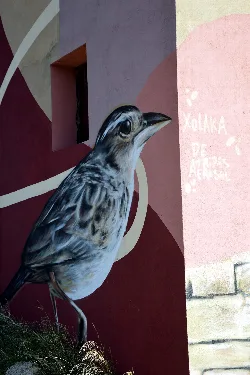
Mural of a lark painted on a wall in Vallanca.
VallancaValencia

What can you tell me about the murals in Vallanca?

Vallanca features impressive murals, particularly those depicting the Alauda arvensis, or skylark. These artistic representations enhance the village's charm and reflect its cultural identity. The murals are part of a broader effort to beautify the area and celebrate local wildlife, making them a point of interest for visitors.

For visitors ›

VallancaValencia

What is the architecture like in Vallanca?

Vallanca boasts a mix of historical and vernacular architecture, including the Baroque church and traditional houses that reflect local building techniques. The village also features unique structures like the Barraca de Josezón, showcasing the region's architectural heritage and connection to agricultural practices.

For visitors ›