Sights

3,246 questions

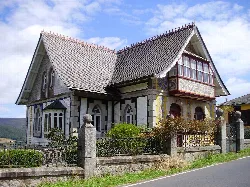
Traditional style house with tiles and wood in Boal, Asturias.
BualAsturias

What is the architectural style of Villa Anita?

Villa Anita, built in 1926, features a unique architectural style with English and Japanese influences. Its façade is decorated with glazed tiles, showcasing the wealth of emigrants who returned to Boal after achieving success abroad.
Villa Anita For visitors ›

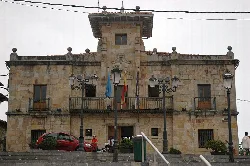
Stone building with flags and street lamps on the facade.
ColungaAsturias

What is the Casa del conceyu de Colunga?

The Casa del conceyu de Colunga serves as the town hall and is an important administrative building in the municipality. It features a distinctive architectural style and is a central point for local governance and community events.

Casa del conceyu de Colunga For visitors ›

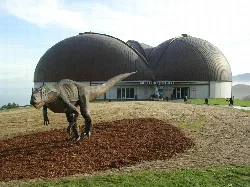
Dinosaur sculpture outside the museum in Colunga.
ColungaAsturias

What can I see at the Museo del Jurásico de Asturias?

The Museo del Jurásico de Asturias showcases a variety of exhibits related to dinosaurs and prehistoric life. Visitors can explore interactive displays, fossils, and learn about the region's geological history, making it a fascinating stop for families and history enthusiasts.

Museo del Jurásico de Asturias For visitors ›

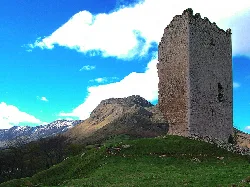
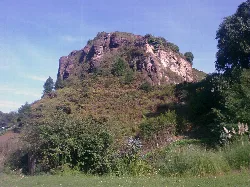
Stone tower in a mountainous landscape with blue sky and clouds.
MorcínAsturias

What can you tell me about the Torreón de Peñerudes?

The Torreón de Peñerudes is a historic tower that played a significant role in protecting access to central Asturias. It is a notable landmark within Morcín, showcasing the region's medieval architecture. The tower's strategic location provides stunning views of the surrounding landscape, including the prominent peaks of the Sierra del Aramo.

Torreón de Peñerudes For visitors ›

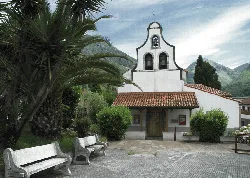
White church with bell tower and red tiled roof, surrounded by greenery and mountains.
MorcínAsturias

What is the significance of the church in Santa Eulalia?

The church of Santa Eulalia is a central landmark in Morcín, reflecting the region's historical and cultural heritage. It is associated with local traditions and legends, particularly regarding the defense against the Moorish invasion. The church serves as a community gathering place and symbolizes the area's religious significance.

Santa Eulalia For visitors ›

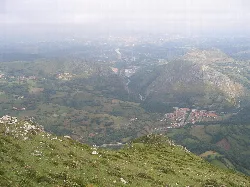
Panoramic view of Morcín from Monsacro with mountains and valley.
MorcínAsturias

What makes the Monsacro mountain special?

Monsacro mountain, also known as La Madalena, is a prominent feature of Morcín, rising to 1,055 meters. It is significant both geographically and culturally, often associated with local legends and historical events. The mountain offers breathtaking views and is a popular destination for hikers and nature lovers.

Monsacro For visitors ›

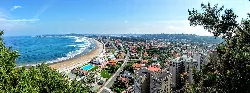
Aerial view of Salinas beach and the town in Castrillón.
CastrillónAsturias

What are the main attractions in Salinas?

Salinas is one of the main tourist destinations in Castrillón, known for its beautiful beaches and vibrant atmosphere. Visitors can enjoy the sandy shores, local restaurants, and various water sports. The area is also popular for its scenic coastal views and nearby walking trails.

Salinas For visitors ›

Peñón de Raíces with greenery and blue sky.
CastrillónAsturias

What is the Peñón de Raíces?

The Peñón de Raíces is a notable landmark in Castrillón, historically significant as the site of the Castillo de Gauzón. This rocky outcrop offers stunning views of the surrounding area and is a point of interest for both history enthusiasts and nature lovers.

Peñón de Raíces For visitors ›

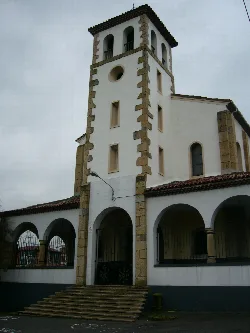
Church tower with windows and door in Corvera de Asturias.
Corvera de AsturiasAsturias

What can you tell me about the Church of San Vicente in Trasona?

The Church of San Vicente, built in 1947, is a notable religious site in Trasona. It features a distinctive architectural style, with a tall bell tower and arched porticos. This church serves as a local landmark and is part of the community's cultural heritage.

Church of San Vicente of Trasona For visitors ›

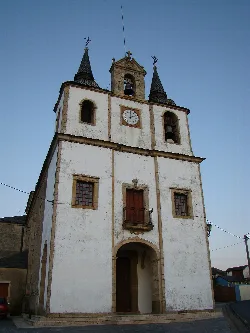
Facade of the church with two towers and a clock in Puerto de Vega.
NaviaAsturias

What is the significance of the church of Santa Marina?

The church of Santa Marina, located in Puerto de Vega, is a significant historical site dating back to the 18th century. It features a baroque style with a cross-shaped layout and is known for its impressive façade and intricate retablos by the renowned artist José Bernardo de la Meana. It serves both religious and cultural functions in the community.

Iglesia de Santa Marina For visitors ›

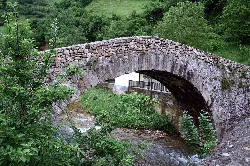
Stone bridge over a river with vegetation on the sides and in the background
TinéuAsturias

What is the bridge in the photo, and where is it located?

The bridge in the photo is known as the Ponte de Carral, located in the region of Tuña within Tineo. This stone bridge is an example of the area's historical architecture and serves as a picturesque spot for visitors.

Ponte de Carral For visitors ›

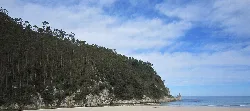
View of La Franca beach with cliffs and cloudy sky.
RibadedevaAsturias

What can you tell me about La Franca beach?

La Franca beach is a beautiful coastal area in Ribadedeva, known for its scenic views and sandy shores. It is bordered by lush greenery and cliffs, making it a perfect spot for relaxation and enjoying nature. The beach is popular among locals and visitors alike, offering a tranquil environment for sunbathing and swimming in the Cantabrian Sea.

La Franca beach For visitors ›

RibadedevaAsturias

What is the architecture like in Ribadedeva?

Ribadedeva features a mix of historical and modern architecture, including the neobarroque church of Santa María in Colombres and the medieval Torre de Noriega. The area also showcases traditional Asturian houses and contemporary buildings, reflecting its cultural heritage and development over time.

For visitors ›

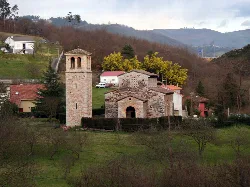
Stone church with tower in a rural landscape in Asturias.
Les RegueresAsturias

What can I see at San Pedro de Nora?

San Pedro de Nora is notable for its preromanesque church, which is attributed to the era of Alfonso II. The church features a triple-aisled structure with a straight-ended apse and impressive brick arches, showcasing the architectural style of its time. It's a significant historical site in the region.

San Pedro de Nora For visitors ›

Les RegueresAsturias

What are the main features of the architecture in Las Regueras?

The architecture in Las Regueras includes a mix of preromanesque churches, such as San Pedro de Nora, and traditional Asturian rural buildings. Notable examples include the palatial structures in Bolgues and Santullano, showcasing the region's historical and cultural heritage.

For visitors ›

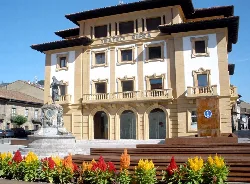
Facade of the Riera Theatre with fountain and flowers in front.
VillaviciosaAsturias

What can I see at Teatro Riera?

Teatro Riera is a prominent cultural venue in Villaviciosa, known for hosting a variety of performances, including theater, music, and dance. Its architectural design is notable, and it serves as a hub for local cultural activities, contributing to the vibrant artistic scene in the town.

Teatro Riera For visitors ›

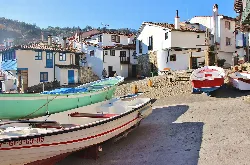
White houses and boats on the beach of Tazones, Villaviciosa.
VillaviciosaAsturias

What is Tazones known for?

Tazones is famous for its picturesque harbor and historical significance, particularly as the landing site of Emperor Charles I in 1517. The quaint village features charming streets and traditional architecture, making it a popular spot for visitors looking to experience local culture and history.

Tazones For visitors ›

VillaviciosaAsturias

What historical landmarks should I visit in Villaviciosa?

Villaviciosa boasts several historical landmarks, including the San Salvador de Valdediós, a UNESCO World Heritage site, and various churches like Santa María de la Anunciación. These sites reflect the rich architectural heritage and history of the region, making them essential stops for visitors.

For visitors ›

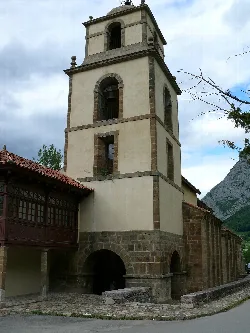
Church tower with bell tower in Teverga, Asturias.
TebergaAsturias

What is the Colegiata de San Pedro in Teverga?

The Colegiata de San Pedro is a significant historical monument in Teverga, built before 1096. It showcases a transition between the Ramirense and Romanesque styles. The complex includes a central courtyard, the church, and various other structures. Inside, it houses the remains of notable figures like Pedro Analso de Miranda, and features intricate decorations on its capitals and canecillos.

Colegiata de San Pedro For visitors ›

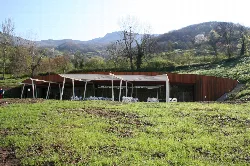
Reception building with metal and wood structure in Teverga, Asturias.
TebergaAsturias

What can I see at the Parque de la Prehistoria in Teverga?

At the Parque de la Prehistoria in Teverga, visitors can explore replicas of famous prehistoric caves, including Altamira and Lascaux. The park features two exhibition areas, the gallery and the Cuevas cave, integrated into the natural landscape. It aims to provide an interactive experience related to prehistoric art and culture.

Parque de la Prehistoria For visitors ›

TebergaAsturias

What is the Cueva Huerta and why is it notable?

Cueva Huerta, near Fresnedo, is the largest cave in Asturias, featuring approximately 20 kilometers of galleries. Declared a natural monument in 2002, it showcases unique karst formations and is accessible for guided tours. The cave's hydrological system and stunning geological features make it a significant attraction for visitors interested in nature and geology.

Cueva Huerta For visitors ›

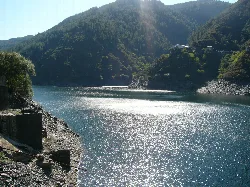
Salime reservoir with mountains and green trees.
Grandas de SalimeAsturias

What is the significance of the Embalse de Salime?

The Embalse de Salime, inaugurated in 1954, is a key landmark in Grandas de Salime, built on the Navia River. It plays a crucial role in the area's identity and is a major feature of the region. The construction of the dam significantly impacted local life, leading to both economic development and challenges such as rural depopulation due to land inundation.

Embalse de Salime For visitors ›

Grandas de SalimeAsturias

What is the architectural style of the church in Grandas de Salime?

The church of San Salvador in Grandas de Salime features a blend of architectural styles, primarily influenced by the Romanesque period. It has a single nave, a crucero with a dome, and a square tower. The façade retains Romanesque elements, including semicircular arches, while the interior boasts a notable retablo created by Juan de Castro.

church of San Salvador For visitors ›

Grandas de SalimeAsturias

What is the significance of the Camino de Santiago in Grandas de Salime?

Grandas de Salime is an important stop on the Camino de Santiago, particularly on the Primitivo Route. This historical pilgrimage path attracts visitors seeking spiritual journeys and cultural experiences. The town's location marks the last stretch in Asturias before entering Galicia, enhancing its significance for pilgrims.

For visitors ›