Sights

3,246 questions

HenarejosCuenca

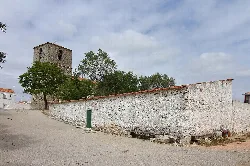
What is the Abrigo del Tío Modesto?

The Abrigo del Tío Modesto is a site of rock paintings classified as Levantine art, showcasing scenes from various periods. Among its notable depictions is an image of a wounded deer. This site is significant for studying prehistoric societies and their artistic expressions, making it a point of interest for visitors.
Abrigo del Tío Modesto For visitors ›

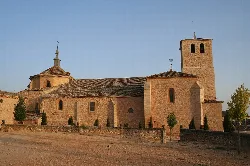
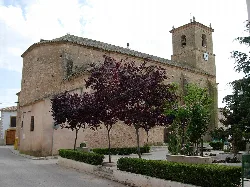
Stone church in the town square with trees and a clock tower.
El PicazoCuenca

What can you tell me about the church in El Picazo?

The church in El Picazo dates back to the early 16th century and is located in the town's main square, Plaza del Ayuntamiento. It reflects the architectural style of its time and serves as a significant landmark in the community, showcasing the town's historical and cultural heritage.

church For visitors ›

El PicazoCuenca

What are the notable architectural features in El Picazo?

El Picazo features several notable architectural sites, including the early 16th-century church and various 17th-century palatial houses. These structures reflect the town's historical significance and architectural heritage, contributing to its charm.

For visitors ›

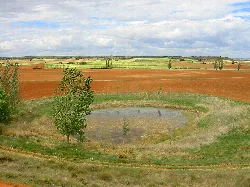
Water pond in a field in La Almarcha, Cuenca, Spain.
La AlmarchaCuenca

What can you tell me about the Pozo Airón?

The Pozo Airón in La Almarcha is a notable lagoon with a reputation for being bottomless, steeped in legends and visited by historical figures like Emperor Charles I. It is associated with tales of sacrifice and is one of the most famous locations sharing the name 'Airón' across Spain. Its mysterious nature has made it a point of interest for visitors.
Pozo Airón For visitors ›

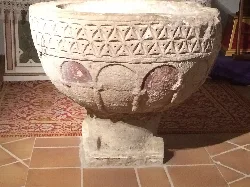
Stone baptismal font with geometric decorations and arches, from the 13th century.
La AlmarchaCuenca

What is the significance of the baptismal font in the church?

The baptismal font in the Church of Nuestra Señora de la Asunción is a significant historical artifact, dating back to the late Romanesque period of the 13th century. It features intricate polychrome designs and measures 0.90 m in height and 1.15 m in diameter, symbolizing the importance of baptism in the Christian faith.

baptismal font For visitors ›

Stone church with tower and dome in Belmonte, Cuenca.
BelmonteCuenca

What is La Colegiata de San Bartolomé known for?

La Colegiata de San Bartolomé, built in the 15th century, is notable for its Gothic architecture and its unique choir stalls, which feature biblical scenes carved by Enrique Egas. It also houses an 18th-century organ and was built over an earlier Visigothic church, indicating the site's long historical significance.

La Colegiata de San Bartolomé For visitors ›

Panoramic view of Belmonte from the castle, with white houses and hills in the background.
BelmonteCuenca

What can visitors see from the Castillo de Belmonte?

From the Castillo de Belmonte, visitors can enjoy panoramic views of the town and the surrounding Manchegan plains. The castle's elevated position provides a stunning perspective of the landscape, making it a popular spot for photography and appreciating the natural beauty of the area.

Castillo de Belmonte For visitors ›

BelmonteCuenca

What is the Plaza del Pilar like?

The Plaza del Pilar is the largest square in Belmonte, featuring a restored fountain and remnants of historic porticos. It serves as a central gathering place for community events and festivities, reflecting the town's social life and historical architecture.

Plaza del Pilar For visitors ›

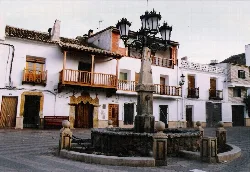
Square with fountain and street lamps in Enguídanos, Cuenca.
EnguídanosCuenca

What is the white building in the photo of Enguídanos?

The white building in the photo is likely part of the town's traditional architecture, which features whitewashed houses typical of the region. These buildings often reflect the historical and cultural influences of Enguídanos.

For visitors ›

Square with fountain and street lamps in Enguídanos, Cuenca.
EnguídanosCuenca

What can you tell me about the Plaza de Enguídanos?

The Plaza de Enguídanos serves as a central gathering place in the town, often featuring local events and social activities. Its charming architecture and fountain make it a pleasant spot for residents and visitors to relax and enjoy the atmosphere.

Plaza de Enguídanos For visitors ›

EnguídanosCuenca

What historical sites should I visit in Enguídanos?

Visitors to Enguídanos should not miss the historic castle built in the 11th century, which offers insights into the town's medieval past. Additionally, exploring the archaeological site at Cabeza Moya can provide a glimpse into the area's ancient history.

For visitors ›

San Andrés Church with tower and stone facade in Campillo de Altobuey.
Campillo de AltobueyCuenca

What is the significance of the Iglesia de San Andrés in Campillo de Altobuey?

The Iglesia de San Andrés is a notable architectural landmark in Campillo de Altobuey, built in the 16th century. It features a columnar design with three naves and a striking tower. The interior has rich murals and a dome added in the 17th century, showcasing the town's historical and cultural heritage.

Iglesia de San Andrés For visitors ›

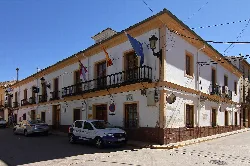
White building with balcony and flags on the facade of the town hall.
Campillo de AltobueyCuenca

What is the Ayuntamiento in Campillo de Altobuey like?

The Ayuntamiento, or town hall, of Campillo de Altobuey is a notable building located in the town center. It serves as the administrative hub for local governance and reflects the architectural style typical of the region, contributing to the town's character.

Ayuntamiento For visitors ›

Alcalá de la VegaCuenca

What is the significance of the Ermita de Nuestra Señora del Remedio?

The Ermita de Nuestra Señora del Remedio is a unique structure located outside the town, at the foot of the ancient castle. It is distinguished by its octagonal dome and serves as a spiritual site for the local community, embodying the cultural and religious heritage of Alcalá de la Vega.

Ermita de Nuestra Señora del Remedio For visitors ›

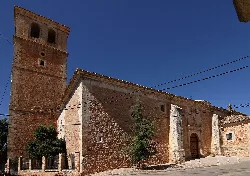
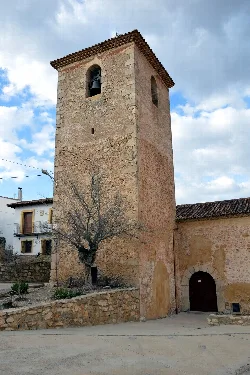
Stone tower with bell tower and tiled roof in Alcalá de la Vega.
Alcalá de la VegaCuenca

What is the architectural style of the church in Alcalá de la Vega?

The architectural style of the Iglesia parroquial de Nuestra Señora de la Asunción features a combination of masonry and solid stonework, particularly in its square tower. This design reflects the historical influences and construction techniques of the region, contributing to its cultural significance.

Iglesia parroquial de Nuestra Señora de la Asunción For visitors ›

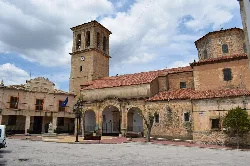
Square with church and town hall in Almodóvar del Pinar, Cuenca.
Almodóvar del PinarCuenca

What can you tell me about the Plaza de la Constitución in Almodóvar del Pinar?

The Plaza de la Constitución is a central square in Almodóvar del Pinar, featuring the Church of Nuestra Señora de la Asunción and the town hall. This area serves as a focal point for community gatherings and events, reflecting the town's cultural heritage and social life.

Plaza de la Constitución For visitors ›

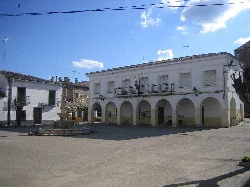
White building with arches on the ground floor and a balcony on the first floor.
Alcázar del ReyCuenca

What can you tell me about the Ayuntamiento in Alcázar del Rey?

The Ayuntamiento, or town hall, in Alcázar del Rey is a notable building that reflects the local architecture. It serves as the administrative center for the municipality and is located in the main square, making it easily accessible for residents and visitors. The building's design features traditional elements, contributing to the town's charm and historical character.

Ayuntamiento Alcazar del Rey For visitors ›

Parish church and tower in La Hinojosa, Cuenca
La HinojosaCuenca

What is the main church in La Hinojosa?

The main church in La Hinojosa is the Iglesia Parroquial. This church serves as a central place of worship for the local community and is significant for its historical and architectural value. It reflects the cultural heritage of the town and is often a focal point during local events and celebrations.

Iglesia parroquial For visitors ›

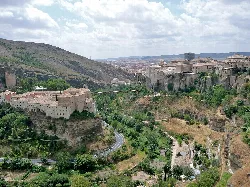
Landscape of Cuenca with hanging houses on a cliff
CuencaCuenca

What are the Hanging Houses in Cuenca?

The Hanging Houses, or Casas Colgadas, are iconic structures built over a rock above the Huecar River gorge in the 15th century. They are the only remaining examples of this architectural style in Cuenca and house a restaurant and the Museum of Abstract Art. These houses provide a stunning backdrop for photographs taken from the nearby San Pablo Bridge.

Hanging Houses For visitors ›

CuencaCuenca

What is the significance of the Cathedral of Our Lady of Grace and Saint Julian?

The Cathedral of Our Lady of Grace and Saint Julian, built from 1182 to 1270, is the first Gothic cathedral in Spain. Its unique Anglo-Norman style reflects the influence of Queen Eleanor, and it features a blend of architectural styles due to renovations over the centuries, including a notable façade rebuilt after a collapse in 1902.

Cathedral of Our Lady of Grace and Saint Julian For visitors ›

CuencaCuenca

What is the Bridge of Saint Paul?

The Bridge of Saint Paul, or Puente de San Pablo, was built between 1533 and 1589 to connect the old town with St. Paul convent. The original structure collapsed, leading to the current wooden and iron bridge built in 1902, which stands 40 meters high and offers stunning views of the Huecar gorge.

Bridge of Saint Paul For visitors ›

CuencaCuenca

What is the significance of the Mangana Tower?

Mangana Tower, built in 1565, has a rich history marked by destruction and restoration. Originally damaged during the Spanish War of Independence and later by lightning, it was rebuilt in a Neomudejar style in 1926. Today, it features a clock and offers views over the Júcar gorge and the city.

Mangana Tower For visitors ›

CoriaCáceres

What are the main attractions in Coria?

Coria is rich in historical monuments and natural beauty. Key attractions include the impressive Puerta de la Muralla, which showcases the town's medieval architecture. The ancient Roman bridge over the Alagón River is another highlight, along with the stunning Jardín Botánico, home to the singular Plátano de sombra tree. Visitors can also explore the charming streets of the town, which reflect its long history.

For visitors ›

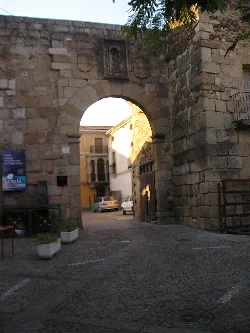
Stone arch in the Coria city wall with buildings and cars behind.
CoriaCáceres

What is the significance of the Puerta de la Muralla?

The Puerta de la Muralla is a historical landmark in Coria, representing the town's medieval fortifications. This gate was part of the defensive walls that protected the city from invasions. Its architecture reflects the historical importance of Coria during the Middle Ages, and it remains a popular spot for visitors interested in the town's rich past.

Puerta de la Muralla For visitors ›