Sights

3,246 questions

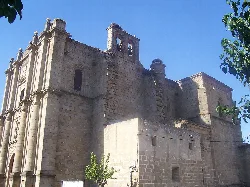
San Andrés Church in Zarza la Mayor with stone walls and historic structure.
Zarza la MayorCáceres

Can you tell me about the Iglesia de San Andrés in Zarza la Mayor?

The Iglesia de San Andrés Apóstol is a prominent church in Zarza la Mayor, built on the foundations of a smaller church from the 13th century. Completed in 1588, it features a Herrerian facade and is recognized as a historical-artistic site since 1982. Its interior boasts a striking cross-shaped layout and a unique vaulted ceiling.
Iglesia de San Andrés For visitors ›

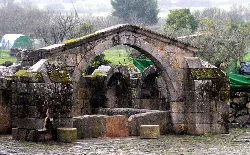
Stone fountain with three arches and tiled roof in Zarza la Mayor.
Zarza la MayorCáceres

What is the Fuente Conceja and its importance?

Fuente Conceja is a significant historical fountain in Zarza la Mayor. It serves as a reminder of the town's past and its reliance on water sources. The fountain is a charming feature of the village, often appreciated for its architectural beauty and cultural significance.

Fuente Conceja For visitors ›

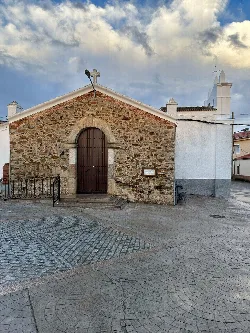
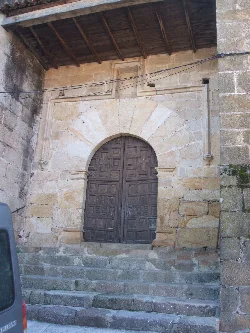
Wooden door with stone arch at the church of Villanueva de la Sierra.
Villanueva de la SierraCáceres

What is the church like in Villanueva de la Sierra?

The parish church of Nuestra Señora de la Asunción, built in the 16th century, features a notable bell tower made of ashlar stone. Inside, visitors can admire its main altarpiece, which showcases early Baroque style, reflecting the church's historical and architectural significance in the village.

Nuestra Señora de la Asunción For visitors ›

Villanueva de la SierraCáceres

What is the white building on the hill in Villanueva de la Sierra?

The white building on the hill is the Ermita de Dios Padre, located at the summit of the Sierra de Dios Padre. This site offers panoramic views of the surrounding area and is a popular destination for both locals and visitors.

Ermita de Dios Padre For visitors ›

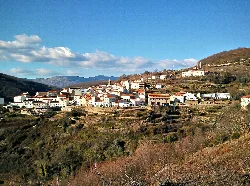
Landscape of Barrado with white houses on hills and blue sky with clouds.
BarradoCáceres

What can I see from the viewpoint at Fuente de los Chaparejos?

From the viewpoint at Fuente de los Chaparejos, you can enjoy stunning panoramic views of Barrado, nestled in the mountains. The picturesque landscape showcases the unique architecture of the village, surrounded by terraced fields and the natural beauty of the surrounding hills. It's an ideal spot for photography and appreciating the tranquility of this rural area.

For visitors ›

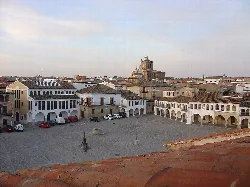
View of the main square with buildings and monument in Garrovillas de Alconétar.
Garrovillas de AlconétarCáceres

What can you tell me about the Plaza Mayor in Garrovillas de Alconétar?

The Plaza Mayor of Garrovillas de Alconétar is a stunning traditional square measuring over 4000 m². It features a mix of Gothic and Mudéjar architecture, surrounded by two-story houses with granite columns and brick arches. This square is considered one of the best rural squares in Spain and is a key highlight of the town's well-preserved historic center.

Plaza Mayor For visitors ›

Garrovillas de AlconétarCáceres

What is the significance of the Ermita de la Virgen de Altagracia?

The Ermita de la Virgen de Altagracia is the patron saint's shrine of Garrovillas de Alconétar, built in the 15th century. It features Renaissance elements and a beautifully crafted Gothic entrance. The site is significant for its religious importance and architectural beauty, attracting visitors and locals alike.

Ermita de la Virgen de Altagracia For visitors ›

Garrovillas de AlconétarCáceres

What is the architectural style of the churches in Garrovillas de Alconétar?

The churches in Garrovillas de Alconétar, particularly San Pedro and Santa María de la Consolación, exhibit late Gothic architectural styles. San Pedro features a three-nave layout, while Santa María is noted for its stunning Renaissance organ, believed to be the oldest in the Iberian Peninsula.

For visitors ›

BrozasCáceres

What can I see in Brozas?

Brozas is home to several notable landmarks, including the Iglesia de Santa María la Mayor de la Asunción, a significant religious site. The town also features remnants from its historical past, such as the Silo de Brozas, which showcases the agricultural heritage of the area. The charming streets and traditional architecture further enhance the town's appeal.

For visitors ›

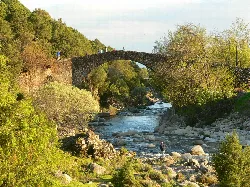
Stone bridge over a river with trees and rocks.
Madrigal de la VeraCáceres

What can you tell me about the Puente de Alardos?

The Puente de Alardos is a Romanesque bridge located at Alardos gorge, connecting Madrigal de la Vera and Candeleda. Although it is often referred to as a Roman bridge, it actually dates back to the 18th century. It serves as a picturesque landmark in the area, surrounded by natural beauty and a popular spot for visitors.

Puente de Alardos For visitors ›

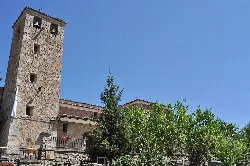
Stone tower and trees in Madrigal de la Vera.
Madrigal de la VeraCáceres

What is the significance of the Iglesia de San Pedro Apóstol?

The Iglesia de San Pedro Apóstol is the main Catholic church in Madrigal de la Vera, located in the archdiocese of Mérida-Badajoz. This church is an important cultural and religious landmark, reflecting the town's historical roots and serving as a community gathering place for worship and events.

Iglesia de San Pedro Apóstol For visitors ›

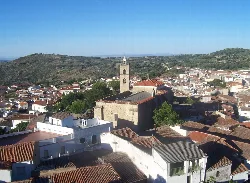
Church and houses in Montánchez, with hills and blue sky.
MontánchezCáceres

What can I see at the Iglesia parroquial de San Mateo?

The Iglesia parroquial de San Mateo is a notable religious monument in Montánchez. It features traditional architectural styles and serves as a central place of worship for the community. Visitors can admire its interior decorations and perhaps attend a service to experience local traditions and culture.

Iglesia parroquial de San Mateo For visitors ›

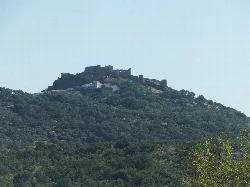
Castle on a hilltop with greenery in Montánchez.
MontánchezCáceres

What are some notable architectural features of the Castillo de Montánchez?

The Castillo de Montánchez features a mix of architectural styles, reflecting its historical transitions between Muslim and Christian rule. Key elements include its imposing walls, three aljibes, and the Torre del Homenaje, which is being considered for a museum. Its strategic elevation enhances its historical significance and visual impact.

Castillo de Montánchez For visitors ›

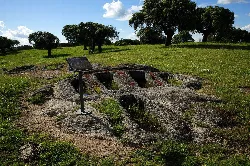
Graves dug into the ground in a visigothic necropolis with trees in the background
Arroyo de la LuzCáceres

What can I see at the Visigoth necropolis in Arroyo de la Luz?

The Visigoth necropolis in Arroyo de la Luz features several ancient tombs that provide insight into the burial practices of the Visigothic period. Visitors can observe the layout of the graves, which are often arranged in parallel, suggesting family burials. This archaeological site is significant for understanding the region's historical and cultural heritage.

Necrópolis visigoda For visitors ›

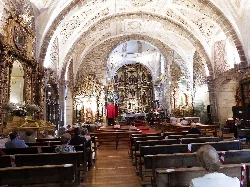
Interior of a church with decorated altar and pews with parishioners in Tornavacas.
TornavacasCáceres

What can you tell me about the Iglesia de Nuestra Señora de la Asunción?

The Iglesia de Nuestra Señora de la Asunción is a Baroque church in Tornavacas, dating back to the 13th century. The current structure was rebuilt in the late 17th century. It features a notable Retablo Mayor from the 18th century, with impressive columns and gilding, and is home to the image of the local patron, the Santísimo Cristo del Perdón.

Iglesia de Nuestra Señora de la Asunción For visitors ›

Main door of Santa Catalina Church with cloudy sky.
Torrecillas de la TiesaCáceres

What can you tell me about the Church of Santa Catalina?

The Church of Santa Catalina, built in the late 15th century, features a whitewashed façade and a single nave. Inside, it houses a Crucified figure and images of the Virgin and Santa Catalina. The church has undergone various modifications, especially in the 20th century, but retains its historical significance as a religious site in the community.

Iglesia de Santa Catalina For visitors ›

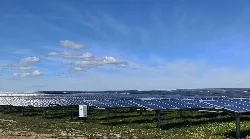
Rows of solar panels in a field under a blue sky with clouds.
Torrecillas de la TiesaCáceres

What is the Francisco Pizarro photovoltaic plant?

The Francisco Pizarro photovoltaic plant is one of the largest solar energy facilities in Europe, located in Torrecillas de la Tiesa. Covering 1,100 hectares, it features 1.6 million solar panels and has a capacity of approximately 553 megawatts, enough to power around 334,400 homes annually. This plant represents a significant advancement in renewable energy for the region.

For visitors ›

HervásCáceres

What can I expect to see in the Barrio Judío of Hervás?

In the Barrio Judío, visitors can explore narrow streets filled with historical buildings that date back to the 15th century. The area is characterized by its unique architecture, including houses made of adobe and wood. This neighborhood offers a glimpse into the town's past, making it a fascinating place to wander and appreciate its cultural significance.

Barrio judío For visitors ›

HervásCáceres

What is the significance of the church of San Juan Bautista in Hervás?

The church of San Juan Bautista, part of the old Trinitarian convent, is notable for its Baroque altarpieces from the 18th century. Built in 1664, its architecture closely resembles that of the church of San Nicolás in Valladolid. This church is a key religious site in Hervás, reflecting the town's historical and artistic heritage.

Iglesia de San Juan Bautista For visitors ›

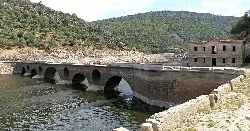
Stone bridge with arches over the Tajo river in Monfragüe.
SerradillaCáceres

What is the Puente del Cardenal in Serradilla?

The Puente del Cardenal is a bridge located in the Monfragüe area of Serradilla. It is notable for being visible only when the water level of the Tajo River is very low. This unique feature makes it an interesting spot for visitors who enjoy natural landscapes and historical structures.

Puente del Cardenal For visitors ›

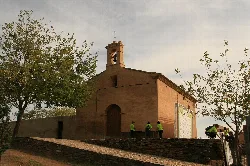
Small church with bell tower and trees around in Villarreal de San Carlos.
SerradillaCáceres

What is the Ermita de Nuestra Señora del Socorro?

The Ermita de Nuestra Señora del Socorro is a chapel located in Villarreal de San Carlos, within the Serradilla municipality. It is a part of the natural landscape near the Monfragüe National Park, often visited by those exploring the region's cultural and religious heritage.

Ermita de Nuestra Señora del Socorro For visitors ›

Santibáñez el AltoCáceres

Are there any historical sites to visit in Santibáñez el Alto?

Yes, Santibáñez el Alto is home to several historical sites, including the church of San Pedro, the Ermita del Cristo de la Victoria, and the castle. Each site offers a glimpse into the town's rich history and architectural heritage.

For visitors ›

Santibáñez el AltoCáceres

What is the significance of the Ermita del Cristo de la Victoria?

The Ermita del Cristo de la Victoria is a significant religious site in Santibáñez el Alto, built between the 17th and 18th centuries. It serves as a place of worship and reflects the town's cultural and religious heritage.

Ermita del Cristo de la Victoria For visitors ›

CeclavínCáceres

What is the architectural style of the church in Ceclavín?

The church of Nuestra Señora del Olmo in Ceclavín showcases late Gothic architecture, with its construction beginning in 1495 and completed in 1557. It features a remarkable Renaissance altarpiece and a Baroque organ, making it a significant historical and artistic site in the area.

Iglesia parroquial de Nuestra Señora del Olmo For visitors ›