Sights

3,246 questions

JaraicejoCáceres

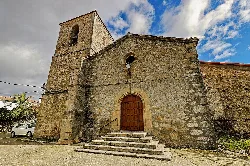
What is the importance of the Santuario de Nuestra Señora de los Hitos?

The Santuario de Nuestra Señora de los Hitos, believed to have been built in the early 16th century, is significant for its religious traditions. It houses a revered statue of the Virgin and is a focal point for local pilgrimages and festivities, especially during the second Sunday of Lent.
Santuario de Nuestra Señora de los Hitos For visitors ›

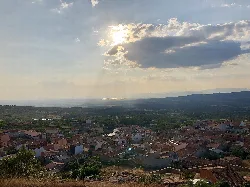
Landscape with houses and mountains under a sky with clouds and sun.
GargantillaCáceres

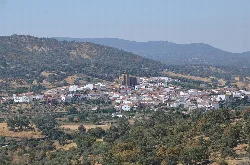
What can I see from Peña Llana?

From Peña Llana, you can enjoy a stunning panoramic view of Gargantilla and its surrounding landscapes. This vantage point offers a unique perspective on the town's layout and the natural beauty of the Ambroz Valley, making it a great spot for photography and sightseeing.

Peña Llana For visitors ›

GargantillaCáceres

What is the significance of the church in Gargantilla?

The church in Gargantilla, dedicated to San Pablo Apóstol, is notable for its simple architectural style from the 16th century. It features two entrances and is accompanied by a separate Romanesque bell tower, which historically served as a lookout point against invasions.

San Pablo Apóstol Church For visitors ›

AlisedaCáceres

What historical buildings should I visit in Aliseda?

In Aliseda, notable historical buildings include the Iglesia Parroquial de Nuestra Señora de la Asunción, constructed in the 18th century, and the Casa Parroquial. The architecture reflects traditional styles, with the church featuring unique decorative elements that highlight its historical significance.

For visitors ›

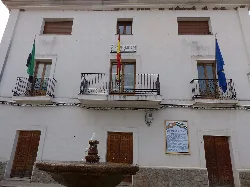
White building with balcony and flags of Spain, the European Union, and a local flag.
TalayuelaCáceres

What is the architectural style of the Ayuntamiento in Talayuela?

The Ayuntamiento features a simple yet elegant architectural style typical of municipal buildings in the region. It serves as a focal point for local governance and community activities, showcasing the town's commitment to civic engagement and public service.

Ayuntamiento For visitors ›

MoralejaCáceres

What are the main attractions in Moraleja?

Moraleja boasts several notable attractions, including the Church of Nuestra Señora de la Piedad, which is central to the community's religious life. The Rollo Picota is another significant landmark, representing historical jurisdiction. Additionally, the Ermita de la Virgen de la Vega hosts an annual pilgrimage, drawing visitors to its festivities every first Sunday of May.

For visitors ›

MoralejaCáceres

What is the significance of the Church of Nuestra Señora de la Piedad?

The Church of Nuestra Señora de la Piedad is the main religious building in Moraleja, located in the town's center. It hosts most of the town's religious celebrations and features significant artwork, including a 16th-century statue of the Virgin of the Desamparados.

Iglesia de Nuestra Señora de la Piedad For visitors ›

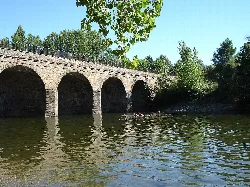
Stone bridge with arches over the river in Pinofranqueado.
PinofranqueadoCáceres

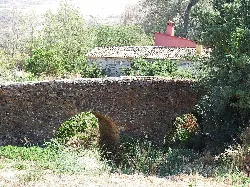
What is the importance of the bridge in Pinofranqueado?

The bridge in Pinofranqueado serves as a vital connection for the community, facilitating transportation across the river. It is also a scenic spot, enhancing the natural beauty of the area and providing a picturesque view of the surrounding landscape.

For visitors ›

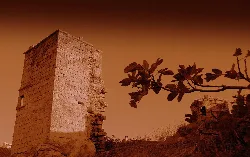
Stone tower in Eljas with branches in the foreground and sunset sky.
EljasCáceres

What can I see at the Castillo de Eljas?

The Castillo de Eljas, dating back to the 14th century, is a significant landmark in the village. It was the head of the Encomienda of Alcántara and is located near the plaza Mayor. It was declared a Monumento Histórico Artístico in 1970, showcasing its historical importance and architectural features.

Castillo de Eljas For visitors ›

EljasCáceres

What are the key attractions in Eljas?

Key attractions in Eljas include the historic Castillo de Eljas, the local church dedicated to Nuestra Señora de la Asunción, and the charming streets of the village. The natural landscapes surrounding Eljas also offer opportunities for hiking and exploring the scenic beauty of the Sierra de Gata.

For visitors ›

Zarza de GranadillaCáceres

What is the church like in Zarza de Granadilla?

The main church in Zarza de Granadilla is dedicated to Nuestra Señora de la Asunción and was built in the 16th century. It is a significant religious site within the community, reflecting the town's historical and cultural heritage.

For visitors ›

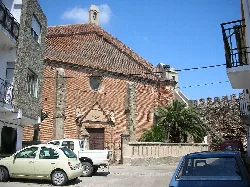
Brick church facade with architectural details in Galisteo.
GalisteoCáceres

What can you tell me about the Iglesia de Nuestra Señora de la Asunción?

The Iglesia de Nuestra Señora de la Asunción features a semicircular apse in Mudéjar style and a separate campanario located in front of the church. Originally built in the 13th century, it underwent renovations in the 16th century. Uniquely, its altar does not face east due to the nearby wall, making it one of the few churches in the area with this orientation.

Iglesia de Nuestra Señora de la Asunción For visitors ›

Valencia de AlcántaraCáceres

What are the main historical sites to visit in Valencia de Alcántara?

Valencia de Alcántara features several significant historical sites, including the Iglesia de Nuestra Señora de Rocamador, a 16th-century church with a notable Baroque retablo. The town also boasts a well-preserved Jewish-Gothic quarter, highlighted by its ancient synagogue. Additionally, the area is famous for its 41 prehistoric dolmens, which are among the most important megalithic structures in Europe.

For visitors ›

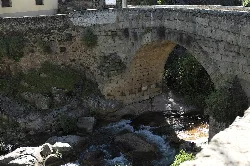
Stone bridge over a river with vegetation and an old neighborhood in the background.
Valencia de AlcántaraCáceres

Is there a prominent landmark in Valencia de Alcántara that I should see?

Yes, the Roman bridge is a prominent landmark in Valencia de Alcántara. This historical structure exemplifies the town's rich heritage and serves as a picturesque spot for visitors. It connects different parts of the town and offers beautiful views of the surrounding landscape, making it a must-see for anyone exploring the area.

Roman Bridge For visitors ›

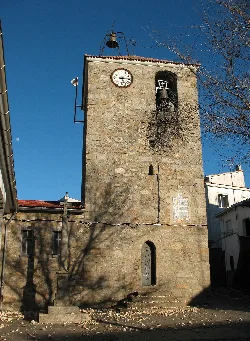
Stone church tower with clock and bell tower in Piornal.
PiornalCáceres

What can you tell me about the Iglesia de San Juan in Piornal?

The Iglesia de San Juan is the main church in Piornal, originally built in the 15th century. It underwent reconstruction recently, preserving only its bell tower and some Gothic elements like the old granite sagrario. The church reflects the historical architecture of the region, making it a notable landmark for visitors.

Iglesia de San Juan For visitors ›

MadroñeraCáceres

What is the Mona del Rollo?

The Mona del Rollo, or Picota, is a significant historical monument in Madroñera from the 16th century. It features coats of arms from the local nobility and symbolizes the village's heritage. This structure is an important landmark reflecting the town's historical significance and is a point of interest for visitors exploring local culture.

Mona del Rollo For visitors ›

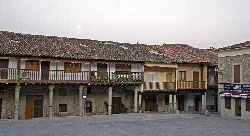
Traditional houses with wooden balconies in Cuacos de Yuste's main square.
Cuacos de YusteCáceres

What is the Plaza Mayor in Cuacos de Yuste like?

The Plaza Mayor is a charming square characterized by its traditional architecture, featuring porticoes supported by stone columns. Some of these columns were repurposed from the nearby Monastery of Yuste. The square is a central gathering place, showcasing the unique architectural style of the region, with colorful houses and the town hall adding to its appeal.

Plaza Mayor For visitors ›

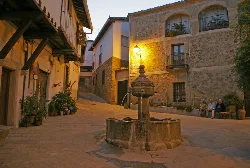
Square with an old fountain and stone buildings in Cuacos de Yuste at sunset.
Cuacos de YusteCáceres

What is the Fuente de los Chorros?

The Fuente de los Chorros is a picturesque fountain located in Cuacos de Yuste, known for its charming ambiance, especially at night. This fountain is a popular spot for both locals and visitors, providing a serene setting to relax and enjoy the beauty of the town's historic architecture and natural surroundings.

Fuente de los Chorros For visitors ›

Cuacos de YusteCáceres

What is the Casa de Juan de Austria?

The Casa de Juan de Austria is a historical building in Cuacos de Yuste, linked to the life of Juan de Austria, the illegitimate son of Emperor Charles I. This structure showcases traditional Verata architecture and serves as a reminder of the town's royal connections, making it a point of interest for history enthusiasts.

Casa de Juan de Austria For visitors ›

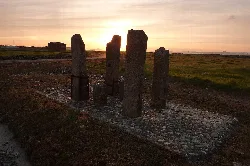
Large, strange stones in a field at sunset.
La GranjaCáceres

What is the significance of the strange stones near La Granja?

The strange stones located near La Granja are a notable landmark, often associated with local folklore and history. Their exact purpose and origin are not clearly defined, but they attract visitors due to their unique appearance and the picturesque setting at sunset, making them a popular spot for photography.

strange stones For visitors ›

Stone facade of San Lorenzo church with bell tower and steps.
CabezabellosaCáceres

What is the significance of the Iglesia de San Lorenzo in Cabezabellosa?

The Iglesia de San Lorenzo Mártir, built in the 17th century, is a notable landmark in Cabezabellosa. Located to the south of the village, it features distinctive stone tombs. This church reflects the traditional architecture of the region and serves as a cultural and historical focal point for the community.

Iglesia de San Lorenzo For visitors ›

CabezabellosaCáceres

What can you tell me about the Mirador del Castillo?

The Mirador del Castillo, inaugurated in 2002, is a key tourist attraction in Cabezabellosa. It offers stunning views of the surrounding landscape, including the Sierra de Francia and the valleys of Ambroz and Jerte. This site has become increasingly popular for visitors seeking scenic vistas and a connection to nature.

Mirador del Castillo For visitors ›

View of a hillside village with a church in the center and mountains in the background.
GarciazCáceres

What can you tell me about the Iglesia de Santiago Apóstol in Garciaz?

The Iglesia de Santiago Apóstol is the main church in Garciaz, built under the direction of Bishop Gutierre de Vargas Carvajal in 1545. It features a combination of masonry and slate, with a notable bell tower. Inside, you'll find valuable artworks, including a 17th-century altar dedicated to the Virgin of the Rosary and images of saints. The church is a significant historical monument in the area.

Iglesia de Santiago Apóstol For visitors ›

Stone bridge with an arch in Garcíaz, surrounded by trees and vegetation.
GarciazCáceres

What is the significance of the Puente de los Mártires?

The Puente de los Mártires is a historical bridge in Garciaz, showcasing local architecture and serving as a reminder of the village's past. It connects different areas of the municipality and reflects the region's agricultural heritage, making it an interesting spot for visitors interested in local history.

Puente de los Mártires For visitors ›