Sights

3,246 questions

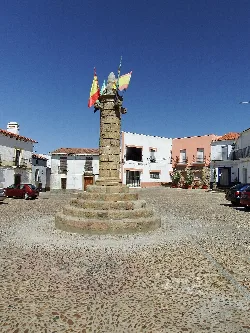
Monument in Garciaz square with white houses and cars.
GarciazCáceres

What is the Rollo Jurisdiccional in Garciaz?

The Rollo Jurisdiccional is a historical monument located in the main square of Garciaz. Built in 1565, it symbolizes the jurisdictional rights of the village. The structure is made of granite and features a circular base with a cylindrical column topped by a distinctive pinacle, making it an important landmark.
Rollo Jurisdiccional For visitors ›

NavezuelasCáceres

What are the main attractions in Navezuelas?

Navezuelas is known for its stunning natural landscapes, particularly the Pico Villuercas, which offers breathtaking views and hiking opportunities. The town also features the historic Church of Santiago Apóstol, notable for its unique architecture. Additionally, the area is rich in flora and fauna, making it ideal for nature enthusiasts.

For visitors ›

NavezuelasCáceres

What is the significance of the Pico Villuercas?

Pico Villuercas is the highest peak in the Montes de Toledo, reaching 1601 m. It plays a crucial role in the local geography and ecology, offering stunning views and diverse habitats. The peak is also a popular destination for hikers and nature lovers, making it a key attraction in the area.

Pico Villuercas For visitors ›

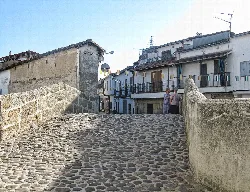
Stone bridge with railings on Severiano Masides street in Aldeanueva del Camino
Aldeanueva del CaminoCáceres

What is the Puente sobre la Garganta de la Buitrera?

The Puente sobre la Garganta de la Buitrera is a historic bridge located in Aldeanueva del Camino. It spans the Garganta de la Buitrera and is situated on Calle Severiano Masides. This bridge exemplifies the Roman influence in the area, showcasing the municipality's rich historical heritage along the ancient Vía de la Plata.

Puente sobre la Garganta de la Buitrera For visitors ›

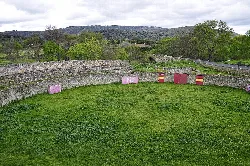
Old bullring with stone walls and green grass.
Aldeanueva del CaminoCáceres

What is the significance of the Plaza y puente romano?

The Plaza y puente romano in Aldeanueva del Camino showcases the town's historical connection to Roman architecture and culture. The site includes remnants of an ancient bullring and is a testament to the area's rich history, attracting visitors interested in its cultural heritage and architectural significance.

Plaza y puente romano For visitors ›

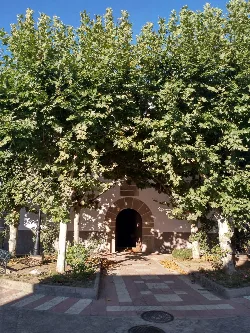
Entrance of a church with a large leafy tree in front.
Aldeanueva del CaminoCáceres

What is the Parroquia Nª Sra. del Olmo?

The Parroquia Nª Sra. del Olmo is one of the two main churches in Aldeanueva del Camino. It has historical significance, having belonged to the diocese of Plasencia until 1959. The church reflects the town's religious heritage and is an integral part of local cultural events and celebrations.

Parroquia Nª Sra. del Olmo For visitors ›

Baños de MontemayorCáceres

What are the main attractions in Baños de Montemayor?

Baños de Montemayor is renowned for its Roman thermal baths, which are still in use today. The town also features beautiful natural surroundings, including the Sierra de Béjar mountains and the historic Vía de la Plata. Visitors can explore local craftsmanship, particularly in chestnut wood, and enjoy various cultural events throughout the year.

For visitors ›

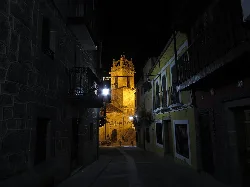
Narrow street with buildings and an illuminated church in the distance.
Baños de MontemayorCáceres

What is the significance of the Iglesia de Santa María?

Iglesia de Santa María is one of the two churches in Baños de Montemayor, representing the parish that belonged to the Diocese of Coria. It showcases local architecture and serves as a cultural center for the community. The church is an important landmark, reflecting the town's historical and religious heritage.

Iglesia de Santa María For visitors ›

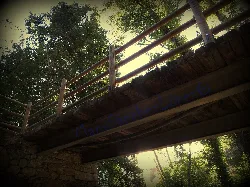
Wooden bridge with railing in a wooded environment
Baños de MontemayorCáceres

What can you tell me about the Molino de Agua?

The Molino de Agua in Baños de Montemayor is one of the few functioning water mills in Spain. After its restoration, it operates once a week, allowing visitors to observe its traditional workings while enjoying the beautiful natural surroundings of the area.

Molino de Agua For visitors ›

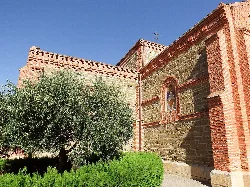
Cedillo church with stone and brick walls and a large tree in the foreground.
CedilloCáceres

What is the significance of the Iglesia parroquial de San Antonio de Padua?

The Iglesia parroquial de San Antonio de Padua is the main church in Cedillo, built in 1894 in a neogothic style by architect Juan Bautista Lázaro de Diego. It was constructed to replace a previous temple and features a Greek cross layout, although it currently suffers from internal deterioration due to water damage.

Iglesia parroquial de San Antonio de Padua For visitors ›

AlbaláCáceres

What are the main attractions in Albalá?

Albalá features several historical sites, including the Church of Santa María Magdalena, which dates back to the 16th century. Additionally, visitors can explore the Rollo, a stone column symbolizing jurisdiction. The village is also known for its traditional architecture, with many houses displaying heraldic shields from the time of Felipe II.

For visitors ›

AlbaláCáceres

What is the significance of the Church of Santa María Magdalena?

The Church of Santa María Magdalena, built in the 16th century, is a key historical site in Albalá. It features a simple yet elegant design with a single nave and a rich interior that includes Baroque altarpieces and a notable sculpture of the Immaculate Conception from the 17th century.

Iglesia de la Magdalena For visitors ›

AlbaláCáceres

What can you tell me about the Rollo in Albalá?

The Rollo, also known as the Picota, is a significant historical monument in Albalá. This stone column served as a symbol of jurisdiction and was used for public punishments. It stands as a reminder of the town's historical governance and social practices.

Rollo For visitors ›

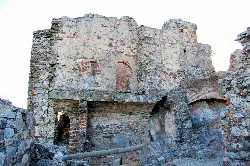
Ruins of a castle with stone walls and brick arches in Mirabel, Cáceres.
MirabelCáceres

What can I see at the Castillo de Mirabel?

The Castillo de Mirabel, dating back to the 15th century, is located on a hill and offers impressive views of the surrounding area. The ruins reflect its historical significance during the Reconquista and are a great spot for history enthusiasts and photographers alike.

Castillo de Mirabel For visitors ›

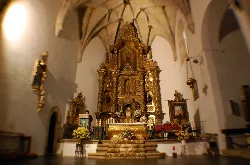
Interior of a church with a golden altar and religious details in Mirabel.
MirabelCáceres

What is the significance of the Iglesia de Nuestra Señora de la Asunción?

The Iglesia de Nuestra Señora de la Asunción is a significant historical church in Mirabel, with construction dating back to the late 15th century. It showcases a blend of architectural styles, including Gothic elements and Baroque altarpieces, reflecting its long history.

Iglesia de Nuestra Señora de la Asunción For visitors ›

MirabelCáceres

What is the Picota in Mirabel?

The Picota is a historical structure located in the town square of Mirabel. It served as a symbol of jurisdiction and was used for public punishment. Today, it stands as a reminder of the town's past and is a popular spot for gatherings.

Picota For visitors ›

CáceresCáceres

What are the main attractions in Cáceres?

Cáceres is renowned for its medieval walled city, which is a UNESCO World Heritage site. Key attractions include the Torre de Bujaco, the Arco de la Estrella, and numerous historical palaces like the Palacio de los Golfines de Abajo. The city also features a blend of Roman, Moorish, and Gothic architecture, making it a picturesque destination for history enthusiasts.

For visitors ›

CáceresCáceres

What is the Torre de Bujaco?

The Torre de Bujaco is a prominent 12th-century tower in Cáceres, serving as a symbol of the city's medieval heritage. It was part of the defensive walls built during the Moorish period and offers visitors stunning views of the surrounding area. The tower's architecture reflects the Islamic influence on the city.

Torre de Bujaco For visitors ›

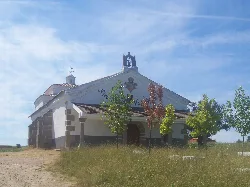
Small chapel with trees and blue sky in Montehermoso.
MontehermosoCáceres

What can you tell me about the Ermita de Nuestra Señora de Valdefuentes?

The Ermita de Nuestra Señora de Valdefuentes is a notable chapel located in Montehermoso. It serves as a religious site and is part of the local heritage. The chapel is set in a picturesque landscape, reflecting the traditional architecture of the region. It is a place of worship and community gatherings, showcasing the cultural significance of religious structures in the area.

Ermita de Nuestra Señora de Valdefuentes For visitors ›

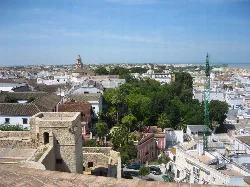
View of the upper neighborhood, tower, and city of Sanlúcar de Barrameda.
Sanlúcar de BarramedaCádiz

What can I see from the Castillo de Santiago in Sanlúcar de Barrameda?

From the Castillo de Santiago, you can enjoy a panoramic view of the Barrio Alto and the surrounding areas of Sanlúcar de Barrameda. The castle offers a unique perspective of the city, including its architecture and green spaces, as well as a glimpse of the Atlantic coast and the estuary of the Guadalquivir River.

Castillo de Santiago For visitors ›

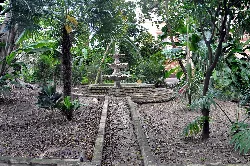
Garden with fountain and tropical plants in Sanlúcar de Barrameda.
Sanlúcar de BarramedaCádiz

What is the significance of the Jardines del Ayuntamiento?

The Jardines del Ayuntamiento, located next to the old palace of the Dukes of Montpensier, date back to the 19th century. They are designed with a variety of plants and trees, providing a peaceful retreat in the city and showcasing the historical architecture of the area.

Jardines del Ayuntamiento For visitors ›

AlgecirasCádiz

What are some popular day trips from Algeciras?

Popular day trips from Algeciras include visits to Tarifa for bird migrations, Gibraltar to explore its unique sights and culture, and whale watching excursions in the Bay of Gibraltar. These activities highlight the region's natural beauty and cultural richness, making them appealing for visitors.

For visitors ›

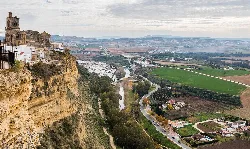
Panoramic view of Arcos de la Frontera from a hilltop viewpoint
Arcos de la FronteraCádiz

What can I see from the Balcón de la Peña Nueva?

From the Balcón de la Peña Nueva, you can enjoy stunning views of Arcos de la Frontera, perched on a sandstone ridge. The vista includes the Guadalete River winding through the valley and the surrounding countryside, showcasing the natural beauty of the Sierra de Cádiz region.

For visitors ›

Arcos de la FronteraCádiz

Can you tell me about the Castillo de Arcos?

The Castillo de Arcos is a medieval castle of Moorish origin, rebuilt mainly in the 15th century. While it is currently private property and not open to the public, its impressive structure and historical significance make it a notable landmark in the town.

Castillo de Arcos For visitors ›