Sights

3,246 questions

La CalahorraGranada

What is the significance of the Iglesia de la Anunciación?

The Iglesia de la Anunciación, constructed in 1546, is an important landmark in La Calahorra. Its Mudéjar style and unique architectural features, including a cross-shaped layout and a four-story tower, reflect the town's historical and cultural heritage.
Iglesia de la Anunciación For visitors ›

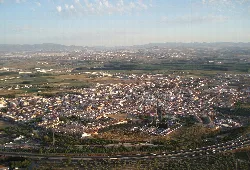
Aerial view of Atarfe from the Ermita de los Tres Juanes.
AtarfeGranada

What can you tell me about the Ermita de los Tres Juanes?

The Ermita de los Tres Juanes was built in the early 20th century on the site of an ancient Arab castle. It was initially intended for religious use, but after its completion, it was repurposed for civic activities. The location offers stunning views of the Vega, surrounded by gardens and exotic animals like peacocks, making it a lovely spot for visitors.

Ermita de los Tres Juanes For visitors ›

AtarfeGranada

What are some notable landmarks in Atarfe?

Atarfe is home to several notable landmarks, including the Iglesia parroquial de la Encarnación, which features beautiful Mudéjar architecture, and the Ermita de Santa Ana, the town's patron saint. The Coliseo Ciudad Atarfe is also significant, hosting various events and performances.

For visitors ›

Pablo Neruda Theater with snowy mountains in the background.
PeligrosGranada

What is the significance of the Teatro Pablo Neruda in Peligros?

Teatro Pablo Neruda is a cultural landmark in Peligros, hosting various events and performances. It serves as a venue for the Festival de Cine de Terror y Fantástico, showcasing local and international films. The theater contributes to the cultural vibrancy of the municipality, making it a central hub for artistic expression.

Teatro Pablo Neruda For visitors ›

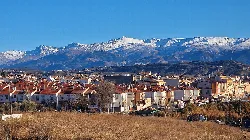
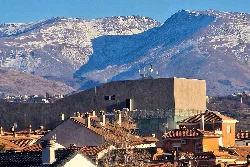
View of Peligros town with snow-capped mountains in the background
PeligrosGranada

What is the white building on the hill in Peligros?

The white building on the hill is likely the Casa Árabe, a contemporary structure designed in neomudéjar style. It is located near the historical site of the medieval gate of Granada and serves as a cultural landmark, reflecting the architectural heritage of the region.

Casa Árabe For visitors ›

CúllarGranada

Is there a historical landmark I should visit in Cúllar?

One notable landmark in Cúllar is the site of the former castle, which played a significant role in the town's history. Although the castle no longer exists, its location offers a glimpse into the town's past and the strategic importance it held in historical conflicts.

For visitors ›

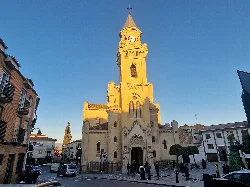
Church of the Incarnation in Gabia Grande, with tower and Gothic façade.
Las GabiasGranada

What is the main church in Las Gabias?

The main church in Las Gabias is the Iglesia de la Encarnación, located in Gabia Grande. This neogothic church was built in the early 20th century and replaced an earlier church that was demolished due to a earthquake. It serves as a significant religious and cultural landmark for the community.

Iglesia de la Encarnación For visitors ›

Las GabiasGranada

What can you tell me about the Ermita de la Virgen de las Nieves?

The Ermita de la Virgen de las Nieves is an important architectural site in Las Gabias, built between the 16th and 18th centuries. It features a basilical design with numerous frescoes depicting various scenes from the life of the Virgin Mary. The main statue, created by Bernabé de Gaviria in 1615, represents the Virgin with the Child Jesus.

Ermita de la Virgen de las Nieves For visitors ›

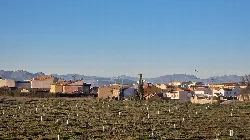
Landscape with houses and mountains in the background in Las Gabias, Granada.
Las GabiasGranada

What is Gabia Chica known for?

Gabia Chica is one of the localities within the municipality of Las Gabias. It is notable for its 16th-century church, which features Byzantine architectural style and is dedicated to the Virgen del Rosario, the local patron saint. This adds to the cultural and historical richness of the area.

Gabia Chica For visitors ›

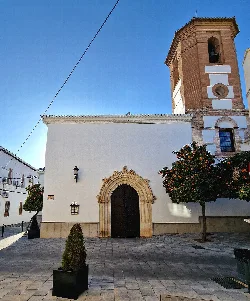
White church with arched door and brick bell tower on the right.
GójarGranada

What is the church in Gójar known for?

The church in Gójar, known as Nuestra Señora de la Paz, was built between 1503 and 1530, possibly with the involvement of architect Pedro Machuca. It features Mudéjar architecture with a single nave and a bell tower from the 18th century. The church houses significant artistic items, including the image of Nuestra Señora de la Paz, which is linked to local traditions.

Iglesia de Nuestra Señora de la Paz For visitors ›

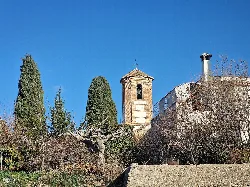
Bell tower of a church in Gójar with trees and blue sky.
GójarGranada

What is the architectural style of the bell tower in Gójar?

The bell tower of the church Nuestra Señora de la Paz in Gójar showcases a blend of architectural styles, primarily reflecting Mudéjar influences. The lower part is made of tapial with brick courses, while the upper section, which houses the bells, is constructed entirely of brick, characteristic of the region's historical architecture.

Iglesia de Nuestra Señora de la Paz For visitors ›

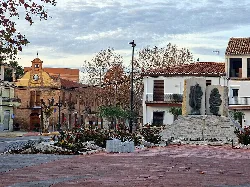
Lorca monument and cultural center in Fuente Vaqueros with trees and old buildings.
Fuente VaquerosGranada

What is the monument to Federico García Lorca in Fuente Vaqueros?

The monument to Federico García Lorca, located in the Paseo del Prado, honors the famous poet born in Fuente Vaqueros. This tribute reflects the town's pride in its cultural heritage and commemorates Lorca's significant contributions to literature and drama. The nearby Centro de Estudios Lorquianos further celebrates his life and works, making it a key attraction for visitors and locals alike.

Monumento de 'El Pueblo a Federico García Lorca' For visitors ›

Fuente VaquerosGranada

What is the Centro de Estudios Lorquianos?

The Centro de Estudios Lorquianos is dedicated to preserving and promoting the legacy of Federico García Lorca. Inaugurated in 1998, the center houses a vast collection of resources related to Lorca's life and work. It serves as a research hub, offering exhibitions and cultural events that celebrate the poet's contributions to literature.

Centro de Estudios Lorquianos For visitors ›

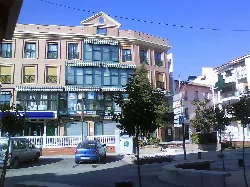
Modern building and trees in Plaza 1º de Mayo in Huétor-Tájar.
Huétor TájarGranada

What is the significance of the Plaza 1º de Mayo in Huétor Tájar?

Plaza 1º de Mayo serves as a central gathering place in Huétor Tájar, reflecting the town's social life. It is surrounded by local businesses and provides a space for community events and celebrations, making it an important landmark for residents and visitors alike.

Plaza 1º de Mayo For visitors ›

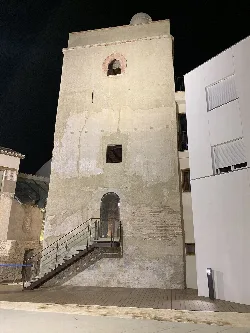
Tower with worn walls and modern staircase in Huétor Tájar.
Huétor TájarGranada

Are there any historical ruins to visit in Huétor Tájar?

Yes, Huétor Tájar features historical ruins such as the Torreón, which dates back to the period of the Luna family's lordship. Visitors can explore these remnants of the past, which provide insight into the town's rich history and architectural heritage.

For visitors ›

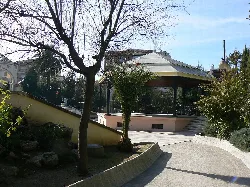
Music kiosk in La Encina Park, surrounded by trees and gardens.
La ZubiaGranada

What can you tell me about the Templete de la Música in La Zubia?

The Templete de la Música, located in Parque de La Encina, serves as a venue for concerts and municipal activities. It is a charming structure where the prestigious Orquesta Ciudad de Granada performs annually, enhancing the cultural life of La Zubia and providing a lovely space for community gatherings.

Templete de la Música For visitors ›

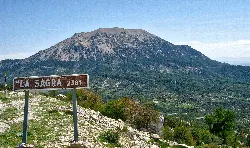
View of La Sagra with a sign showing its name and altitude.
HuéscarGranada

What is the significance of La Sagra in Huéscar?

La Sagra is a prominent peak in Huéscar, standing at an altitude of 2383 meters. It is a popular destination for nature lovers and hikers, offering stunning views and diverse flora and fauna. The area around La Sagra is known for its natural beauty, making it a key attraction for outdoor activities in the region.

La Sagra For visitors ›

HuéscarGranada

What is the significance of the Puente de las Ánimas?

The Puente de las Ánimas, also known as the Acueducto de Raigada, is a significant historical monument in Huéscar. Built in the 16th century, it was declared a National Historic-Artistic Monument in 1982. The bridge showcases the region's architectural heritage and adds to the scenic beauty of the area.

Puente de las Ánimas For visitors ›

HuéscarGranada

Are there any notable museums in Huéscar?

Yes, Huéscar is home to the Museo José de Huéscar, established in 2011. Located in the building of the Pósito, it houses the artistic legacy of José Antonio de Huéscar, a Spanish illustrator. The museum reflects the cultural heritage of the area and is a point of interest for visitors.

For visitors ›

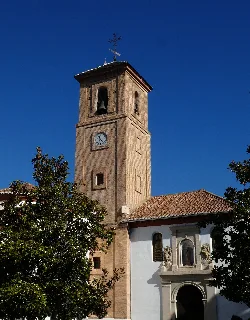
Church tower with clock and bell tower in Dúrcal, Granada.
DúrcalGranada

What can you tell me about the Iglesia Parroquial de la Inmaculada?

The Iglesia Parroquial de la Inmaculada is a significant religious building in Dúrcal, dating back to the 16th century. It showcases Mudéjar architectural style and features a notable altar with an 18th-century painting. This church serves as a central place of worship for the community and reflects the historical and cultural heritage of the area.

Iglesia Parroquial de la Inmaculada For visitors ›

DúrcalGranada

What is the architecture like in Dúrcal?

Dúrcal features a mix of architectural styles, reflecting its historical evolution. Notable buildings include the 16th-century Iglesia de la Inmaculada and the Ermita de San Blas. The town also has civil structures like the Puente de Lata, showcasing influences from different historical periods.

For visitors ›

Vélez de BenaudallaGranada

Are there any notable landmarks in Vélez de Benaudalla?

Vélez de Benaudalla features a historical fortress that dominates the landscape, offering a glimpse into its past. The old town retains its original narrow streets, reflecting the town's Arab heritage, making it a charming area to explore.

For visitors ›

Vegas del GenilGranada

What notable historical sites are in Vegas del Genil?

Vegas del Genil features several historical sites, including the church of San José in Purchil, which holds valuable Baroque images, and the Puente Francés, a 19th-century stone bridge. Additionally, remnants of an ancient almunia and rauda from the Nasrid period have been discovered in Purchilejo.

For visitors ›

Vegas del GenilGranada

What can you tell me about the Centro de Interpretación de la Vega?

The Centro de Interpretación de la Vega is located in an old tobacco drying house from 1953. It serves as a cultural site that showcases the agricultural heritage of the region, emphasizing the importance of the Vega's fertile lands and traditional farming practices.

Centro de Interpretación de la Vega For visitors ›