Sights

3,246 questions

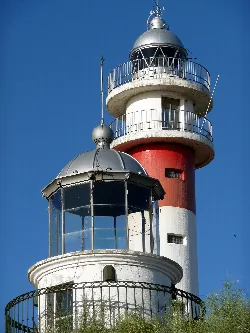
Two lighthouses in El Rompido, one with a metal dome and the other with glass structure and railing.
CartayaHuelva

What is the significance of the Faros de El Rompido?

The Faros de El Rompido are notable lighthouses located in the nearby village of El Rompido. They guide ships safely along the coast and are a key part of the maritime heritage of the area. The lighthouses are also popular for their picturesque views and historical significance.
Faros de El Rompido For visitors ›

GibraleónHuelva

What historical sites should I visit in Gibraleón?

Gibraleón is home to several historical sites, including the Castillo de Gibraleón, a medieval fortress with origins dating back to the Islamic period. The Parroquia Matriz de San Juan Bautista is another significant site, built on the remains of a mosque, showcasing a blend of architectural styles from different eras.

For visitors ›

GibraleónHuelva

What is the architectural style of the Parroquia Matriz de San Juan Bautista?

The Parroquia Matriz de San Juan Bautista features a mix of architectural styles, primarily Gothic-Mudéjar for the main chapel and Baroque for the side naves. This blend illustrates the church's historical evolution, with elements from different periods visible in its structure and design.

Parroquia Matriz de San Juan Bautista For visitors ›

AljaraqueHuelva

What are the main attractions in Aljaraque?

Aljaraque offers several notable attractions, including the Ermita Ntra. Sra. de los Remedios, a striking white building in a beautiful pine forest, and the Yacimiento arqueológico de Papa Uvas, an important archaeological site. Additionally, the town hosts the Romería de Ntra. Sra. de los Remedios, a vibrant festival celebrated in honor of the Virgin, attracting many visitors each year.

For visitors ›

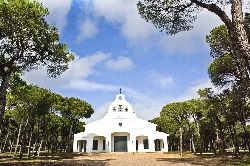
White chapel surrounded by trees and blue sky with clouds.
AljaraqueHuelva

What is the Ermita Ntra. Sra. de los Remedios like?

The Ermita Ntra. Sra. de los Remedios is a modern structure built between 2000 and 2003, notable for its size and beautiful design. It features three naves, a high choir, and a large bell tower. Surrounded by a porch with large windows, it serves as a focal point for the annual romería, showcasing the town's devotion to the Virgin.

Ermita Ntra. Sra. de los Remedios For visitors ›

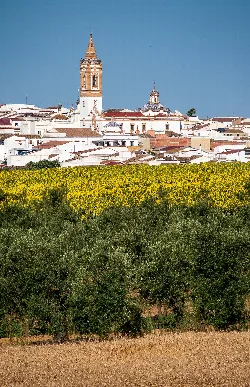
Landscape with crops and Rociana del Condado church in the background.
Rociana del CondadoHuelva

What is the significance of the Iglesia de San Bartolomé in Rociana del Condado?

The Iglesia de San Bartolomé is a prominent neobaroque church located in the center of Rociana del Condado. Constructed between 1936 and 1958, it replaced an earlier neomudéjar church destroyed during the Spanish Civil War. The church features a large tower and is a key landmark in the town, reflecting its historical and cultural importance.

Iglesia de San Bartolomé For visitors ›

Rociana del CondadoHuelva

What historical landmarks should I visit in Rociana del Condado?

In Rociana del Condado, notable historical landmarks include the Iglesia de San Bartolomé, the 18th-century Ermita de San Sebastián, and various traditional houses and bodegas. The town's center is recognized as a cultural heritage site, showcasing its rich architectural history and agricultural past.

For visitors ›

BeasHuelva

What is the architectural style of the Casa consistorial in Beas?

The Casa consistorial, built in 1881, showcases a neoclassical architectural style. Designed by architect Manuel Pérez González, it features two floors and is topped with a tower that houses a clock. This building serves as a central point for local governance and community activities.

Casa consistorial For visitors ›

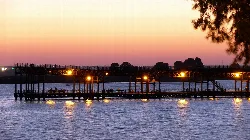
Mineral pier with lights reflected in the water at sunset in Huelva.
HuelvaHuelva

What can you tell me about the Muelle de Riotinto?

The Muelle de Riotinto is a historic mineral dock in Huelva, used for exporting minerals like copper and pyrite. It reflects the city's industrial heritage and played a crucial role in its economic development during the 19th century. The dock is a notable landmark along the waterfront, showcasing Huelva's connection to mining and trade.

Muelle de Riotinto For visitors ›

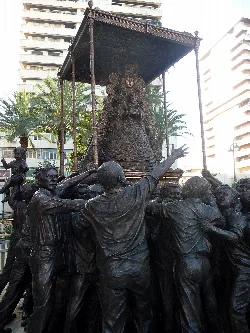
Sculptures of people in a monument in Huelva.
HuelvaHuelva

What is the significance of the Monumento a la Virgen del Rocío?

The Monumento a la Virgen del Rocío, inaugurated on March 20, 2011, is located in Plaza del Punto. It honors the Virgin of Rocío, a key figure in local religious traditions. The monument reflects the cultural importance of the Romería del Rocío pilgrimage, attracting many visitors each year to celebrate this significant event.

Monumento a la Virgen del Rocío For visitors ›

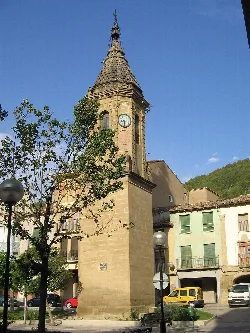
Ayerbe clock tower with clock and stone structure in the square.
AyerbeHuesca

What is the Torre del Reloj in Ayerbe?

The Torre del Reloj, built in 1798, is a unique clock tower located in the main square of Ayerbe, next to the Palacio de los Luna. It was constructed to replace the previous church tower and is notable for its simple design and historical significance.
Torre del Reloj For visitors ›

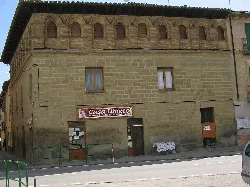
Stone building façade with a brick arch gallery at the top.
AyerbeHuesca

What can I see at the Palacio de los Luna?

The Palacio de los Luna is an excellent example of Aragonese domestic architecture, featuring a coat of arms and a typical gallery of arches. This historical building is a significant landmark in Ayerbe and reflects the region's architectural heritage.

Palacio de los Luna For visitors ›

BarbastroHuesca

What is the Palacio Episcopal like in Barbastro?

The Palacio Episcopal, constructed in the 16th century with later expansions, reflects the architectural style typical of Aragón. Its facade features three sections with an arcade gallery and a large eave, making it a notable landmark just a short distance from the cathedral.

Palacio Episcopal For visitors ›

BarbastroHuesca

What can I find at the Museo del vino in Barbastro?

The Museo del vino, located in the former hospital of San Julián, offers an engaging exploration of the winemaking process specific to the Somontano region. It features modern exhibits that educate visitors about local viticulture and the significance of wine production in Barbastro's economy and culture.

Museo del vino For visitors ›

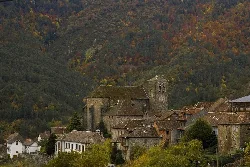
Ansó with Gothic church and houses in an autumn landscape.
AnsóHuesca

What is the significance of the church of San Pedro in Ansó?

The church of San Pedro is a significant landmark in Ansó, characterized by its Gothic style and defensive features such as a matacán and aspilleras. Built in the 16th century, it houses a notable Baroque altarpiece and a Renaissance processional cross. This church stands on the site of a temple dating back to the 6th century, making it a historical and architectural treasure for the town.

San Pedro For visitors ›

AnsóHuesca

What makes the architecture of Ansó unique?

Ansó's architecture is distinctive due to its narrow passageways called 'arteas,' which are about fifty centimeters wide. This feature, along with its traditional stone houses and unique chimneys, contributes to the town's charm, making it one of the most beautiful villages in Spain since 2015.

For visitors ›

BenasqueHuesca

What are the main activities for tourists in Benasque?

Benasque is a hub for outdoor activities, especially skiing in Cerler and hiking in the surrounding mountains. Visitors can explore the Posets-Maladeta Natural Park, enjoy the Gran Trail Aneto-Posets in July, or relax in the picturesque village with its charming architecture.

For visitors ›

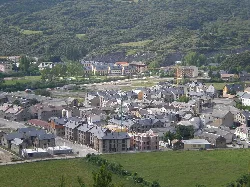
Aerial view of Villanúa with houses and San Esteban church.
VillanúaHuesca

What is the Casco Viejo in Villanúa like?

The Casco Viejo is the old town of Villanúa, centered around the church of San Esteban. It features narrow streets and traditional architecture, showcasing the town's historical charm. Visitors can enjoy the picturesque setting and explore the area, which reflects the local culture and heritage. The church itself has undergone modifications over the centuries, adding to its unique character.

Casco Viejo For visitors ›

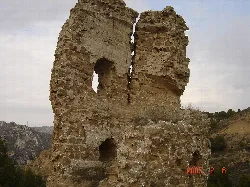
Ruins of the upper part of the castle with stone walls and open windows.
Tamarite de LiteraHuesca

What can I see at the Castillo de los Moros?

The Castillo de los Moros in Tamarite de Litera is a historical site with remnants of its structure still visible. The upper room has lost its roof due to lack of maintenance, showcasing the erosion of the sandstone used in its construction, which adds to its historical significance.

Castillo de los Moros For visitors ›

Tamarite de LiteraHuesca

What are the main sights to see in Tamarite de Litera?

Visitors to Tamarite de Litera can explore its historical architecture, including the remnants of the Castillo de los Moros and the Church of Santa María la Mayor. The town's picturesque streets and the surrounding natural landscapes also offer scenic views and opportunities for exploration.

For visitors ›

PlanHuesca

What can I see in Plan?

In Plan, visitors can explore the beautiful natural landscapes of the Valle de Chistau, including the nearby Ibón de Plan, a mountain lake known for its enchanting beauty. The village features narrow streets and traditional houses, with the 16th-century Church of San Esteban as a central landmark. The area is also surrounded by impressive peaks, making it ideal for hiking and nature walks.

For visitors ›

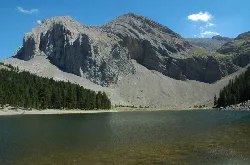
Mountain lake with pine trees and rocky mountains in Huesca, Aragón.
PlanHuesca

What is the significance of the Ibón de Plan?

The Ibón de Plan is a picturesque mountain lake located near the village, often regarded as enchanted in local folklore. It serves as a popular destination for hikers and nature lovers, offering stunning views of the surrounding peaks. The lake is an ideal spot for picnics and enjoying the serene alpine environment.

Ibón de Plan For visitors ›

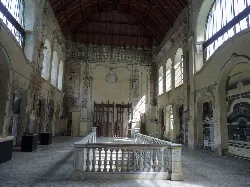
Interior of Canfranc station hall with aged walls and tall windows.
CanfrancHuesca

What can you tell me about the Canfranc International Railway Station?

Canfranc International Railway Station, located in Canfranc, was inaugurated on July 18, 1928. It was once a vital transcontinental railway link between Spain and France. The station features impressive architecture but has been largely abandoned since the closure of the line in 1970. Restoration efforts are ongoing to revive this historic landmark, which showcases the grandeur of early 20th-century railway design.

Canfranc International Railway Station For visitors ›

CanfrancHuesca

What historical sites should I visit in Canfranc?

In Canfranc, you should visit several historical sites, including the Canfranc International Railway Station and the Torre de Aznar Palacín. The remnants of the Castle of Canfranc also provide insight into the town's medieval past. Exploring these sites will give you a deeper understanding of Canfranc's rich history and significance as a border town.

For visitors ›