Sights

3,246 questions

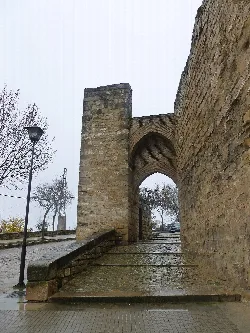
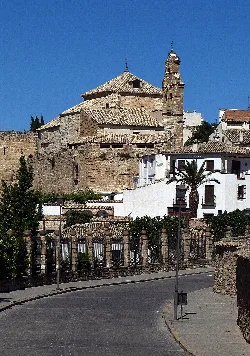
Stone city walls with an arch and cobbled path in Úbeda.
ÚbedaJaén

What can you tell me about the city walls of Úbeda?

The city walls of Úbeda are a significant historical feature that reflects the city's medieval past. They were constructed to protect the city and are part of its rich architectural heritage. The walls have been well-preserved and offer a glimpse into the defensive strategies of the time, making them an interesting site for visitors exploring the city's history.
City walls of Úbeda For visitors ›

San Lorenzo Church in Úbeda with tower and tiled roof.
ÚbedaJaén

What is the significance of the Iglesia de San Lorenzo in Úbeda?

Iglesia de San Lorenzo is an important church in Úbeda, showcasing the city's rich religious and architectural heritage. It features a blend of Gothic and Mudejar styles, reflecting the historical influences on the region. The church is not only a place of worship but also a cultural landmark that attracts visitors interested in history and architecture.

Iglesia de San Lorenzo For visitors ›

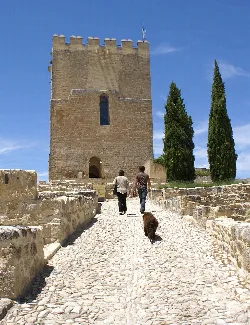
Three people and a dog walking on a stone path towards a medieval tower.
Alcalá la RealJaén

What can you tell me about the Torre del Homenaje?

The Torre del Homenaje is the tallest tower in the Fortaleza de La Mota, standing approximately 20 meters high. It offers panoramic views of the surrounding area, including Sierra Nevada to the south. This tower is part of the fortification system that protected Alcalá la Real during various historical conflicts, showcasing its architectural significance.

Torre del Homenaje For visitors ›

Alcalá la RealJaén

What is the significance of the Iglesia Mayor Abacial?

The Iglesia Mayor Abacial is a notable landmark in Alcalá la Real, originally built in a Gothic style and later remodeled in the Renaissance period. Its intricate architecture features stunning vaulted ceilings and decorative elements, making it a key site for both historical and cultural appreciation in the town.

Iglesia Mayor Abacial For visitors ›

MartosJaén

What is the architectural style of the historical buildings in Martos?

Martos features a mix of architectural styles, reflecting its historical evolution. The town's older structures, particularly in the historic center, exhibit narrow, winding streets typical of medieval design, while more recent developments showcase eclectic historicist styles and modernist influences.

For visitors ›

MartosJaén

What are the main features of the Martos historic center?

The historic center of Martos is characterized by its narrow, steep streets and is designated as a cultural heritage site. It features significant landmarks, including the Peña and various historical buildings that reflect the town's rich past, making it a fascinating area to explore.

For visitors ›

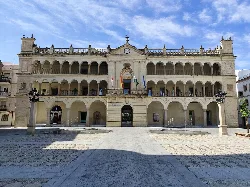
Town hall building with columns and balconies on the facade.
AndújarJaén

What is the white building in the photo?

The white building is the Ayuntamiento de Andújar, which serves as the town hall. It has undergone renovations recently, particularly in the Plaza de España, enhancing its architectural appeal. This building is a central point for local governance and community activities in Andújar.

Ayuntamiento de Andújar For visitors ›

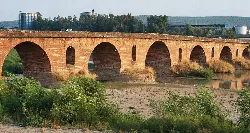
Stone bridge with arches over the Guadalquivir river in Andújar.
AndújarJaén

What can you tell me about the Puente Romano?

The Puente Romano, or Roman Bridge, is a historic structure in Andújar that spans the Guadalquivir River. It showcases Roman engineering and has served as a vital crossing point for centuries. The bridge is a significant landmark, reflecting the town's rich historical heritage.

Puente Romano For visitors ›

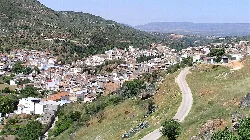
View of Beas de Segura from Vistalegre, with white houses and roads in a mountainous landscape.
Beas de SeguraJaén

What can I see from Vistalegre in Beas de Segura?

From Vistalegre, you can enjoy stunning panoramic views of Beas de Segura, showcasing its charming architecture and the surrounding natural landscape. The town is nestled in a valley and is characterized by its whitewashed buildings and olive groves, making it a picturesque spot for photography and relaxation.

For visitors ›

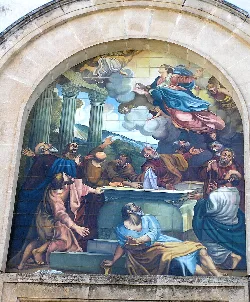
Fresco on the church door with religious figures and columns.
Beas de SeguraJaén

What is the fresco above the main door of the parish church?

The fresco above the main door of the parish church in Beas de Segura depicts a religious scene, showcasing the artistry and cultural significance of the church. This artwork adds to the historical and architectural value of the church, which is an important landmark in the town.

Parroquia For visitors ›

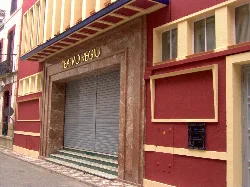
Facade of the Cine Regio theater with closed entrance and marble details.
Beas de SeguraJaén

What is the significance of the Teatro Regio?

The Teatro Regio is an important cultural venue in Beas de Segura, reflecting the town's commitment to the arts. It serves as a hub for various performances and events, contributing to the local cultural scene and community engagement.

Teatro Cine Regio For visitors ›

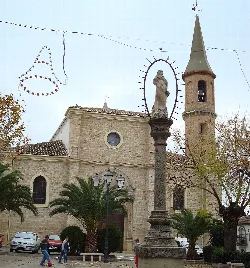
San Juan church with tower and statue in Arjona, Jaén.
ArjonaJaén

What can you tell me about the Iglesia de San Juan in Arjona?

The Iglesia de San Juan is a neogothic church featuring three naves. It houses the image of Nuestra Señora de los Dolores, the co-patron of the town. The church's architecture includes a plateresque façade and an Isabeline tower. It's a significant religious site, reflecting the town's rich cultural heritage.

Iglesia de San Juan For visitors ›

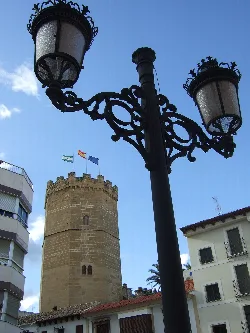
View of the castle tower of Porcuna from La Farola with a street lamp in the foreground.
PorcunaJaén

What can I see at Torre Nueva in Porcuna?

Torre Nueva, also known as the Tower of Boabdil, is a well-preserved part of the castle built by the Order of Calatrava between 1411 and 1435. Standing at 28 meters, it features beautiful Gothic vaults and decorative motifs. It is historically significant as it housed the Sultan Boabdil of Granada after his capture in 1483 and is a declared cultural heritage site since 1982.

Torre Nueva For visitors ›

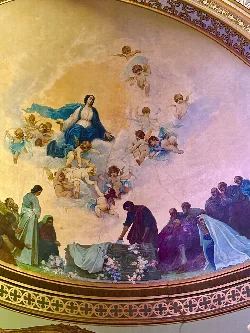
Mural with celestial and human figures in a church in Porcuna.
PorcunaJaén

What can you tell me about the Church of Nuestra Señora de la Asunción?

The Church of Nuestra Señora de la Asunción was built between 1903 and 1910, replacing the earlier Gothic church of Santa María la Mayor. Designed in a neo-Romanesque style, it features stunning murals by Julio Romero de Torres. The church stands as a central religious and cultural landmark in Porcuna, reflecting the town's architectural evolution.

Iglesia parroquial de Ntra. Sra. de la Asunción For visitors ›

PorcunaJaén

What is the Casa de la Piedra?

The Casa de la Piedra is a remarkable architectural work in Porcuna, built by the stonemason Antonio Aguilera between 1931 and 1960. It showcases the local stonemasonry tradition and was restored in 2018. Acquired by the town hall in 2023, it stands as a testament to the region's cultural heritage and craftsmanship.

Casa de la Piedra For visitors ›

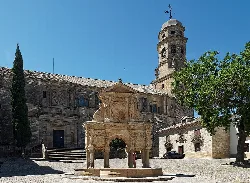
Cathedral in Baeza with tower and fountain in María Square.
BaezaJaén

What is the Catedral de la Natividad de Nuestra Señora in Baeza known for?

The Catedral de la Natividad de Nuestra Señora is notable for its Renaissance architecture and historical significance. It was declared a UNESCO World Heritage site along with the monumental ensembles of Úbeda and Baeza in 2003. The cathedral features a blend of Gothic and Renaissance styles, making it a key landmark in Baeza's rich architectural heritage.

Catedral de la Natividad de Nuestra Señora For visitors ›

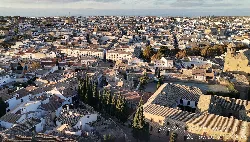
View of Baeza from the cathedral tower, with buildings and streets visible.
BaezaJaén

What can you see from the Torre de la Catedral in Baeza?

From the Torre de la Catedral, visitors can enjoy panoramic views of Baeza and its surrounding landscape. The vantage point offers a glimpse of the city's historical architecture and the fertile valleys, making it a popular spot for photography and sightseeing.

Torre de la Catedral For visitors ›

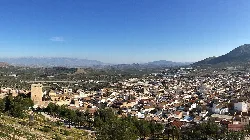
Panoramic view of Jódar with mountains and fields in the background.
JódarJaén

What can I see from the viewpoint in Jódar?

The viewpoint in Jódar offers a panoramic view of the municipality and the surrounding landscape, including the foothills of the Sierra Mágina mountains. You can appreciate the layout of the town and its historical buildings, as well as the agricultural fields that characterize the area.

For visitors ›

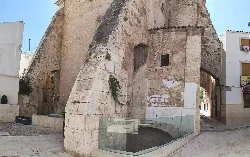
Old structure with a water pond in Jódar square.
JódarJaén

What is the Plaza Manuel Agudo Gimea like?

Plaza Manuel Agudo Gimea, also known as Plaza del Pilón, features an ancient washhouse and is a charming spot in Jódar. The plaza is a gathering place for locals and visitors, showcasing the town's history and culture, making it a lovely area to relax and enjoy the atmosphere.

Plaza Manuel Agudo Gimea For visitors ›

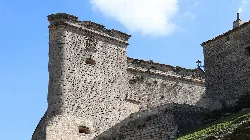
Image of the rear part of a tower of Sabiote Castle.
SabioteJaén

What can you tell me about the Castillo de Sabiote?

The Castillo de Sabiote, constructed in the 13th century, has a rich history tied to its defensive role in the region. It was significantly rebuilt in the 16th century by Don Francisco de los Cobos, inspired by Italian Renaissance fortifications. Although it suffered damage during the Napoleonic Wars, it remains an imposing structure, and efforts for its restoration are ongoing.

Castillo de Sabiote For visitors ›

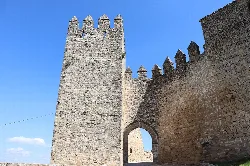
Stone arch and tower at the Puerta de los Santos in Sabiote.
SabioteJaén

What is the significance of the Puerta de los Santos?

The Puerta de los Santos, also known as Puerta del Chiringote, is one of the three gates of the Sabiote wall, dating back to the 8th century. This stone arch is a notable historical landmark, reflecting the medieval architecture of the town and its strategic importance during various historical periods.

Puerta de los Santos For visitors ›

SabioteJaén

What architectural styles can be seen in Sabiote?

Sabiote showcases a mix of architectural styles, prominently featuring Gothic and Plateresque elements in its church, San Pedro. The town's medieval layout is evident in its narrow streets and well-preserved buildings, including Renaissance houses and the imposing castle, reflecting its rich historical tapestry.

For visitors ›

SabioteJaén

What are the characteristics of the Barrio del Albaicín in Sabiote?

The Barrio del Albaicín is a picturesque and well-preserved medieval quarter, known for its narrow, winding streets and whitewashed houses. This area reflects the historical influences of various cultures, featuring beautiful mudéjar and Jewish architectural styles that add to Sabiote's charm.

Barrio del Albaicín For visitors ›

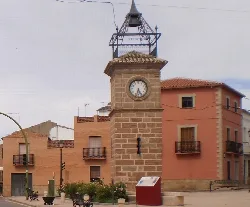
Clock Tower in Arquillos with clock and metal structure at the top.
ArquillosJaén

What is the Torre del Reloj in Arquillos?

The Torre del Reloj is a prominent clock tower in Arquillos, built in 1884 by the Canseco workshops in Madrid. It features a square prism shape with two elevated sections and a neoclassical design. The clock mechanism is renowned, part of the 'Sistema Canseco', which was famous in Spain. The tower also includes a campanario and a weathervane, making it a notable landmark in the town.

Torre del Reloj For visitors ›