Sights

3,246 questions

TejedaLas Palmas

What is the Cruz de Tejeda?

Cruz de Tejeda is a prominent landmark located at an altitude of 1560 meters. It serves as a geographical center of Gran Canaria and features a stone cross that historically helped locals navigate. The area is also known for its breathtaking views and hiking trails.
Cruz de Tejeda For visitors ›

TejedaLas Palmas

What can I find at the Centro de Interpretación del Bentayga?

The Centro de Interpretación del Bentayga offers insights into the pre-Hispanic culture of the region. It features exhibitions that showcase the lifestyle, culture, and rituals of the indigenous people, making it an educational stop for visitors interested in local history.

Centro de Interpretación del Bentayga For visitors ›

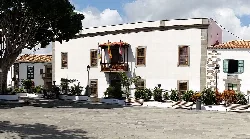
Town hall building in San Juan Square in Telde.
TeldeLas Palmas

What can I see at the Plaza de San Juan?

Plaza de San Juan is a charming square in Telde featuring the Ayuntamiento (Town Hall) and beautiful gardens. It's a great place to relax, enjoy the local atmosphere, and admire the architecture of nearby historical buildings, making it a popular spot for both residents and visitors.

Plaza de San Juan For visitors ›

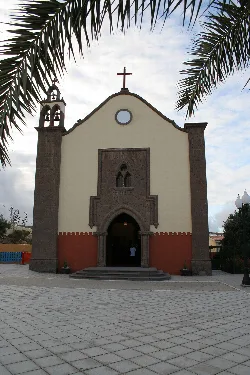
Facade of a church with cross at the top and palm trees on the sides.
TeldeLas Palmas

What is the significance of the Iglesia del barrio de Tara?

The Iglesia del barrio de Tara is an important religious site in Telde, showcasing local architectural style and community significance. It serves as a center for worship and cultural gatherings, reflecting the town's historical roots and the importance of faith in the local community.

Iglesia del barrio de Tara For visitors ›

TeldeLas Palmas

What are the main historical landmarks in Telde?

Telde is home to several historical landmarks, including the Basílica de San Juan and the charming neighborhoods of San Francisco and San Gregorio. These sites reflect the town's rich history and architectural heritage, making them popular attractions for visitors interested in culture and history.

For visitors ›

Las Palmas de Gran CanariaLas Palmas

What can I see at the Casa Museo de Colón?

The Casa Museo de Colón focuses on the history of the Canary Islands and its connections with America. It features 13 permanent exhibition halls, a library, and various spaces for temporary activities. The museum is located in a complex of houses, one of which was visited by Christopher Columbus during his first voyage to the Americas in 1492.

Casa Museo de Colón For visitors ›

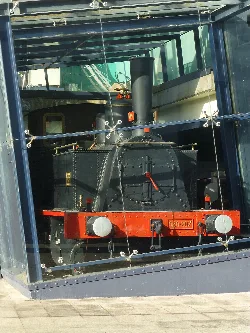
Steam locomotive displayed in a glass case at the museum.
Las Palmas de Gran CanariaLas Palmas

What is the Museo Elder and what can I find there?

The Museo Elder, located in Las Palmas, is dedicated to science and technology. It features interactive exhibits, workshops, and large-format films, making it an engaging experience for visitors. The museum aims to promote scientific culture and has a variety of exhibitions that appeal to all ages.

Museo Elder For visitors ›

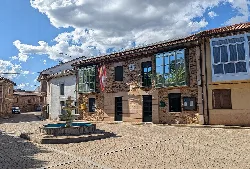
Town hall and fountain in the central square of Castrillo de la Valduerna.
Castrillo de la ValduernaLeón

What is the Casa consistorial de Castrillo de la Valduerna?

The Casa consistorial de Castrillo de la Valduerna serves as the town hall for the municipality. It is a notable building that reflects the local architecture and serves as a center for administrative activities. The structure is situated in the heart of the village, making it easily accessible for residents and visitors alike.

Casa consistorial de Castrillo de la Valduerna For visitors ›

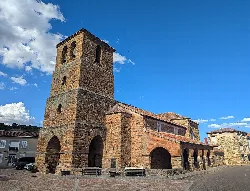
Santa María Church with stone tower in Castrillo de la Valduerna.
Castrillo de la ValduernaLeón

What can you tell me about the Iglesia de Santa María?

The Iglesia de Santa María is a prominent church in Castrillo de la Valduerna. It features a mix of architectural styles and is an important religious site for the local community. The church plays a significant role in local festivals and ceremonies, reflecting the village's cultural heritage.

Iglesia de Santa María For visitors ›

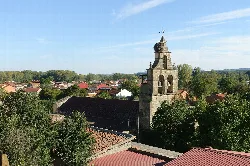
Church of El Salvador in Castrocalbón, with bell tower and rural houses.
CastrocalbónLeón

What can you tell me about the Iglesia de El Salvador in Castrocalbón?

The Iglesia de El Salvador is located at the foot of the meseta of El Palacio in Castrocalbón. It is a well-preserved building, notable for its Moorish masonry in the apse, while the rest of the structure is a more rustic work dating back to the 13th century. Its historical significance adds to the cultural heritage of the area.

Iglesia de El Salvador For visitors ›

CastrocalbónLeón

What are the ruins near the Casa-Palacio?

The ruins near the Casa-Palacio are remnants of a once-grand structure, likely a palace built in the late 14th or early 15th century. These ruins, including a notable facade and a large earth wall, are considered a significant cultural landmark in Castrocalbón.

Casa-Palacio For visitors ›

Murias de ParedesLeón

What are the main attractions in Murias de Paredes?

Murias de Paredes offers beautiful natural landscapes, including the surrounding mountains and valleys. Notable attractions include the ancient Castro de Murias, remnants of Roman gold mining, and various historic churches like the Ermita del Carmen. The region is also part of a biosphere reserve, making it ideal for nature enthusiasts.

For visitors ›

RielloLeón

What can I see in Riello?

Visitors to Riello can explore various traditional architectural styles and monuments, including the 15th-century Castillo de Benal. The area also features beautiful natural landscapes, as it is part of the Reserva de la Biosfera de los valles de Omaña y Luna, known for its rich flora and fauna.

For visitors ›

Plaza del Grande with trees and buildings in Palacios de la Valduerna.
Palacios de la ValduernaLeón

What can I see at Plaza del Grande in Palacios de la Valduerna?

Plaza del Grande is a central square in Palacios de la Valduerna, serving as a gathering place for the community. Visitors can enjoy the local architecture and the atmosphere of the town. It's a great spot to relax and observe daily life in this charming municipality.

Plaza del Grande For visitors ›

Santa María del PáramoLeón

What can I see in Santa María del Páramo?

Santa María del Páramo offers a blend of agricultural landscapes and historical sites. You can explore the local church, which houses a Romanesque statue of the Virgin and various artworks from the 15th to 19th centuries. The town is also known for its vibrant festivals, including the Feria Multisectorial held in September, showcasing the region's agricultural heritage.

For visitors ›

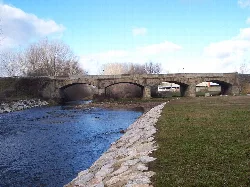
Stone bridge over the Tuerto River in San Justo de la Vega.
San Justo de la VegaLeón

What is the bridge over the river Tuerto like?

The Puente de la N-120 is a notable bridge in San Justo de la Vega that spans the river Tuerto. Its historical significance and architectural design make it a key landmark in the area, connecting different parts of the municipality and serving as a vital transportation route.

Puente de la N-120 For visitors ›

San Justo de la VegaLeón

What are the main landmarks in San Justo de la Vega?

Key landmarks in San Justo de la Vega include the church of Los Santos Justo y Pastor, which dates back to the 16th century, and the Puente de la Molinería over the river Tuerto. These sites reflect the town's historical and cultural significance, attracting visitors interested in local heritage.

For visitors ›

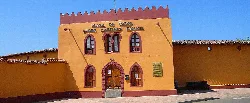
Facade of the bullring with arched windows and orange color.
Valencia de Don JuanLeón

What is the Plaza de Toros Pedro Martínez Zárate like?

The Plaza de Toros Pedro Martínez Zárate is a notable bullring in Valencia de Don Juan. Its vibrant architecture features a striking combination of colors and design typical of Spanish bullrings. The venue hosts various events, particularly during local festivals, showcasing the cultural significance of bullfighting in the region.

Plaza de Toros Pedro Martínez Zárate For visitors ›

Valencia de Don JuanLeón

Is there a museum in Valencia de Don Juan?

Yes, Valencia de Don Juan is home to the Museo del Castillo de Valencia de Don Juan, which showcases the town's rich history and archaeological findings. Additionally, the MITLE (Museo de la Indumentaria Tradicional Leonesa) focuses on traditional clothing and cultural heritage, making them both worthwhile visits for history enthusiasts.

For visitors ›

SahagúnLeón

What is the Santuario de la Peregrina known for?

The Santuario de la Peregrina, founded in 1257, is recognized for its Mudéjar architectural style and historical significance as a former Franciscan convent. The sanctuary features a single nave with five sections and is adorned with decorative arches. It has undergone several restorations, and recent efforts aim to convert it into a Center for Documentation of the Camino de Santiago, enhancing its cultural role.

Santuario de la Peregrina For visitors ›

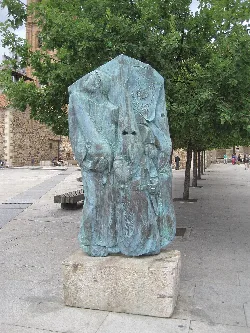
Wooden sculpture of a brotherhood member in a public square in Astorga.
AstorgaLeón

What is the significance of the sculpture El Cofrade in Astorga?

The sculpture El Cofrade, created by Castorina, represents the cultural and religious heritage of Astorga. It symbolizes the city's deep-rooted traditions, particularly related to Holy Week celebrations. This artwork is a visual representation of the community's connection to its historical and spiritual identity.

El Cofrade For visitors ›

AstorgaLeón

What is the white building on the hill in Astorga?

The white building on the hill is the Episcopal Palace, designed by the architect Antoni Gaudí. It is a striking example of modernist architecture and serves as a significant landmark in Astorga, reflecting the city's rich architectural heritage and history.

Episcopal Palace For visitors ›

FaberoLeón

What is the significance of the minero monument in Fabero?

The minero monument in Fabero honors all miners who worked in the area. It is notable for depicting a miner without boots, symbolizing the hardships faced by those in the mining profession. This sculpture reflects the town's rich mining heritage and the importance of coal mining to its history and economy.

minero monument For visitors ›

FaberoLeón

What is the architecture like in Fabero?

Fabero features traditional architecture, particularly in the Barrio del Mercadillo, where you can see houses made of local materials like stone and wood. The town also has unique structures such as palomares and rehabilitated molinos. Additionally, the mining heritage is evident in the architecture of the Pozo Viejo and other mining-related buildings.

For visitors ›