Sights

3,246 questions

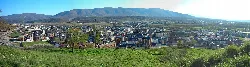
Panoramic view of Bembibre with mountains and buildings.
BembibreLeón

What is the white building on the hill in the panoramic view of Bembibre?

The white building on the hill in the panoramic view is likely the remnants of the historical castle of Bembibre. This structure played a significant role in the town's medieval history, serving as a strategic point for controlling the surrounding valley and as a residence for local nobility.
For visitors ›

BembibreLeón

What is the main church in Bembibre?

The main church in Bembibre is the Church of San Pedro. This church has historical significance and is a focal point for the local community's religious life. It reflects the town's architectural heritage and is associated with various cultural traditions and events throughout the year.

For visitors ›

Villafranca del BierzoLeón

What are the must-see sights in Villafranca del Bierzo?

Key sights in Villafranca del Bierzo include the historic castle, the Colegiata de Santa María, and the charming streets of the old town. The area is also known for its vineyards and scenic landscapes, making it a delightful place for exploration.

For visitors ›

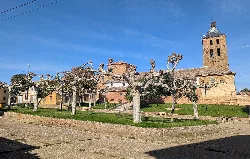
San Esteban Church and trees in the square of Calzada del Coto.
Calzada del CotoLeón

What is the Church of San Esteban like?

The Church of San Esteban, built in the late 14th century, features a notable square tower and is constructed from brick and rammed earth. It stands on the site of an earlier church and houses an 18th-century Baroque altarpiece. This church is a significant example of the region's religious architecture and reflects the historical heritage of Calzada del Coto.

Iglesia de San Esteban For visitors ›

Calzada del CotoLeón

What are the main architectural styles in Calzada del Coto?

Calzada del Coto showcases a mix of traditional and modern architectural styles. Traditional structures include 'mud architecture' made from adobe, while modern buildings feature plastered facades. Notable sites include medieval churches and wineries, reflecting the village's historical and cultural heritage.

For visitors ›

Calzada del CotoLeón

What is the Chapel of San Roque known for?

The Chapel of San Roque is a late 19th-century hermitage built on the site of a 15th-century structure. It holds significance for local festivities and folklore, serving as a cultural landmark in Calzada del Coto, particularly during celebrations related to Saint Roch.

Chapel of San Roque For visitors ›

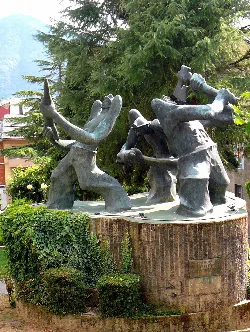
Miner sculptures with tools in a monument in Villablino.
VillablinoLeón

What can you tell me about the Monumento al Minero in Villablino?

The Monumento al Minero is a tribute to the miners who played a crucial role in Villablino's history and economy. This sculpture symbolizes the hard work and dedication of the mining community. It stands as a reminder of the region's mining heritage, reflecting the importance of coal mining in shaping the local culture and identity.

Monumento al Minero For visitors ›

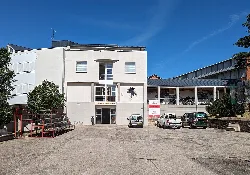
White building with windows and a symbol on the facade, cars parked in front.
VillablinoLeón

What is the history behind the Casa de Cultura in Villablino?

The Casa de Cultura serves as a cultural hub in Villablino, hosting various educational and artistic activities. It includes a public library, an auditorium, and exhibition spaces. This institution reflects the town's commitment to promoting culture and education, making it a vital part of community life.

Casa de Cultura For visitors ›

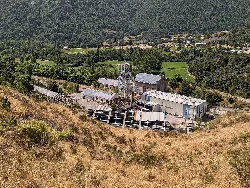
Pozo Calderón with industrial structures in a valley surrounded by vegetation.
VillablinoLeón

What is the significance of the Pozo Calderón in Villablino?

Pozo Calderón is a historical mining site that reflects Villablino's rich mining heritage. It showcases the industrial past of the region and is part of ongoing efforts to preserve the history of coal mining in the area. The site may be developed into a mining museum, highlighting its importance.

Pozo Calderón For visitors ›

Torre del BierzoLeón

What are the main sights to see in Torre del Bierzo?

Torre del Bierzo features several notable sights, including the Iglesia de San Millán in Albares de la Ribera, known for its unique architecture and artistic elements. The area also boasts traditional architecture, such as the Casa de la Hiedra and various historical churches like San Facundo and Santa Cruz de Montes. Additionally, the Museo de la Minería offers insights into the region's mining history.

For visitors ›

Torre del BierzoLeón

What is the significance of the Iglesia de San Millán?

The Iglesia de San Millán, located in Albares de la Ribera, is an important historical site featuring three naves separated by columns. Its construction includes a 16th-century head and later additions. Inside, visitors can admire Renaissance mudéjar ceilings and a rococo altarpiece, making it a key example of the region's architectural heritage.

Iglesia de San Millán For visitors ›

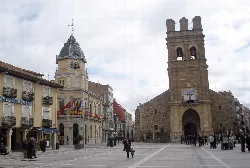
Main square of La Bañeza with buildings and a tower.
La BañezaLeón

What can I see at Plaza Mayor de La Bañeza?

Plaza Mayor de La Bañeza is a vibrant public square surrounded by notable buildings, including the Casa Consistorial, which features a neoclassical design. The square is often bustling with activity, making it a great spot to experience local life and culture. It's also a central point for various events and celebrations throughout the year.

Plaza Mayor For visitors ›

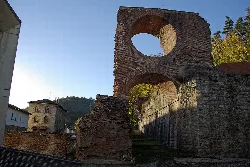
Ruins of a blast furnace in Sabero with stone arches and clear sky.
SaberoLeón

What can you tell me about the blast furnace ruins in Sabero?

The blast furnace ruins in Sabero are part of the Ferrería de San Blas, which was the first ironwork in Spain, established in 1846. This historical site showcases the industrial heritage of the area and represents the early days of iron production in the country, utilizing coke in its operations.

Ferrería de San Blas For visitors ›

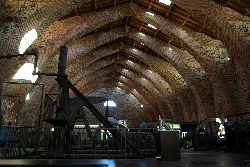
Brick interior with arched ceilings and old machinery.
SaberoLeón

What is the Plaza Cerrada in Sabero?

The Plaza Cerrada is a central building in Sabero that was part of the Ferrería de San Blas. This architectural structure reflects the town's industrial past and is an important landmark, showcasing the neogothic style and the historical significance of iron production in the area.

Plaza Cerrada For visitors ›

Mansilla de las MulasLeón

What can I find at the Museo de los Pueblos Leoneses?

The Museo de los Pueblos Leoneses, located in the former convent of San Agustín, showcases a wide collection of traditional Leonese culture. Visitors can explore exhibits that highlight the region's ethnography, including artifacts, crafts, and historical displays that reflect the local heritage and lifestyle.

For visitors ›

Mansilla de las MulasLeón

What are the main features of the Iglesia de Santa María?

The Iglesia de Santa María, the oldest church in Mansilla, was built in the 18th century over an earlier structure. It features a basilica layout with three naves and a dome. The church is known for its Baroque altar, which was restored in 2002, showcasing beautiful reliefs and a harmonious design.

Iglesia de Santa María For visitors ›

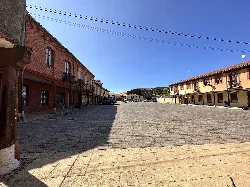
Square with traditional buildings and dovecote in Mansilla de las Mulas.
Mansilla de las MulasLeón

What is the architecture like in the Plaza del Grano?

The Plaza del Grano features a mix of traditional Spanish architecture with red-brick buildings and open spaces. This central square serves as a hub for local markets and community gatherings, reflecting the town's historical charm and vibrant social life.

Plaza del Grano For visitors ›

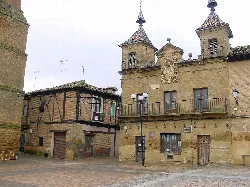
Post office building with towers in Valderas's main square.
ValderasLeón

What can I see in the Plaza Mayor of Valderas?

Plaza Mayor is the heart of Valderas, showcasing its medieval layout. It features the old town hall and the church of Santa María del Azogue, which dates back to the 12th century. The plaza has historical significance as a former marketplace and is surrounded by charming streets that reflect the town's rich history.

Plaza Mayor For visitors ›

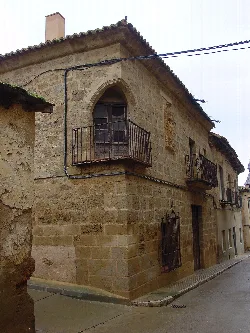
Stone building with wrought iron balconies in Valderas, León.
ValderasLeón

What is the significance of the Palacio de los Osorio?

The Palacio de los Osorio is a notable historical building in Valderas, representing the town's noble heritage. It is associated with the Osorio family, who played a significant role in the region's history. The palace showcases architectural features typical of the era and contributes to the town's cultural identity.

Palacio de los Osorio For visitors ›

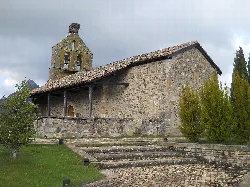
Small stone church with bell tower and stairs in a natural setting.
RiañoLeón

What is the Ermita de Nuestra Señora del Rosario?

The Ermita de Nuestra Señora del Rosario is a historic church that was relocated from the submerged village of La Puerta to the new Riaño. Dating back to the 13th century, it features remarkable Romanesque, Gothic, and Baroque paintings, showcasing the artistic heritage of the region.

Ermita de Nuestra Señora del Rosario For visitors ›

RiañoLeón

What is the significance of the Museo Etnográfico Comarcal?

The Museo Etnográfico Comarcal in Riaño showcases the region's rich cultural and historical heritage. It features archaeological artifacts from the Vadinian period and medieval times, including unique funerary stelae. The museum also recreates traditional local life, offering insights into the area's past.

Museo Etnográfico Comarcal For visitors ›

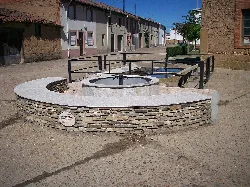
Water well with stone and iron structure in Turcia, León, built in 1931.
TurciaLeón

What is the artesian well in Turcia?

The Pozo Artesiano de Turcia, built in 1931, is a notable landmark in the town. Originally, it supplied water through four spouts, but now it operates with just one. The well is located near a public washhouse, which was built in 1972 and renovated in 2008. This well reflects the town's historical reliance on local water sources.

Pozo Artesiano For visitors ›

Puebla de LilloLeón

What is the Torreón in Puebla de Lillo?

The Torreón is a historical watchtower located near the Silván River in Puebla de Lillo. Constructed by the Counts of Luna, it served as a lookout point. This structure reflects the area's historical significance in terms of defense and communication during the medieval period.

Torreón For visitors ›

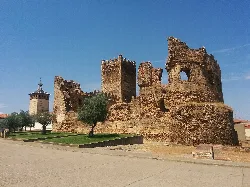
Ruins of a castle with towers and walls in Laguna de Negrillos.
Laguna de NegrillosLeón

What can you tell me about the Castillo de Laguna de Negrillos?

The Castillo de Laguna de Negrillos is located in the southwestern corner of the village. It features a square-trapezoidal layout and includes a well-preserved homage tower with five floors. The castle has two cylindrical towers and remnants of its walls, showcasing its historical significance as a defensive structure. It is an important landmark reflecting the village's medieval heritage.

Castillo de Laguna de Negrillos For visitors ›