Sights

3,246 questions

ÁbalosLa Rioja

What is the significance of the Iglesia Parroquial de San Esteban Protomártir?

The Iglesia Parroquial de San Esteban Protomártir is a key cultural landmark in Ábalos, recognized as an asset of Cultural Interest. Built in the sixteenth century, it features a flamboyant Gothic style and a Baroque tower. The church houses notable artworks, including a mid-sixteenth-century altarpiece attributed to the Beaugrant workshop, making it a focal point for both worship and local heritage.
Iglesia Parroquial de San Esteban Protomártir For visitors ›

ÁbalosLa Rioja

Are there any wine-related attractions in Ábalos?

Yes, Ábalos is home to the Bodegas de la Real Divisa, one of the oldest wineries in La Rioja, dating back to 1367. It produces wines that have historical significance and are linked to the nobility of the region. Visitors can explore its rich heritage and perhaps sample some wines, experiencing the local viticulture firsthand.

Bodegas de la Real Divisa For visitors ›

Stone church with bell tower in Ábalos, La Rioja.
ÁbalosLa Rioja

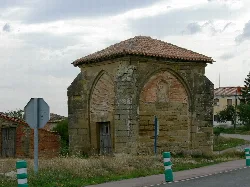
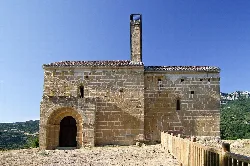
What is the San Felices Hermitage?

The San Felices Hermitage is a Romanesque chapel located northeast of Ábalos. It is believed to be the remnant of a monastery from the twelfth century, showcasing ashlar stone construction. The site features a triumphal arch and two portals, surrounded by anthropomorphic graves, reflecting its historical and architectural significance.

San Felices Hermitage For visitors ›

RodeznoLa Rioja

What is Rodezno known for?

Rodezno is known for its picturesque vineyards and rich agricultural heritage, particularly in wine production. The village is situated in the La Rioja region, famous for its high-quality wines. Additionally, it features historical landmarks like the Church of Nuestra Señora de la Asunción and the Ermita de la Virgen de Olartia, which reflect its cultural significance.

For visitors ›

RodeznoLa Rioja

What can I see in the Barrio de las Bodegas?

The Barrio de las Bodegas in Rodezno is notable for its traditional wineries, with around 100 bodegas carved into rock. This area is rich in history, with many bodegas dating back to the 15th century. Visitors can explore the unique architecture and learn about the wine-making process that is integral to the local culture.

Barrio de las Bodegas For visitors ›

RodeznoLa Rioja

What should I know about the Church of Nuestra Señora de la Asunción?

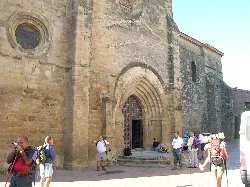
The Church of Nuestra Señora de la Asunción in Rodezno is a significant historical building dating back to the 16th century. It features a unique architectural style with a green roof and a beautiful Renaissance altarpiece. The church reflects the village's cultural heritage and serves as a center for local religious activities.

Iglesia parroquial de Nuestra Señora de la Asunción For visitors ›

Facade of an old stone church with tourists at the entrance.
GrañónLa Rioja

What is the Iglesia de San Juan Bautista in Grañón known for?

The Iglesia de San Juan Bautista is a significant historical and artistic site in Grañón. It features a nave with three bays and a unique octagonal apse. Notable interior elements include a 12th-century baptismal font and a richly ornamented reredos dedicated to Saint John, constructed between 1545 and 1556. The church has been designated a Site of Cultural Interest since 1982 and serves as a key stop on the Camino de Santiago.

Iglesia de San Juan Bautista For visitors ›

Small stone chapel with red tiled roof in Grañón.
GrañónLa Rioja

What can I expect to see at the Ermita de los Judíos?

The Ermita de los Judíos is a chapel located at the town's exit, serving as a historical guide for pilgrims. Inside, there is a cross atop a Tuscan column with an inscription. The chapel's altar features a mannerist altarpiece from 1540, depicting Jesus during the crowning with thorns. It is only open to the public on Good Friday when a traditional Via Crucis takes place.

Ermita de los Judíos For visitors ›

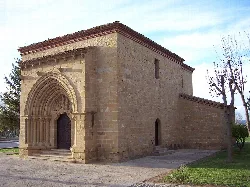
Stone hermitage with Romanesque arch in Bañares, La Rioja.
BañaresLa Rioja

What is the Ermita de la Santa Cruz in Bañares?

The Ermita de la Santa Cruz, also known as Santa María la Antigua, is an ancient church built in the Romanesque style around the 12th century. It was designated a cultural heritage site in 1964. Originally a parish church, it was renamed after a new church dedicated to Santa Cruz was constructed.

Ermita de la Santa Cruz For visitors ›

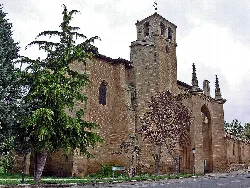
Church of the Holy Cross in Bañares, La Rioja, with tower and trees.
BañaresLa Rioja

What is the Iglesia parroquial de la Santa Cruz like?

The Iglesia parroquial de la Santa Cruz is a Gothic church that began construction around 1490 and was completed around 1510. Inside, it houses the arca de San Formerio, a notable example of Spanish Romanesque art, made of wood and covered with enamelled copper sheets.

Iglesia parroquial de la Santa Cruz For visitors ›

Church of the Holy Cross in Bañares, La Rioja, with tower and trees.
BañaresLa Rioja

What is the significance of the arca de San Formerio?

The arca de San Formerio is a significant artifact located inside the Iglesia parroquial de la Santa Cruz. It is considered one of the treasures of Spanish Romanesque art, dating back to the mid-12th century, and is made of wood covered with intricately designed copper sheets.

Iglesia parroquial de la Santa Cruz For visitors ›

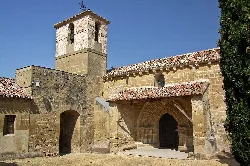
Church of San Román with tower and stone door in Villaseca.
FonzalecheLa Rioja

What is the architectural style of the Iglesia de San Román in Villaseca?

The Iglesia de San Román in Villaseca showcases a late Romanesque style, built between the late 12th and early 13th centuries. Its notable features include a well-preserved apse and the image of the patron saint, Virgen de la Cuesta del Rosario, which dates back to the 13th century. This church reflects the historical architectural heritage of the region.

Iglesia de San Román For visitors ›

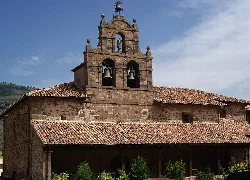
Stone bell tower of San Andrés Church in Valgañón.
ValgañónLa Rioja

What can you tell me about the Iglesia de San Andrés in Valgañón?

The Iglesia de San Andrés is a significant landmark in Valgañón, showcasing beautiful architecture. It features a bell tower and is a central part of the village's religious life. The church has historical importance, as it reflects the local culture and traditions, making it a must-visit for those interested in the area's heritage.

Iglesia de San Andrés For visitors ›

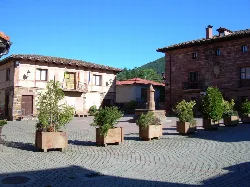
Square with potted trees, Town Hall and Casa Grande in Valgañón.
ValgañónLa Rioja

What is the significance of Plaza Pedro Gonzalo del Río?

Plaza Pedro Gonzalo del Río is a central square in Valgañón, featuring the town hall and La Casa Grande. This plaza serves as a social hub for residents and visitors alike, often hosting local events and gatherings. Its historical architecture adds to the charm of the village.

Plaza Pedro Gonzalo del Río For visitors ›

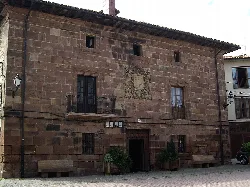
Stone building with coat of arms and small windows in Valgañón.
ValgañónLa Rioja

What is La Casa Grande in Valgañón?

La Casa Grande is an important historical building in Valgañón, known for its unique architecture and cultural significance. It serves as a reminder of the village's past and is often a point of interest for visitors exploring local history and heritage.

La Casa Grande For visitors ›

Church of the Assumption with tower and clock in San Román de Cameros.
San Román de CamerosLa Rioja

What can you tell me about the Iglesia de la Asunción in San Román de Cameros?

The Iglesia de la Asunción is a notable church in San Román de Cameros, dating back to the early 16th century. It features a single nave and a Latin cross layout, constructed with local stone. The church has a beautifully restored portico and a significant retablo from 1740. It showcases a blend of Gothic and Renaissance architectural styles, making it a key landmark in the village.

Iglesia de la Asunción For visitors ›

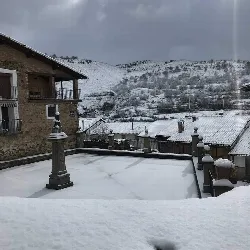
Snow-covered Plaza Don Simón with snowy mountains in the background.
San Román de CamerosLa Rioja

What is the significance of Plaza Don Simón in San Román de Cameros?

Plaza Don Simón is named after the founder of the local schools, Simón de Ágreda. This plaza features a statue honoring him and serves as a central gathering place for community activities. It is also notable for its charming architecture and the recent restoration of its fountain, making it a picturesque spot in the village.

Plaza Don Simón For visitors ›

San Román de CamerosLa Rioja

Are there any notable museums in San Román de Cameros?

Yes, San Román de Cameros features the Ecomuseo 'El Molino del Corregidor', which showcases a historic water mill and offers educational exhibits about milling and water usage. Additionally, the Museo de la Asociación Amigos de San Román highlights local artistic heritage with various exhibitions, making both places significant cultural sites.

For visitors ›

San Román de CamerosLa Rioja

What are the nearby attractions to visit while in San Román de Cameros?

While in San Román de Cameros, visitors can explore the nearby dólmenes and the picturesque Pozas de Villa Cristina for swimming. The area is also rich in hiking trails, leading to natural sites like the dehesa of Santa María. The local architecture, including the Iglesia de la Asunción, adds to the charm of the region.

For visitors ›

MunillaLa Rioja

What are the main attractions to see in Munilla?

In Munilla, visitors can explore the Church of Santa María, built in the 16th century, and the Church of San Miguel, which features a valuable retablo from 1622. The medieval bridge over the Manzanares River is also noteworthy, as well as the numerous dinosaur footprints found in the area, particularly at the Peñaportillo and La Canal sites.

For visitors ›

MunillaLa Rioja

What is the significance of the Church of San Miguel?

The Church of San Miguel, dating back to the late 15th century, is significant for its architectural style and valuable retablos. It features a late Gothic design and houses important artworks, including a retablo from 1622. The church is a central religious site for the community and offers a picturesque view of the surrounding landscape.

Iglesia de San Miguel For visitors ›

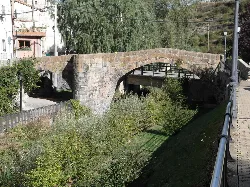
Stone bridge in Munilla, La Rioja, with vegetation and houses around.
MunillaLa Rioja

What is the medieval bridge in Munilla?

The medieval bridge in Munilla, constructed in the late 15th or early 16th century, spans the Manzanares River. It originally facilitated pilgrim access to the Camino de Santiago and features two pointed arches. Although modified in the mid-20th century, it remains a historical landmark and a scenic spot for visitors.

Puente medieval For visitors ›

PedrosoLa Rioja

What are the main attractions to see in Pedroso?

In Pedroso, visitors can explore the Iglesia de El Salvador, a significant Gothic church built in 1498, and the ruins of the Iglesia de San Juan, a clasicist building from the 17th century. The Ermita de Santa Marina, dating back to the 16th century, is also worth a visit. Nature enthusiasts can enjoy the surrounding landscapes of the Sierra de Moncalvillo and the Roble de Pedroso.

For visitors ›

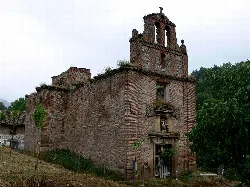
Ruins of San Juan church in Pedroso, La Rioja, with facade and bell tower in ruins.
PedrosoLa Rioja

Can you tell me about the ruins of the Iglesia de San Juan?

The ruins of the Iglesia de San Juan are remnants of a clasicist building from the 17th century. Located near the river, it features strong Madrid-style influences and was constructed by Pedro de Aguilera. Although in a state of ruin, its walls and the remains of its vaults still showcase its historical significance.

Iglesia de San Juan For visitors ›