Sights

3,246 questions

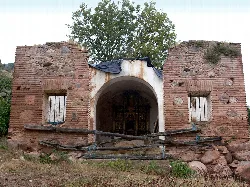
Ruins of an old chapel with brick walls and closed windows.
PedrosoLa Rioja

What can you tell me about the Ermita de Santa Marina?

The Ermita de Santa Marina, built in the 16th century and reconstructed in the 17th century, features a simple rectangular design. It was restored between 2010 and 2011 after years of neglect. The site offers a glimpse into the village's religious heritage and architectural history.
Ermita de Santa Marina For visitors ›

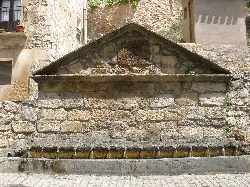
Stone fountain with water spouts in Muro de Aguas, La Rioja.
Muro de AguasLa Rioja

What is the significance of the fountain in Muro de Aguas?

The fountain in Muro de Aguas was built in the 18th century and reconstructed in 1902. It features sixteen spouts, providing fifteen liters of water per second year-round. This fountain is vital for irrigation and drinking, and it gives the village its name, reflecting the importance of water in the local community.

fountain For visitors ›

Muro de AguasLa Rioja

What are the main features of the Iglesia de Nuestra Señora de la Asunción?

The Iglesia de Nuestra Señora de la Asunción is a late Baroque church built in the late 18th century. It features a nave with three sections, a cruciform arm, and a square apse. The church is adorned with several altarpieces, including a notable one with Salomonic columns, reflecting its architectural and artistic significance.

Iglesia de Nuestra Señora de la Asunción For visitors ›

Muro de AguasLa Rioja

What is the Rollo or picota in Muro de Aguas?

The Rollo, or picota, is a historical monument originally located further from the village and moved in 1955. It consists of a cylindrical base supporting a column made of eight uneven drums, symbolizing justice. Standing nearly four meters tall, it reflects the rustic charm of the area and its historical significance.

Rollo or picota For visitors ›

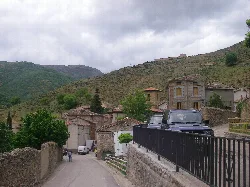
View of houses and mountains in Brieva de Cameros.
Brieva de CamerosLa Rioja

What can I see in the photo of Brieva de Cameros?

The photo showcases a picturesque view of Brieva de Cameros, nestled in a mountainous landscape. The village features traditional stone houses and is surrounded by lush greenery, embodying the charm of rural La Rioja. The backdrop of hills adds to its scenic beauty, making it a peaceful retreat for nature lovers.

For visitors ›

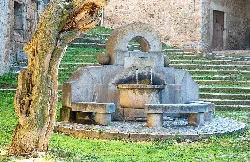
Stone fountain with water and tree next to stone steps
Brieva de CamerosLa Rioja

What is the significance of the Fuente de Brieva?

The Fuente de Brieva is a historical fountain located in the village. It features a unique design with benches and is surrounded by greenery, making it a charming spot for relaxation. This fountain represents the traditional water sources that were vital for the community's daily life and agricultural practices.

Fuente de Brieva For visitors ›

Brieva de CamerosLa Rioja

What is the architectural style of the Casa del Marqués?

The Casa del Marqués is a distinguished manor house built in the 19th century, featuring a rectangular layout and three stories. Its façade is adorned with a prominent rococo-style coat of arms, showcasing the historical significance and architectural elegance of the period.

Casa del Marqués For visitors ›

La Vall de BoíLleida

What are the main attractions in La Vall de Boí?

La Vall de Boí is renowned for its stunning Romanesque churches, including Sant Climent de Taüll, a UNESCO World Heritage site. Additionally, the natural beauty of the valley, with its glacial lakes and the Boí-Taüll ski resort, attracts visitors year-round for both cultural and outdoor activities.

For visitors ›

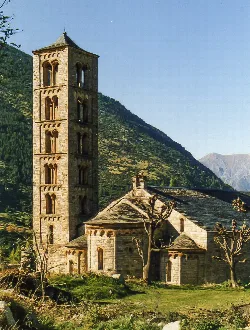
Romanesque church with tower in Valle de Bohí, surrounded by mountains and trees.
La Vall de BoíLleida

What is the significance of the church of Sant Climent de Taüll?

The church of Sant Climent de Taüll is one of the most important Romanesque churches in the Vall de Boí, notable for its architectural beauty and historical significance. It features a stunning Pantocrator fresco and is part of a UNESCO World Heritage site, representing the region's rich cultural heritage.

Sant Climent de Taüll For visitors ›

La Vall de BoíLleida

What are the main architectural styles found in La Vall de Boí?

La Vall de Boí is characterized by its Romanesque architecture, particularly evident in its churches, which feature Lombard style elements. The intricate stonework and tall bell towers of these churches, built between the 11th and 13th centuries, showcase the region's historical and artistic significance.

For visitors ›

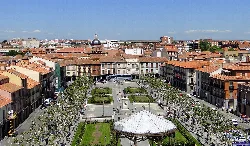
Aerial view of Cervantes Square with buildings and gardens.
Alcalá de HenaresMadrid

What can I see in Plaza de Cervantes?

Plaza de Cervantes is the heart of Alcalá de Henares, surrounded by historic buildings and lively streets. It features beautiful gardens, a gazebo, and is often bustling with events and performances. This central square is a great place to relax, enjoy local cafes, and soak in the city's vibrant atmosphere.

Plaza de Cervantes For visitors ›

Alcalá de HenaresMadrid

What can you tell me about the Cathedral of Alcalá?

The Cathedral of Alcalá, dedicated to Saints Justus and Pastor, is notable for its unique title of 'magistral,' requiring canons to hold a Doctor of Theology. Built between 1497 and 1516, it showcases late Gothic architecture and has a rich history, including restoration after damage during the Spanish Civil War.

Cathedral of Alcalá For visitors ›

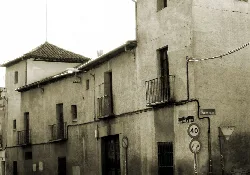
Old building with small windows and balconies in Fuencarral, Madrid.
FuencarralMadrid

What is the Casa Grande de Fuencarral?

Casa Grande de Fuencarral is a typical 17th-century building located in the district of Fuencarral in Madrid. Historically, it served as a self-sufficient agricultural production unit, reflecting the agricultural roots of the area. Its architecture represents the era's style and significance in the community's development.

Casa Grande de Fuencarral For visitors ›

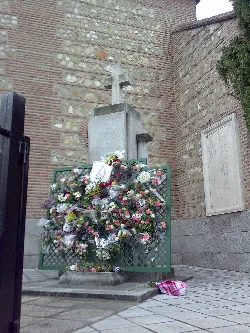
Stone cross with flowers and offerings in Fuencarral, Madrid.
FuencarralMadrid

What is the significance of the Iglesia de San Miguel in Fuencarral?

The Iglesia de San Miguel is an important religious site in Fuencarral, known for its historical and architectural value. The church features a prominent cross and serves as a focal point for local religious activities and community gatherings, reflecting the area's cultural heritage.

Iglesia de San Miguel For visitors ›

MurciaMurcia

What can you tell me about the Cathedral of Murcia?

The Cathedral of Murcia, built between 1394 and 1465, showcases a blend of architectural styles, including Castilian Gothic, Renaissance, and Baroque. Its tower was completed in 1792, and the main façade, completed between 1736 and 1754, is considered a masterpiece of Spanish Baroque architecture. This iconic landmark is located in the heart of the city, making it a must-see for visitors.

Cathedral of Murcia For visitors ›

MurciaMurcia

What is the Malecon in Murcia?

The Malecon is a popular pedestrian walkway along the Segura River, originally constructed as a retaining wall to prevent flooding. It offers scenic views of the river and surrounding landscapes, making it a favored spot for both locals and visitors to stroll, relax, and enjoy the natural beauty of Murcia.

Malecon For visitors ›

MurciaMurcia

What is the Monteagudo Castle?

Monteagudo Castle, dating back to the 11th century, is located in the district of Monteagudo in northern Murcia. This historic fortress offers panoramic views of the surrounding landscape and is a significant landmark that reflects the region's rich medieval history. It's a popular spot for history enthusiasts and tourists alike.

Monteagudo Castle For visitors ›

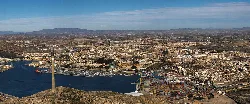
Panoramic view of Cartagena from San Julián Castle.
CartagenaMurcia

What can I see from the Castillo de San Julián?

From the Castillo de San Julián, you can enjoy a panoramic view of Cartagena and its natural harbor. This historic castle offers a unique vantage point to appreciate the city's layout, coastline, and surrounding mountains, making it a great spot for photography and sightseeing.

Castillo de San Julián For visitors ›

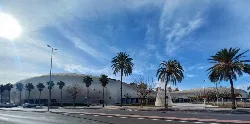
Oval sports arena with palm trees in Cartagena.
CartagenaMurcia

What can I find at the Palacio de los Deportes?

The Palacio de los Deportes in Cartagena is a modern sports facility that hosts various events, including basketball games, concerts, and other cultural activities. It's a central venue for sports enthusiasts and a hub for community events.

Palacio de los Deportes For visitors ›

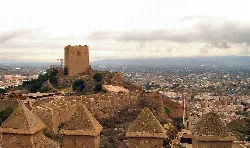
Lorca Castle with Torre Alfonsina and the city in the background.
LorcaMurcia

What can you tell me about Lorca Castle?

Lorca Castle is a medieval fortress that overlooks the city, built between the 8th and 15th centuries. It features the rectangular Torre Alfonsina, added in 1243 after the city was retaken by Alfonso X. The castle has a polygonal floor plan and is now a popular venue for civic functions and fiestas, offering a glimpse into its historical significance.

Lorca Castle For visitors ›

LorcaMurcia

What can I expect to see at the Archaeological Museum of Lorca?

The Archaeological Museum of Lorca showcases artifacts from various historical periods, including prehistoric and Roman finds. Located in the House of Salazar, the museum features limestone statues and exhibits that highlight the region's rich archaeological history, making it a must-visit for history enthusiasts.

Museo Arqueológico For visitors ›

LorcaMurcia

What is the Plaza de España known for?

Plaza de España is a central landmark in Lorca, featuring the Collegiate Church of San Patricio and other historical buildings. Declared a Cultural Monument, it reflects the architectural styles from the 16th to 18th centuries and serves as a hub for cultural activities and events in the city.

Plaza de España For visitors ›

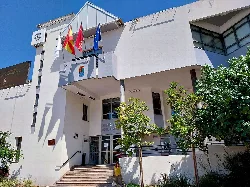
White building with flags and stairs at the entrance.
Molina de SeguraMurcia

What is the Ayuntamiento de Molina de Segura?

The Ayuntamiento de Molina de Segura is the town hall of Molina de Segura, designed by architect Plácido Jiménez Cañadas and inaugurated in 1987. It is located next to the Parque de la Compañía, which features various plant species and recreational areas. The building serves as the municipal government center and is a key landmark in the city.

Ayuntamiento de Molina de Segura For visitors ›

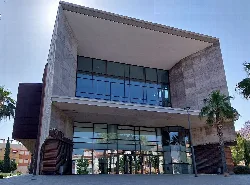
Modern theatre facade with large windows and concrete structure.
Molina de SeguraMurcia

What is the Teatro Villa de Molina?

Teatro Villa de Molina is a prominent cultural venue in Molina de Segura. It hosts various performances, including theater, music, and dance. The modern architecture of the theater adds to the cultural landscape of the city, making it a hub for artistic expression and community events.

Teatro Villa de Molina For visitors ›