Sights

3,246 questions

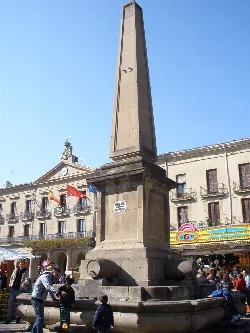
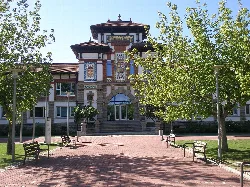
Fountain with obelisk in the square, historic buildings and carousel in Tafalla.
TafallaNavarre

What is the significance of the Plaza de Navarra?

Plaza de Navarra is a central square in Tafalla, built on the site of the former Castle-Palace of the Kings of Navarre in 1856. It features the town hall and is surrounded by three façades with porticoes and balconies, making it a key architectural and social hub in the city.
Plaza de Navarra For visitors ›

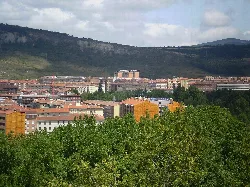
View of Ansoáin with mountains and neighborhoods in the background.
Ansoáin-AntsoainNavarre

What can I see from the viewpoint in Ansoáin?

From the viewpoint at Ansoáin, you can enjoy a panoramic view of the municipality, including the nearby Pamplona and the scenic backdrop of Monte Ezcaba or San Cristóbal. The view captures the essence of the area, showcasing both the urban landscape and natural beauty, making it a great spot for photography and relaxation.

For visitors ›

Villava/AtarrabiaNavarre

What are the main attractions in Villava?

Villava features several attractions, including the historic Puente de la Trinidad, the Church of San Andrés, and the Palacio Nacional de Vinicultura. The town also offers picturesque streets and parks that reflect its rich history and culture.

For visitors ›

Viticulture congress palace in Villava with decorative details and a garden in front.
Villava/AtarrabiaNavarre

What is the Palacio Nacional de Vinicultura?

The Palacio Nacional de Vinicultura is a notable building in Villava, constructed in 1912 by architect José Yarnoz. Initially intended for the National Congress of Viticulture, it reflects the town's historical ties to the wine industry and showcases beautiful architectural design.

Palacio Nacional de Vinicultura For visitors ›

Villava/AtarrabiaNavarre

What can you tell me about the Church of San Andrés?

The Church of San Andrés in Villava was initiated in the mid-16th century and features a blend of Renaissance and modern architectural styles. It retains a circular chapel from the late 18th century, showcasing the town's religious heritage and architectural evolution.

Iglesia de San Andrés For visitors ›

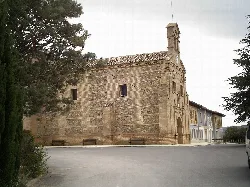
Stone church facade with baroque details in Corella.
CorellaNavarre

What can you tell me about the Ermita de Nuestra Señora del Villar?

The Ermita de Nuestra Señora del Villar is a 17th-century chapel in Corella, designed in a Latin cross shape with a single nave. It features Baroque ornamentation and houses the patron saint of the city. The chapel is notable for its gothic-style statues and paintings by Francisco Crespo and Cabia, making it a significant religious site in the area.

Ermita de Nuestra Señora del Villar For visitors ›

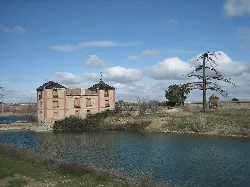
Building with a noria and a dry tree in Corella, Navarra.
CorellaNavarre

What is the significance of the Noria in Corella?

The Noria in Corella is a historical waterwheel that symbolizes the town's agricultural heritage. It reflects the traditional methods of irrigation used in the region, showcasing the importance of water management in local farming practices. The Noria stands as a reminder of Corella's connection to its agricultural past.

La Noria For visitors ›

CorellaNavarre

What are the main religious sites in Corella?

Corella is home to several important religious sites, including the Parroquia de San Miguel, the oldest church, featuring a Baroque retablo. The Parroquia de Nuestra Señora del Rosario, with its impressive dome, and the Convento del Carmen, known for its ornate altars, are also significant. These sites showcase the town's rich religious heritage.

For visitors ›

Valle de Elorz / ElortzibarNavarre

What is the significance of the Acueducto de Noáin?

The Acueducto de Noáin is a significant monument designed by architect Ventura Rodríguez in 1782. It was built to supply Pamplona with water from the Subiza spring and features 97 arches over 1,245 meters. Completed in 1790, it represents an impressive feat of engineering for its time, although it fell out of use about 100 years later due to increased water demand.

Acueducto de Noáin For visitors ›

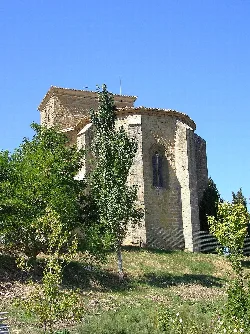
Stone church with narrow windows and green trees in the foreground.
Valle de Elorz / ElortzibarNavarre

What can you tell me about the Church of San Miguel?

The Church of San Miguel, located in Noáin, is a Gothic-style church that serves the community primarily during the summer months. It plays a role in local festivities, particularly during the celebration of San Miguel, which takes place on September 29th, featuring a procession from the new church to the old one.

Iglesia de San Miguel For visitors ›

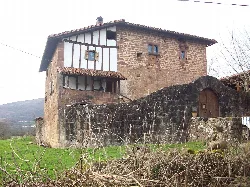
Stone castle with wood and brick structure in Ursua, Navarra.
BaztanNavarre

What is the significance of the Ursua Palace in Arizkun?

The Ursua Palace in Arizkun is a notable landmark in Baztan, reflecting the region's architectural heritage. It is associated with the historical and cultural identity of the area, representing the traditional lifestyle and the historical significance of the local nobility. The palace showcases the unique styles of local construction and is a point of interest for visitors.

Ursua Palace For visitors ›

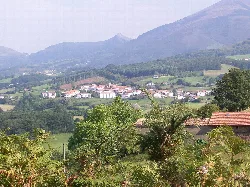
View of a village with mountains in the background and vegetation in the foreground.
BaztanNavarre

What is the architectural style of the houses in Baztan?

The architecture in Baztan features traditional Basque styles, with many houses displaying half-timbered designs and stone facades. Notable are the medieval tower houses and baroque palaces, which reflect the region's historical significance and cultural heritage. These structures are integral to the valley's charm and character.

For visitors ›

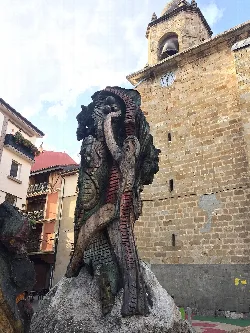
Wooden sculpture in Foruen Plaza with a clock and church in the background.
Altsasu – AlsasuaNavarre

What is the significance of the sculpture in Foruen Plaza?

The sculpture known as 'Altsasuko erroak' in Foruen Plaza is made from the trunk of a 350-year-old chestnut tree. It symbolizes the cultural and historical identity of Alsasua, serving as a reminder of the town's natural heritage and artistic expression.

For visitors ›

Altsasu – AlsasuaNavarre

What is the importance of the church of Nuestra Señora de la Asunción?

The church of Nuestra Señora de la Asunción, dating back to the 16th century, is a significant landmark in Alsasua. It serves as a central place of worship and community gathering, showcasing the town's architectural heritage and religious traditions.

For visitors ›

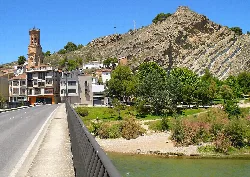
Bridge over the Arga River with buildings, church, and mountain in Peralta.
Peralta – AzkoienNavarre

What is the significance of the Puente sobre el río Arga in Peralta?

The Puente sobre el río Arga is a Gothic bridge that serves as an important historical and architectural landmark in Peralta. It not only facilitates transportation across the river but also represents the town's historical significance and connection to the surrounding natural landscape.

Puente sobre el río Arga For visitors ›

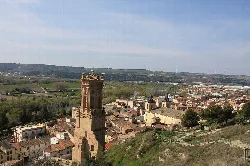
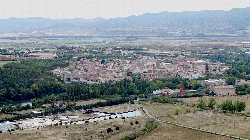
View of the church tower and town of Peralta from the Watchtower.
Peralta – AzkoienNavarre

What is the Atalaya in Peralta?

The Atalaya is a historic structure located at the top of Peralta, dating back to the mid-10th century. It offers panoramic views of the town and surrounding landscape, making it a popular spot for both locals and visitors to appreciate the scenic beauty of the area.

Atalaya For visitors ›

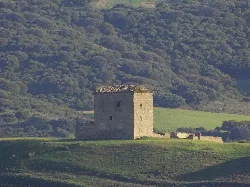
A stone tower in a green hilly landscape.
LodosaNavarre

What can you tell me about the Torre de Sartaguda?

The Torre de Sartaguda, also known as Torre de Rada, is a historical structure located near Lodosa. It stands as a reminder of the region's medieval past and its strategic importance. The tower's architecture and history contribute to the cultural heritage of Lodosa, making it an interesting site for visitors and locals alike.

Torre de Sartaguda For visitors ›

View of Sangüesa from Rocaforte with river and rural landscape.
Sangüesa/ZangozaNavarre

What can I see from the viewpoint in Rocaforte?

From the viewpoint in Rocaforte, you can enjoy stunning panoramic views of Sangüesa and its surrounding landscape. The town is situated on a terrace above the river Aragón, offering a picturesque backdrop of the mountains and valleys that define the area. It's a perfect spot for photography and appreciating the natural beauty of Navarre.

For visitors ›

Sangüesa/ZangozaNavarre

What is the significance of the Palacio de los Reyes de Navarra?

The Palacio de los Reyes de Navarra, also known as the Palace of the Prince of Viana, is a fortified medieval structure that reflects Sangüesa's historical importance. It served as a residence for royalty and military leaders, showcasing architectural elements from its time, including defensive towers and historical significance as a royal site.

Palacio de los Reyes de Navarra For visitors ›

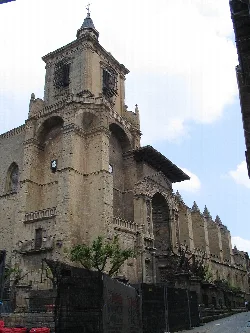
Church in Viana with tower and ornate façade.
VianaNavarre

What is the main church in Viana?

The main church in Viana is a significant monument listed in the Spanish heritage register as Bienes de Interés Cultural. It showcases remarkable architectural features and is a central point of interest within the town, reflecting its historical and cultural importance.

Viana church For visitors ›

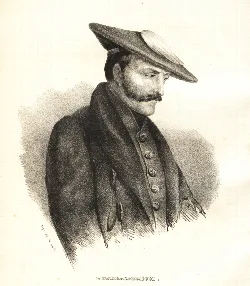
Black and white drawing of Tomás de Zumalacárregui with a hat and military uniform.
VianaNavarre

What is the significance of the monument in the photo?

The monument in Viana is recognized as a cultural heritage site and is listed in the Spanish heritage register. It reflects the town's historical significance and architectural heritage, making it an important landmark for both residents and visitors.

For visitors ›

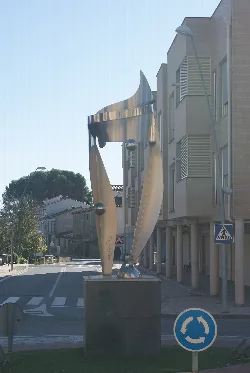
Modern metal sculpture on the street in Cascante, Navarre.
CascanteNavarre

What can you tell me about the Puerta de Amistad?

The Puerta de Amistad, or Friendship Gate, is a notable landmark in Cascante symbolizing the town's connection with its twin city, Castillon-la-Bataille in France. This structure represents friendship and cultural exchange between the two towns. It is often visited by locals and tourists alike, making it a significant spot for photographs and community gatherings.

Puerta de Amistad For visitors ›

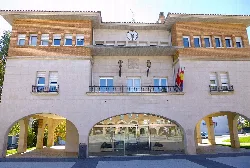
Town hall building with clock and flags on the facade.
OrkoienNavarre

What can I see at the Ayuntamiento de Orkoien?

The Ayuntamiento de Orkoien is an impressive municipal building characterized by its architectural design. It features a clock and a spacious area underneath for public gatherings. This building serves as the center of local governance and is a notable landmark in the town.

Ayuntamiento de Orkoien For visitors ›

Olite/ErriberriNavarre

What can I see in the Plaza Carlos III in Olite?

In Plaza Carlos III, you can explore medieval galleries that have been accessible to the public since 1987. This area showcases remnants of the original defensive structures and served various purposes over time, including as a market. The plaza also features the iconic Torre del Chapitel, an important civil architectural landmark in Olite.

Plaza Carlos III For visitors ›