Sights

3,246 questions

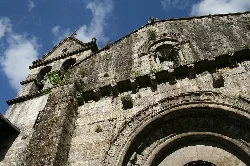
Detail of the arch and stone structure of Saint John Church in Ribadavia.
RibadaviaOurense

What is the significance of the Church of San Juan in Ribadavia?

The Church of San Juan, dating back to the 12th century, is a notable temple of the Order of Malta in Ribadavia. It reflects the region's medieval architecture and religious history. The church played a role in the community's spiritual life and is an important landmark, showcasing the historical and cultural heritage of Ribadavia.
Iglesia de San Juan For visitors ›

RibadaviaOurense

What landmarks should I visit in Ribadavia?

Ribadavia is home to several notable landmarks, including the historic Church of San Juan, the Jewish Quarter, and the Castle of Ribadavia. The town also features the Sanctuary of Nuestra Señora del Portal, which is part of a significant architectural ensemble. Each site reflects the town's rich history and cultural significance.

For visitors ›

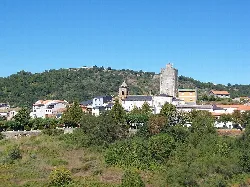
View of the upper part and the castle in Viana do Bolo.
Viana do BoloOurense

What historical sites should I visit in Viana do Bolo?

Viana do Bolo is rich in historical sites, including the Torre da Homenaxe, which houses the local ethnographic museum. Additionally, the area features numerous ancient Roman ruins and churches of Romanesque origin, such as the church of San Cipriano. Exploring these sites provides insight into the region's rich cultural heritage and architectural history.

For visitors ›

AmoeiroOurense

What are the main architectural styles in Amoeiro?

Amoeiro features a mix of architectural styles, prominently including traditional Galician pazo designs, which date back to the 16th century. Notable examples include the Pazo de Tranguiolas and Casa Pacega de Poutás. These buildings reflect the region's historical and cultural heritage, showcasing intricate designs and local materials.

For visitors ›

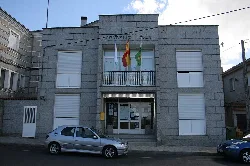
Toén town hall building with flags on the facade.
ToénOurense

What can you tell me about the Town Hall in Toén?

The Town Hall of Toén, known as Concello de Toén, is a notable building in the municipality. It features a simple yet functional design, typical of municipal architecture in the region. The building serves as the administrative center for the local government, where residents can access various services and information related to the municipality.

Town Hall For visitors ›

ToénOurense

What is the architectural style of the Church of Santa María de Toén?

The Church of Santa María de Toén showcases a blend of architectural styles, primarily Romanesque with some Renaissance elements. The church features a rectangular nave and a notable entrance with an adintelada door. Though it has undergone changes, it retains historical significance in the community.

Iglesia de Santa María de Toén For visitors ›

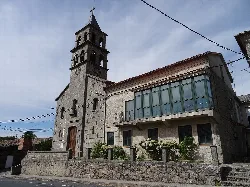
Santa María church with bell tower and modern building in Cualedro.
CualedroOurense

What is the Parroquia de Santa María in Cualedro?

The Parroquia de Santa María is a significant church located in the municipality of Cualedro. It serves as a central place of worship for the local community and reflects the architectural style typical of the region. The church is an important landmark for both residents and visitors, embodying the cultural heritage of Cualedro.

Parroquia de Santa María For visitors ›

Santa María church with bell tower and modern building in Cualedro.
CualedroOurense

What architectural styles can I see in Cualedro?

Cualedro features a mix of traditional and modern architectural styles. The traditional houses, often made of granite, reflect the region's heritage, while newer constructions show urban influences. The Parroquia de Santa María is an example of the local architectural style, blending functionality with cultural significance.

Parroquia de Santa María For visitors ›

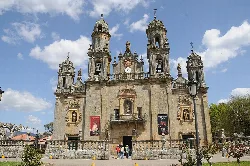
Facade of the sanctuary with tall towers and ornate details in Baños de Molgas.
Baños de MolgasOurense

What is the Santuario da Nosa Señora dos Milagres in Baños de Molgas?

The Santuario da Nosa Señora dos Milagres is a baroque-classical church located at the foot of the Sierra de San Mamede. Built between 1731 and 1768, it features a grand façade resembling the Obradoiro façade of Santiago de Compostela. The sanctuary is surrounded by a wall with four entrances and includes seven chapels forming a Stations of the Cross. It has been a pilgrimage site since the 19th century.

Santuario da Nosa Señora dos Milagres For visitors ›

Baños de MolgasOurense

What can you tell me about the thermal baths in Baños de Molgas?

Baños de Molgas is known for its thermal baths, which have been utilized since Roman times. The thermal waters, with temperatures ranging from 28º C to 49º C, are believed to be beneficial for treating rheumatism, arthritis, and gout. The current thermal building dates back to 1896.

thermal baths For visitors ›

Baños de MolgasOurense

What is the Ponte Vella de Molgas?

The Ponte Vella de Molgas is a historic bridge likely built in the 2nd century, with later renovations in the 14th and 20th centuries. It was part of the Roman Via Nova XVIII and features a single arch with visible Roman construction elements, making it an important landmark in the area.

Ponte Vella de Molgas For visitors ›

O RiósOurense

What is the main church in Riós?

The main church in Riós is the Baroque-style church of Santa María, completed in 1718. It is an important religious site for the community and reflects the architectural style of the period. Other notable churches in the area include those in Castrelo de Abaixo and Progo.

For visitors ›

PalenciaPalencia

What are the main historical sites to visit in Palencia?

Palencia boasts several historical sites, including the flamboyant Gothic Cathedral dedicated to San Antolín, the medieval Roman bridge across the Carrión river, and the well-preserved La Olmeda Roman Villa, famous for its intricate mosaics. The 13th-century church of San Miguel and the archaeological museum with Celtiberian ceramics are also notable attractions.

For visitors ›

PalenciaPalencia

What is the significance of the Cristo del Otero in Palencia?

The Cristo del Otero is a prominent 21-meter high statue of Christ located on a hill near Palencia. It is notable for being the tallest statue of Christ in Spain and offers stunning views of the city and surrounding landscape, making it a popular spot for both locals and visitors.

Cristo del Otero For visitors ›

Aguilar de CampooPalencia

What is the significance of the Monasterio de Santa María la Real?

The Monasterio de Santa María la Real is an important historical site in Aguilar de Campoo, originally a Premonstratensian monastery. It now houses the Fundación Santa María la Real, which includes a center for Romanesque studies and a museum. This site reflects the town's rich religious and architectural heritage.

Monasterio de Santa María la Real For visitors ›

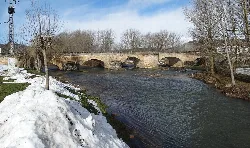
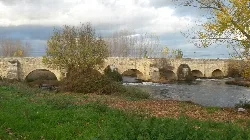
Stone bridge over the Pisuerga River with snow on the banks.
Aguilar de CampooPalencia

What is the Puente Mayor and its historical importance?

The Puente Mayor is a medieval bridge spanning the river Pisuerga in Aguilar de Campoo. It is notable for its historical architecture and has served as a vital crossing point for centuries. The bridge exemplifies the town's rich heritage and connection to its surrounding landscape.

Puente Mayor For visitors ›

Aguilar de CampooPalencia

What are the main attractions in Aguilar de Campoo?

Aguilar de Campoo boasts several attractions, including the Monasterio de Santa María la Real, the medieval Puente Mayor, and the historic Plaza Mayor. The town's rich architectural heritage and scenic natural surroundings make it a culturally rich destination.

For visitors ›

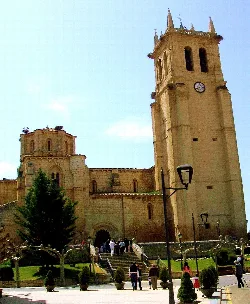
Church with tower and clock in Villamuriel de Cerrato, Palencia.
Villamuriel de CerratoPalencia

What is the significance of the Iglesia de Santa María la Mayor in Villamuriel de Cerrato?

The Iglesia de Santa María la Mayor is a notable historical landmark, initiated in the late 12th century by Bishop Arderico. It showcases a mix of Romanesque and Gothic architectural styles, featuring three naves and a striking tower-cimborrio. Declared a National Historic-Artistic Monument in 1931, it reflects the town's rich religious heritage and history.

Iglesia de Santa María la Mayor For visitors ›

Stone Romanesque bridge with multiple arches over a river with surrounding vegetation.
Villamuriel de CerratoPalencia

What does the bridge over the Río Carrión look like?

The medieval bridge over the Río Carrión features 11 arches and is an important historical structure that connects Palencia with Dueñas. Its earliest references date back to the 14th century, showcasing a blend of architectural styles from different periods, including modifications made in the 16th century.

Puente medieval For visitors ›

Venta de BañosPalencia

What is the significance of the Basílica de San Juan de Baños?

The Basílica de San Juan de Baños is a notable visigothic church, built in 661 by King Recesvinto. It is considered one of the oldest Christian temples in Spain and is a key historical and architectural landmark in the region.

Basílica de San Juan de Baños For visitors ›

Venta de BañosPalencia

What is the architecture like in Venta de Baños?

The architecture in Venta de Baños features a mix of modern and historical styles, including the modernist Church of Santa Rosa de Lima and the visigothic Basílica de San Juan de Baños. The town reflects its industrial heritage through various buildings linked to its railway history.

For visitors ›

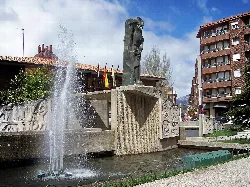
Miner sculpture on a monument with fountain in Guardo.
GuardoPalencia

What can you tell me about the Monumento al Minero in Guardo?

The Monumento al Minero in Guardo honors the miners who played a significant role in the town's history, particularly during the coal mining boom in the late 19th and early 20th centuries. This monument symbolizes the town's industrial heritage and the challenges faced by the mining community, reflecting the importance of coal mining to Guardo's economy and identity.

Monumento al Minero For visitors ›

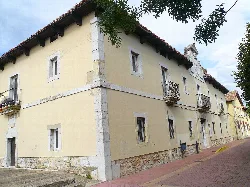
Yellow building with iron balconies in Guardo.
GuardoPalencia

What is the significance of the Palacio de los Cossío?

The Palacio de los Cossío is a notable historical building in Guardo, showcasing architectural features from the 18th century. Its preservation highlights the town's rich cultural history, and it serves as a reminder of the area's aristocratic past.

Palacio de los Cossío For visitors ›

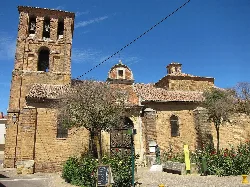
San Pedro Church in Saldaña with tower and façade on a sunny day.
SaldañaPalencia

What is the significance of the Iglesia de San Pedro?

The Iglesia de San Pedro, built in the mid-16th century, features a mix of architectural styles, including Mudéjar elements. It houses notable artifacts, including the image of the Virgen de Valfrío and various retablos. The church was later transformed into an archaeological museum, showcasing items from the nearby Roman villa of La Olmeda and other historical finds.

Iglesia de San Pedro For visitors ›