Sights

3,246 questions

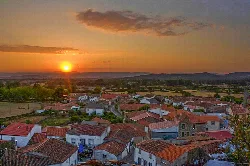
View of houses and fields with the setting sun on the horizon.
BarruecopardoSalamanca

What can I see from the Mirador del Castillo in Barruecopardo?

From the Mirador del Castillo, you can enjoy panoramic views of Barruecopardo and its surrounding landscape. The vantage point offers a glimpse of the town's layout, the nearby hills, and the natural beauty of the region, including the ecorregión of the arribes. It's a perfect spot for photography and appreciating the area's scenic charm.
Mirador del Castillo For visitors ›

BarruecopardoSalamanca

What are the main attractions to visit in Barruecopardo?

Key attractions in Barruecopardo include the Church of Santa María Magdalena and the Ermita del Cristo de las Mercedes. Additionally, the Mirador del Castillo offers stunning views of the town and surrounding landscape, making it a popular spot for visitors seeking to explore the area's natural beauty and historical significance.

For visitors ›

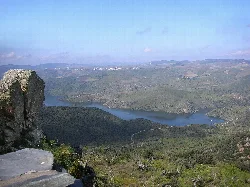
Landscape of the Duero River seen from a viewpoint in Vilvestre, Salamanca.
VilvestreSalamanca

What can I see from the mirador del Castillo in Vilvestre?

From the mirador del Castillo in Vilvestre, visitors can enjoy stunning views of the Duero River and the surrounding landscape. This viewpoint is located near the remains of the old castle, offering a picturesque backdrop for photography and relaxation.

mirador del Castillo For visitors ›

VilvestreSalamanca

What historical landmarks are in Vilvestre?

Vilvestre features several historical landmarks, including the church of Nuestra Señora de la Asunción, the remains of the castle, and the Molino de la Luisa. These sites reflect the village's rich history and architectural heritage.

For visitors ›

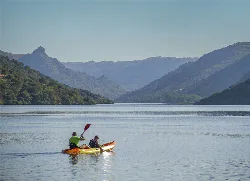
Two people kayaking on a reservoir surrounded by mountains.
VilvestreSalamanca

What can I do at La Barca in Vilvestre?

At La Barca, located by the Duero River, visitors can enjoy scenic views and a pleasant microclimate. It is also a popular spot for boat rides along the river, providing a unique way to experience the natural beauty of the area.

La Barca For visitors ›

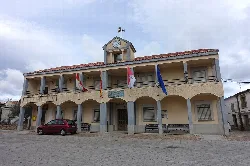
Navasfrías town hall building with flags and a clock on the central tower.
NavasfríasSalamanca

What is the Casa Consistorial in Navasfrías?

The Casa Consistorial, or Town Hall, is a notable building in Navasfrías, serving as the administrative center of the municipality. It features a distinctive architectural style with a clock tower and is located in a central area, making it a focal point for local governance and community events.

Casa Consistorial For visitors ›

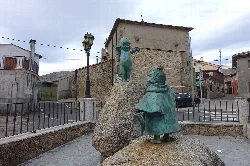
Sculptures of two children in a square in Navasfrías.
NavasfríasSalamanca

What can you tell me about the Plaza in Navasfrías?

The Plaza in Navasfrías is a charming public square that serves as a social gathering place for residents and visitors. It features sculptures and is surrounded by local buildings, making it an ideal spot to experience the community's atmosphere and enjoy leisurely walks.

Plaza For visitors ›

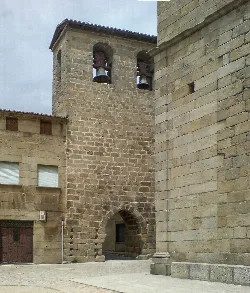
Stone bell tower with arches and bells at the top in San Felices de los Gallegos.
San Felices de los GallegosSalamanca

What can I see at the Torre de las Campanas?

The Torre de las Campanas is a notable landmark in San Felices de los Gallegos, showcasing the town's historical architecture. This bell tower is part of the local heritage and adds to the charm of the area. Visitors can appreciate its unique design and the role it plays in the community's traditions and celebrations.

Torre de las Campanas For visitors ›

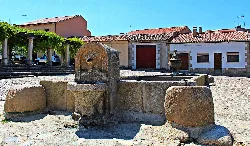
Stone fountain in the square of San Felices de los Gallegos.
San Felices de los GallegosSalamanca

What is the significance of the Fuente in San Felices de los Gallegos?

The Fuente in San Felices de los Gallegos is an important historical feature, reflecting the town's architectural style and communal life. It serves as a gathering point for residents and visitors alike, symbolizing the town's heritage and its connection to the natural water sources that have supported the community over the years.

Fuente For visitors ›

San Felices de los GallegosSalamanca

Is there a museum in San Felices de los Gallegos?

Yes, San Felices de los Gallegos features a Museum of Oil and a Museum of Stoneworking. These museums celebrate the town's local traditions and craftsmanship, providing insights into the historical significance of oil production and stone masonry in the region's development and economy.

For visitors ›

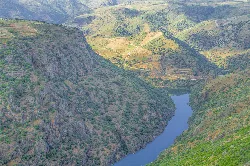
Landscape of the Duero River with mountains and vegetation in Pereña de la Ribera.
Pereña de la RiberaSalamanca

What is the view like from the Ermita de Nuestra Señora del Castillo?

The Ermita de Nuestra Señora del Castillo offers a stunning viewpoint over the encased Duero River. From this vantage point, visitors can appreciate the dramatic landscape of the Arribes del Duero, with its steep cliffs and lush greenery. The area is known for its natural beauty, making it a popular spot for both locals and tourists.

Ermita de Nuestra Señora del Castillo For visitors ›

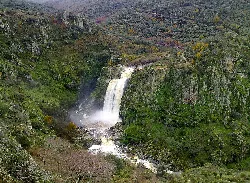
Waterfall in a canyon with vegetation and rocks.
Pereña de la RiberaSalamanca

What is the Pozo de los Humos and why is it famous?

The Pozo de los Humos is a breathtaking waterfall located on the river of Las Uces, featuring a drop of approximately 50 meters. It is renowned for its impressive views and the dramatic effect of the water cascading down, especially during spring when the flow is at its peak. This natural wonder is a key attraction within the Arribes del Duero Natural Park.

Pozo de los Humos For visitors ›

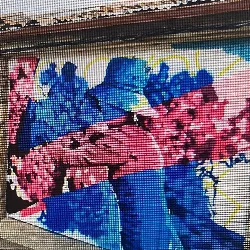
Mural with human figures in blue and pink colors on a street wall.
Pereña de la RiberaSalamanca

What is the significance of the murals in Pereña de la Ribera?

The murals in Pereña de la Ribera are part of an initiative called EnPereñArte, aimed at enhancing the town's cultural appeal and attracting visitors. These large-format paintings celebrate local heritage and artistry, contributing to the town's identity and making its streets more vibrant and visually engaging.

For visitors ›

CepedaSalamanca

What is Cepeda known for?

Cepeda is known for its unique architecture and beautiful natural surroundings. Nestled in a protected valley, it features a mix of traditional stone houses and picturesque landscapes. The town has historical significance, with roots dating back to prehistoric times and influences from Roman, Visigoth, and Moorish cultures. Its festivals, like San Bartolomé, also highlight local traditions and community spirit.

For visitors ›

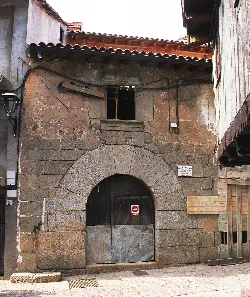
Stone facade with arch and wooden door in Cepeda, Salamanca.
CepedaSalamanca

What can I see at the Casa de la Inquisición?

The Casa de la Inquisición in Cepeda is a historical building believed to have housed members of the Inquisition in the 17th century. Although the exact date of its construction is unknown, it reflects the architectural style of that period. Visitors can appreciate its stone structure and the historical context surrounding it, making it a notable landmark in the town.

Casa de la Inquisición For visitors ›

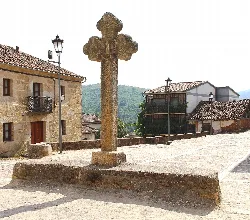
Stone cross in the town square of Cepeda, Salamanca.
CepedaSalamanca

What is the Croix de Cepeda?

The Croix de Cepeda is a significant stone cross located in the town. It serves as a historical and cultural symbol, representing the town's heritage and religious traditions. The cross is often a focal point for local gatherings and events, making it an important landmark for both residents and visitors.

Croix de Cepeda For visitors ›

Gallegos de ArgañánSalamanca

What can you tell me about the church in Gallegos de Argañán?

The church of Santiago Apóstol in Gallegos de Argañán was built in two phases, starting around 1540. It features a mix of late Gothic and Renaissance styles, with a defensive architectural design that reflects its historical significance during conflicts.

Iglesia parroquial For visitors ›

Gallegos de ArgañánSalamanca

What is the Museo Etnográfico in Gallegos de Argañán?

The Museo Etnográfico, located in the former school building, showcases traditional farming tools and implements, offering visitors a glimpse into the agricultural history and practices of the region.

Museo etnográfico For visitors ›

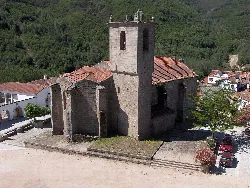
Stone church with tower in Montemayor del Río, Salamanca.
Montemayor del RíoSalamanca

What can you tell me about the Iglesia de Nuestra Señora de la Asunción?

The Iglesia de Nuestra Señora de la Asunción is a notable Romanesque church dating back to the 13th century. Made of granite, it features a tower built in the 16th century. Inside, you'll find a Renaissance retablo that has undergone several restorations over time.

Iglesia de Nuestra Señora de la Asunción For visitors ›

Montemayor del RíoSalamanca

What are the main architectural features of Montemayor del Río?

Montemayor del Río boasts several architectural highlights, including the Castillo de San Vicente, the Iglesia de Nuestra Señora de la Asunción, and remnants of ancient walls. The village's layout and buildings reflect its historical significance and medieval heritage.

For visitors ›

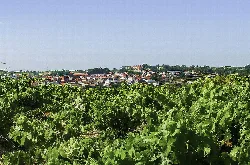
Green vineyards with town in the background.
MasuecoSalamanca

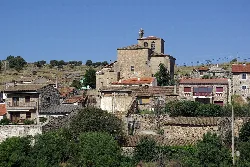
What can you tell me about the Iglesia de San Nicolás de Bari?

The Iglesia de San Nicolás de Bari in Masueco is noted for its beautiful tower, which is believed to be part of an ancient castle from the 16th century. Built in the 17th century by the Lanestosa family, it showcases the Gothic Isabelino style and is one of the oldest churches in the area, featuring distinctive architectural elements associated with the Camino de Santiago.

Iglesia de San Nicolás de Bari For visitors ›

MasuecoSalamanca

What is the significance of the local architecture in Masueco?

The architecture in Masueco reflects its historical and cultural heritage, featuring elements from various periods. Notable structures include the Iglesia de San Nicolás de Bari and the Casa consistorial. The town's buildings showcase a blend of Gothic Isabelino and modern styles, contributing to its unique charm and historical significance.

For visitors ›

Fuentes de BéjarSalamanca

What is the main church in Fuentes de Béjar?

The main church in Fuentes de Béjar is dedicated to Nuestra Señora de la Purificación. This church is part of the Archdiocese of Mérida-Badajoz and serves as a central place of worship for the local community. Its architecture reflects the historical and cultural significance of the town.

Iglesia de Nuestra Señora de la Purificación For visitors ›

Church of Our Lady of the Assumption in Puente del Congosto, Salamanca.
Puente del CongostoSalamanca

What is the significance of the Nuestra Señora de la Asunción church?

The Nuestra Señora de la Asunción church in Puente del Congosto is a notable landmark, reflecting the town's religious heritage. It serves as a focal point for local celebrations and is integral to the community's cultural identity. The church is a part of the town's historical landscape, contributing to its charm and significance.

Nuestra Señora de la Asunción For visitors ›