Sueca is a municipality and city located in the Valencian Community of Spain, known for its agricultural heritage, particularly rice cultivation. It is situated near the Albufera and the Mediterranean Sea, with a population of approximately 29,194 residents.
02Geography
Sueca is located on a flat plain formed by the Júcar River's sedimentation during the Holocene. The municipality is bordered by the Albufera to the north, the Júcar River to the west and south, and the Mediterranean Sea to the east, with the urban center situated about 10 km from the coast.
Distance to the coast
10 km
Protected area
Part of the Albufera Natural Park
03History
The origins of Sueca trace back to an Andalusian farmhouse, which received a charter in 1245. Over the centuries, it developed economically and culturally, particularly noted for its rice cultivation introduced by the Moors.
1245 Charter granted by Pere Guerau to the alquería of Sueca.
1899 Sueca granted city status by Queen María Cristina.
1902 Virgin of Sales declared patron saint of Sueca.
1986 Declared a natural park by the Generalitat Valenciana.
2016 Fallas festival recognized as UNESCO Intangible Cultural Heritage.
Sueca is a municipality in Valencia, Spain, known for its rice cultivation and cultural heritage, including the famous Fallas festival.
04Economy
Historically, agriculture has been the backbone of Sueca's economy, with rice cultivation dominating the landscape. The city hosts several cooperatives and mills dedicated to rice processing, alongside some livestock farming and limited industrial activity.
Agricultural area
5959 ha dedicated to rice cultivation
Number of agricultural cooperatives
3
Number of hotels
2 with 55 beds
Number of restaurants
98
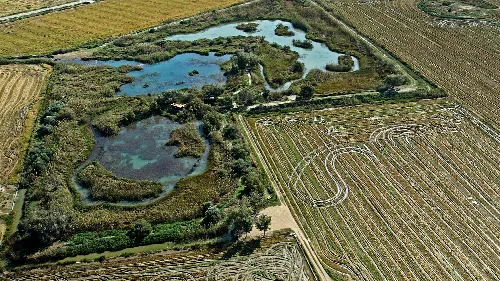
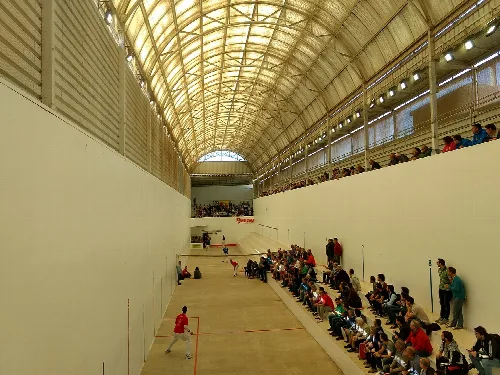
Views of the Ullals de Baldoví in Sueca, surrounded by farmland.View of the Eusebio de Sueca trinquet from the gallery during a Valencian pelota final.
05Cultural Heritage
Sueca boasts a rich cultural scene, highlighted by its festivals, music bands, and significant literary figures. The city is home to various historical buildings and modernist architecture, reflecting its artistic legacy.
Patron saint Virgin of Sales
Fallas festival Celebrated since 1876, recognized by UNESCO.
Notable writers Joan Fuster, José Bernat Baldoví.
Cultural institutions 3 music bands and several museums.
Modernist architecture Numerous buildings from the early 20th century.
06Festivals and Events
Sueca hosts numerous festivals throughout the year, with the Fallas festival being the most prominent. Other events include the Feria del Tomate and the celebration of San Antonio, showcasing the city's vibrant cultural life.
Fallas festival March 15-19, culminating in the cremá.
San Antonio festival January 17, includes a procession and animal blessing.
Semana Santa Celebrated with 13 processions.
Mostra Sonora International contemporary music festival in April.
Feria del Tomate Held in June, celebrating local produce.
07Tourism and Attractions
The municipality features several beaches and natural areas, alongside cultural attractions such as museums and historical buildings. The coastal areas are popular for tourism, especially during the summer months.
Beaches Includes El Perelló, La Llastra, and Playa del Rey.
Museums Museum of Chocolate, Joan Fuster Museum, Fallero Museum.
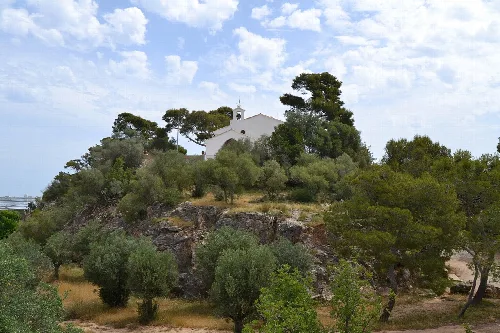
Historical sites Church of San Pedro, Ermita de los Santos Abdón y Senén.
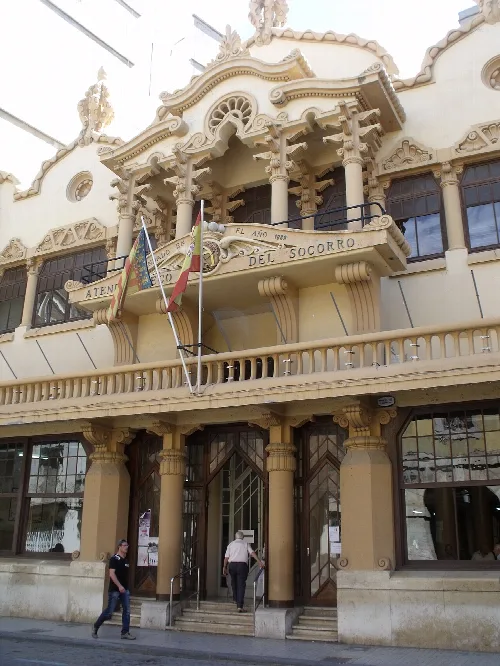
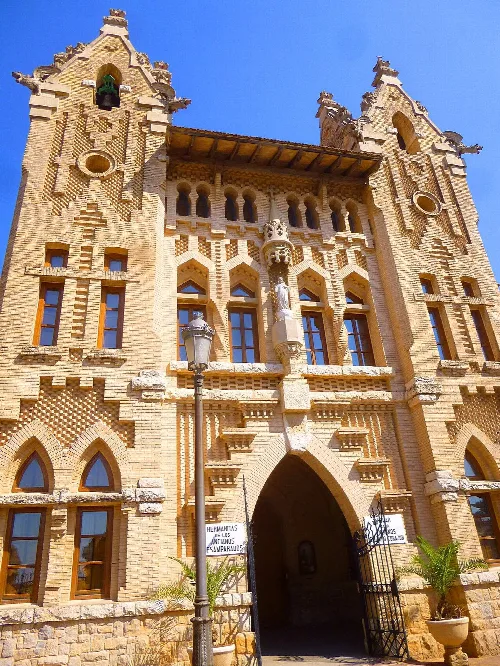
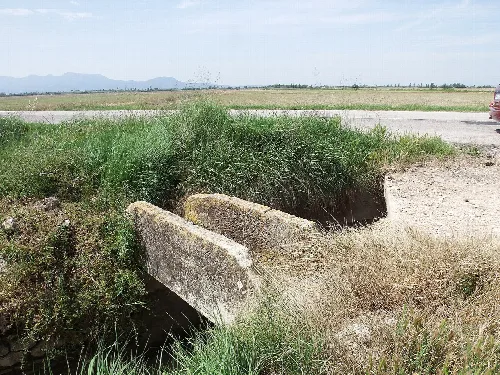
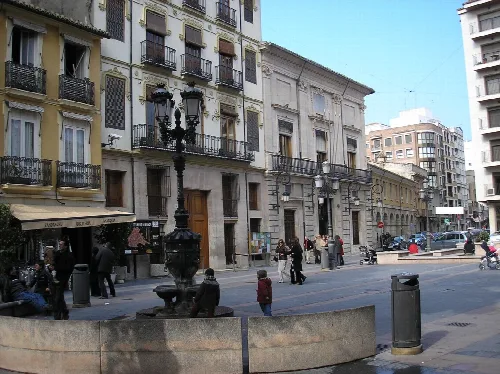
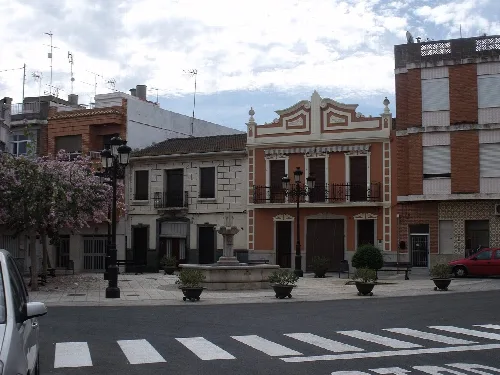
Facade of the Swedish Athenaeum of Socorro in Sueca, with columns and flags at the entrance.Facade of the elderly home in Sueca, Valencia, with Gothic architectural details and towers at the top.Remains of a sarcophagus in a field near Sueca, Valencia.Town hall square in Sueca with historic buildings and a fountain in the center.Muntanyeta dels Sants in Ribera Baixa, with trees and a small church at the top.
Frequently asked questions
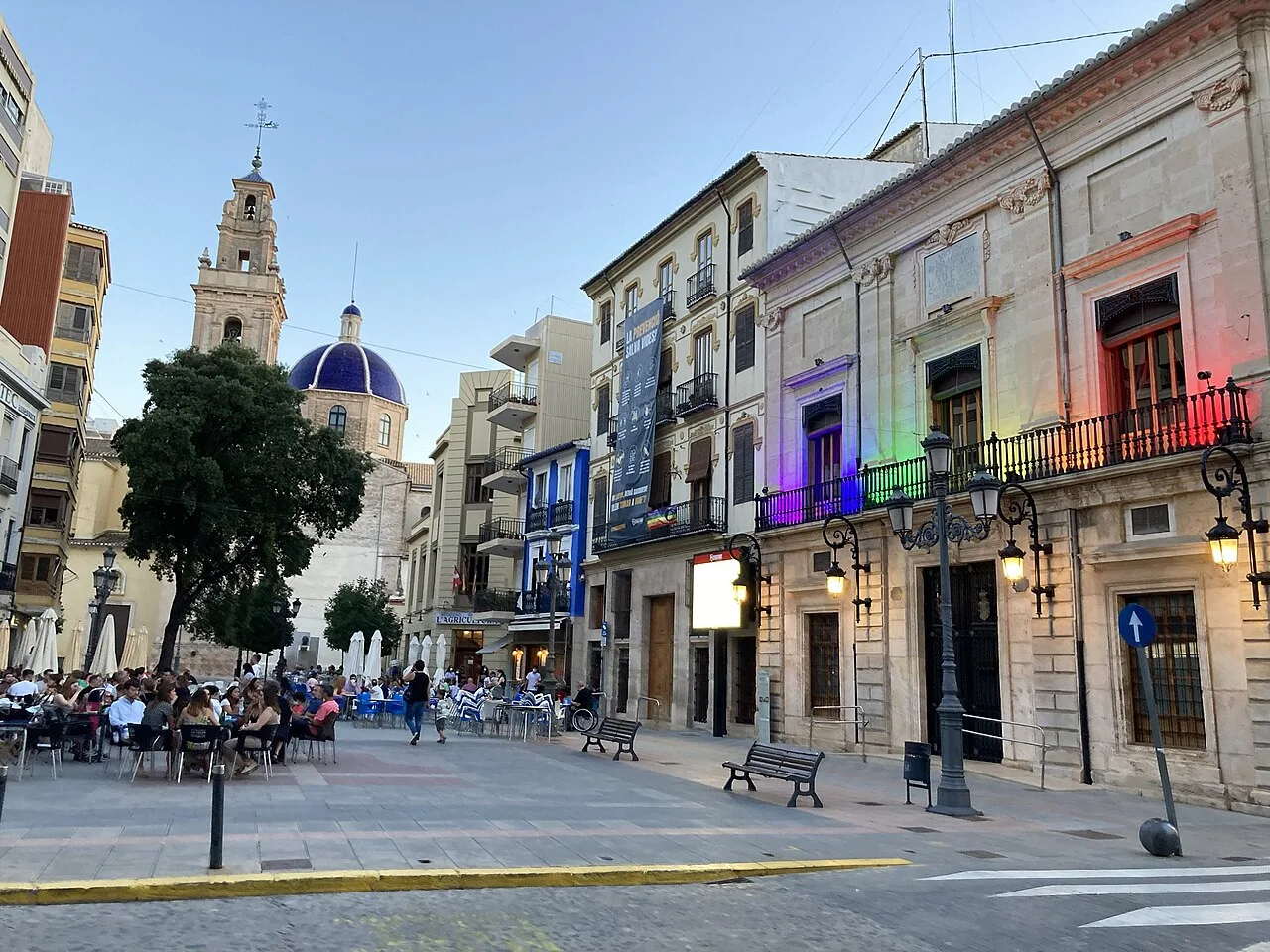
What can I see at La Plaza del Ayuntamiento in Sueca?
La Plaza del Ayuntamiento is a vibrant square in Sueca, often bustling with activity, especially during summer evenings. It's surrounded by beautiful architecture, including the city hall and other historic buildings. Visitors can enjoy outdoor dining and socializing, making it a perfect spot to experience local culture and community life.
The Ullal de Baldoví is a natural area in Sueca characterized by its wetlands and water features. It serves as an important ecological zone, providing habitat for various species and contributing to the local landscape. This area is popular for nature walks and birdwatching, attracting visitors interested in the region's biodiversity.
What is the Trinquet Eusebio and why is it significant?
The Trinquet Eusebio is a traditional Valencian pelota court in Sueca. It holds cultural significance as it hosts important matches, including finals of local leagues. This venue is a hub for pelota enthusiasts and reflects the local sporting traditions, making it a must-visit for those interested in regional sports culture.
Sueca features a mix of architectural styles, prominently showcasing modernist buildings from the early 20th century. The city's growth during this period led to the construction of many notable structures, reflecting its cultural and economic development. Walking through the streets, you can admire various buildings that represent this architectural heritage.
Yes, Sueca is considered a good place for families due to its community-oriented environment, access to local amenities, and educational facilities. The town offers a balance of urban and natural spaces, making it suitable for family activities. Additionally, its agricultural background provides a unique lifestyle connected to nature.
Sueca is renowned for its rice cultivation, which has been a staple of its economy for centuries. The fertile lands around the region, particularly in the Albufera area, support extensive rice fields. This agricultural focus is celebrated annually during the Concurso Internacional de Paella Valenciana, highlighting the town's culinary traditions.
Sueca's history includes its origins as an Andalusian alquería, with significant milestones such as the granting of a charter in 1245. Over the centuries, it experienced economic and cultural growth, particularly during the early 20th century, and faced challenges like wars and plagues. These events have shaped its identity and community structure.
Sueca celebrates several local festivals, with the Concurso Internacional de Paella Valenciana being one of the most notable. This event attracts participants and visitors from various regions, showcasing the town's culinary heritage. Other cultural events throughout the year reflect the vibrant community spirit and traditions of Sueca.
What is the significance of the Acequia Mayor in Sueca?
The Acequia Mayor is a vital irrigation canal in Sueca, established in 1457. It plays a crucial role in the agricultural landscape, allowing for the irrigation of extensive rice fields. This historical water management system reflects the town's agricultural heritage and its dependence on the Júcar River for sustenance.
What types of recreational activities are available in Sueca?
Sueca offers a variety of recreational activities, including outdoor sports, nature walks, and cultural events. The proximity to the Albufera Natural Park provides opportunities for birdwatching and hiking. Additionally, local facilities like the Trinquet Eusebio host sports events, while community festivals enhance the social experience.
 espana.net