What can I do in Longás for outdoor activities?
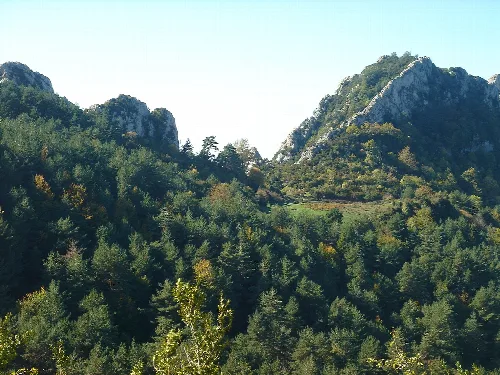
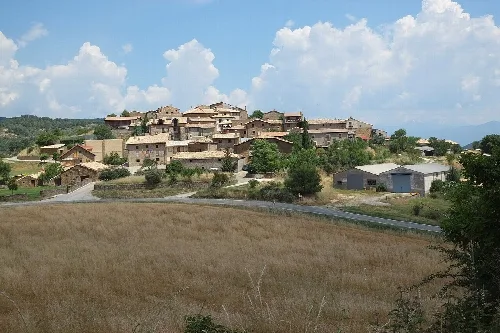
Longás is situated in the Prepirineo, offering excellent opportunities for hiking and mountain biking. There are marked trails that allow visitors to explore the natural beauty of the area, including stunning views from the Sierra de Santo Domingo. The diverse landscape is perfect for nature enthusiasts looking to enjoy outdoor sports.
Nature
What is the history behind the name Longás?
The name Longás has evolved over time, originally appearing as Longareç in a document from the monastery of Leyre dated February 14, 938. It likely has Celtic roots, linked to the Suessetani tribe. The name changed to Longás due to a spelling error in the transition from the Aragonese language to Spanish.
History
For residents
What is the significance of the church in Longás?
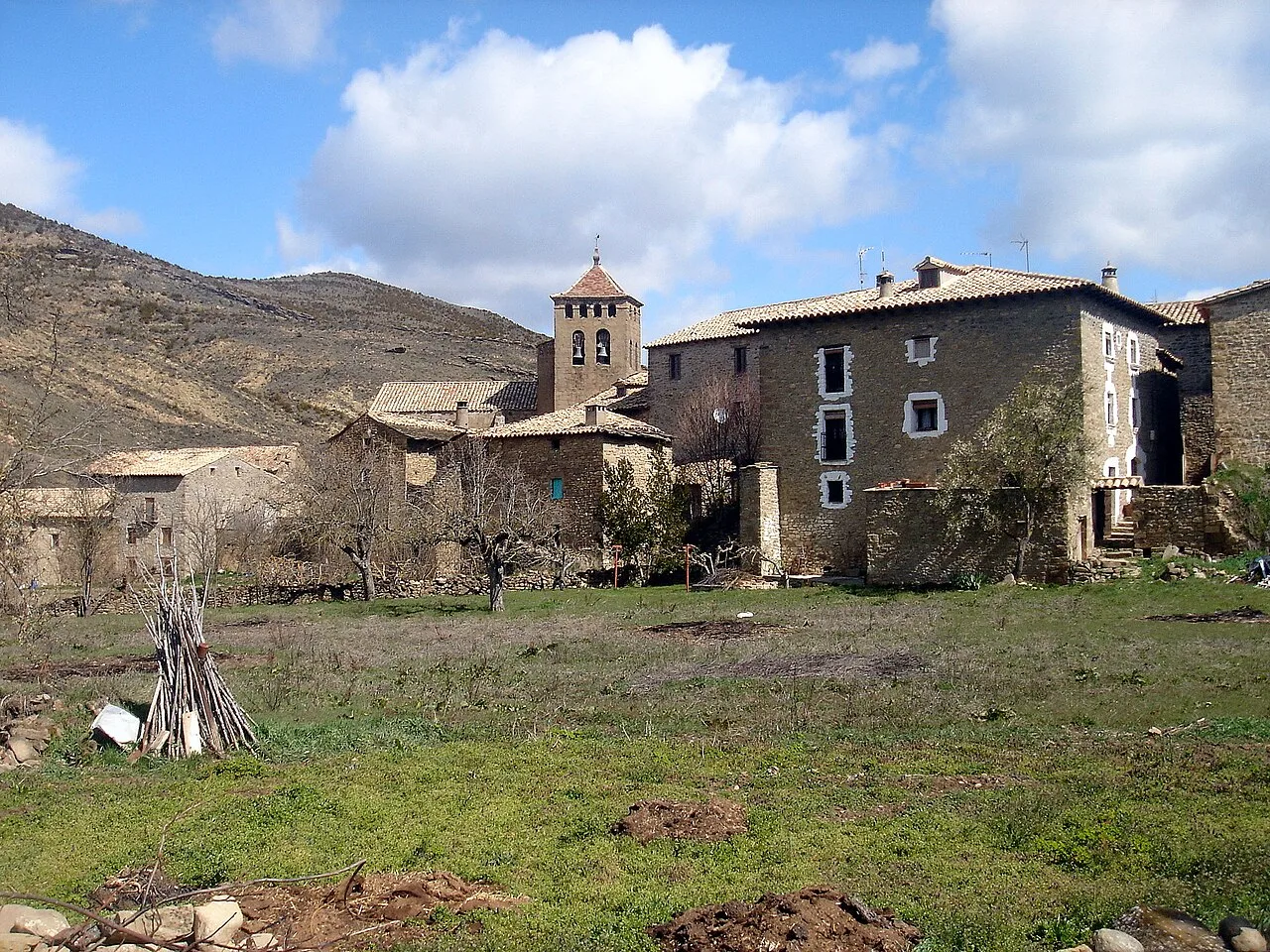
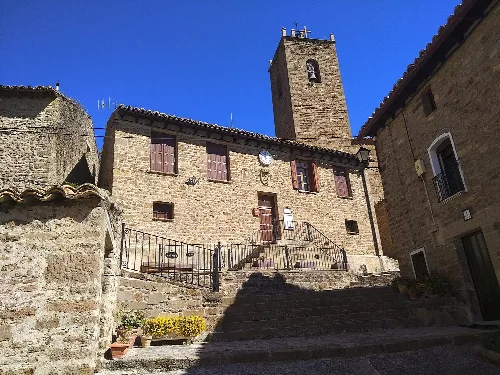
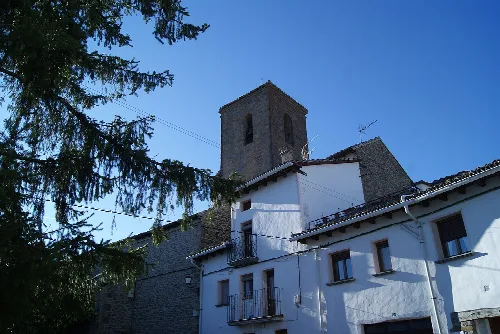
The church in Longás, dedicated to Santa María, dates back to the 14th century. It features a distinctive octagonal bell tower and a cruciform interior with a polygonal apse. The church houses a plateresque altarpiece dedicated to San Miguel, making it a notable historical and architectural site in the village.
Sights
What are the main festivals celebrated in Longás?
Longás celebrates several festivals, including the fiestas in honor of San Sebastián on January 20, featuring bonfires and traditional games. The major festival on July 25 honors Santo Domingo, with a pilgrimage to his hermitage, where attendees enjoy traditional mountain migas. These events reflect the village's cultural heritage.
Festivals & events
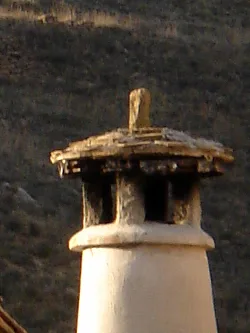
What can you tell me about the Espantabrujas in Longás?
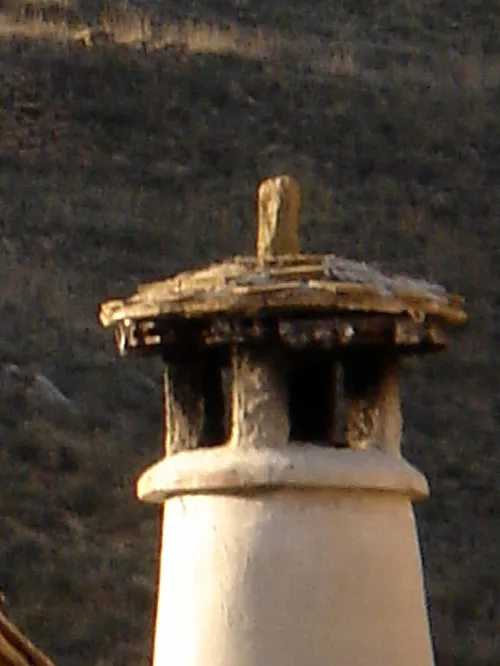
The Espantabrujas are traditional chimney tops designed to prevent witches and evil spirits from entering homes. These unique architectural features are part of Longás's medieval charm and cultural heritage, showcasing the local beliefs and customs that have been preserved over time.
Sights
Espantabrujas
How is the economy of Longás supported?
The economy of Longás primarily relies on agriculture, particularly cereal farming, and livestock, especially sheep and cattle. Additionally, there is a small tourism sector, with a hostel that serves as a social hub. Historically, the extraction of resin was significant, but that activity has since diminished.
Food & drink
For residents
What wildlife can I expect to see around Longás?
Longás is home to diverse wildlife, including endangered species like the bearded vulture and roe deer. Common animals include wild boars and various birds. The area's rich fauna and flora make it an attractive destination for nature lovers and wildlife enthusiasts.
Nature
Are there any cultural activities in Longás?
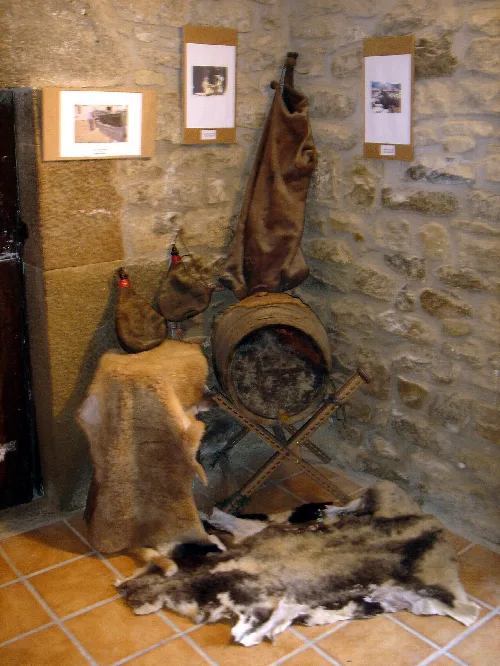
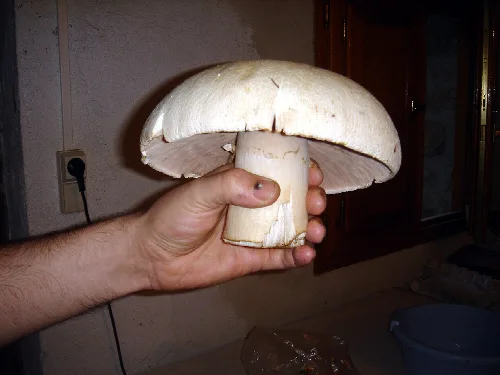
Longás hosts cultural events such as the Micológicas del Prepirineo, which focuses on mushrooms, featuring workshops and culinary offerings. The Asociación Cultural Chinela works to preserve local history and traditions, and the village also has a museum showcasing mid-20th-century life and customs.
Festivals & events
For residents
What is the significance of the Horno de pez in Longás?
The Horno de pez, recently restored, symbolizes the historical importance of resin extraction in Longás. This facility was used to produce resin, which had various applications, including marking livestock and waterproofing. The restoration showcases the village's cultural heritage and traditional practices.
History
Horno de pez For residents
What are the main access routes to Longás?
Longás can be accessed via local roads from Sos del Rey Católico and Navardún, or through an unpaved road classified as an autonomous road from Bailo to Ayerbe. The area has faced historical challenges regarding road conditions, impacting accessibility to the village.
Getting there
 espana.net