
Food & drink

426 questions

ÉpilaZaragoza

What are the main agricultural products of Épila?

Épila's agriculture is primarily focused on fruit production, including pears, apples, peaches, and cherries, alongside cereals like wheat and barley. The local climate and fertile land contribute to the success of these crops, supporting both local consumption and trade.
For residents ›

CadreteZaragoza

What is the local cuisine like in Cadrete?

Cadrete's local cuisine is influenced by its agricultural heritage, particularly known for its high-quality cardo, a type of thistle. Traditional dishes often feature fresh, locally sourced ingredients, reflecting the region's agricultural practices. Community events frequently include popular meals that celebrate local flavors and culinary traditions.

For residents ›

RiclaZaragoza

What are the main agricultural products in Ricla?

Ricla is known for its rich agricultural output, particularly in fruits and vegetables. The cherry harvest is especially significant, contributing to the economy and attracting seasonal workers. The fertile lands along the river Jalón support a variety of crops, making agriculture a central activity for many residents.

For residents ›

AtecaZaragoza

What are the main industries in Ateca?

Ateca's economy is primarily based on chocolate production, with notable factories like Chocateca SL and Chocolates Atienza. Additionally, agriculture plays a vital role, particularly in fruit cultivation, including apples and grapes for local wines.

For residents ›

SabiñánZaragoza

How is the local economy structured in Sabiñán?

Sabiñán's economy is primarily based on agriculture, with significant cultivation of olives, almonds, and cherries. The region is known for its fruit trees and is a center for arboriculture in Aragón. Additionally, Sabiñán is famous for its 'Olivas negrales,' which are harvested locally, contributing to its economic identity.

For residents ›

Herrera de los NavarrosZaragoza

How does the local cuisine reflect the culture of Herrera de los Navarros?

The local cuisine of Herrera de los Navarros is influenced by its agricultural roots, with a focus on traditional dishes made from locally sourced ingredients. Dishes often feature wheat, vegetables, and meats, reflecting the area's history and the agricultural practices that have shaped its culture over centuries.

For residents ›

BulbuenteZaragoza

What are the main agricultural products of Bulbuente?

Bulbuente's economy is primarily based on agriculture, particularly the cultivation of vineyards, olives, and almonds. Being part of the D.O. Campo de Borja, it has developed a wine industry. Additionally, livestock farming, especially cattle and sheep, contributes to the local economy.

For residents ›

FréscanoZaragoza

What is the history of agriculture in Fréscano?

Agriculture has been a cornerstone of Fréscano's economy for centuries, with farmers traditionally relying on the waters from the embalse de Yesa and the Canal de Lodosa for irrigation. The town's agricultural practices reflect its historical roots and adaptation to the landscape.

For residents ›

SisamónZaragoza

What are the main crops or agricultural activities in Sisamón?

Sisamón's agricultural landscape includes approximately 2478 hectares of cultivated land, primarily focused on traditional farming practices. The area is known for its fertile soil, supporting various crops and livestock, which are central to the local economy.

For residents ›

LongásZaragoza

How is the economy of Longás supported?

The economy of Longás primarily relies on agriculture, particularly cereal farming, and livestock, especially sheep and cattle. Additionally, there is a small tourism sector, with a hostel that serves as a social hub. Historically, the extraction of resin was significant, but that activity has since diminished.

For residents ›

OsejaZaragoza

What are the traditional agricultural practices in Oseja?

Agriculture in Oseja includes the cultivation of various cereals and legumes, with a historical emphasis on viticulture. The community also values livestock, including sheep and goats. The local Museum of Traditional Agriculture highlights the relationship between the inhabitants and their agricultural practices, showcasing tools and methods used in wine production.

For residents ›

OsejaZaragoza

What are the local wine traditions in Oseja?

Oseja has a strong vinicultural tradition, with caves carved into the rock serving as wine cellars. These bodegas are integral to the community's cultural heritage, showcasing the historical significance of winemaking in the region, which is celebrated in local festivals and traditions.

the bodegas For residents ›

ArévaloÁvila

What are the main agricultural products in Arévalo?

Arévalo is known for its agricultural production, particularly cereals and legumes. The region benefits from fertile lands, making it a significant agricultural hub in Castile. The local economy is heavily reliant on agriculture, alongside a growing industrial sector focused on processing agricultural products.

For residents ›

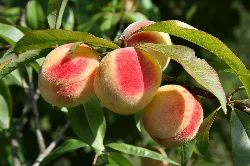
Three peaches on a tree with green leaves.
BurgohondoÁvila

What is the significance of the local peach in Burgohondo?

The peach, particularly the local variety, is significant in Burgohondo, especially during the harvest months of August and September. It is enjoyed fresh, in syrup, or dried, and reflects the agricultural traditions of the region.

For residents ›

Pedro BernardoÁvila

What are the main agricultural products of Pedro Bernardo?

Pedro Bernardo's agriculture thrives due to its fertile soil and microclimatic conditions. Key products include figs, especially the 'cuello de dama' variety, olives for high-quality olive oil, and various fruits like kiwi, oranges, and almonds. The region's diverse agriculture reflects its rich natural resources and traditional farming practices.

For residents ›

Pedro BernardoÁvila

What types of crafts are traditionally made in Pedro Bernardo?

Pedro Bernardo has a rich tradition of craftsmanship, particularly in the production of wooden spoons and other wooden items, earning its residents the nickname 'cuchareros.' Although many traditional crafts have declined, some artisans still create leather products and wooden sculptures, keeping the local craftsmanship alive.

For residents ›

La TorreÁvila

What types of crops are grown in La Torre?

The predominant crops in La Torre include cereals like barley, wheat, and oats, primarily grown in dry farming conditions. Recently, maize and strawberries have been cultivated using water from the valley's aquifer, reflecting agricultural adaptation in the region.

For residents ›

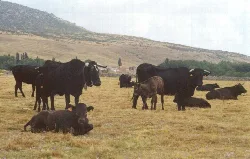
Cows and calves grazing in a field with hills in the background.
Garganta del VillarÁvila

What type of livestock is primarily raised in Garganta del Villar?

The primary livestock raised in Garganta del Villar is the Avileña-Negra Ibérica breed of cattle. This extensive cattle farming is crucial for the local economy, and the area features several well-maintained watering troughs for the livestock.

For residents ›