Food & drink

1,126 questions

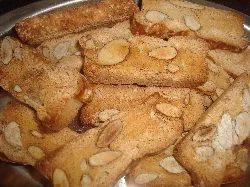
Rosegons with almonds on top.
Alcalà de XivertCastellón

What are 'Rosegons' and where can I find them in Alcalà de Xivert?

'Rosegons' are a traditional sweet from the Valencian Community, made with flour, eggs, sugar, and almonds. They are known for their hard consistency after baking. You can find them in local bakeries and during festivals, showcasing the area's culinary heritage.

For visitors ›

TorreblancaCastellón

What is the local cuisine like in Torreblanca?

Torreblanca's cuisine emphasizes fresh seafood, local vegetables, and rice dishes. Notable dishes include the traditional paella, 'olla torreblanquina,' and grilled meats. Desserts like 'pastissets' and 'torta de almendras' are popular. The culinary offerings reflect the town's agricultural roots and coastal location, making it a delightful experience for food lovers.

For visitors ›

Sliced almond cake dusted with powdered sugar.
TorreblancaCastellón

What can you tell me about the Torta de Almendras?

Torta de Almendras is a traditional dessert from Torreblanca, made with ingredients like eggs, sugar, and ground almonds. This sweet treat is often enjoyed during local festivities and is a testament to the region's rich culinary heritage. It's a must-try for anyone visiting the area, showcasing the flavors of the Valencian Community.

For visitors ›

L'AlcoraCastellón

What are the popular dishes in Alcora?

Alcora is known for its traditional dishes, such as Patatas a la Alcorina, Ajoarriero, and Caracoles en salsa. These dishes often feature local ingredients and are enjoyed during various festivals, showcasing the region's culinary heritage.

For visitors ›

MoncofaCastellón

What local dishes should I try in Moncofa?

Moncofa is known for its Mediterranean cuisine, particularly its rice dishes. Don't miss trying the paella, arrossejat, and suquet de pescado. The region is also famous for its melons and oranges, which are key ingredients in many local recipes.

For visitors ›

AlmenaraCastellón

What is the local cuisine like in Almenara?

Almenara's local cuisine features traditional dishes such as 'coca tapá' made with almonds, classic 'paella', 'all i pebre', and festive meatballs known as 'albóndigas de fiestas'. These dishes reflect the region's agricultural heritage and culinary traditions.

For visitors ›

TalesCastellón

What traditional dishes should I try in Tales?

In Tales, you can enjoy a variety of traditional dishes, including different types of rice such as arroz caldoso and paella de montaña. Other local specialties include grilled meats, stews like olla de la Plana, and delicious pastries like buñuelos and mona de Pascua. The local olive oil is also highly regarded for its quality.

For visitors ›

ViverCastellón

What is the local cuisine like in Viver?

Viver’s local cuisine is influenced by its agricultural traditions, featuring dishes made with high-quality olive oil, fresh vegetables, and local meats. The town also celebrates its agricultural heritage with events like the Fiesta del Aceite, showcasing local olive oil production.

For visitors ›

Motilla del PalancarCuenca

What are the local dishes or foods to try in Motilla del Palancar?

While specific local dishes are not detailed in the reference material, traditional Spanish cuisine often features regional specialties. Visitors can expect to find hearty meals typical of Castilla-La Mancha, possibly including stews, grilled meats, and local pastries. Exploring local eateries can reveal unique culinary delights.

For visitors ›

BuendíaCuenca

What local food should I try in Buendía?

In Buendía, traditional cuisine often features local products, including excellent wines historically produced in the region. The town's culinary offerings may include dishes made from lamb and other local meats, reflecting the agricultural heritage of the area, which is known for its livestock.

For visitors ›

Las PedroñerasCuenca

What are the main agricultural products of Las Pedroñeras?

The economy of Las Pedroñeras is primarily agricultural, with garlic being the most significant crop. Other important products include wine grapes, cereals, olives, and onions, contributing to the region's rich agricultural heritage.

For visitors ›

Las PedroñerasCuenca

How is the local garlic used in cooking?

Garlic plays a central role in the cuisine of Las Pedroñeras. Traditional dishes include migas, ajoarriero, and pisto manchego, all highlighting the unique flavors of the region's garlic, particularly the renowned Ajo Morado.

For visitors ›

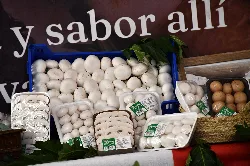
Basket of white mushrooms and other fungi at the fair.
Quintanar del ReyCuenca

What can I expect from the local cuisine in Quintanar del Rey?

Quintanar del Rey's local cuisine features traditional dishes that highlight regional ingredients, particularly mushrooms, which are a local specialty. The town also celebrates its agricultural heritage through events like the Feria del Champiñón, where visitors can taste various mushroom dishes and local wines.

For visitors ›

Zarza de TajoCuenca

What is the Torta de la Virgen, and when is it made?

The Torta de la Virgen is a traditional pastry made from honey, flour, olive oil, eggs, and water. It is prepared at the end of January to celebrate the Feast of the Virgen de las Candelas, showcasing local agricultural products like honey and olive oil.

For visitors ›

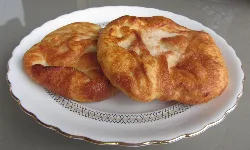
Two golden, fluffy sponge cakes on a white dish.
VelliscaCuenca

What traditional foods should I try in Vellisca?

In Vellisca, you can enjoy traditional dishes such as ajoarriero, gazpachos galianos, and bizcocho borracho. The local cuisine emphasizes meat, particularly game, and features seasonal ingredients typical of the region.

For visitors ›

Two golden, fluffy sponge cakes on a white dish.
VelliscaCuenca

What is the significance of the bizcocho borracho?

Bizcocho borracho is a traditional dessert from Vellisca, known for its rich flavor and moist texture. It is often enjoyed during local festivities and reflects the region's culinary heritage, making it a must-try for visitors.

For visitors ›

TalayuelasCuenca

How is the local cuisine in Talayuelas?

The local cuisine in Talayuelas reflects its agricultural heritage, featuring dishes that utilize ingredients like pork and game meat. Specialties include almortas, morteruelo, ajo arriero, and gazpacho pastor. The flavors are robust, often enhanced with spices, making it a unique culinary experience that showcases the region's traditions.

For visitors ›

Osa de la VegaCuenca

What is the local cuisine like in Osa de la Vega?

Osa de la Vega's cuisine reflects traditional Spanish flavors, with a focus on local agricultural products. Dishes often feature ingredients like almonds, which are a significant crop in the area, as well as cereals and legumes. Visitors can enjoy hearty meals that highlight the region's agricultural heritage, often prepared with local recipes passed down through generations.

For visitors ›

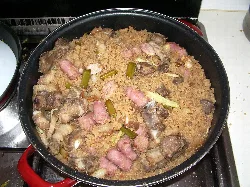
Migas ruleras in a pan with bread, sausage, bacon, and garlic.
ValdemecaCuenca

What is Migas ruleras and why is it popular in Valdemeca?

Migas ruleras is a traditional dish from the region, made primarily from stale bread soaked in water, garlic, oil, and various meats like longaniza and tocino. This dish reflects the local culinary heritage, influenced by the harsh climate and pastoral traditions of the area. It's a staple in gatherings and celebrations, showcasing the region's rich gastronomy.

For visitors ›

Migas ruleras in a pan with bread, sausage, bacon, and garlic.
ValdemecaCuenca

What traditional dishes should I try while visiting Valdemeca?

When visiting Valdemeca, be sure to try local specialties like morteruelo, a hearty stew made with pork liver and spices, and migas ruleras, a dish made from soaked bread and meats. These dishes reflect the region's culinary heritage and are often enjoyed during community gatherings.

For visitors ›

Villamayor de SantiagoCuenca

What local food should I try in Villamayor de Santiago?

When visiting Villamayor de Santiago, be sure to try the renowned Manchego cheese, which has a Denomination of Origin. The local cuisine also features excellent wines and olive oils, reflecting the region's agricultural heritage. These delicacies are a must for any food enthusiast.

For visitors ›

San ClementeCuenca

What local food should I try in San Clemente?

When in San Clemente, you should try local specialties like queso manchego, ajos, and cebollas. The region is also known for its wine production, particularly from the cooperative Nuestra Señora de Rus, which showcases the area's agricultural heritage.

For visitors ›

BonichesCuenca

What type of food can I expect in Boniches?

In Boniches, traditional cuisine is influenced by its agricultural roots. Expect to find local dishes featuring fresh vegetables, fruits, and meats. The area is known for its fertile lands, producing a variety of crops like cucumbers, potatoes, and fruits from orchards. Local eateries may offer simple, hearty meals typical of rural Spanish cuisine.

For visitors ›

HueteCuenca

What kind of food can I expect in Huete?

In Huete, you can enjoy traditional Castilian cuisine, which includes hearty dishes like pisto manchego, migas, and various stews. Local restaurants often serve regional specialties, showcasing ingredients sourced from the surrounding agricultural areas, making for a delightful culinary experience.

For visitors ›