Food & drink

1,126 questions

AlcoleaAlmería

What are the traditional foods of Alcolea?

Alcolea is known for its traditional dishes, which include migas, a dish made from breadcrumbs, and gachas, a type of dough-based dish. For meat lovers, choto al ajillo, a garlic goat dish, is popular. In terms of desserts, the famous hojuelas, a type of pastry, are a must-try for visitors.
For visitors ›

Huércal-OveraAlmería

What are some traditional foods from Huércal-Overa?

Huércal-Overa boasts traditional dishes such as gurullos, empedrao, and empanadas de almendra. The local cuisine emphasizes both agricultural products and seafood, with a focus on grilled fish and hearty stews, reflecting the region's culinary heritage.

For visitors ›

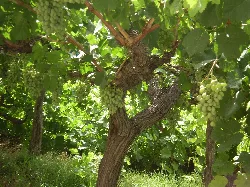
Green grape bunches on a vine in Ohanes, Almería.
OhanesAlmería

What can you tell me about the Uva de Ohanes?

The Uva de Ohanes, also known as Barco or Almería grape, is notable for its large bunches and cylindrical yellow wax-colored grapes. Its cultivation began in the early 19th century and is a result of natural hybridization. This grape became significant for local industry, especially for transport and export starting in 1835, reaching major markets by the early 20th century.

For visitors ›

OhanesAlmería

What is Arrocillo, a traditional dish from Ohanes?

Arrocillo is a popular local dish that intriguingly does not contain rice. Instead, it is a hearty stew made with green beans, fennel, chorizo, pork ribs, dried peppers, tomatoes, onions, garlic, and a type of flour. This dish reflects the region's agricultural heritage and is a staple during colder months.

For visitors ›

GérgalAlmería

What kind of food is typical in Gérgal?

Gérgal's cuisine features traditional dishes such as pimentón, olla de trigo, and migas. The region is known for its high-quality cordero segureño, a lamb breed prized for its tender meat. Local specialties also include ajoblanco and various vegetable preserves, reflecting the area's agricultural heritage.

For visitors ›

TurreAlmería

What can you tell me about the local food in Turre?

Turre's local cuisine is influenced by traditional Andalusian flavors, emphasizing fresh ingredients. Dishes often feature locally sourced vegetables, meats, and seafood, reflecting the area's agricultural heritage. Visitors can enjoy tapas in local bars, and traditional dishes during festivals, showcasing the region's culinary culture.

For visitors ›

Huércal de AlmeríaAlmería

What can you tell me about the local cuisine in Huércal de Almería?

The local cuisine in Huércal de Almería reflects traditional Andalusian flavors, often featuring fresh produce from the surrounding agricultural areas. Dishes may include seafood, vegetables, and locally sourced meats, with an emphasis on seasonal ingredients and regional specialties.

For visitors ›

LangreoAsturias

How is the local food scene in Langreo?

Langreo has a rich culinary scene, heavily influenced by traditional Asturian cuisine. Local specialties include fabada asturiana, a hearty bean stew, and various seafood dishes. The region is also known for its artisanal cider, which is a staple in local dining. Visitors can enjoy these dishes at various restaurants and during local food festivals throughout the year.

For visitors ›

LlanesAsturias

Is there a good place to eat in Llanes?

Llanes offers a variety of dining options, featuring traditional Asturian cuisine. You can find local restaurants serving fresh seafood, particularly from the nearby Cantabrian Sea, as well as regional dishes like fabada asturiana. The vibrant culinary scene is complemented by charming cafes and bars, especially during the summer months.

For visitors ›

RibadesellaAsturias

What is the significance of the local cuisine in Ribadesella?

Ribadesella's cuisine is rich in seafood, reflecting its coastal location. Traditional dishes often feature fresh fish and local products, including dairy from the surrounding countryside. The area's culinary offerings are celebrated during local festivals, enhancing the cultural experience for visitors.

For visitors ›

GradoAsturias

What are some traditional foods to try in Grado?

In Grado, you can enjoy traditional Asturian cuisine, which includes dishes like fabada asturiana, a rich bean stew, and various cheeses, particularly those made from cow's milk. Local cider, known as sidra, is also a must-try. The town's markets often feature fresh produce and artisanal products that reflect the region's agricultural heritage.

For visitors ›

AllerAsturias

What traditional foods should I try in Aller?

In Aller, you should try traditional Asturian dishes such as fabada asturiana, a hearty bean stew, and local cheeses like Cabrales. The region is also known for its rich dairy products and meats, particularly from the parda alpina cattle. Don't miss out on sampling the local cider, which is an integral part of Asturian cuisine.

For visitors ›

BualAsturias

What is the local cuisine like in Boal?

Boal's cuisine features traditional dishes made from local agricultural products, including meat pies and dishes with collard greens. Honey is also a significant ingredient, reflecting the municipality's apiculture heritage.

For visitors ›

ColungaAsturias

What are some local dishes I should try in Colunga?

In Colunga, you should try traditional Asturian dishes such as fabada asturiana, a rich bean stew, and fresh seafood from the Cantabrian Sea. The region is also known for its cider, which pairs well with local cuisine, making for a delightful culinary experience.

For visitors ›

CastrillónAsturias

What can you tell me about the food in Castrillón?

Castrillón offers a variety of local cuisine, heavily influenced by its coastal location. Seafood is a highlight, with dishes featuring fresh fish and shellfish being popular. Additionally, traditional Asturian dishes, such as fabada, can be enjoyed in local restaurants.

For visitors ›

TinéuAsturias

What are the main agricultural products of Tineo?

Tineo is one of the largest milk producers in Asturias, with a strong agricultural sector. The region's landscape supports dairy farming, and local products like Chosco, a type of sausage, are notable culinary specialties.

For visitors ›

RibadedevaAsturias

What are some local dishes I should try in Ribadedeva?

While specific dishes are not detailed, Ribadedeva's cuisine typically features seafood, given its coastal location. Dishes such as fresh fish and shellfish are common, alongside traditional Asturian fare like fabada (bean stew) and local cheeses. Exploring local restaurants will reveal a variety of regional specialties.

For visitors ›

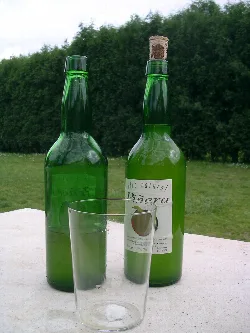
Bottles of natural cider and a glass in a countryside setting with trees.
VillaviciosaAsturias

How is the local cider in Villaviciosa?

Villaviciosa is renowned for its high-quality cider, particularly from local producers like Llagar Piñera. The region's climate and abundance of apple orchards contribute to the unique flavor of the cider, making it a must-try for visitors and a staple in local cuisine.

For visitors ›

TebergaAsturias

What types of food can I try in Teverga?

In Teverga, visitors can enjoy traditional Asturian cuisine, including dishes like pote de berzas, picadillo, and arroz con leche. The region also hosts a gastronomic festival in November, where local specialties are celebrated, offering a taste of the area's culinary heritage. Local ingredients often reflect the agricultural practices of the region.

For visitors ›

Grandas de SalimeAsturias

What is the local cuisine like in Grandas de Salime?

The local cuisine of Grandas de Salime reflects traditional Asturian flavors, emphasizing local ingredients like dairy, meats, and seasonal produce. Dishes often include hearty stews, cheeses, and local fruits, particularly blueberries from recent fruit cultivation efforts. Community festivals also showcase regional specialties, offering a taste of local culture.

For visitors ›

Belmonte de MirandaAsturias

What types of local food can I try in Belmonte de Miranda?

In Belmonte de Miranda, visitors can enjoy traditional Asturian cuisine, which includes dishes like fabada asturiana (a hearty bean stew), various cheeses, and locally sourced meats. The region's natural resources also provide fresh fish, particularly trout from the rivers, making for a delightful culinary experience.

For visitors ›

DegañaAsturias

What types of food are typical in Degaña?

Degaña's cuisine reflects its rural roots, with traditional dishes often featuring locally sourced ingredients. Common foods include hearty stews, game meats, and dairy products. The region is also known for its wines, particularly those produced under the DOP Vino de Cangas, although local production is mainly for personal consumption.

For visitors ›

Santa Eulalia de OscosAsturias

What type of food can I expect in Santa Eulalia de Oscos?

In Santa Eulalia de Oscos, traditional Asturian cuisine is prevalent, featuring local ingredients. Expect dishes like fabada asturiana, ciders, and seasonal specialties such as roasted chestnuts during the Magosto festival. Local restaurants often serve these traditional meals, enhancing the culinary experience.

For visitors ›

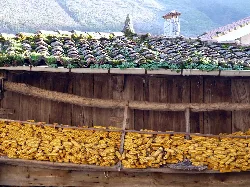
Wooden hórreo with drying corn cobs in front.
SomiedoAsturias

What is the significance of the hórreo in Somiedo?

The hórreo is a traditional granary unique to Asturias, and in Somiedo, it reflects the agricultural heritage of the region. These structures, often built on stilts, were used to store corn and protect it from moisture and pests. The hórreo is an iconic symbol of local culture, showcasing the adaptation of architecture to the environment.

For visitors ›