Sights

3,246 questions

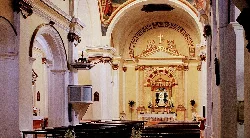
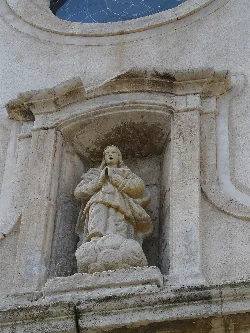
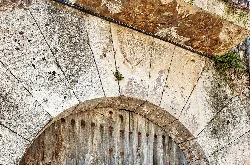
Religious figure sculpture on the church facade in Capafonts
CapafontsTarragona

What is the main attraction in Capafonts?

The main attraction in Capafonts is the Església parroquial de Santa Maria, a neoclassical church completed in 1763. It features a Latin cross layout, three naves, and a dome. The church's facade is notable for its stone corners, rosettes, and a central niche housing a statue of the Virgin Mary, which was returned after being removed in the 1930s.
Església parroquial de Santa Maria For visitors ›

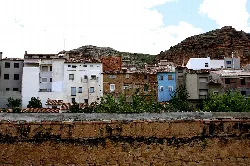
House facade with dove crest in Capafonts.
CapafontsTarragona

What can you tell me about the Casa de Capafons?

Casa de Capafons is a notable historical building in the village, featuring a coat of arms with a dove. This house has sparked legends about Cristóbal Colón's birthplace due to the Catalan word for dove being 'colom.' It reflects the rich history and architectural heritage of Capafonts.

Casa de Capafons For visitors ›

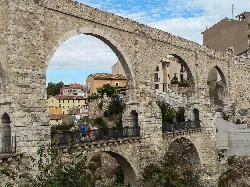
Stone aqueduct with arches in Teruel, with people walking.
TeruelTeruel

What is the Acueducto de los Arcos and its significance?

The Acueducto de los Arcos is a notable Renaissance engineering work in Teruel, constructed between 1537 and 1558. It served as a vital water supply system for the city and is recognized for its architectural beauty, symbolizing the city's historical importance during the Renaissance period.

Acueducto de los Arcos For visitors ›

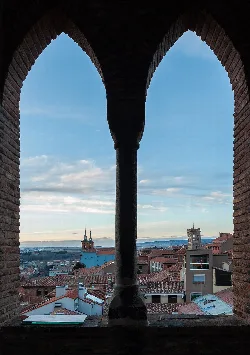
View of Teruel from a tower with brick arches.
TeruelTeruel

What can I see from the viewpoint of the church of San Salvador?

From the viewpoint of the church of San Salvador, visitors can enjoy stunning panoramic views of Teruel and its surrounding landscape. The view captures the unique architecture of the city, including its mudéjar-style buildings, and provides a glimpse of the natural beauty of the region.

church of San Salvador For visitors ›

TeruelTeruel

What is the significance of the mausoleum of the Lovers of Teruel?

The mausoleum of the Lovers of Teruel is an important cultural landmark, commemorating the legendary tragic love story of Diego and Isabel, akin to Romeo and Juliet. This site attracts many visitors and symbolizes the romantic heritage of the city, making it a must-see for anyone interested in local folklore.

mausoleum of the Lovers of Teruel For visitors ›

TeruelTeruel

What can you tell me about the architecture in Teruel?

Teruel is famous for its mudéjar architecture, a unique blend of Islamic and Christian styles. Key examples include the Cathedral of Santa María and several towers such as those of El Salvador and San Martín. These buildings are recognized as part of UNESCO World Heritage and showcase the city's rich artistic heritage.

For visitors ›

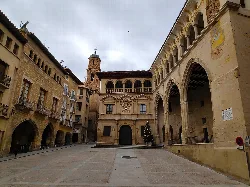
Square with historic buildings and a small central plaza in Alcañiz.
AlcañizTeruel

What is the significance of the Plaza de España in Alcañiz?

Plaza de España is a central square in Alcañiz, notable for its historical architecture, including the town hall and the Lonja, which were restored in 2019. This square has been a hub for community events and social gatherings, reflecting the town's rich cultural heritage and urban evolution over the centuries.

Plaza de España For visitors ›

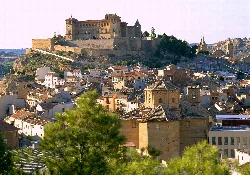
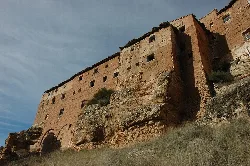
View of the castle and old town of Alcañiz from below.
AlcañizTeruel

What can you tell me about the Parador de Alcañiz?

The Parador de Alcañiz is a historic hotel that was once a monastery. It offers a unique blend of culture and comfort, allowing guests to experience the rich history of the area while enjoying modern amenities. The location provides stunning views and easy access to local attractions.

Parador de Alcañiz For visitors ›

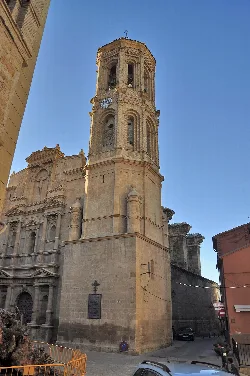
Church tower with clock and windows in Andorra, Teruel.
AndorraTeruel

What is the significance of the Iglesia de Nuestra Señora de la Natividad in Andorra?

The Iglesia de Nuestra Señora de la Natividad, built between the late 16th and early 17th centuries, is a notable religious site in Andorra. It features a single nave with chapels between sturdy buttresses and a polygonal interior. Its monumental façade, designed by Juan Rigor, showcases a blend of Baroque and Mudéjar styles, making it a key architectural landmark in the town.

Iglesia de Nuestra Señora de la Nativdad For visitors ›

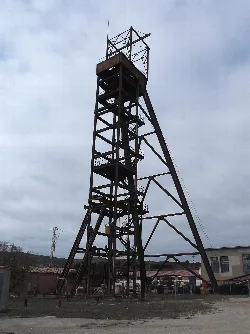
Mining headframe metal structure at the museum in Andorra, Teruel.
AndorraTeruel

What is the Pozo San Juan and why is it important?

Pozo San Juan is a significant historical site in Andorra, representing the mining heritage of the region. It serves as a visitor center and museum within the Parque Tecnológico Minero MWINAS, showcasing the history of mining in the area. The site includes a striking iron structure called the 'Castillete', offering views of the mining landscape and housing exhibits related to mining activities.

Pozo San Juan For visitors ›

Large crowd on a street in Andorra during a Holy Week procession.
AndorraTeruel

What is the role of the Museo de la Semana Santa in Andorra?

The Museo de la Semana Santa in Andorra serves to preserve and showcase the town's rich Easter traditions. It features exhibits on the various processional steps and artifacts used during the Semana Santa celebrations. This museum plays a vital role in educating visitors about the cultural significance of these traditions in Andorra's community life.

Museo de la Semana Santa For visitors ›

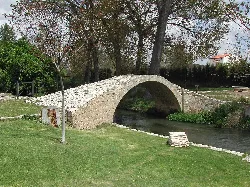
Stone bridge in Calamocha over a river with vegetation.
CalamochaTeruel

What is the significance of the Puente Romano in Calamocha?

The Puente Romano is a historic Roman bridge that spans the Jiloca River in Calamocha. It served as a vital crossing point on the ancient road connecting Zaragoza and Córdoba. This bridge is a testament to the region's rich history and is a must-see for visitors interested in historical architecture.

Puente Romano For visitors ›

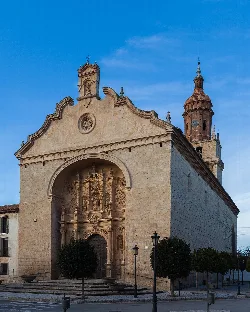
Facade of Santa María Church with tower in Calamocha.
CalamochaTeruel

What can you tell me about the Iglesia Santa María in Calamocha?

The Iglesia Santa María is an impressive 18th-century church located in Calamocha. It features a stunning Baroque façade and is built on the site of an earlier fortified castle. This church is a central part of the town's historical and cultural heritage, attracting visitors for its architectural beauty and significance.

Iglesia Santa María For visitors ›

CalandaTeruel

What are the main attractions in Calanda?

Calanda boasts several attractions, including the Templo del Pilar, known for its stunning architecture. The surrounding natural beauty includes the Sierra de Ginebrosa and the picturesque Embalse de Calanda, offering opportunities for hiking and enjoying nature. Additionally, the town's historical significance and cultural events, like the Semana Santa, draw visitors year-round.

For visitors ›

View of the central nave of the Templo del Pilar in Calanda.
CalandaTeruel

What can you tell me about the Templo del Pilar in Calanda?

The Templo del Pilar is a notable landmark in Calanda, featuring impressive architecture and a central nave that attracts visitors. This church is an important part of the town's cultural and religious life, often serving as a venue for community events and celebrations throughout the year.

Templo del Pilar For visitors ›

Colorful houses and a wall in the foreground in Alcorisa.
AlcorisaTeruel

What is the significance of the bell tower in Alcorisa?

The bell tower of the church of Virgen de la Asunción is a significant architectural feature in Alcorisa, built in the 18th century. Its design reflects Mudéjar influences and adds to the town's skyline. The tower is a symbol of the town's historical and cultural heritage, attracting both residents and visitors alike.

Iglesia de la Virgen de la Asunción For visitors ›

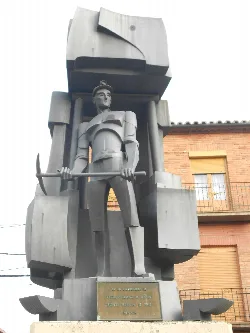
Statue of a miner with tools in Utrillas.
UtrillasTeruel

What is the Monumento al Minero in Utrillas?

The Monumento al Minero is a notable sculpture located in the town square of Utrillas, created by artist José Gonzalvo Vives. This monument pays tribute to the miners who played a crucial role in the town's history, reflecting the community's deep connection to its mining heritage. It stands as a symbol of pride and remembrance for the local population.

Monumento al Minero For visitors ›

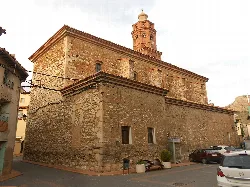
Stone church with brick tower in Utrillas.
UtrillasTeruel

What is the main church in Utrillas like?

The main church in Utrillas is the Iglesia parroquial de la Natividad de Nuestra Señora, a Baroque-style temple built in the 17th century. It features three naves covered with barrel vaults, with a distinct tower made of masonry and brick. The church underwent significant alterations during the Spanish Civil War, resulting in modern images being placed in the sanctuary.

Iglesia parroquial de la Natividad de Nuestra Señora For visitors ›

View of houses and a church in Cella, Teruel.
CellaTeruel

What is the white building on the hill in Cella?

The white building on the hill is likely the church or an old structure that stands out in the landscape of Cella. It reflects the town's historical architecture and offers a picturesque view of the surrounding area, contributing to the town's charm and character.

For visitors ›

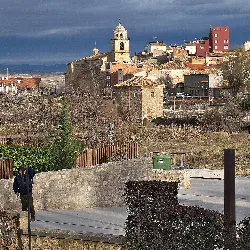
View of buildings on a promontory in Albalate del Arzobispo.
Albalate del ArzobispoTeruel

What is the Santuario de la Virgen de Arcos like?

The Santuario de la Virgen de Arcos is located on a rocky promontory in the Sierra de Arcos. This Baroque church, built in the 17th century, features three naves and a grand semicircular dome. It serves as a significant religious site and is part of a complex that includes a hospedería. The sanctuary is the last remnant of the now-vanished village of Arcos, surrounded by stunning natural landscapes.

Santuario de la Virgen de Arcos For visitors ›

Albalate del ArzobispoTeruel

What is the significance of the church of Nuestra Señora de la Asunción?

The church of Nuestra Señora de la Asunción is a notable 16th-century Gothic-Renaissance temple built on the site of an earlier church. It features a unique mudéjar tower and is a central part of the town's heritage, reflecting its historical and architectural significance in Albalate del Arzobispo.

Nuestra Señora de la Asunción For visitors ›

HíjarTeruel

What can you tell me about the Iglesia de Santa María la Mayor?

The Iglesia de Santa María la Mayor is a notable mudéjar church in Híjar, with construction beginning in the 14th century. It features a Renaissance facade and a unique interior layout. The church was declared a cultural heritage site and underwent rehabilitation between 2014 and 2015 after being closed due to structural concerns.

Iglesia de Santa María la Mayor For visitors ›

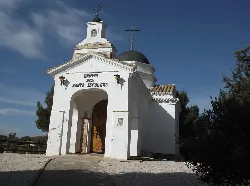
Small white chapel with cross on the dome and arched entrance in Híjar.
HíjarTeruel

What is the Ermita del Calvario like?

The Ermita del Calvario, built between 1719 and 1732, features a unique Greek cross design and is adorned with mid-20th-century murals. It is known for its impressive calvary, which includes a 'vía crucis' leading up to the chapel, making it a significant religious site in Híjar.

Ermita del Calvario For visitors ›

HíjarTeruel

What is the architecture like in Híjar?

Híjar boasts a mix of architectural styles, including mudéjar churches and historical buildings like the Castillo palacio of the Duques de Híjar. The town's religious architecture reflects its historical significance, while the narrow streets of the old Jewish quarter showcase its medieval heritage.

For visitors ›