Sights

3,246 questions

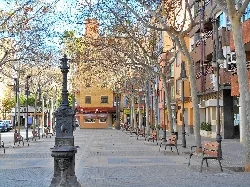
Square with benches, trees, and a fountain in Aldaya.
AldaiaValencia

What is the significance of the Plaça de la Constitució in Aldaia?

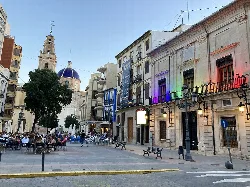
Plaça de la Constitució is the historical center of Aldaia, surrounded by key streets and buildings. It serves as a gathering place for residents and hosts various local events. The square reflects the town's architectural heritage and is integral to its social life.
Plaça de la Constitució For visitors ›

AldaiaValencia

What is the architectural style of the Iglesia parroquial de la Anunciación?

The Iglesia parroquial de la Anunciación features a blend of Gothic and Churrigueresque architectural styles. Originally constructed in the late 15th century, it has undergone several modifications, showcasing intricate details and historical significance in Aldaia's cultural landscape.

Iglesia parroquial de la Anunciación For visitors ›

ManisesValencia

What are the main attractions in Manises?

Manises is known for its rich ceramic heritage, highlighted at the Museo de Cerámica, which showcases historical pieces and contemporary works. The Iglesia Parroquial de San Juan Bautista, built between 1734 and 1751, is another significant landmark. Additionally, the Acueducto Els Arcs offers a glimpse into the town's historical infrastructure.

For visitors ›

ManisesValencia

What is the significance of the Museo de Cerámica in Manises?

The Museo de Cerámica, inaugurated in 1969, plays a crucial role in preserving and showcasing the town's rich ceramic heritage. It features collections of historical tiles and contemporary ceramic art, reflecting the evolution of this craft in Manises. The museum also hosts educational programs and exhibitions, promoting the art of ceramics.

Museo de Cerámica For visitors ›

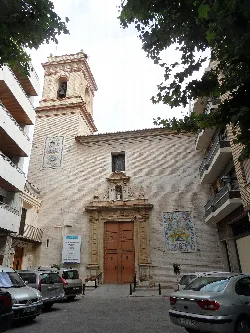
Church facade with wooden door and mosaics on the wall.
XirivellaValencia

What is the significance of the Iglesia de la Virgen de la Salud?

The Iglesia de la Virgen de la Salud is the main parish church in Xirivella, dating back to the late 17th century. It features a Latin cross layout and includes a bell tower and side chapels. The church is a key local landmark and has been declared a site of local relevance, showcasing architectural elements from its period of construction.

Iglesia de la Virgen de la Salud For visitors ›

XirivellaValencia

What is the architecture like in Xirivella?

Xirivella's architecture reflects its historical roots, featuring narrow streets and ancient houses in the old town, which retains an Arabic layout. Key buildings include the Iglesia de la Virgen de la Salud and the restored La Closa from the 14th century, showcasing the town's rich architectural heritage.

For visitors ›

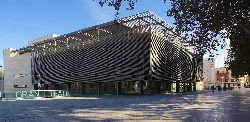
Modern building of the Gran Teatre in Xàtiva with dark metal facade.
XàtivaValencia

What is the Gran Teatre in Xàtiva?

The Gran Teatre is a significant cultural venue in Xàtiva, showcasing various performances and events. Its modern architecture contrasts with the historical elements of the town, making it a notable landmark for visitors interested in the arts.

Gran Teatre For visitors ›

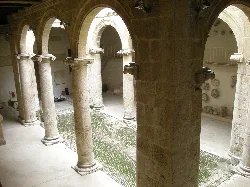
Interior with stone columns and arches in the courtyard of the Almudín in Xàtiva.
XàtivaValencia

What is the significance of the Almodí Museum?

The Almodí Museum is housed in a Gothic building and showcases Xàtiva's rich history and artistic heritage. It features notable exhibits, including the upside-down portrait of Philip V, symbolizing the city's historical grievances.

Almodí Museum For visitors ›

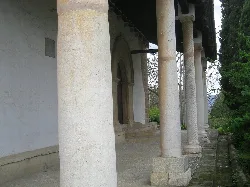
Stone columns and arches in the portico of San Felix Church in Játiva.
XàtivaValencia

What is the Church of Sant Feliu known for?

The Church of Sant Feliu, dating back to the 13th century, is notable for its Roman columns and historical significance as it was built over a late imperial episcopal see. It houses paintings from the 14th to 16th centuries, showcasing its artistic heritage.

Church of Sant Feliu For visitors ›

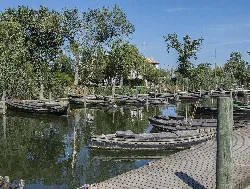
Wooden dock and boats at Catarroja port, Valencia.
CatarrojaValencia

What is the significance of the Port of Catarroja?

The Port of Catarroja is a crucial access point to the Albufera Natural Park, historically serving as a link for navigation between localities. It has played a vital role in the economy, particularly in fishing and rice cultivation, and continues to be a hub for local associations and activities related to the lake and its ecosystem.

Port For visitors ›

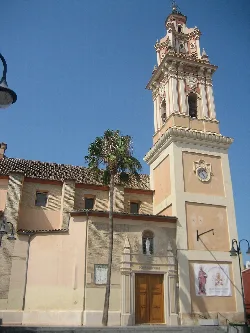
Tower and facade of San Miguel Church in Catarroja, with a tree and blue sky.
CatarrojaValencia

What can I see at the Church of San Miguel in Catarroja?

The Church of San Miguel, built in 1700, is an important religious site in Catarroja. It features a mix of architectural styles and has undergone several restorations, particularly after the Civil War. The church is known for its historical significance and is a focal point for local religious activities.

Church of San Miguel For visitors ›

Sueca town square with cafes and historic buildings on a summer afternoon.
SuecaValencia

What can I see at La Plaza del Ayuntamiento in Sueca?

La Plaza del Ayuntamiento is a vibrant square in Sueca, often bustling with activity, especially during summer evenings. It's surrounded by beautiful architecture, including the city hall and other historic buildings. Visitors can enjoy outdoor dining and socializing, making it a perfect spot to experience local culture and community life.

La Plaza del Ayuntamiento For visitors ›

SuecaValencia

What kind of architecture can I find in Sueca?

Sueca features a mix of architectural styles, prominently showcasing modernist buildings from the early 20th century. The city's growth during this period led to the construction of many notable structures, reflecting its cultural and economic development. Walking through the streets, you can admire various buildings that represent this architectural heritage.

For visitors ›

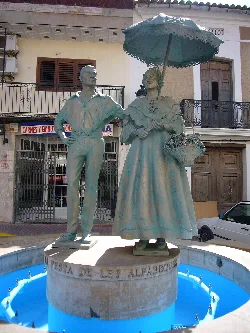
Sculpture of a couple with umbrella and basket in a fountain in Bétera.
BéteraValencia

What is the significance of the Monumento a la festa de les Alfàbegues?

The Monumento a la festa de les Alfàbegues celebrates Bétera's unique tradition of offering large basil plants to the Virgen de Agosto during the annual festival. The monument symbolizes the cultural heritage and agricultural practices of the town, highlighting the importance of basil cultivation in local festivities.

Monumento a la festa de les Alfàbegues For visitors ›

BéteraValencia

What is the importance of the Iglesia parroquial de la Purísima Concepción?

The Iglesia parroquial de la Purísima Concepción is significant as it reflects the town's historical and religious heritage. Built in the 17th and 18th centuries, it is believed to have been constructed over an ancient mosque, showcasing a blend of cultural influences and serving as a central place of worship for the community.

Iglesia parroquial de la Purísima Concepción For visitors ›

Town hall with classical facade and ornamental details in Algemesí.
AlgemesíValencia

What can you tell me about the architecture in Algemesí?

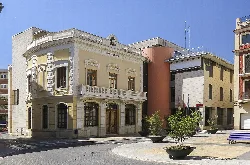
Algemesí features a mix of architectural styles, reflecting its historical development. Notable buildings include the Casa de Cultura and various churches, which showcase both traditional Valencian designs and modern influences, contributing to the town's unique character.

For visitors ›

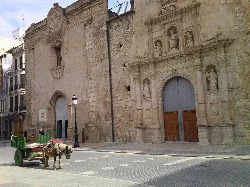
Cart in the main square of Algemesí with old buildings.
AlgemesíValencia

What is the Plaza Mayor like in Algemesí?

The Plaza Mayor in Algemesí is a central gathering place that features a mix of historical and modern architecture. It often hosts local events and serves as a social hub for residents and visitors alike, showcasing the town's vibrant community life.

Plaza Mayor For visitors ›

Saint Sebastian hermitage with palms and monument in the square.
La Pobla de VallbonaValencia

What can you tell me about the Ermita de San Sebastián?

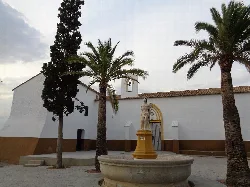
The Ermita de San Sebastián is located near the Calvario in La Pobla de Vallbona. It features a Gothic pulpit and overlooks a plaza with a fountain that has a statue of San Sebastián. This site is recognized as a local heritage site, reflecting its cultural significance in the community.

Ermita de San Sebastián For visitors ›

La Pobla de VallbonaValencia

What is the Casa Gran used for?

The Casa Gran, or Casa Grande, is a municipal building in La Pobla de Vallbona that has been rehabilitated to serve as an Ethnological Museum. It showcases traditional activities and cultural heritage, providing insights into the local history and lifestyle.

Casa Gran For visitors ›

Quart de PobletValencia

What historical landmarks should I visit in Quart de Poblet?

Key historical landmarks in Quart de Poblet include the Iglesia parroquial de la Purísima Concepción, known for its Baroque architecture, and the Ermita de San Onofre, which is tied to local traditions. Additionally, remnants of Roman structures like the aqueduct can be explored.

For visitors ›

Square with buildings and landscaped area in Oliva.
OlivaValencia

What can you tell me about the Plaça de l'Ajuntament in Oliva?

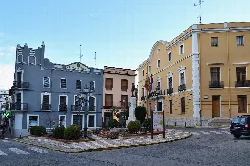
Plaça de l'Ajuntament is a central square in Oliva, known for its charming ambiance and local architecture. It serves as a gathering place for residents and visitors alike. The square is surrounded by important municipal buildings, making it a focal point for community events and activities. It's a great spot to relax and enjoy the local atmosphere.

Plaça de l'ajuntament d'Oliva For visitors ›

OlivaValencia

What historical sites should I visit in Oliva?

Visitors to Oliva should explore several historical sites, including the Església de Santa Maria la Major and the remnants of the Castillo de Santa Ana. The Museo Arqueológico offers insights into the region's past, showcasing artifacts from prehistoric to medieval times, making it a must-visit for history enthusiasts.

For visitors ›

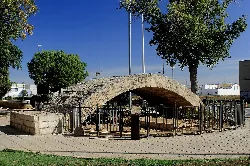
Stone Roman bridge in Alboraya with trees and protective fence.
AlboraiaValencia

What can you tell me about the Puente del Moro?

The Puente del Moro, or Moorish Bridge, is a historic Roman bridge located in Alboraya. Originally built to cross the Acequia de Vera, it has been relocated to its current position on the Paseo de Aragón. The bridge is notable for its lack of railings and its width of 5 meters, showcasing its historical significance.

Puente del Moro For visitors ›

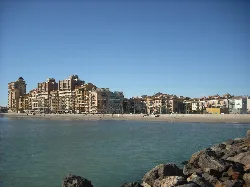
Buildings along the sea in Port Saplaya seen from the promenade
AlboraiaValencia

What is Port Saplaya like?

Port Saplaya is a picturesque coastal area in Alboraya, known for its colorful buildings and marina. It features a promenade that provides stunning views of the waterfront and is a popular destination for leisure activities, dining, and enjoying the beach atmosphere.

Port Saplaya For visitors ›